
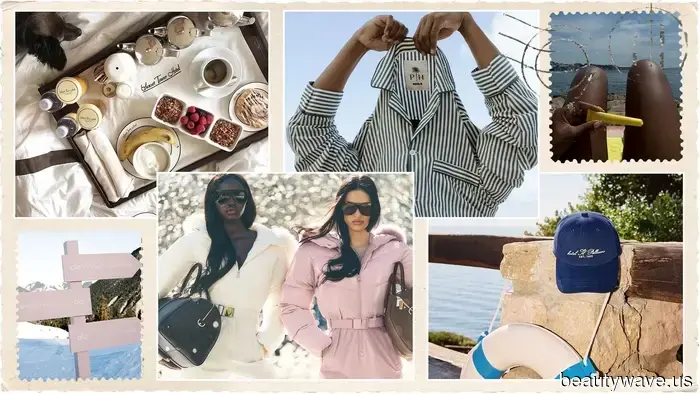
From Dior's Beach Club to Designer Hotel Sleepwear: The Intersection of Fashion and Travel Goes Instagram Official in 2026.
In 2025, fashion and hospitality began to converge, but 2026 is set to elevate this relationship significantly. Brace yourself for the emergence of luxury travel merchandise. This year features major sporting events such as the Winter Olympics in Italy and the World Cup across Canada, Mexico, and the US. Additionally, popular TV shows focused on specific locations, like the beloved Emily in Paris, alongside highly anticipated film releases (The Devil Wears Prada 2, Wuthering Heights), indicate a clear message: despite economic uncertainties, consumers continue to invest in experiences. Whether it's attending a major sports event in North America, enjoying a stylish getaway in Paris or New York, or a relaxing weekend in the Yorkshire moors, traveling remains a priority. With personalization in mind, there will be a trend towards selecting travel destinations that resonate with our passions or provide unique experiences, creating more opportunities for unforgettable merchandise. Increasingly, hotels are offering branded silk pajamas, collectible totes, essential beach club items, and summer beauty kits for guests, signaling that luxury fashion and beauty brands are recognizing the market gap for catering to customers during their leisure time.
Looking ahead to travel trends for 2026, there will be a stronger focus on creativity and customized experiences. Regarding tangible souvenirs in the form of luxury travel merchandise, fashion will dive deeper into the realms of entertainment, sports, and culture. High-profile creative directors are now collaborating with hotel brands (such as Kim Jones with Aman Resorts and Pharrell with The Goodtime Hotel), suggesting that this merchandise is destined to become a major draw.
Memory-Making Merchandise
Brands with a distinct identity and an active community are now addressing their customers' evolving needs through various unexpected channels, including travel itineraries. According to Statista, "Customers are increasingly pursuing unique experiences during their travels, seeking accommodations that provide memorable experiences beyond just a place to stay." As global tourism rebounds, even though some sectors of the market may face a slowdown in lavish vacations, consumers are not abandoning their annual travel plans. Whether it's booking trips during the off-season to less popular destinations or shortening vacations, the desire to create lasting memories remains strong. Statistics show that investment in creative partnerships will continue to attract the 125 million international tourists who traveled to Europe in the first quarter of 2025 alone, according to a UN Tourism report.
The Reinvention of Hotel Boutiques
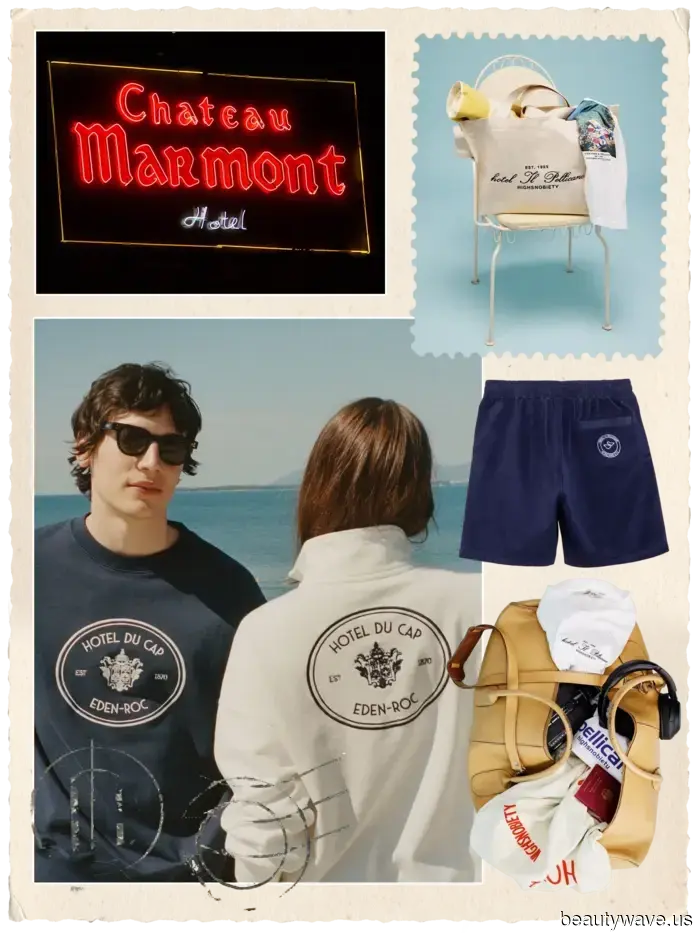
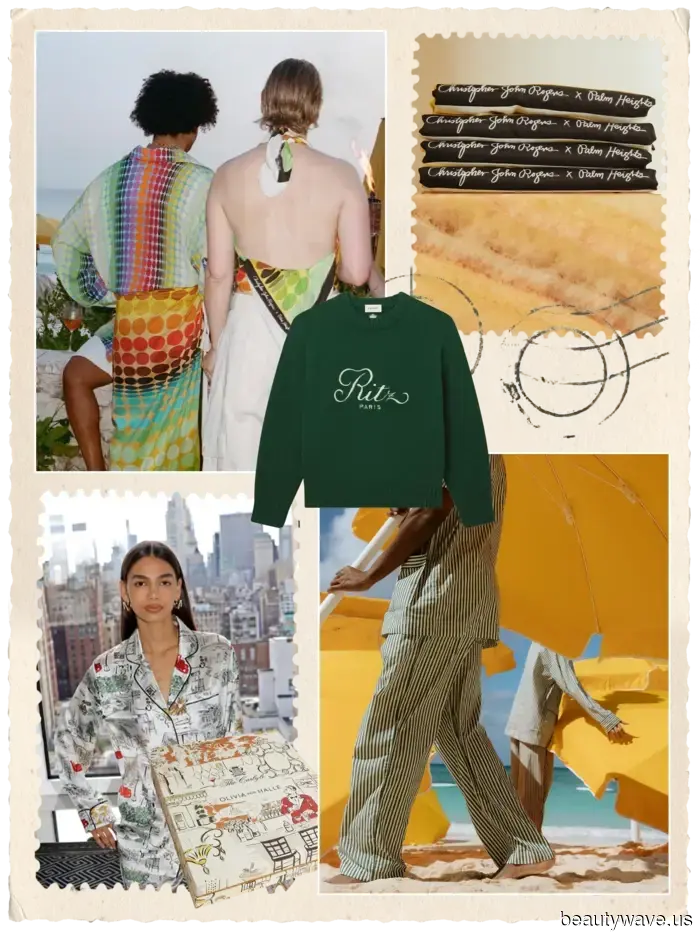
The days of uninspired hotel boutiques are fading away. Legacy hotel chains are revitalizing their offerings with sought-after merchandise created by leading fashion designers. Palm Heights in Grand Cayman has quietly become a hotspot for emerging talents, securing exclusive designs from Christopher John Rogers, Tekla, and Marrakshi Life. Meanwhile, The Ritz Paris now offers a quintessential souvenir that blends French bourgeois and American prep aesthetics (thank you, Celine) with branded ready-to-wear collections for both men and women. The hotel has also collaborated on a limited-edition line with FRAME, featuring merchandise from cashmere sweaters to varsity jackets, endorsed by celebrities like Hailey Bieber, Naomi Campbell, and Kate Moss. This proves that there is potential for commercial success outside of the lobby, as brands can connect with their guests' aspirations to integrate into their narratives in a nuanced way.
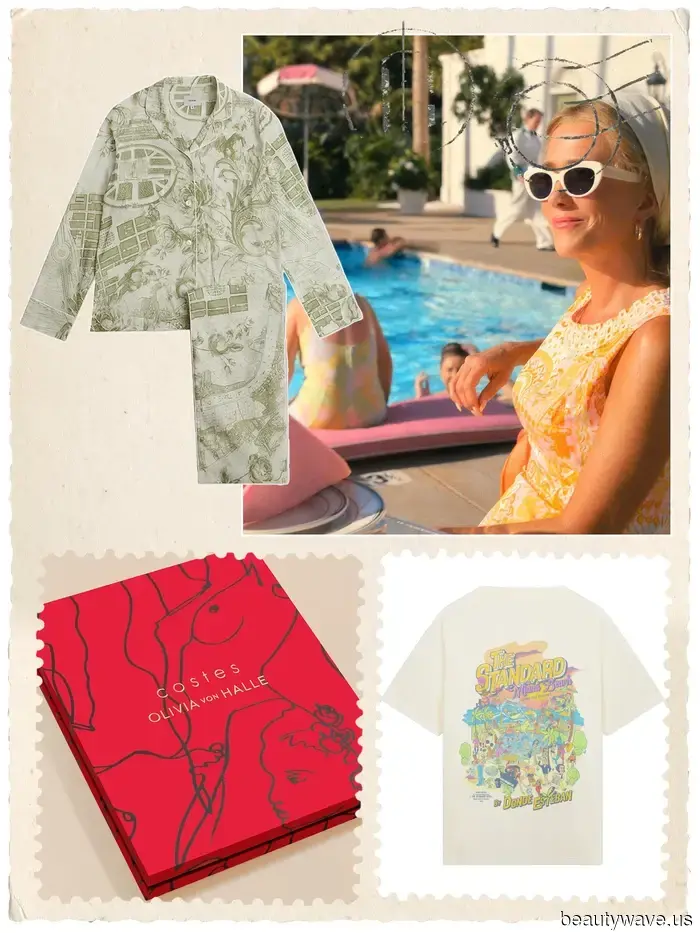
Being part of the holiday "in" crowd also lends prestige to those fortunate enough to acquire exclusive items from discreet hotel collaborations, as many pieces are too appealing to be limited to poolside wear. One&Only Resorts’ exclusive swim capsule with designer Mara Hoffmann, for instance, may have seen its value double on the resale market after the designer's closure in 2024, while Olivia Von Halle's satin sleep set for The Carlyle in New York promotes itself as "a cocktail pyjama for the city that never sleeps." This trend isn't confined solely to hotels; cafes, restaurants, and iconic eateries are also recognizing the demand to establish brand identities beyond their culinary offerings, turning their loyal customer base into a clever twist on traditional advertising. In 2024, after a collaboration with Highsnobiety sold at Selfridges, East London’s Beigel Bake launched a line of merchandise that quickly sold out, featuring items like T-shirts, tote bags, and utility jackets. The Manchester-based luxury streetwear brand Represent recently opened its inaugural London location, complete with the Owners Club Café, specifically tailored to its community, featuring an exclusive collection in colors like ‘Flat White’ and a football jersey timed for the Women's Euros tournament.
The SPF Factor
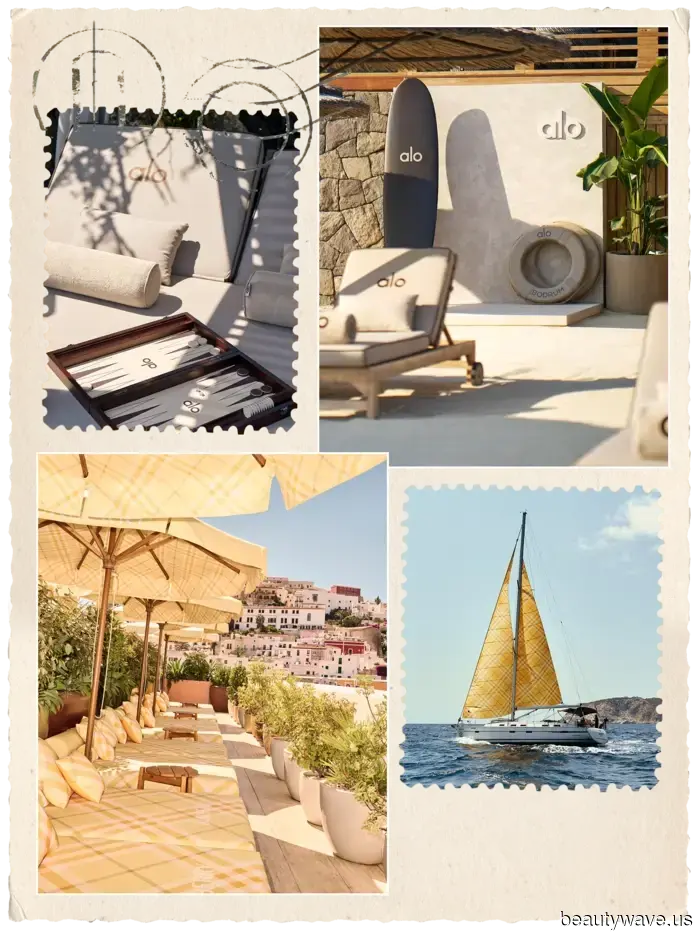
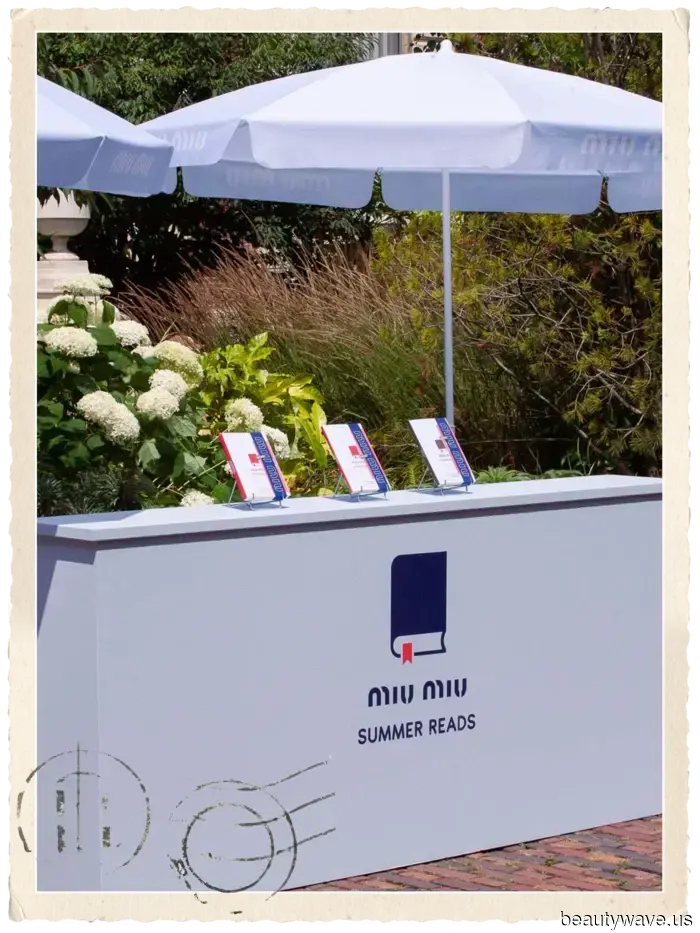
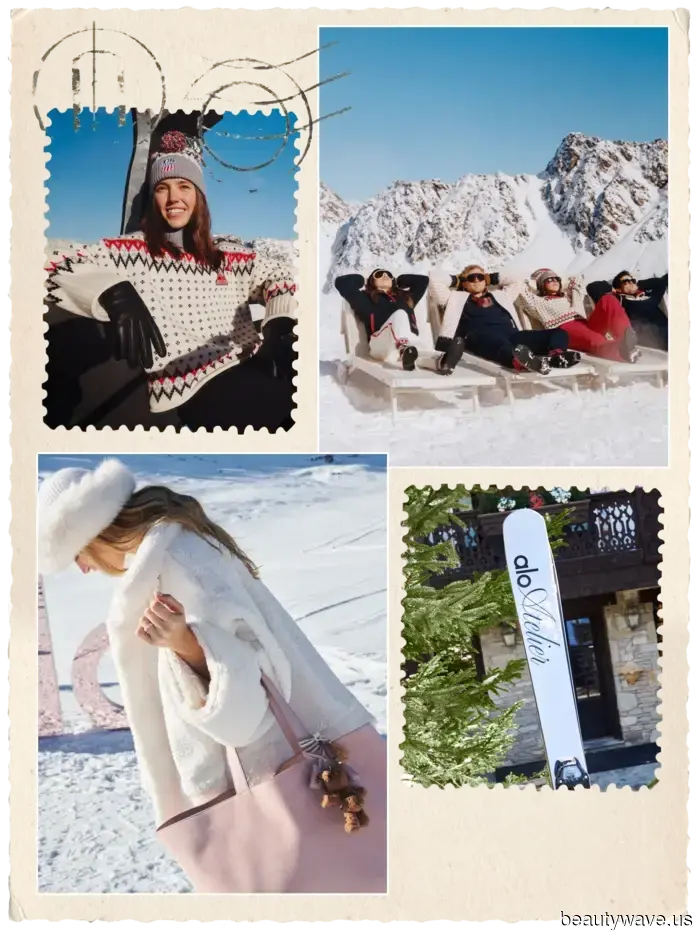
After numerous pop-ups in 2025, beach clubs are becoming one of the most impactful platforms for brands to claim their share of the summer season, targeting those escaping urban environments for coastal destinations, from Ibiza to Saint Tropez, Miami to Dubai. Beach-club takeovers enable brands to engage with customers during their leisure time. By emphasizing the exclusivity of these experiences and dressing the environments in brand colors and codes, guests are naturally inclined to buy merchandise tied to the pop-up as mementos. A notable example is last
Other articles
 7 Celebrity Ensembles That Show You Can Still Be Stylish in the Scorching Heat
If the weather has put you in a style slump, we have the perfect inspiration for you. These celebrity outfits transform a heat wave into something surprisingly stylish.
7 Celebrity Ensembles That Show You Can Still Be Stylish in the Scorching Heat
If the weather has put you in a style slump, we have the perfect inspiration for you. These celebrity outfits transform a heat wave into something surprisingly stylish.
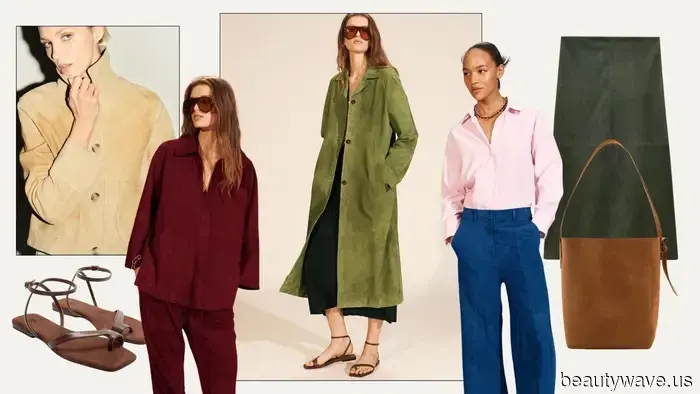 Embracing this trend is the definitive indication of good taste—now it's everywhere in Zara.
Zara has introduced a curated collection of sophisticated suede items in a range of cheerful colors, perfectly timed for the upcoming cooler summer days. Discover the top selections here.
Embracing this trend is the definitive indication of good taste—now it's everywhere in Zara.
Zara has introduced a curated collection of sophisticated suede items in a range of cheerful colors, perfectly timed for the upcoming cooler summer days. Discover the top selections here.
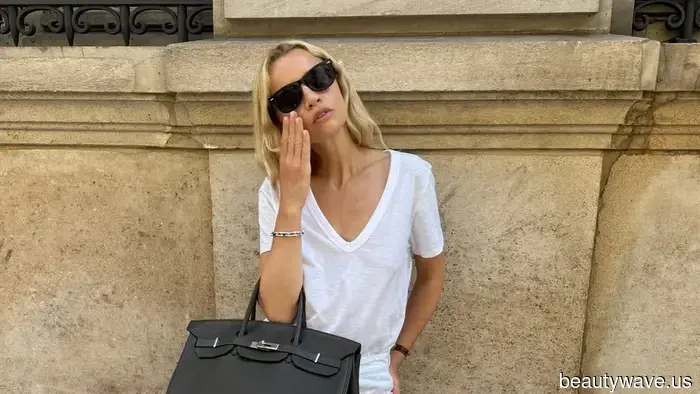 This T-shirt trend was considered "out" for such a long time that it’s surprising it's now back in style.
Evidence that all things eventually return.
This T-shirt trend was considered "out" for such a long time that it’s surprising it's now back in style.
Evidence that all things eventually return.
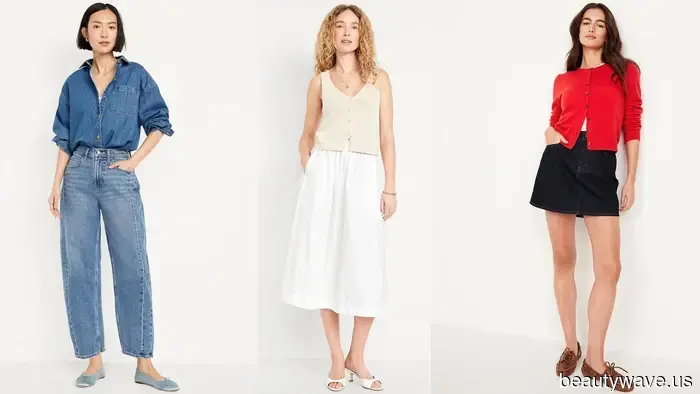 If Luxury Appeals to You but Your Budget Is $50, Here Are 32 Old Navy Finds That Will Satisfy Your Desire.
Check out these incredibly affordable new arrivals from Old Navy that exude luxury. All items are priced under $50, but they all have a high-end appearance.
If Luxury Appeals to You but Your Budget Is $50, Here Are 32 Old Navy Finds That Will Satisfy Your Desire.
Check out these incredibly affordable new arrivals from Old Navy that exude luxury. All items are priced under $50, but they all have a high-end appearance.
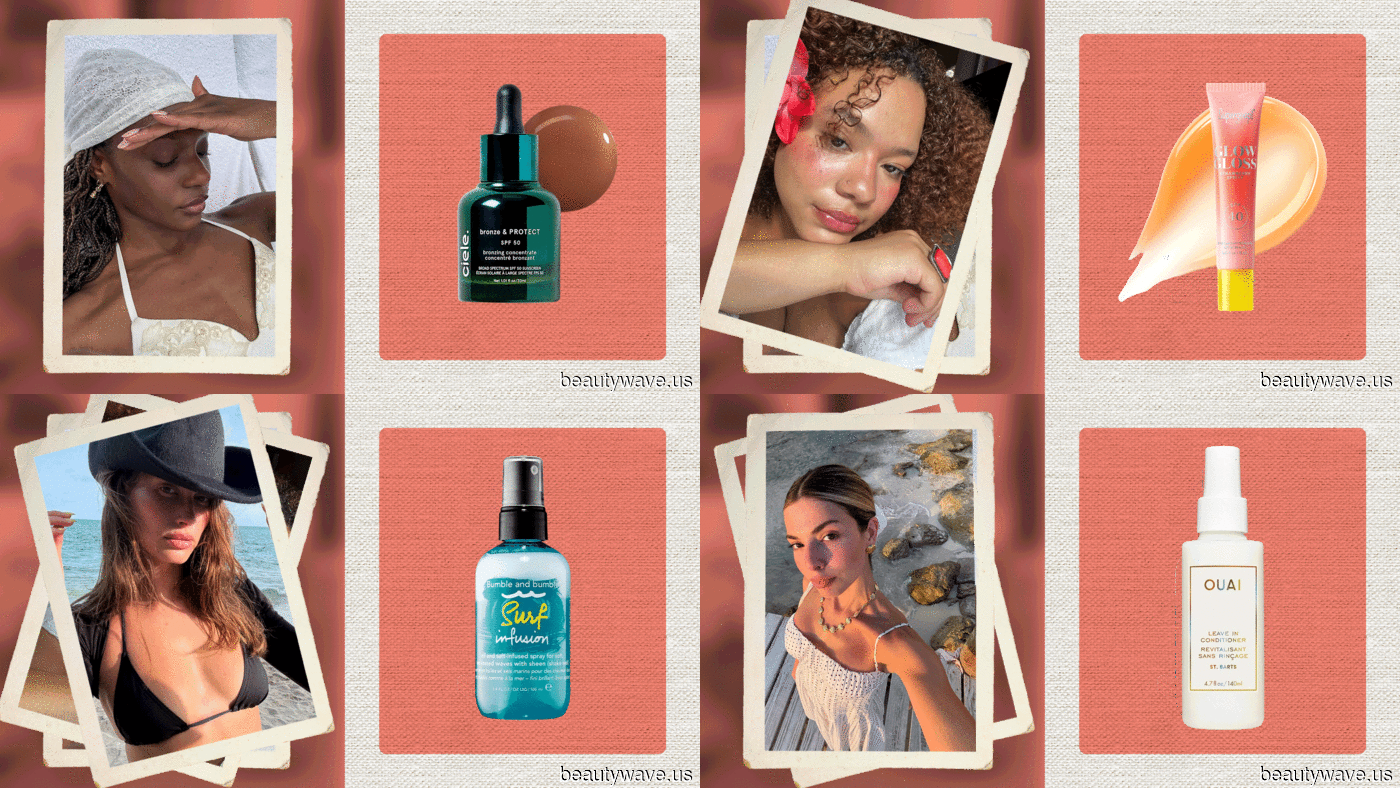 "Island Girl Beauty" Is the Next Best Option for a Tropical Paradise Getaway—Here's How to Achieve the Look
We're heading to the beach.
"Island Girl Beauty" Is the Next Best Option for a Tropical Paradise Getaway—Here's How to Achieve the Look
We're heading to the beach.
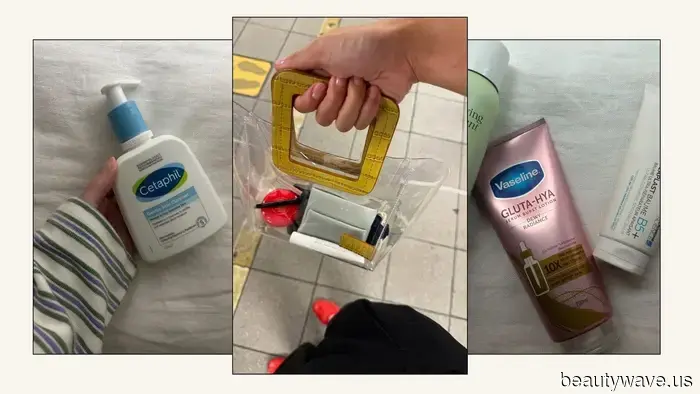 Don't Be a Beauty Snob—These Under-£20 Products are Truly Valuable
You don't need to invest a lot of money to achieve results.
Don't Be a Beauty Snob—These Under-£20 Products are Truly Valuable
You don't need to invest a lot of money to achieve results.
From Dior's Beach Club to Designer Hotel Sleepwear: The Intersection of Fashion and Travel Goes Instagram Official in 2026.
No Need for a Flight