

Are Exosomes Truly the Future of Skincare? A Dermatologist Shares Insights
If you follow the latest trends in beauty, you’ve likely come across the term exosomes. This ingredient has been gradually transitioning from medical literature to skincare advertising, becoming increasingly popular in everything from advanced facials to high-end serums. But what are exosomes exactly? And are they necessary for your skincare routine? Simply put, exosomes are naturally occurring "messengers" that are crucial for cell communication and self-repair. In the realm of skincare, they present a potential breakthrough for rejuvenation, healing, and achieving radiance. Sounds too good to be true? There’s a caveat. Although exosomes are certainly fashionable, the underlying science is still developing. Ongoing research is focused on understanding their mechanisms, benefits, and the best methods for safely delivering them into the skin.
Currently, the most promising outcomes can be seen in clinical settings, where exosomes are applied post-procedure, such as after microneedling or laser treatments, to speed up recovery and improve results. Unsurprisingly, skincare brands have taken note of this trend, launching a variety of at-home products infused with exosomes that claim to provide similar perks, such as enhanced skin texture, radiance, and repair. However, there is a distinction: the exosomes in these home products are generally lab-created or plant-based, while those used in professional treatments typically come from human stem cells. Therefore, you should anticipate more gradual improvements rather than instant results. To clarify the hype, I consulted dermatologist Sonia Khorana, who offered her insights on how exosomes function, what investments are worthwhile, and the future of the research.
Here’s what experts believe you should know about this ingredient that’s set to become one of the focal points in beauty by 2025.
What Are Exosomes?
According to Khorana, "Exosomes are tiny, naturally occurring messengers that our cells release to communicate with one another. They transport signals like proteins, lipids, and genetic material that can affect how surrounding cells behave." Essentially, you can think of exosomes as a delivery service transporting bioactive proteins, growth factors, and nucleic acids that instruct skin cells to renew and repair themselves.
How Do Exosomes Benefit Skin?
Khorana explains, "Exosomes help skin cells communicate with each other. They can facilitate repair, reduce inflammation, and stimulate collagen and elastin production, which are essential for smoother and firmer skin. In other words, they bolster the skin’s natural healing and regeneration processes." Consequently, exosomes can decrease wound healing time, significantly diminish age-related pigmentation, enhance firmness, smooth out fine lines and wrinkles, hydrate and nourish the skin, and boost collagen and elastin production.
How Are Exosomes Used in Professional Treatments?
In aesthetics, Khorana notes that exosomes are being investigated for their numerous skin benefits. "The concept is that by delivering these cellular messages, exosomes might enable the skin to recover more effectively and appear healthier," she elaborates. "They’re typically applied to the skin after treatments that create tiny micro-channels, like microneedling, lasers, or radiofrequency. This allows for better penetration, thereby enhancing healing, reducing redness, and increasing collagen stimulation. They are not a standalone solution, but rather an adjunct that can quicken recovery and optimize outcomes."
Are Lab-Grown or Plant-Derived Exosomes Still Effective?
Khorana points out that while lab-grown or plant-derived exosomes do not possess the exact same growth factors and signals as animal-derived exosomes, they can mirror some of the regenerative properties. "Many of these formulas aim to deliver antioxidants, peptides, and anti-inflammatory signals that aid in repair and collagen synthesis. The science is still developing, but they are deemed safer and more acceptable from regulatory and ethical perspectives." She adds, "Human or animal-derived exosomes face challenges related to safety, consistency, and regulation. Because they originate from biological sources, there is a potential risk of infection transmission, and the composition of each batch can vary. Additionally, there are significant regulatory and ethical dilemmas concerning their sourcing and use in treatments, which is why lab-engineered or plant-derived options are frequently preferred."
Can Topical Exosomes Benefit the Skin?
"Topical products featuring exosomes are an exciting frontier, but the science is still in its infancy," says Khorana. "In theory, exosomes could introduce growth factors and signaling molecules that encourage repair and regeneration, but their stability and ability to penetrate the skin barrier are major hurdles. Most existing evidence for the benefits of exosomes comes from professional treatments, where they can be delivered more effectively. For topical formulations, further clinical research is needed before we can confidently assess their benefits."
Shop the Best Exosome Skincare Products
Dr. Barbara Sturm
Exoso-Metic Face Serum
Though on the pricier side, users notice results in just a few weeks. This serum uses lab-synthesized exosomes that include growth factors like


Other articles
 Transforming basic jeans into an elegant outfit is simple—just incorporate this season's most luxurious boot trend.
Always stylish.
Transforming basic jeans into an elegant outfit is simple—just incorporate this season's most luxurious boot trend.
Always stylish.
 Jennifer Aniston Recently Sported the Stylish '90s Black Trouser and Shoe Pairing That Never Fails to Impress.
It functions successfully each time.
Jennifer Aniston Recently Sported the Stylish '90s Black Trouser and Shoe Pairing That Never Fails to Impress.
It functions successfully each time.
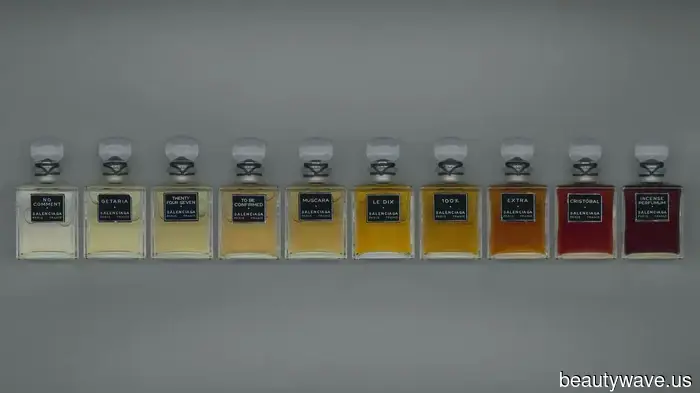 Balenciaga has just introduced 10 fragrances with an extravagant scent profile, including a "forgotten" bottle from 1947.
These are my initial impressions upon first encountering it.
Balenciaga has just introduced 10 fragrances with an extravagant scent profile, including a "forgotten" bottle from 1947.
These are my initial impressions upon first encountering it.
 Out of nowhere, celebrities and fashionable individuals are consistently seen with this new luxury bag.
Autumn has just started, yet the Saint Laurent Icarino bag has already been named the It bag of the season. Discover more about this new iconic style here.
Out of nowhere, celebrities and fashionable individuals are consistently seen with this new luxury bag.
Autumn has just started, yet the Saint Laurent Icarino bag has already been named the It bag of the season. Discover more about this new iconic style here.
 This Classic Shoe Trend Gives Every Black Dress Ensemble a Nostalgic '90s Vibe
It's a quick lift, regardless of the outfit. Just look at Jennifer Aniston and Rosie Huntington-Whiteley.
This Classic Shoe Trend Gives Every Black Dress Ensemble a Nostalgic '90s Vibe
It's a quick lift, regardless of the outfit. Just look at Jennifer Aniston and Rosie Huntington-Whiteley.
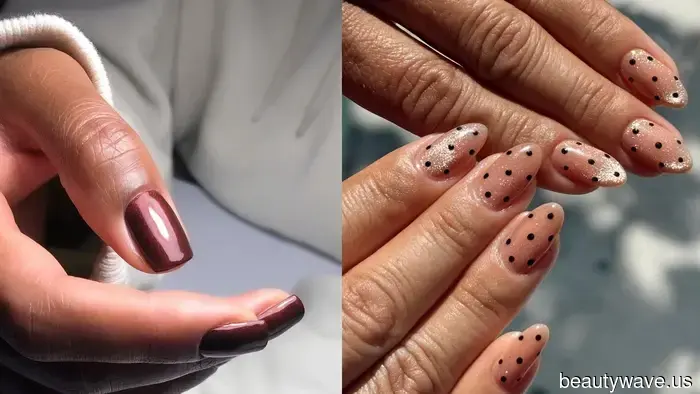 The most prominent fall manicure trends this year feature coquette elements and vibrant, rich hues.
Enroll us.
The most prominent fall manicure trends this year feature coquette elements and vibrant, rich hues.
Enroll us.
Are Exosomes Truly the Future of Skincare? A Dermatologist Shares Insights
What you truly need to be aware of.