

An aesthetician states that this essential fatty acid significantly aids in reducing breakouts.
Even though I have been a beauty editor for many years, I continually find that there is always more to discover about acne-prone skin. Having dealt with acne myself, this experience motivated me to learn as much as possible about how my specific skin type operates and how I can care for it without causing damage. Recently, I was fortunate to receive a fantastic facial from Brian Goodwin, the international educator from Eminence Organic Skin Care, and I once again learned something new.
After I shared my skin concerns with Goodwin—specifically inflammation, congestion, and hyperpigmentation—he informed me about an often-overlooked aspect of acne-prone skin. Goodwin mentioned that individuals with acne-prone skin frequently have low levels of an essential fatty acid known as linoleic acid. If you are as passionate about skincare as I am, you may already know about linoleic and oleic acids. Both are essential fatty acids, but linoleic acid is a polyunsaturated fat that the human body cannot produce independently, and it falls under the omega-6 fatty acid category.
"Although we at Eminence haven’t conducted our own study, there is compelling research available on this subject," Goodwin shared. "For instance, studies have shown that those with acne-prone skin often have diminished linoleic acid levels in their sebum compared to individuals who do not experience breakouts. Linoleic acid is crucial for maintaining the follicular barrier and managing sebum production. When linoleic acid levels are low, sebum can thicken, increasing the chances of clogged pores and subsequent breakouts. It also impacts the skin’s barrier. A deficiency in linoleic acid can compromise this barrier and lead to heightened inflammation and irritation. So, it's really a matter of how the absence of this single component can trigger a cycle that exacerbates acne."
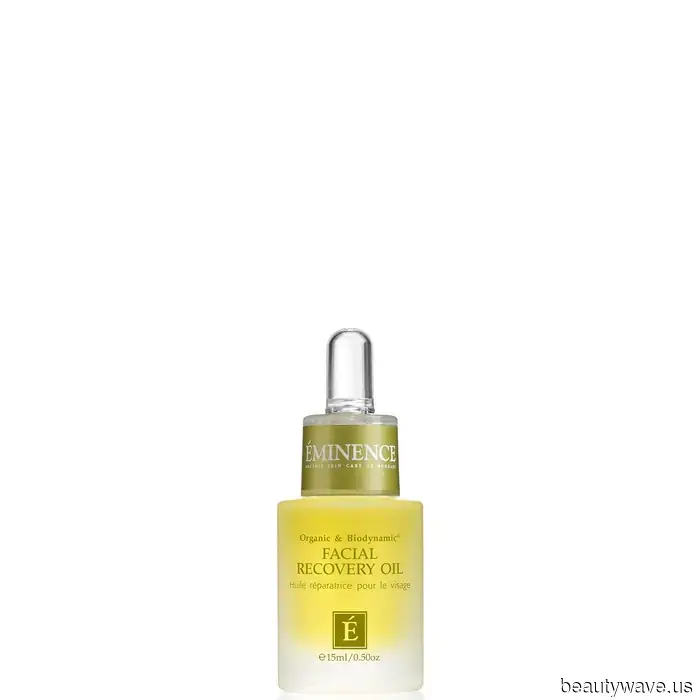
There are numerous factors that contribute to acne, and everyone's skin is unique, but this was something I hadn't previously considered as a potential issue for myself. Goodwin then introduced me to the brand's Recovery Facial Oil ($85), an exceptional product I had previously used until I ran out.
Eminence Organic Skin Care
Facial Recovery Oil
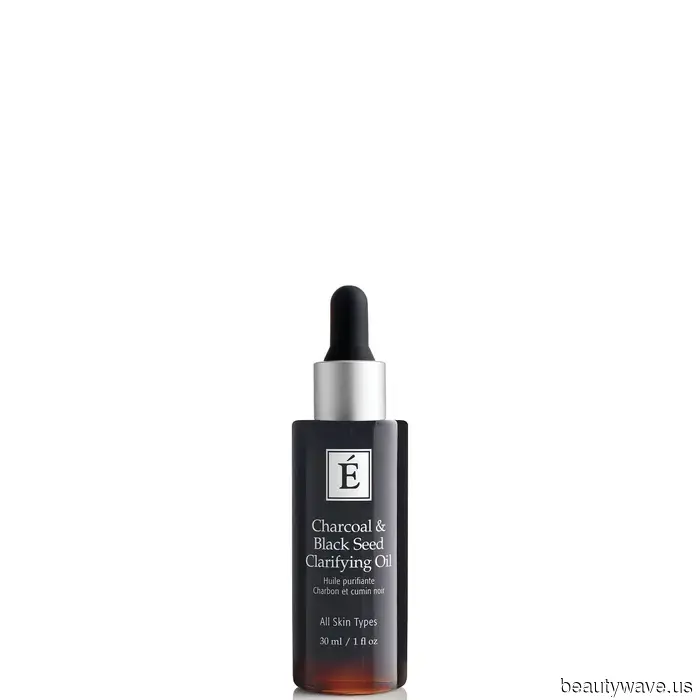
According to Goodwin, this nourishing facial oil could be a significant solution. If you’re like me and have historically been hesitant about applying too many oils to your face, don’t fret. This could actually be a beneficial answer to the dilemma of lacking linoleic acid in the skin. Goodwin explained, "Facial Recovery Oil is ideal for acne-prone skin because it features both olive oil and sesame oil, which are naturally abundant in linoleic acid. This supports the skin’s barrier function and helps balance sebum levels, thereby decreasing the likelihood of clogged pores. The formula also contains tea tree oil and sage oil, known for their antimicrobial properties, which can help soothe inflammation and diminish the bacteria that often leads to acne. If your skin tends to be oilier, I would recommend our Charcoal and Black Seed Clarifying Oil ($118) since its primary ingredient, black seed oil, is high in linoleic acid as well."
Eminence Organic Skin Care
Charcoal and Black Seed Clarifying Oil
Even if you prefer not to use a dedicated facial oil, you can still select skincare products that contain vegetable oils rich in linoleic acid, such as sunflower, grape seed, or soybean oil. Goodwin also has a few recommendations. "Sesame and olive oils can be excellent choices. They deliver the fatty acids that acne-prone skin requires to support the skin barrier and minimize the chances of breakouts." Goodwin even mentioned that you could enhance your diet with these types of oils. "Regarding dietary supplements, omega-3s and gamma linoleic acid (GLA) have been shown to assist in reducing inflammation, a significant contributor to acne," he noted. "The body converts linoleic acid into GLA, so supplementing with oils rich in GLA can help address breakouts. Borage seed oil or evening primrose oil are both effective options; it's just a matter of determining which one works best for your skin."
If you're experiencing inflammation and breakouts, incorporating linoleic acid-rich products into your regimen can indeed be beneficial, but Goodwin has additional recommendations. Firstly, he points out that the most common mistake he observes among those with acne is over-exfoliation. "It's easy to fall into the routine of using too many clinical-strength actives such as glycolic acid, mandelic acid, and retinol simultaneously," he noted. "However, using a combination of excessive actives can harm the skin’s barrier and disturb the microbiome. When this occurs, the skin struggles to control inflammation and protect itself from irritants, which can worsen acne. If someone finds themselves in this predicament, I always recommend starting with a professional skin analysis and consultation. A licensed aesthetician or certified dermatologist

Other articles
 Fact: Every fashion editor dreams of having one of these incredibly luxurious jackets.
As we approach winter, many of us are likely searching for a new jacket. Don’t worry, though, as I’ve taken care of the tough task and gathered the most stylish designer options for you to consider.
Fact: Every fashion editor dreams of having one of these incredibly luxurious jackets.
As we approach winter, many of us are likely searching for a new jacket. Don’t worry, though, as I’ve taken care of the tough task and gathered the most stylish designer options for you to consider.
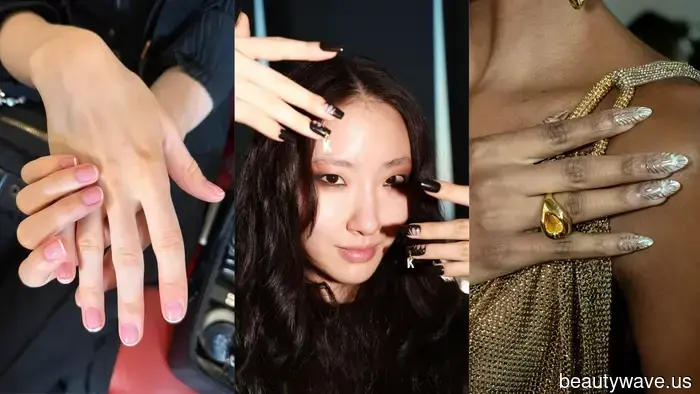 You First Heard It Here: These 5 NYFW Nail Trends Will Shape Your Manicures for the Coming Year
Validated by leading artists in the industry.
You First Heard It Here: These 5 NYFW Nail Trends Will Shape Your Manicures for the Coming Year
Validated by leading artists in the industry.
 An Aesthetician states that this essential fatty acid significantly aids in reducing breakouts.
If you frequently experience breakouts, your skin may be lacking in it.
An Aesthetician states that this essential fatty acid significantly aids in reducing breakouts.
If you frequently experience breakouts, your skin may be lacking in it.
 From Anorak jackets to plum-colored ensembles, here are the fall activewear pieces I'm excited to style.
Activewear has once again caught my attention with this fall's new collections from brands such as Lululemon, Vuori, and adidas. Check out my preferred nylon jackets, track pants, and sneakers here.
From Anorak jackets to plum-colored ensembles, here are the fall activewear pieces I'm excited to style.
Activewear has once again caught my attention with this fall's new collections from brands such as Lululemon, Vuori, and adidas. Check out my preferred nylon jackets, track pants, and sneakers here.
 The Subtle Handbag That Trendy Individuals Are Using to Achieve a Sophisticated Look at This Moment
The one to keep an eye on.
The Subtle Handbag That Trendy Individuals Are Using to Achieve a Sophisticated Look at This Moment
The one to keep an eye on.
 Black and white are timeless, yet Iris Law's stylish color combination feels wonderfully new for 2026.
It will certainly catch people's attention.
Black and white are timeless, yet Iris Law's stylish color combination feels wonderfully new for 2026.
It will certainly catch people's attention.
An aesthetician states that this essential fatty acid significantly aids in reducing breakouts.
If you frequently experience breakouts, your skin may be lacking in it.