

I'm Using Copper Peptides to Improve the Effects of My Botox—Here’s the Reason.
(Image credit: @kaitlyn_mclintock) At the age of 29, I tried Botox for the first time and shared the whole experience with you, my dear reader. To be precise, it was actually Dysport. (Botox, Dysport, Xeomin, Jeuveau, Daxxify, and Letybo are various brands of neurotoxin. They all work to relax muscles and minimize wrinkles, though they differ in terms of onset, diffusion, and common areas of application.) The journey began when I became increasingly aware of the deep line developing between my eyebrows. I attribute this to my unintentional resting b**ch face and poor eyesight, both of which often cause me to squint or wrinkle my forehead. Regardless, I decided to go for it, loved the outcome, and never looked back. Since that time, I’ve committed to receiving injections twice a year. Fortunately, the effects tend to last about six months for me, which is longer than the typical three to four months. In any case, Botox, Dysport, or any other neurotoxin can be costly. If there's a way for me to enhance, maintain, or prolong the results, I'm all in.
Enter copper peptides. I noticed an abundance of discussions about them online, particularly regarding their effectiveness for individuals who receive neurotoxin injections. I was curious about their true benefits and how they differed from other peptides. So, I reached out to the experts, and ahead, you’ll find everything you need to know about copper peptides.
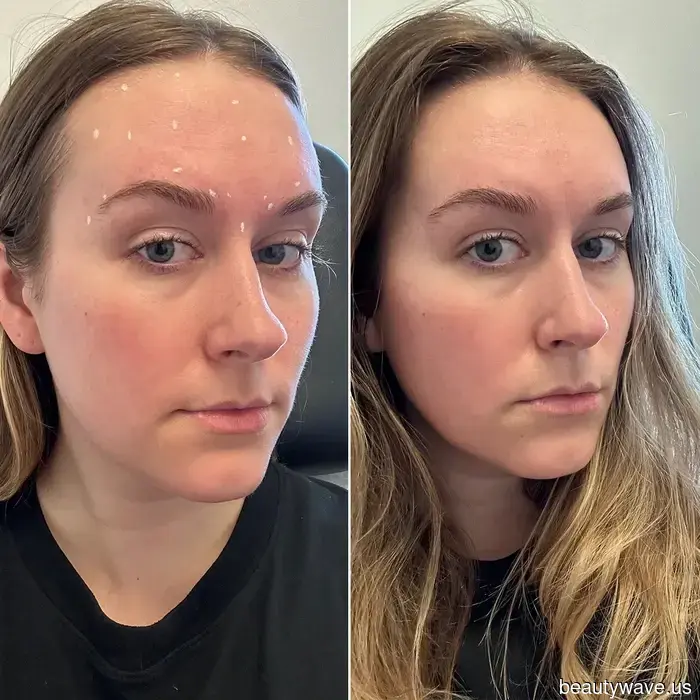
This image illustrates the specific points where the dermatologist injected Dysport into my forehead. I received a total of 54 units to eliminate my glabella line (the wrinkle between my brows) and provide a subtle brow lift. (Image credit: @kaitlyn_mclintock)
What Are Copper Peptides? Brendan Camp, MD, FAAD, a board-certified dermatologist at MDCS Dermatology, explains that copper peptides are tripeptides (composed of three amino acids that function as effective cell messengers) attached to copper (yes, the same element found in a penny). Natia Rufolo, FNP, NP-C, founder of Injx by Nat Aesthetics and a board-certified aesthetic injector and PDO thread expert, emphasizes that the copper binding is crucial to their effectiveness. "The copper component provides enhanced regenerative and antioxidant benefits, making them particularly useful for healing and improving skin firmness," she explains. "Copper peptides support collagen and elastin production, encourage skin repair, and enhance overall skin strength and elasticity." In simpler terms, they help the skin appear plump, smooth, and youthful.
Which Skin Types Should Use and Avoid Copper Peptides? The experts agree that copper peptides are generally well tolerated by most skin types. "I find they work well for most skin types, but they're particularly beneficial for aging, damaged, or compromised skin, as well as for those seeking to improve firmness and texture without irritation," Rufolo states. However, both Camp and Rufolo caution those with extremely sensitive or reactive skin. (Camp recommends conducting a patch test regardless of skin type.) "Copper peptides are usually well tolerated, but I exercise caution with very sensitive or reactive skin, especially if there is a compromised barrier or active inflammation," Rufolo advises. "In those cases, I prefer to introduce them gradually or avoid them altogether until the skin stabilizes, as they may sometimes cause irritation when overused or combined with strong actives."
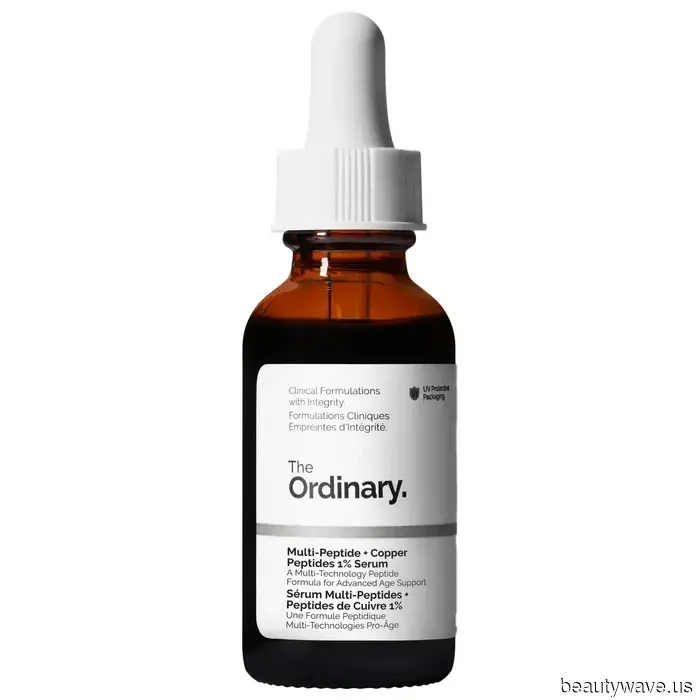
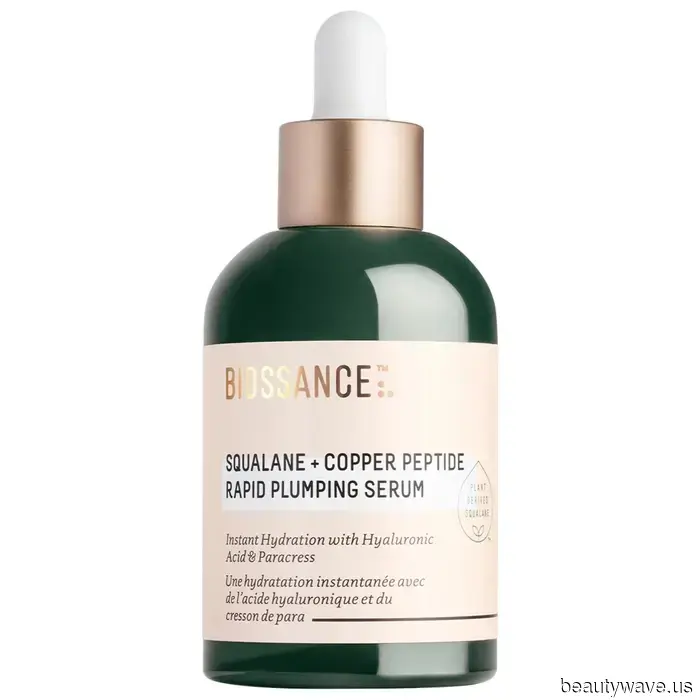
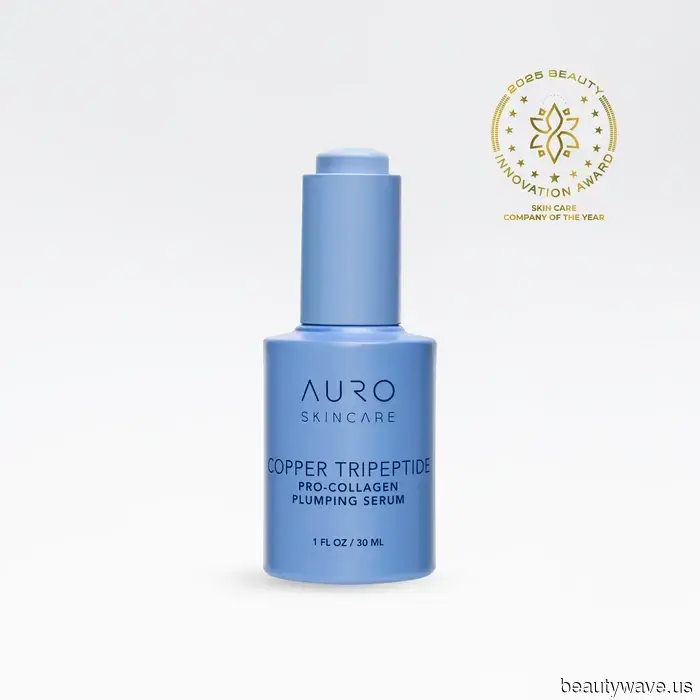
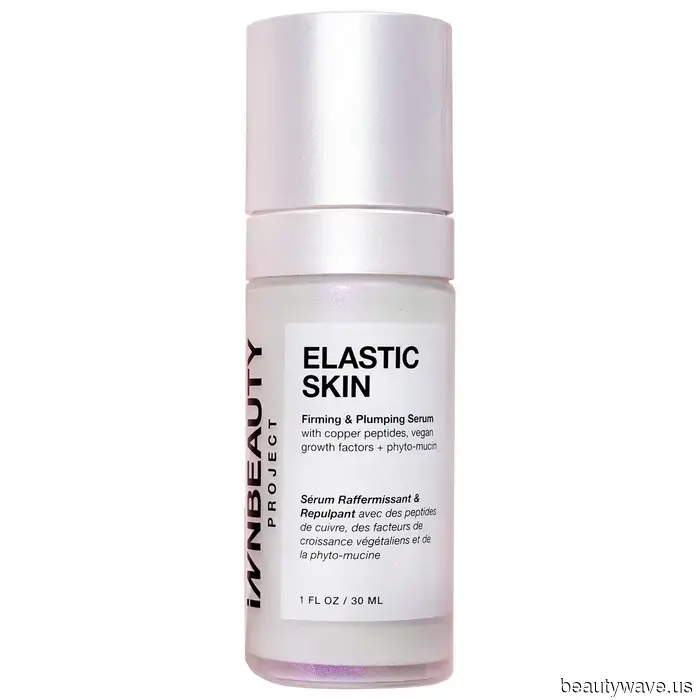
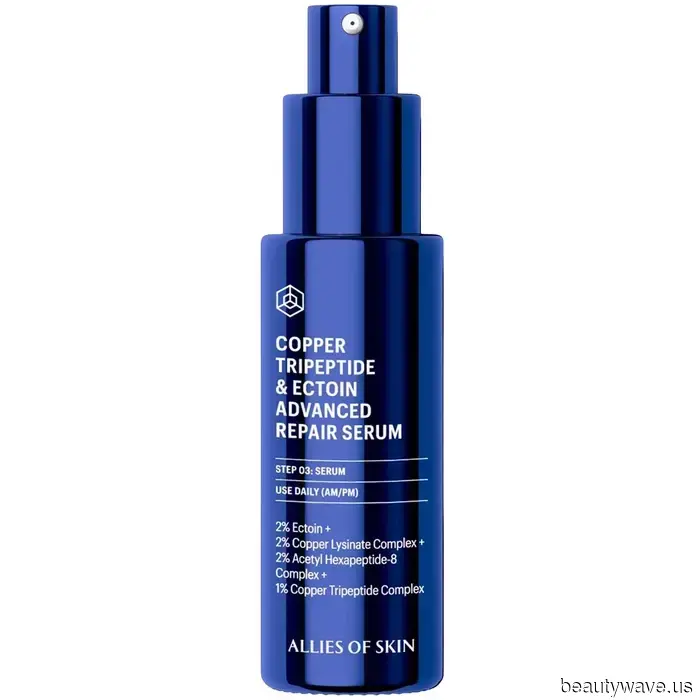
Can Copper Peptides Truly Extend the Results of Botox? Now, to address the pressing question that has occupied my thoughts for months: Can copper peptides genuinely enhance, maintain, and prolong the effects of neurotoxins like Botox and Dysport? The experts provide a mixed answer. "I wouldn’t claim that copper peptides significantly extend the lifespan of a neurotoxin, as there's no solid clinical evidence to back that up," Rufolo explains. "What they can do is enhance overall skin quality—like texture, firmness, and healing—which can complement the results of neurotoxins, giving the skin a smoother and healthier appearance while the neurotoxin is active." Camp elaborates, saying, "Copper peptides are unlikely to enhance the effects of neurotoxin injections, but they may complement the outcome of in-office cosmetic treatments since they can help address aging-related changes, such as fine lines, wrinkles, and dark spots." In simpler terms, they can enhance and help maintain the effects of neurotoxins, but they won’t necessarily extend them. For me, that’s sufficient motivation to incorporate them into my skincare routine. Ahead, discover the top copper peptide-infused skincare products to try.
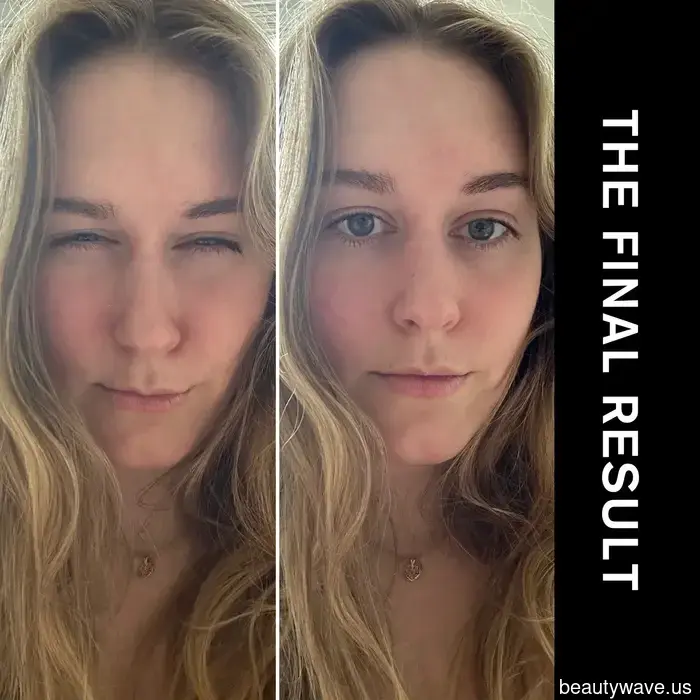
For reference, this is what my forehead looks like after the Dysport has taken effect. As you can see, I can’t furrow my brows as I used to; they are subtly lifted, and my skin appears smooth. Success! Now, I’ll incorporate copper peptides to complement

Other articles
 The Who What Wear editors shared their top 35 fashion discoveries for this month.
Browse the selections.
The Who What Wear editors shared their top 35 fashion discoveries for this month.
Browse the selections.
 Face the Truth: These 8 Bag Trends Went Out of Style in 2025.
A new class is coming.
Face the Truth: These 8 Bag Trends Went Out of Style in 2025.
A new class is coming.
 I never believed that the ideal petite jeans were real—until I tried the best-selling styles from COS.
After many years of experimentation, these are the COS jeans that I would truly suggest for petite women.
I never believed that the ideal petite jeans were real—until I tried the best-selling styles from COS.
After many years of experimentation, these are the COS jeans that I would truly suggest for petite women.
 Cool minimalists swear by this no-makeup game changer for achieving a polished look effortlessly.
Stylish beauty editors and renowned makeup artists share their reliable suggestions. These selections are flake-free, provide all-day wear, and complement a variety of styles, from the slim arches of the '90s to the fuller brows favored by Gen Z.
Cool minimalists swear by this no-makeup game changer for achieving a polished look effortlessly.
Stylish beauty editors and renowned makeup artists share their reliable suggestions. These selections are flake-free, provide all-day wear, and complement a variety of styles, from the slim arches of the '90s to the fuller brows favored by Gen Z.
 First CBK, now Hailey Bieber: The Classic Designer Footwear That Is Experiencing a Resurgence.
Contemporary heirlooms.
First CBK, now Hailey Bieber: The Classic Designer Footwear That Is Experiencing a Resurgence.
Contemporary heirlooms.
 As a mother of two working in NYC, here are the sweater styles I choose to look stylish at the office and beyond…
Adaptable and contemporary selections.
As a mother of two working in NYC, here are the sweater styles I choose to look stylish at the office and beyond…
Adaptable and contemporary selections.
I'm Using Copper Peptides to Improve the Effects of My Botox—Here’s the Reason.
Professionals indicate that copper peptides can enhance skin firmness and smoothness, and even work well alongside neurotoxins such as Botox. Click here for the complete information.