

Are watery eyes ruining your makeup? An ophthalmologist recently shared tips on how to prevent this.
For as long as I can recall, my eyes have always been watery, and I've had a passion for eye makeup. Unfortunately, the two do not mix well. A mere breeze or a sudden change in temperature is enough to make my eyes stream, ruining my makeup. If you're similar to me, you've likely experienced your eye makeup getting spoiled more than once due to those unexpected tears that seem to appear out of nowhere, smudging eyeliner and eyeshadow. I've lost track of how many times a soft, smoky wing has vanished. I struggle with watery eyes throughout the year; however, during the current hay fever season, I've been determined to discover how to prevent my watery eyes from ruining my makeup for good. Therefore, I sought the expertise of Dr. Elizabeth Hawkes, a consultant oculoplastic surgeon and ophthalmologist, to explore the reasons behind watery eyes and how to keep them from affecting my makeup.
What Causes Watery Eyes?
"Blepharitis is the leading cause of dry eyes, which refers to a variety of symptoms such as redness, a gritty feeling, and, ironically, dry eyes as the eye produces extra tears when it is dry," explains Dr. Hawkes. "Various factors can contribute, including allergies, medical conditions, or certain oral medications, but it's advisable to consult an eye specialist or optician, as there are nuanced differences." Blocked Tear Ducts: "If it’s just one eye involved, it might be due to a blocked tear duct. A blockage can cause one eye to water, potentially resulting from trauma to the duct. It can be congenital or an infection-related issue, but it requires thorough evaluation," says Dr. Hawkes. "Eye specialists commonly check whether patients experience watering inside and outside. If eyes water indoors, it indicates a likely blockage. If it’s a blockage, surgery may be necessary, although the level of obstruction determines how invasive the procedure will be," she adds. Dry Eyes: "In cases of blepharitis with associated dry eyes—often referred to as watery eye syndrome—the key treatment is ironically lubricating eye drops, which can be a confusing concept for patients," Dr. Hawkes notes. "This is because the more hydrated the ocular surface, the less likely the lacrimal gland is to produce excessive tears." Eye drops can help to hydrate the eyes and prevent them from overproducing tears. Allergies: "If allergies are the cause, it must be investigated to identify the trigger. Regardless, numerous eye drop options are available to effectively treat different causes," she states.
Can Makeup Make Watery Eyes Worse?
Depending on the source of your watery eyes, makeup may worsen symptoms. "Blepharitis is a common cause that blocks the meibomian glands, specialized glands between the eyelashes that secrete an oily layer of tear film," Dr. Hawkes explains. "Since they open on the waterline, applying eyeliner or mascara can irritate and block these glands,” she advises. “In general, I would recommend avoiding eyeliner on the waterline and opting for products suitable for sensitive skin. Clinique’s commitment to ‘eye safety promise’ is excellent, as their products are rigorously tested for their impact on the ocular surface, which is relatively rare among brands," she suggests. "Exercise caution while applying makeup and ensure proper removal of eye makeup, especially if your eyes are sensitive."
How to Stop Watery Eyes From Ruining Makeup
Preventing watery eyes is crucial in minimizing their impact on eye makeup, and there are several preventive measures you can take to reduce occurrence. Cleanse the Eyes: "Just like a thorough skincare routine is essential for healthy skin before applying makeup, proper cleansing and care of the eyes are vital," emphasizes Dr. Hawkes. "Ophthalmologists refer to this as ‘lid hygiene’—removing debris between the lashes morning and evening is essential for preventing gland blockages," she says. "Optase Life Sensitive Eye Makeup Remover (£10) is excellent because it lacks harsh surfactants that affect the lipid layer of the eyes and effectively removes makeup." Practice Good Makeup Hygiene: "Maintaining good makeup hygiene is essential. This includes removing makeup correctly, cleaning brushes, not keeping mascara for too long, and avoiding expired or dried-out products," she notes. Typically, you should replace mascara every 3-6 months, cream eyeshadows every 12-18 months, and powder eyeshadows every 1-2 years. As a general guideline, cream formulations tend to expire faster, so regularly check the expiration dates on your products. Also, ensure that you wash your makeup brushes frequently. Opt for Cream Eye Makeup: While Dr. Hawkes doesn't specify any particular ingredients to avoid, she prefers cream over powder formulas. "Specific makeup ingredients aren't as critical; however, I always recommend cream-based eyeshadows and makeup, as powder particles can enter the eye and cause irritation," she says. Eye Makeup to


Otros artículos
 Aquí está: El guardarropa de verano ideal de 10 piezas para 2026
Solo los esenciales más elegantes.
¿Ojos llorosos arruinando tu maquillaje? Un oftalmólogo me acaba de decir cómo detenerlo.
Adiós, ojos llorosos.
Aquí está: El guardarropa de verano ideal de 10 piezas para 2026
Solo los esenciales más elegantes.
¿Ojos llorosos arruinando tu maquillaje? Un oftalmólogo me acaba de decir cómo detenerlo.
Adiós, ojos llorosos.
 Soy estilista personal—Estos son los 5 estilos de pantalones que no son holgados a los que sigo recurriendo.
FYI: Los estilos que se ajustan al cuerpo están de moda.
Soy estilista personal—Estos son los 5 estilos de pantalones que no son holgados a los que sigo recurriendo.
FYI: Los estilos que se ajustan al cuerpo están de moda.
 Estoy comprando para la primavera en NYC—Aquí está lo que tengo en mis carritos en Revolve, Zara y H&M
Camisas de botones, capris, vestidos midi y más.
Estoy comprando para la primavera en NYC—Aquí está lo que tengo en mis carritos en Revolve, Zara y H&M
Camisas de botones, capris, vestidos midi y más.
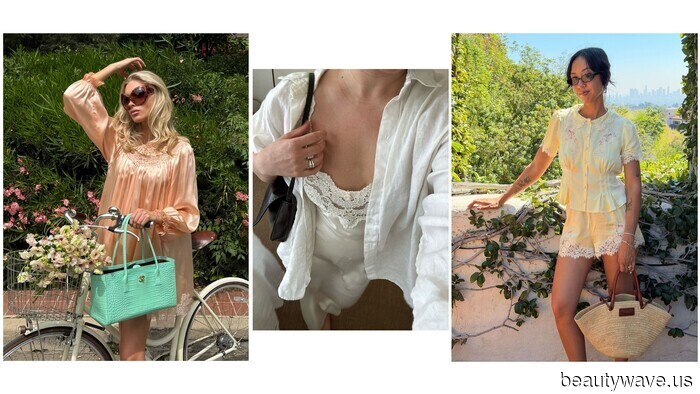 De Londres a L.A., esta bonita tendencia está dominando entre las mujeres mejor vestidas en la moda.
Desde faldas hasta vestidos de tirantes, la moda con encaje está en tendencia. Estamos compartiendo las mejores piezas con encaje para comprar en primavera y verano de 2026.
De Londres a L.A., esta bonita tendencia está dominando entre las mujeres mejor vestidas en la moda.
Desde faldas hasta vestidos de tirantes, la moda con encaje está en tendencia. Estamos compartiendo las mejores piezas con encaje para comprar en primavera y verano de 2026.
 No París, No NYC—Los Mejores Atuendos de Celebridades de Tokio Están Estableciendo la Nueva Agenda de Estilo
Desde Hailey Bieber hasta Dua Lipa, estos atuendos de celebridades en Tokio están marcando la pauta para las tendencias de estilo de 2026.
No París, No NYC—Los Mejores Atuendos de Celebridades de Tokio Están Estableciendo la Nueva Agenda de Estilo
Desde Hailey Bieber hasta Dua Lipa, estos atuendos de celebridades en Tokio están marcando la pauta para las tendencias de estilo de 2026.
Are watery eyes ruining your makeup? An ophthalmologist recently shared tips on how to prevent this.
Goodbye, tearful eyes.