
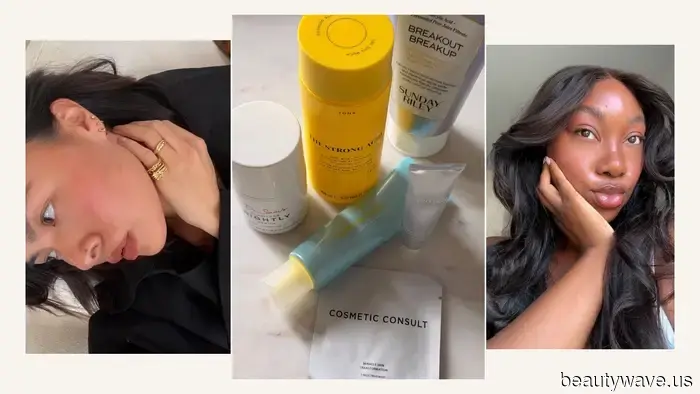
Milia Are More Prevalent Than You Realize—Here’s the Correct Way to Treat Them
If you’ve ever seen a small white bump stubbornly resting beneath the skin—most commonly found around the eyes, cheeks, or forehead—you may have encountered milia. Unlike acne, blackheads, or clogged pores, these little bumps typically don’t respond to conventional pimple treatments and cannot be easily squeezed out. In fact, trying to do so can often result in more problems than solutions. While milia are harmless, they are a frequent skincare concern raised with me as an esthetician. Their persistence can be frustrating, especially when they remain unchanged for months or even years. Many people mistakenly identify milia as whiteheads or clogged pores, which leads them to use ineffective products. The good news is that milia are very common and can often be prevented or improved with proper skincare methods. The first step is understanding their origins. Factors such as the rate of skin cell turnover, product selection, and individual skin traits all contribute to the likelihood of developing milia. To clarify what milia are, why some individuals are more prone to them, and the best approaches for treatment and prevention, we consulted dermatologist Sonia Khorana. Below, you'll find essential information about these persistent bumps and the ingredients and treatments that can help keep them at bay.
What Are Milia? According to Khorana, "Milia are small, white or yellowish bumps that develop when keratin becomes trapped beneath the skin’s surface. They are harmless and commonly found around the eyes and cheeks." While they are frequently confused with whiteheads, milia are actually tiny cysts filled with keratin, a protein that naturally exists in skin, hair, and nails. Unlike acne, they don’t occur due to excess oil or bacteria, which is why standard spot treatments often have no effect. Milia can manifest at any age and are most apparent in delicate facial areas where the skin is thinner. Although they don't pose a health risk, many people decide to treat them for aesthetic reasons.
What Causes Milia? Khorana explains, "Milia develop when dead skin cells and keratin become trapped beneath the surface of the skin. They can arise naturally or be linked to skin damage, heavy occlusive products, or reduced skin cell turnover." Essentially, when the skin fails to shed dead cells properly, they may become trapped below the surface and harden into the small cysts recognized as milia. Genetics may also be a contributing factor. "Some individuals seem inherently more susceptible to milia due to differences in their skin and how it sheds dead skin cells," she notes. "They might also be more prone to develop them if they use richer skincare products or have skin that renews itself more slowly." This explains why some can use thick eye creams for years without issue, while others may develop milia seemingly overnight.
How to Get Rid of Milia The most effective long-term strategy is to foster healthy skin cell turnover. "Ingredients that promote skin cell turnover can help minimize the appearance of milia over time—retinoids and gentle exfoliating acids, like lactic acid or PHAs, encourage the skin to shed dead cells more efficiently," Khorana advises. Prevention is equally crucial. She recommends avoiding "very heavy or occlusive skincare products, particularly around the eyes," and cautions against picking or squeezing milia, which can irritate the skin and heighten the risk of scarring. For milia that refuse to budge, professional extraction is usually the quickest fix. "A dermatologist or trained therapist can remove milia using a sterile needle or small blade to create a tiny incision in the skin before extracting the trapped keratin," she explains. "The procedure is quick and causes minimal discomfort."
Best Products for Milia
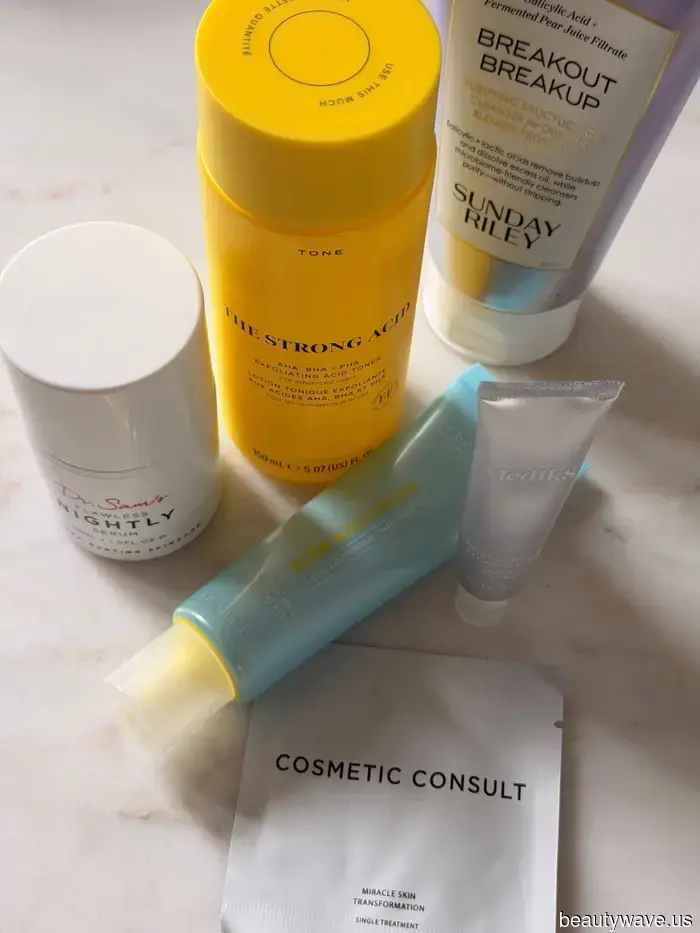
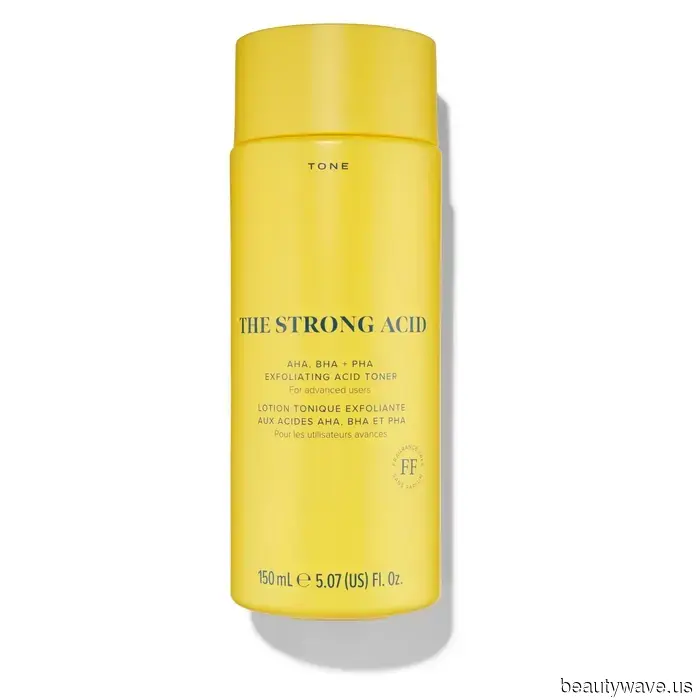
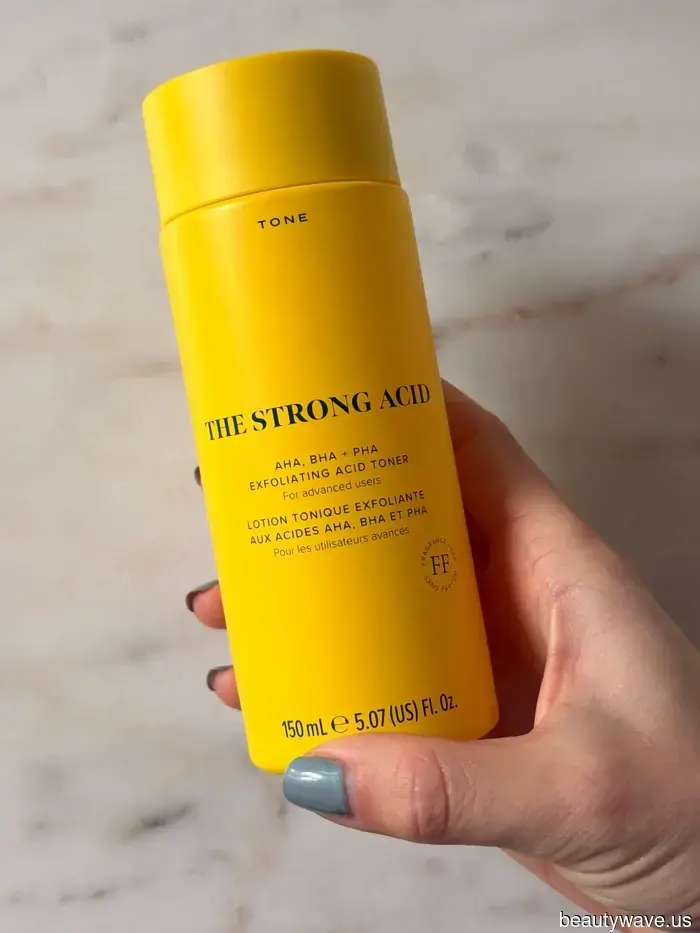
Best Overall: Skin Rocks The Strong Acid
This powerful toner combines exfoliating acids such as glycolic, lactic, and salicylic acid to help dissolve the accumulation of dead skin cells that can lead to trapped keratin beneath the surface. It works on multiple levels to facilitate smoother skin turnover, making it especially effective for those susceptible to recurring milia while also refining texture and enhancing overall radiance. However, be aware that it is strong and should be used in moderation, especially around the sensitive eye area.
Pros: Effective for stubborn milia, draws upon the benefits of multiple active ingredients
Cons: High price point, not suitable for sensitive skin
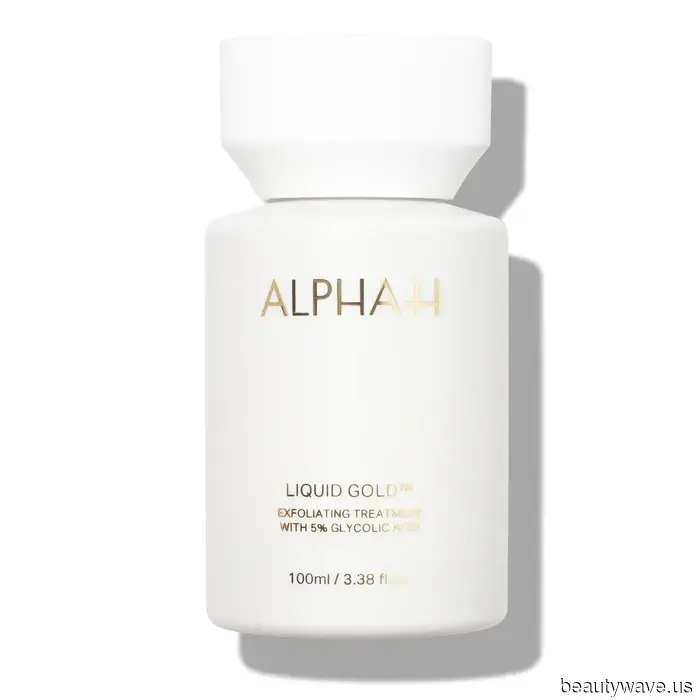
Best Toner: Alpha-H Liquid Gold
Alpha-H Liquid Gold is well-regarded for its effectiveness. Fueled by glycolic acid, it accelerates skin cell turnover, helping the skin shed dead cells more efficiently before they can become trapped and promote milia formation. With regular use, skin appears smoother, brighter, and more even, making it a great choice for both addressing existing milia and preventing new ones. Again, caution is advised around the delicate eye area.
Pros: Powerful and fast-acting formula
Cons: Not suitable for sensitive skin
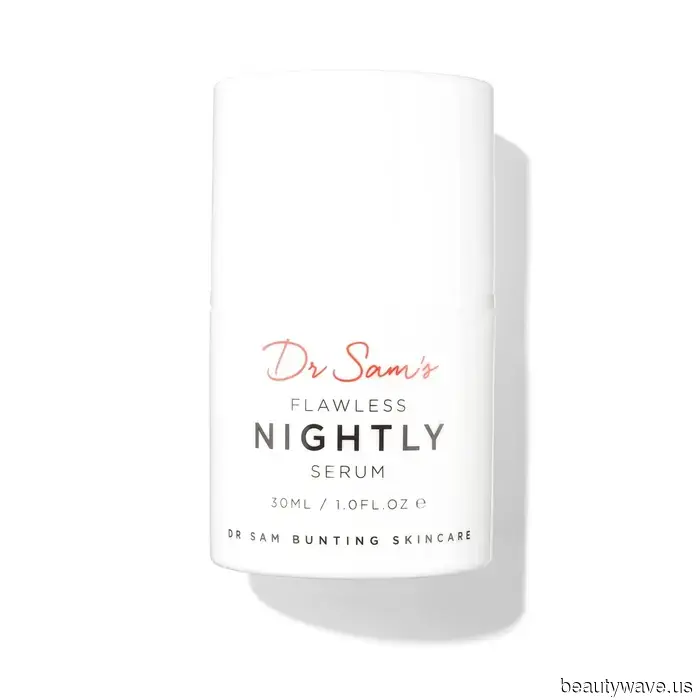
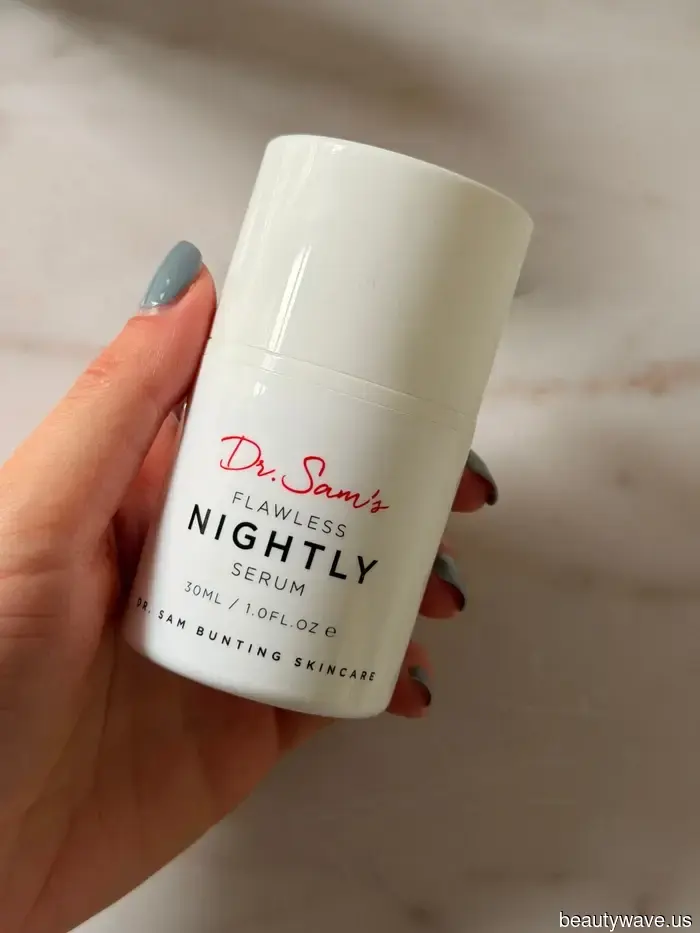
Best Serum: Dr.


Другие статьи
 Правильный способ стилизовать футбольную футболку
Не хотите выглядеть как все остальные футбольные суперфаны этим летом во время Чемпионата мира? Вот четыре модных способа стилизовать футбольные футболки.
Правильный способ стилизовать футбольную футболку
Не хотите выглядеть как все остальные футбольные суперфаны этим летом во время Чемпионата мира? Вот четыре модных способа стилизовать футбольные футболки.
 Правильный способ стилизовать футбольную футболку
Не хотите выглядеть как все остальные футбольные суперфаны этим летом во время чемпионата мира? Вот четыре модных способа стилизовать футбольные футболки.
Правильный способ стилизовать футбольную футболку
Не хотите выглядеть как все остальные футбольные суперфаны этим летом во время чемпионата мира? Вот четыре модных способа стилизовать футбольные футболки.
 Рассматриваете стрижку боб? Эта сдержанная стрижка считается самой стильной стрижкой лета.
Коротко и стильно.
Рассматриваете стрижку боб? Эта сдержанная стрижка считается самой стильной стрижкой лета.
Коротко и стильно.
 Этот деним, тренд футболок и тренд сандалий, носимые вместе, придадут вам стиль 2026 года.
Точно так же, как Тейт МаКрэй.
Этот деним, тренд футболок и тренд сандалий, носимые вместе, придадут вам стиль 2026 года.
Точно так же, как Тейт МаКрэй.
 Этот деним, тренд футболок и тренд сандалий, носимые вместе, придадут вам стиль 2026 года.
Просто как Тейт Макай.
Этот деним, тренд футболок и тренд сандалий, носимые вместе, придадут вам стиль 2026 года.
Просто как Тейт Макай.
 Не капри: стильные модницы носят этот тренд брюк с этим базовым элементом, и есть большая вероятность, что он уже есть у вас в гардеробе…
И есть большая вероятность, что они уже есть у вас.
Не капри: стильные модницы носят этот тренд брюк с этим базовым элементом, и есть большая вероятность, что он уже есть у вас в гардеробе…
И есть большая вероятность, что они уже есть у вас.
Milia Are More Prevalent Than You Realize—Here’s the Correct Way to Treat Them
Milia 101.