

Relaxing anti-stress massage to relieve stress and tension — techniques, procedures and prices
Massage to relieve stress — how a relaxing anti-stress massage works, what types exist, indications and contraindications. How to prepare for a massage and how often you can have one. We explain in this article.
Massage to relieve stress: which types really work?
Stress has long become an integral part of modern life. High workloads, a fast pace, information overload and emotional burnout inevitably affect a person’s well-being. This leads to chronic fatigue, muscle tension, sleep problems, reduced energy and quality of life. One of the most effective ways to restore balance is professional massage, which in clinics, spas and specialized programs is a proven method of relaxation and relief.
Below is a detailed and structured exploration of how massage helps relieve stress, which techniques work best and how to get the maximum result from a session.
Why stress occurs
1. Physiological causes
Stress is the body’s defensive reaction to external stimuli. When psycho-emotional load increases, the hormones adrenaline and cortisol are released into the blood. Short-term exposure is useful: the body mobilizes, body temperature may rise slightly, which helps cope with difficult tasks. But prolonged elevation of cortisol leads to:
- constant muscle tightness in the neck, shoulders and back;
- impaired blood circulation and lymph flow;
- worsened sleep and the appearance of insomnia;
- decreased concentration;
- increased anxiety.
2. Psychological factors
Emotional tension, an endless stream of tasks, high expectations, social pressure and anxious thoughts create a powerful load on the nervous system. The brain remains in a state of "combat readiness" for a long time, which causes exhaustion and increases the risk of acute emotional reactions.
How massage helps relieve stress: physiology and psychology
Physiological effect
A professional massage therapist works on soft tissues and muscles, improving circulation and relaxing the body. Main effects:
- Reduction of cortisol levels. Already after 30–60 minutes of massage its levels decrease by 20–30%.
- Increase in relaxation hormones: endorphins, oxytocin and serotonin, which is important for stabilizing emotional state.
- Improved blood circulation and lymphatic drainage — thanks to this tissues are oxygenated and recover faster.
- Normalization of the nervous system — the body stops being in a state of overstrain.
Psychological effect
- restores a sense of safety and comfort;
- enables relaxation throughout the session;
- reduces levels of anxiety and emotional stress;
- balances nervous system activity.
Which massage techniques are best suited to relieve stress
Classic relaxing massage
Suitable for most clients and helps gently work through the muscles of the arms, legs and back, improve blood flow and relieve tension. This is a basic course recommended even in cases of mild tension.
Anti-stress massage
Consists of slow and deep movements aimed at restoring breathing and energetic balance. It is especially effective before demanding workloads or important events.
Aromatherapy massage
A combination of massage techniques and essential oils enhances relaxation. Aromatherapy with lavender, sandalwood and bergamot helps calm the nervous system and improve skin condition.
Head, neck and shoulder massage
This area is the "center" where tension accumulates. Working on the head, neck and upper back reduces headaches, improves microcirculation, helps relax and restore concentration.
Lymphatic drainage massage
Ideal for swelling, fatigue, decreased tone or inflammatory processes. Helps in cases of prolonged stress, improves metabolism.
Traditional techniques
- Thai massage — deep pressures and stretches.
- Balinese — gentle meditative movements.
- Stone therapy — warming with warm stones, which enables deep relaxation.
Who benefits most and when
- People with high levels of work-related stress.
- Those experiencing chronic fatigue, sleep disturbances or concentration problems.
- People with a sedentary lifestyle.
- Those with constant tension in the neck, back and shoulders.
- Athletes — for prevention of overstrain.
- Men and women with emotional exhaustion.
- Children — in certain cases and on a doctor’s recommendation, if there are no contraindications.
How to choose a therapist and a spa facility
What to look for
- Practitioner qualifications: education, licenses, experience.
- Safety conditions: hygiene, sterile materials, safe care.
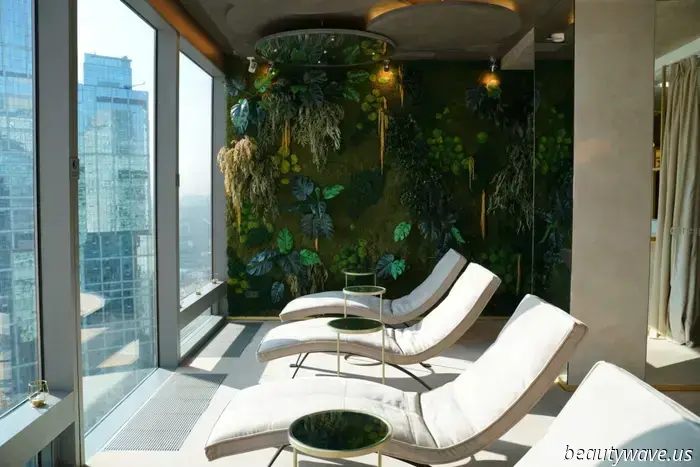
- Atmosphere: a comfortable center, relaxing environment, aesthetic surroundings.
- Individual approach: the therapist should take into account the client’s condition, existing illnesses and contraindications.
There are many professional facilities in Moscow. For example, when choosing a suitable place you can consider respace relax & spa centers in Moscow-City (https://respace.su/), which pay attention to atmosphere, comfort and quality of treatments, and also offer special programs and promotions.
How to prepare for a massage
- Do not eat heavy meals 1–1.5 hours before.
- Drink water — this is important to enhance the effect.
- Inform the therapist about illnesses and health specifics.
- Turn off notifications, set yourself to a calm rhythm.
- Choose loose clothing.
What to do after a massage
- Avoid sudden exertion and give your body time to recover.
- Drink water to help flush out toxins.
- Allow yourself some rest or a walk.
- Drowsiness is a normal bodily reaction.
- Note your sensations — this will help choose the ideal type of massage next time.
Regularity and prevention
Regular sessions are the foundation of a comprehensive approach to wellness:
- Once a week — with a high level of stress.
- Once every 10–14 days — to maintain tone.
- Once a month — prevention and general maintenance.
Consistent practice helps reduce anxiety, strengthen the nervous system and improve quality of life.
Conclusion
Massage is a safe and effective method for restoring physical and emotional balance. It improves mood, helps cope with overloads, increases energy and promotes bodily harmony. With the right choice of therapist, consideration of each client’s specifics and adherence to recommendations, massage becomes a powerful tool for health, relaxation and beauty.
https://respace.su/



Other articles
 The 27th "GRACE" Awards ceremony
On November 19, 2025, at one of Moscow’s best venues—where many entertainment events are held—in the historic center of Moscow, at the Svetly restaurant, the 27th ceremony of the "GRACE" Awards took place, which is rightfully considered the most prestigious international award in the field of beauty and health, a recognized mark of quality for companies operating in the beauty & health sector, akin to the legendary "Oscar" in the world…
 Premium children's textile brand BUBA KIDS is expanding its product range.
Premium children's textile brand BUBA KIDS is expanding its range of flannel swaddles and cloths: in the new season the brand's designers have transferred the most popular prints from the "North-West" and "Far East" collections onto soft flannel. These patterns, inspired by the nature of Russia, have already been loved by our customers. Practical and cozy swaddles and cloths with an especially soft nap — for maximum comfort and gentle warmth.…
Premium children's textile brand BUBA KIDS is expanding its product range.
Premium children's textile brand BUBA KIDS is expanding its range of flannel swaddles and cloths: in the new season the brand's designers have transferred the most popular prints from the "North-West" and "Far East" collections onto soft flannel. These patterns, inspired by the nature of Russia, have already been loved by our customers. Practical and cozy swaddles and cloths with an especially soft nap — for maximum comfort and gentle warmth.…
 Alina Popovich: "Treating people is not just a job; it is a way of life."
Psychiatrist and psychotherapist, hypnotherapist, a doctor at the P.P. Kashchenko Hospital, and author of the popular blog "The Psychiatrist from Kashchenko," Alina Popovich spoke about how to maintain mental health in the age of social media, how to distinguish fatigue from burnout, and why self-care is not a luxury but a necessity. Alina, tell us what influenced your choice of profession? I grew up in a medical family. My first inspiration…
Relaxing anti-stress massage to relieve stress and tension — techniques, procedures and prices
Massage for stress relief — how a relaxing anti-stress massage works, what types there are, indications and contraindications. How to prepare for a massage and how often it can be done. We explain this in the article. Massage for stress relief: which types actually work? Stress has long become an integral part of modern life. High workloads, a fast pace, information overload and emotional burnout inevitably affect…