
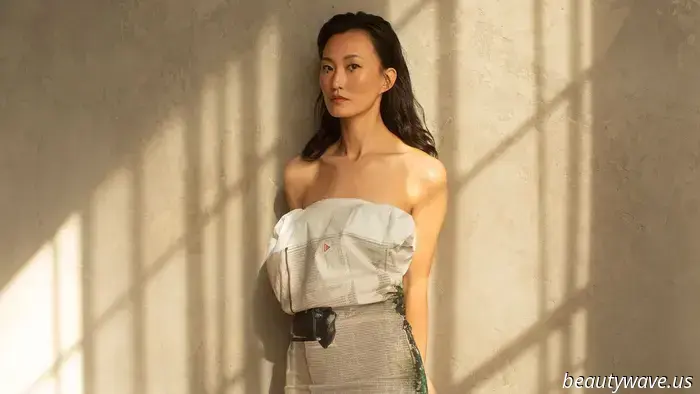
In Discussion with Emerging Hollywood Talent Mari Yamamoto
In Hikari's touching film Rental Family, which centers on an American actor who takes on an unconventional job with a Japanese agency to portray stand-in roles for strangers, Mari Yamamoto plays a woman whose relationship with her work extends well beyond mere transactions. She genuinely cares about the individuals she assists. During a Zoom call in late November, the Japanese actress highlights the significance of the word "care," noting it as a recurring theme in her roles, often being cast as the character who cares the most. As someone who describes herself as sensitive and deeply emotional, it feels natural that she is attracted to such characters.
Yamamoto's journey to acting has been marked by many creative diversions. Initially, she aspired to become a violinist, performing both solo and in orchestras. She also had a brief period in a high school rock band. After college, she worked as an editor for one of her favorite Japanese culture magazines, but the demanding schedule eventually led to burnout, followed by a short time in creative advertising. It was during this hectic phase that she found solace in watching movies and television late at night, developing a passion for cinema. However, pursuing acting didn't enter her mind until she saw Sandra Oh in Grey's Anatomy. Motivated by the representation of Asians in American entertainment and weary of corporate life, she moved to New York City to study acting at the renowned Lee Strasberg Theatre & Film Institute. While there, she appeared in several off-Broadway productions before returning to Japan. Once back home, she encountered American journalist Jake Adelstein and resumed writing, focusing on politics and social issues for The Daily Beast for six years. When Adelstein’s book, Tokyo Vice, was adapted into an HBO series, he invited her back to New York to join the writer's room. Shortly thereafter, her on-screen career began to flourish with roles in consecutive Apple TV+ series, Pachinko and Monarch: Legacy of Monsters.
Currently, as she accumulates significant credits and advances her personal projects, Yamamoto's career is firmly positioned at the crossroads of writing and acting. At her core, she is a storyteller, putting care into her performances as well as in her writing, establishing herself as a talent to watch.
Rental Family is co-written and directed by the Japanese filmmaker Hikari, who you regard as a personal icon. Can you share your experience collaborating with her?
I've admired Hikari for quite some time. I've seen all her work, and when I watched her debut feature, 37 Seconds, I thought, "This is the future of Japanese cinema." She operates in the U.S., but we need someone like her who understands Japan both internally and externally to portray it authentically. I was really looking forward to this opportunity.
I received the script a month after my father passed away, so it was quite uplifting to get a script from her and have a chance to be considered by her. However, it was the script's strong themes of fatherhood that truly resonated with me. It felt like a sign from my father saying, "You're going to find love. Don't worry. You will find people who care." I instantly fell in love with the script and the character, thinking, "I have to be part of this." It was just before the strikes involving writers and actors began, so the auditioning process lasted about seven months with numerous stops and starts, but ultimately, I got the part. It was an incredible experience.
I love that you received it at such a meaningful time. Before this project, how familiar were you with the concept of rental families in Japan, and what was your initial impression?
I think my reaction was similar to that of many people: "What? What is that?" There was a New Yorker article that went viral around ten years ago, so I had some familiarity with the idea, which frequently appears in Japanese media that I read to keep informed. I was aware of this individual on Twitter who refers to himself as "the guy who does nothing," renting himself out for about $100 a day. He would come by and engage in minimal conversation, doing what you wanted. This individual gained significant attention and even landed a book deal and a TV show based on him, so I was quite familiar with the rent-a-person idea.
I've noticed that renting a grandmother is quite popular, as is renting a middle-aged man, since surprisingly, teenage girls seek father figures. Their real fathers often work long hours in Japan and are seldom available, so they prefer to rent a middle-aged man for wise life advice. I found that both heartbreaking and tender.
Did you consult with anyone from a rental agency to gain a better understanding of Aiko and the nature of this work?
Takehiro [Hira], who plays my boss in the film, and I visited a company offering rent-a-person services. They refer to themselves as the All-Women Handyman Company, which is intriguing since they do not label themselves as a
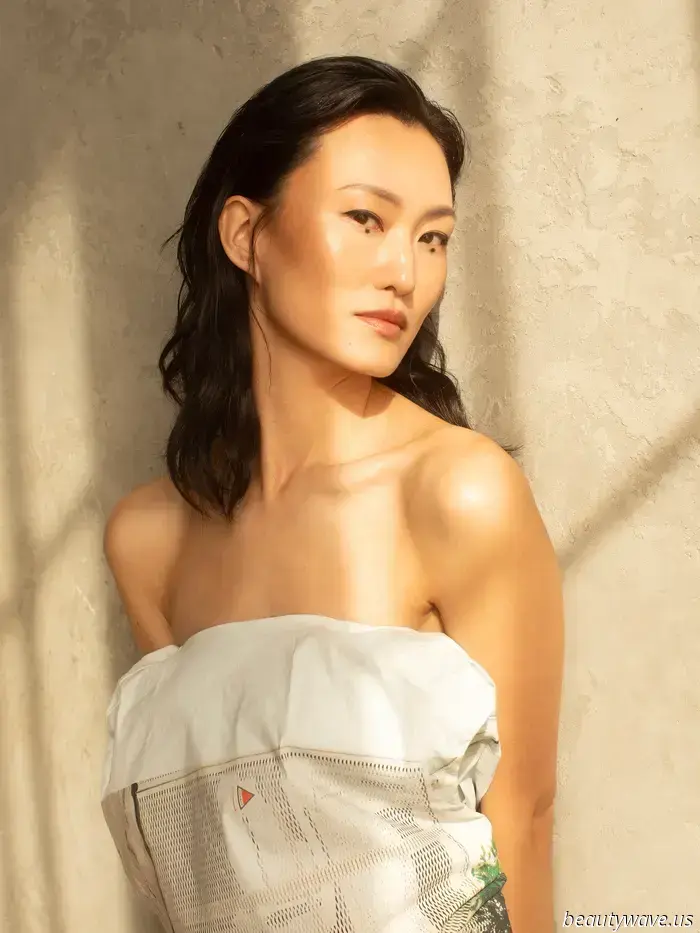
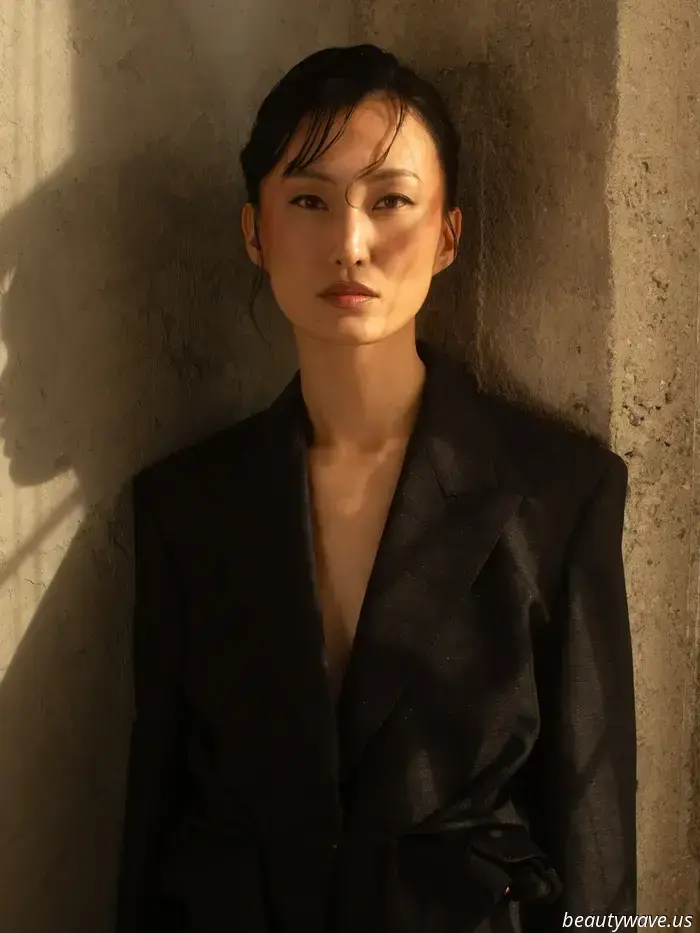
In Discussion with Emerging Hollywood Talent Mari Yamamoto
We chatted with up-and-coming actress Mari Yamamoto about her character in the touching movie Rental Family, collaborating with her Hollywood heroes, and creating her own parts.