
Accessible and Aspirational Beauty Is the Future—an Amputee and Model Highlights Brands That Are Leading the Way
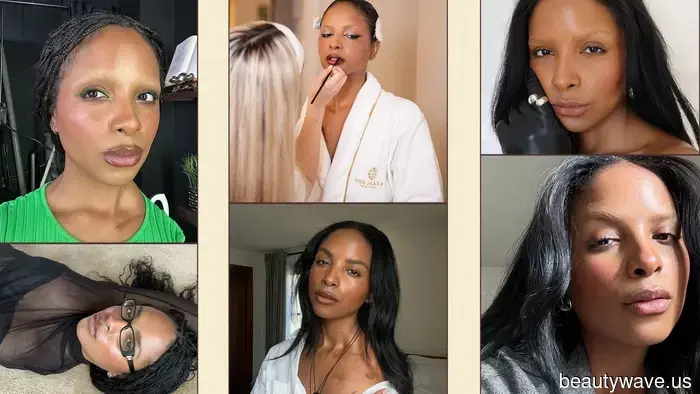
As recently as 1974, possessing visual differences was considered a crime. Known as "unsightly beggar ordinances" and later labeled "ugly laws," these disturbing rules criminalized individuals with disabilities for being visible in public. They risked fines and arrests merely for displaying any form of visible impairment. This starkly contrasts with Disability Pride Month, which celebrates individuality. This societal shift is one reason Maya Moore—an amputee, model, and advocate for disability rights—refuses to conceal herself. "If there aren't clothing options for disabled individuals or beauty products that we, as a society, deem 'essential' for feeling confident in public, it reflects our views on the place of people with disabilities," she explains to Who What Wear. Fashion and beauty are pivotal in challenging societal norms, and Moore promotes these changes in both subtle and overt ways. She dresses to highlight her disability, offers abundant style inspiration through her vibrant social media presence, stars in numerous fashion and beauty campaigns, and collaborates with various brands on inclusive marketing strategies, hoping to help individuals with disabilities find representation in an industry that frequently equates "chic" with being white, thin, and able-bodied.
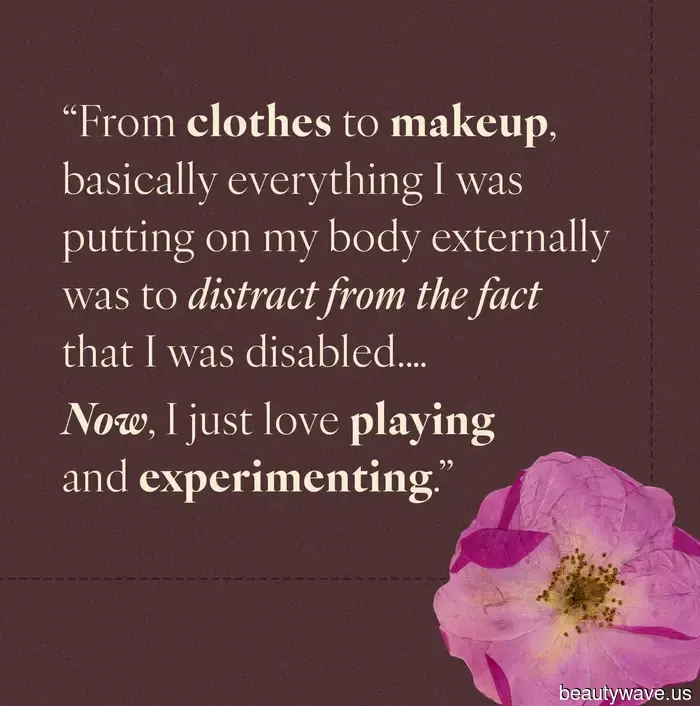
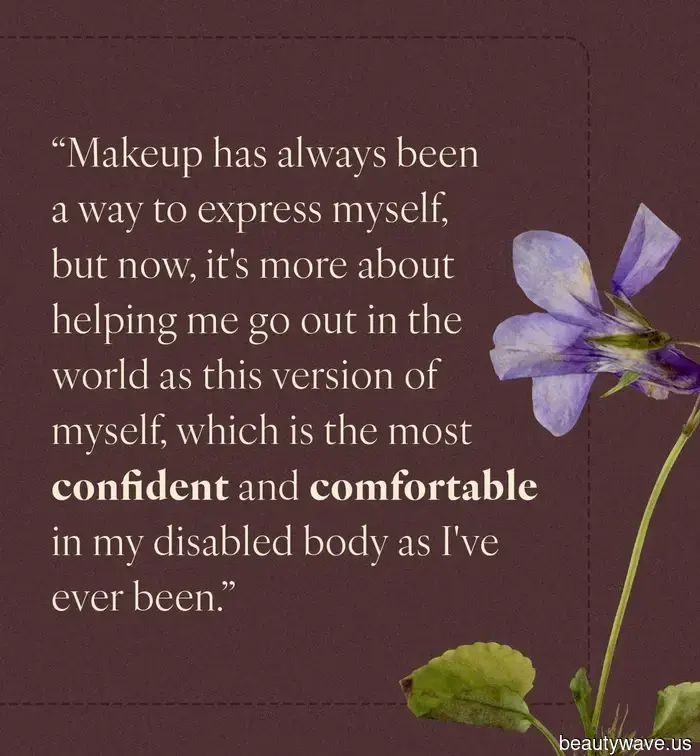
Embracing public perception has not always been straightforward for her. "After my amputation, when I wore a prosthetic arm, I was in a phase where I wanted to hide," she recalls. "From clothing to makeup, everything I applied externally was aimed at distracting from my disability." Today, beauty has transformed into a form of unapologetic self-expression for her. Whether she adorns her scars with rhinestones or diligently protects them with sunscreen, Moore embraces this version of herself—a version she describes as feeling "the most confident and comfortable in [her] disabled body as [she’s] ever been."
When asked about her evolving relationship with beauty, she acknowledges, "As a millennial, I once succumbed to heavy makeup." She reflects on how her journey has aligned with her self-image, noting that she originally used heavier makeup to mask her true self rather than enjoy it. Now, she feels liberated, donning fun makeup without fear or anxiety about going out bare-faced or with minimal products. "In high school, I wouldn't leave the house without a full face of concealer, foundation, blue eyeshadow, and mascara, but now I enjoy experimenting with different looks." As she embraces her identity as a Black, queer, disabled woman, she has focused more on comfort and self-expression.
Moore believes beauty plays a significant role in helping people feel seen. "Beauty showcases our diversity as a community," she asserts. "We are often pigeonholed into a narrow category; however, we have a range of tastes, interests, and styles just like everyone else. Beauty expresses who we are to the world.” She adds that while some might dismiss beauty as trivial, it is essential to remember the history of disability. "Until the '70s, disabled individuals faced numerous barriers in public spaces. Without accessible beauty products, it becomes challenging for disabled people to engage in social activities, which are fundamental to a fulfilling life."
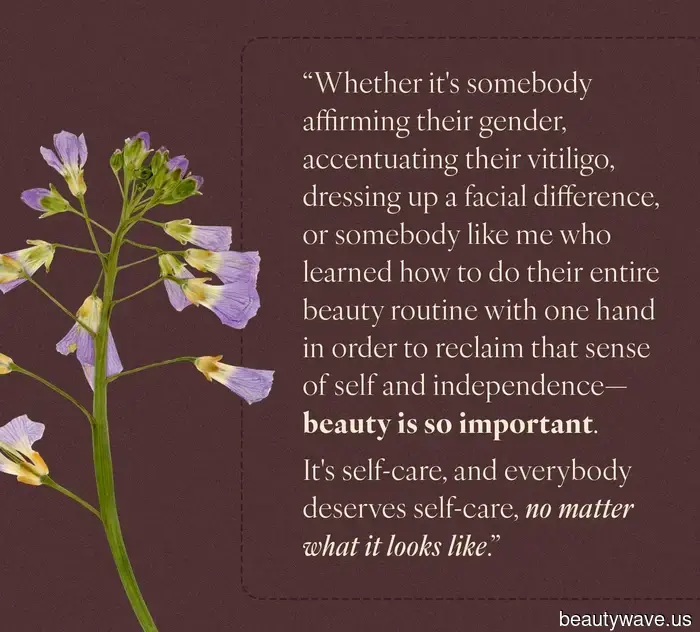
People who view beauty as superficial may not recognize its importance for those affirming their gender or enhancing features that allow them to feel beautiful. Moore believes beauty can be a powerful means of self-care. "Everyone deserves self-care, regardless of what it looks like. It might be as simple as applying moisturizer or as elaborate as a full makeup routine. Access and representation in beauty matter greatly."
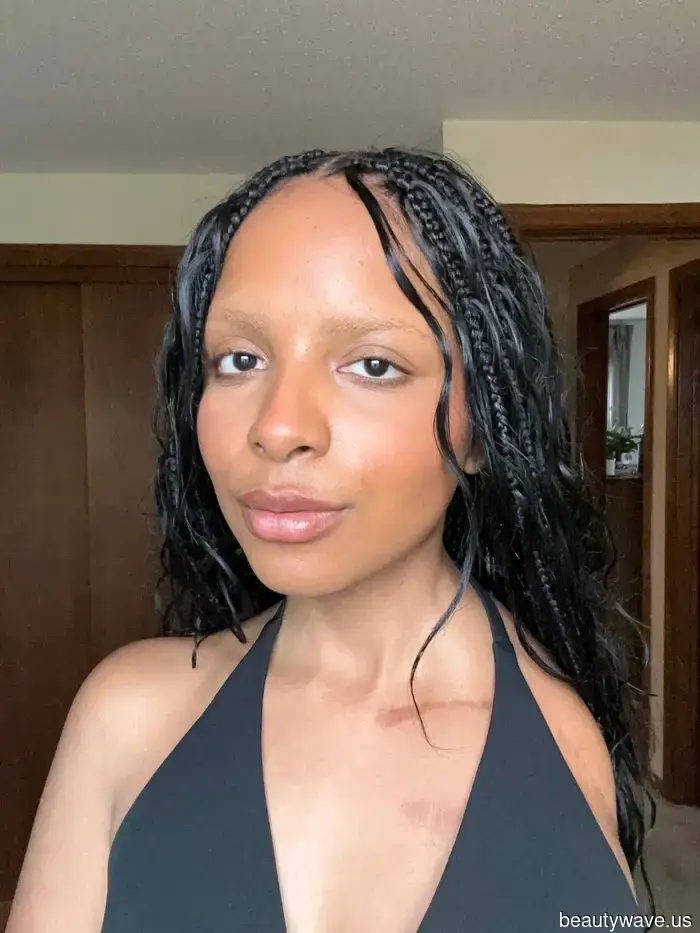
Regarding her own approach to beauty, she highlights a photoshoot experience that marked a shift. "After the COVID-19 lockdown, I experimented with not wearing my prosthetic arm in public and adjusted my clothing to suit my body as an amputee." During a home photo shoot, she decorated her amputation scar with rhinestones and body glitter, reveling in creativity she had previously hidden. "That experience influenced my self-perception positively."
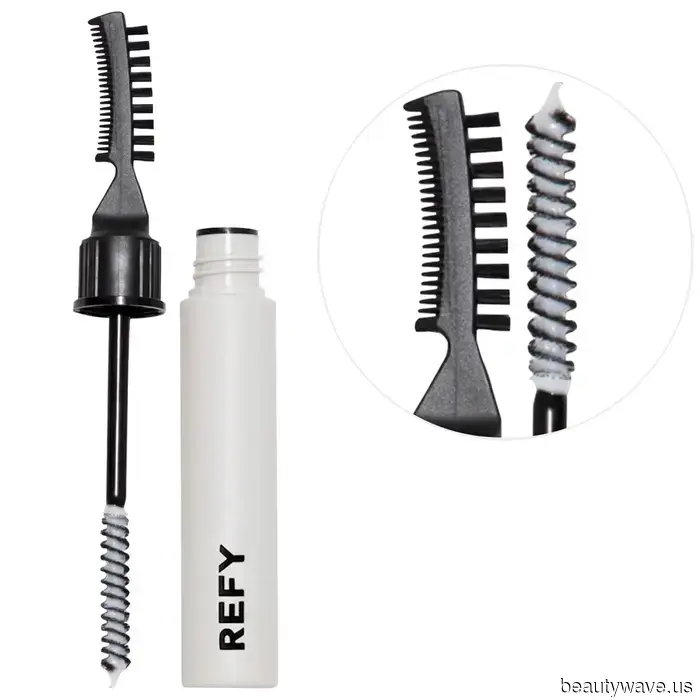
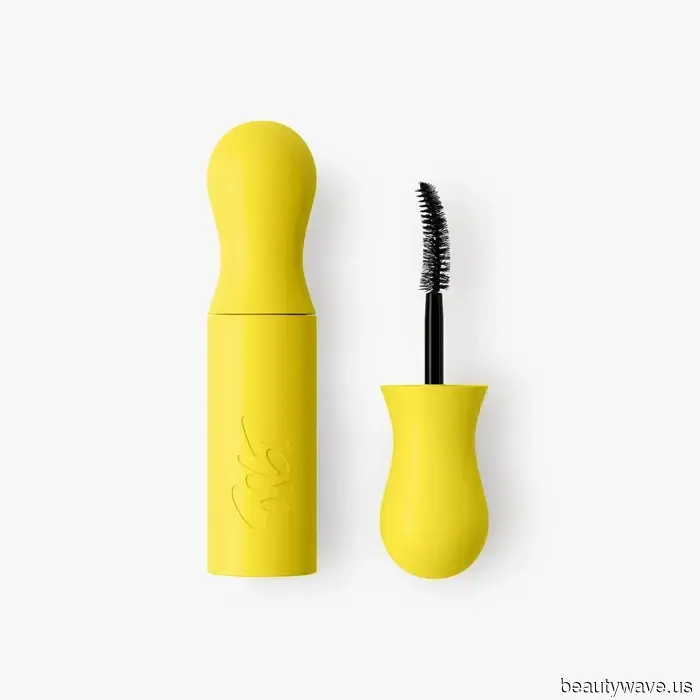
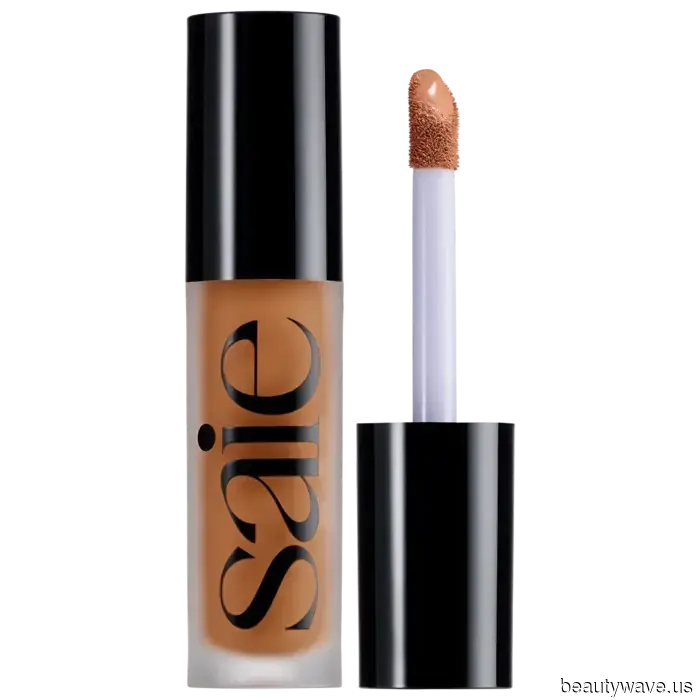
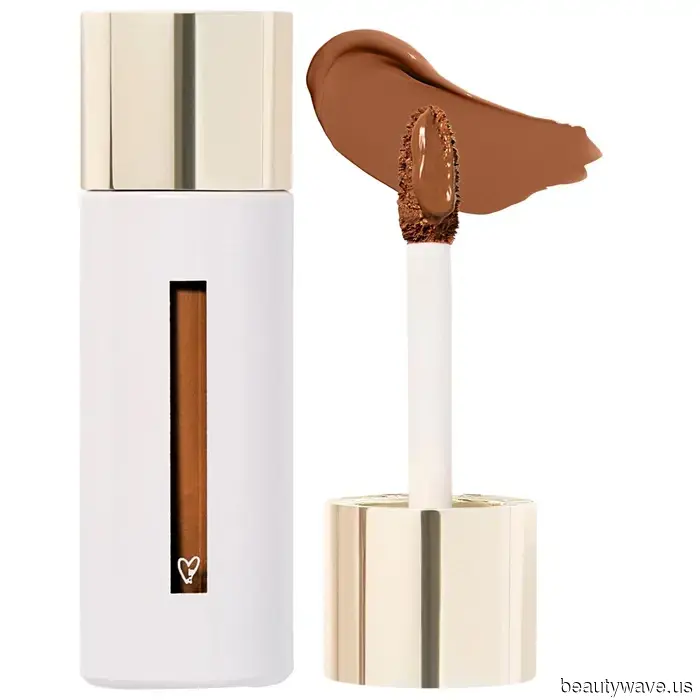
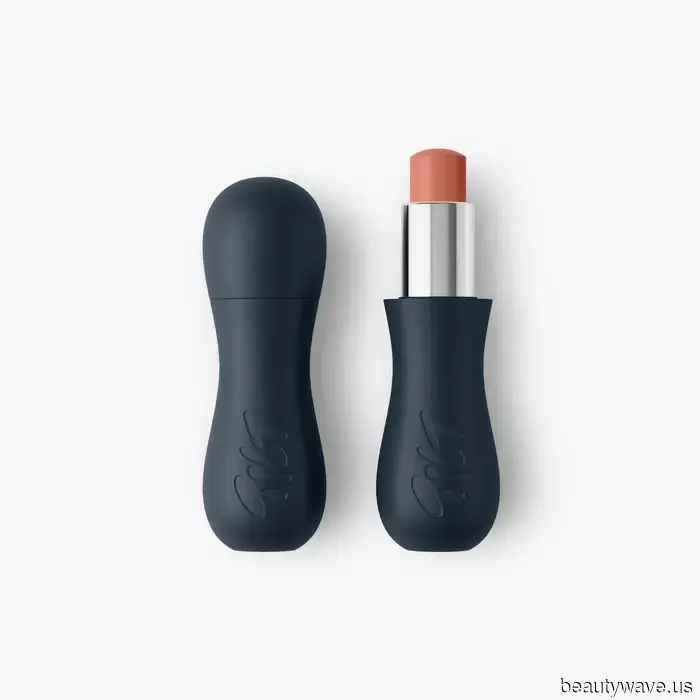
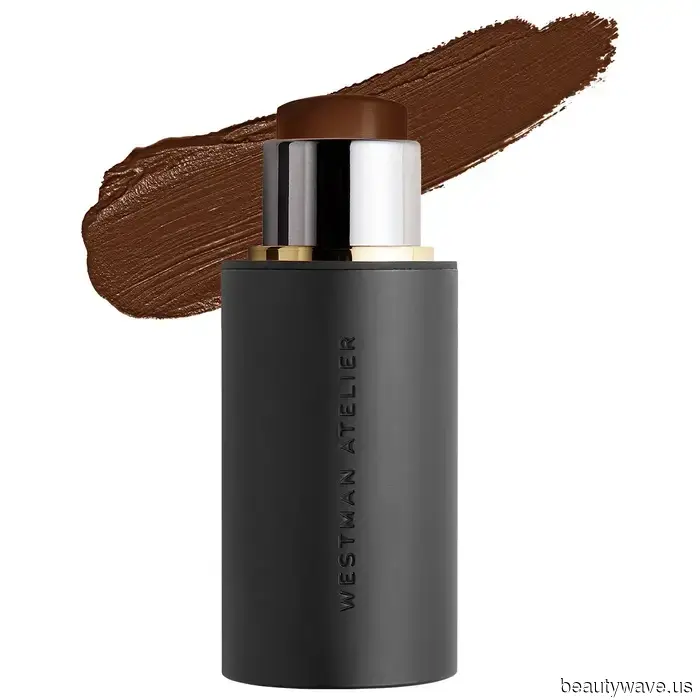
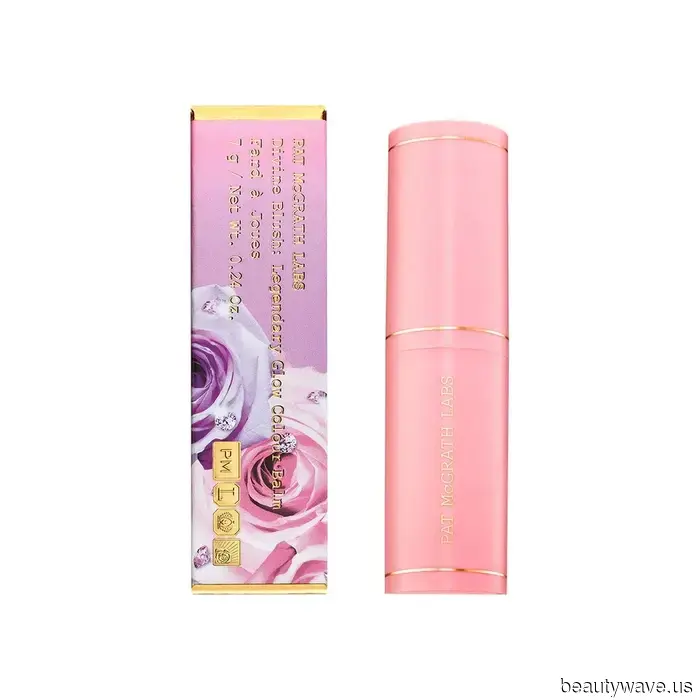
She describes her beauty routine for events, revealing how she recently bleached her brows after struggling with insecurities following chemotherapy. "I use Refy's Brow Sculpt to keep them styled and highlight them. I adore Tilt's LashScape mascara for beautiful lashes. My summer focus is on dewy, glowing skin, leveraging products that work well with humidity, especially in New York. I particularly appreciate Saie’s concealer, Westman Atelier’s products, and Pat McGrath’s blush sticks."
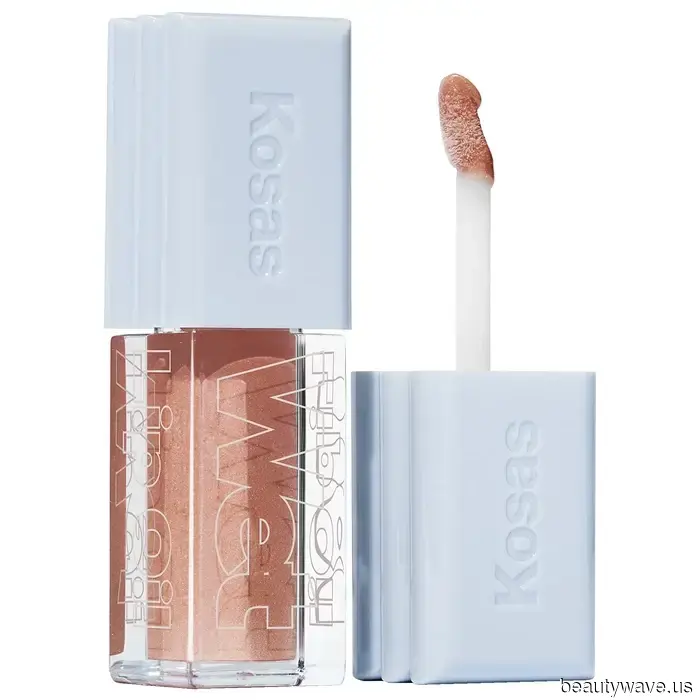
Moore also points out accessible beauty products that might not be specifically marketed as such, like Kosas lip oil, which is easy to open, and Merit’s foundation stick. She champions brands like Westman Atelier, which features magnetic caps, as exemplary in accessibility.
She concludes that the beauty industry still has room for improvement in representation and innovation. "Representation is crucial for advancing visibility for disabilities. Seeing disabled people in advertising influences how we view and interact with them in real life," Moore emphasizes. Additionally, she believes innovation is essential
Other articles
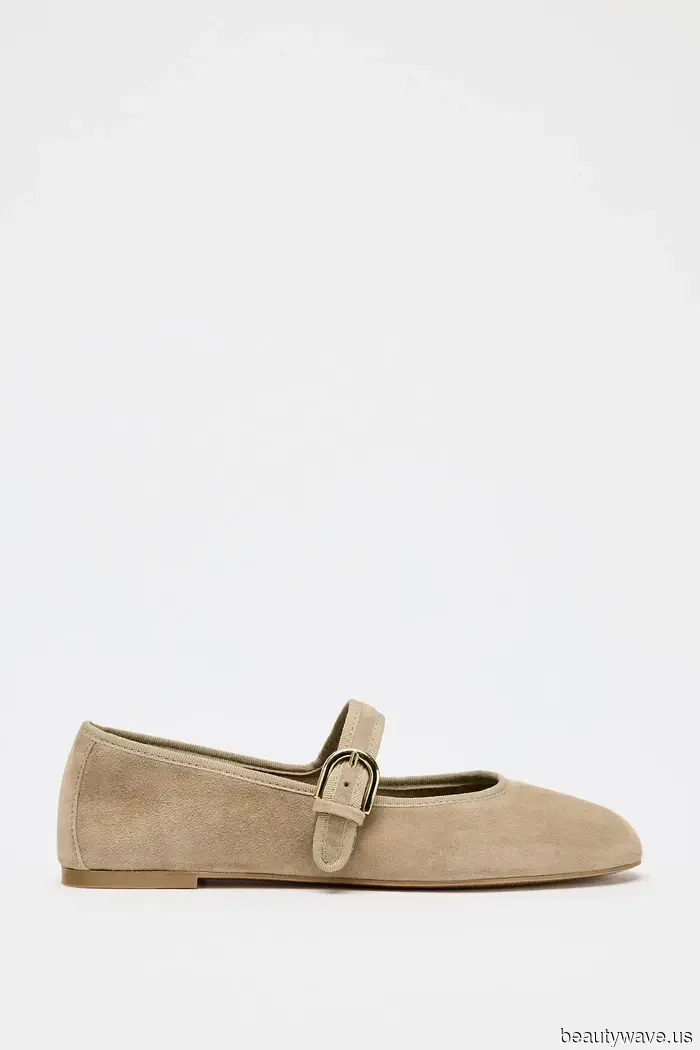 I Spent 2 Hours in Zara's Fitting Rooms So You Don’t Have To—These 5 Items Made It Worthwhile.
Stylish, easygoing, and endorsed by editors.
I Spent 2 Hours in Zara's Fitting Rooms So You Don’t Have To—These 5 Items Made It Worthwhile.
Stylish, easygoing, and endorsed by editors.
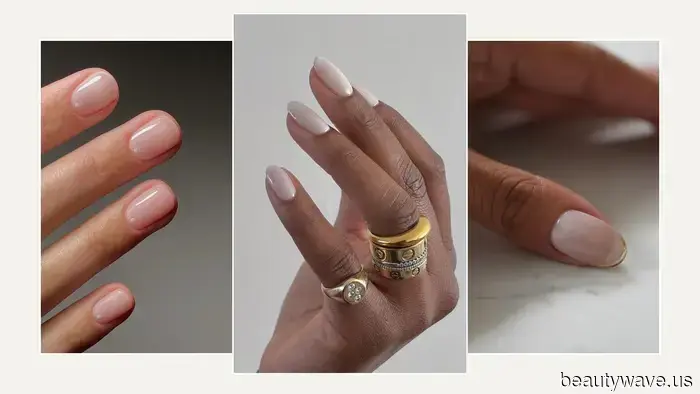 I've Been a Longtime Admirer of Princess Nails: The 15 Most Elegant Designs I Would Instantly Choose
Share these with your nail artist as soon as possible.
I've Been a Longtime Admirer of Princess Nails: The 15 Most Elegant Designs I Would Instantly Choose
Share these with your nail artist as soon as possible.
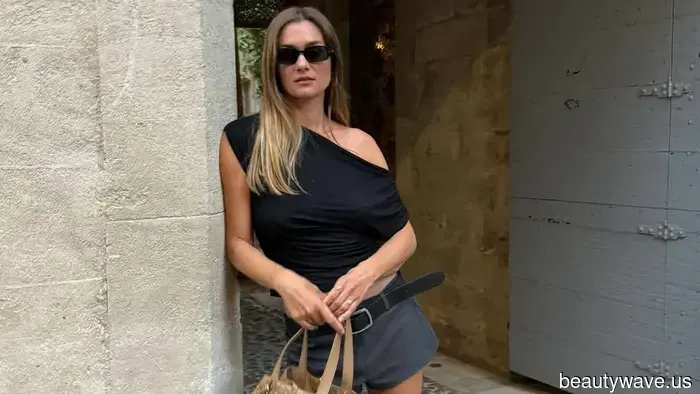 Dispatch From Paris: Everyone is Ditching Sandals to Sport These Much More Stylish Shoes With Shorts
Oui, oui.
Dispatch From Paris: Everyone is Ditching Sandals to Sport These Much More Stylish Shoes With Shorts
Oui, oui.
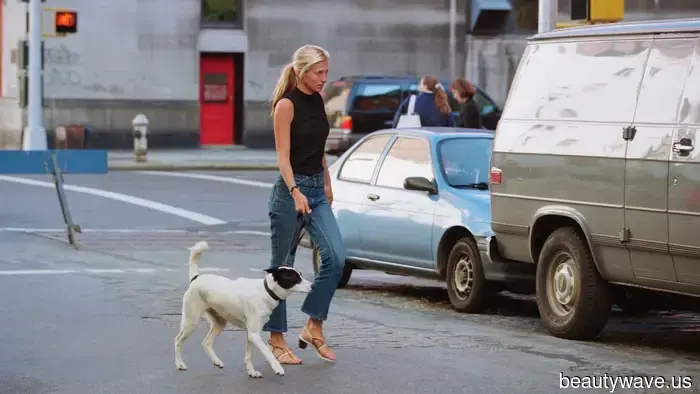 These Stylish Elevated Essentials and Footwear Remain Available at the Nordstrom Anniversary Sale—Act Fast
Items are beginning to sell out at the Nordstrom Anniversary Sale, but these stylish elevated essentials and footwear are still available.
These Stylish Elevated Essentials and Footwear Remain Available at the Nordstrom Anniversary Sale—Act Fast
Items are beginning to sell out at the Nordstrom Anniversary Sale, but these stylish elevated essentials and footwear are still available.
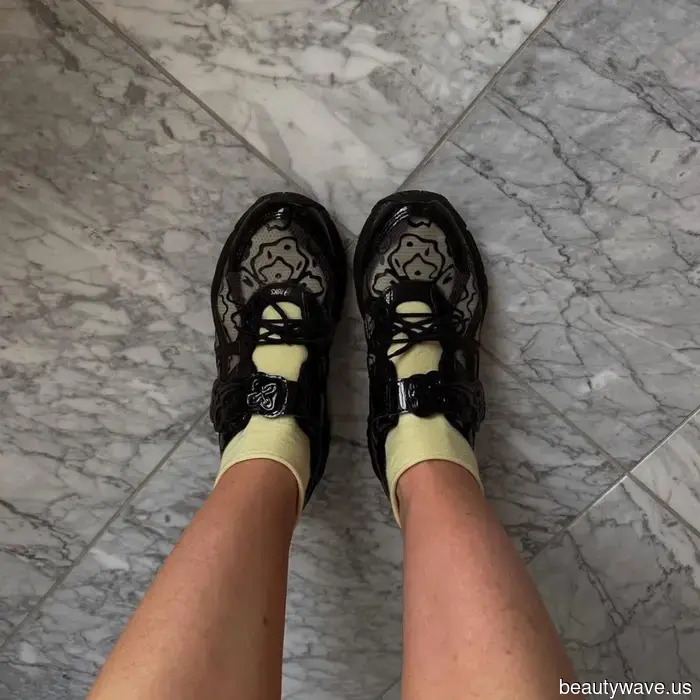 Nearly Sneakers, Nearly Flats—You'll Either Adore or Dislike This New Hybrid Shoe Trend.
Mary Jane sneakers represent the hybrid trend loved by celebrities and fashion influencers. Explore a range of designer and high-street options for these popular shoes here.
Nearly Sneakers, Nearly Flats—You'll Either Adore or Dislike This New Hybrid Shoe Trend.
Mary Jane sneakers represent the hybrid trend loved by celebrities and fashion influencers. Explore a range of designer and high-street options for these popular shoes here.
 Curious about what to dress in when London reaches 30º? Here are five easy outfits that will appear stylish and keep you comfortable.
Dressing appropriately for a heatwave can be challenging, so I've compiled five simple yet stylish outfit combinations that are suitable for temperatures above 25 degrees.
Curious about what to dress in when London reaches 30º? Here are five easy outfits that will appear stylish and keep you comfortable.
Dressing appropriately for a heatwave can be challenging, so I've compiled five simple yet stylish outfit combinations that are suitable for temperatures above 25 degrees.
Accessible and Aspirational Beauty Is the Future—an Amputee and Model Highlights Brands That Are Leading the Way
In addition, the everyday essentials she relies on.