

Body Skincare Is Now Essential—These Lotions Demonstrate Why
Bodycare frequently takes a backseat to skincare until you realize that the skin on your arms or legs isn’t as smooth, firm, or hydrated as it once was. As we age, the skin’s barrier deteriorates, cell turnover slows, and collagen production decreases, resulting in dryness, dullness, and the recognizable “crepey” texture. The good news? A new trend has emerged that features effective bodycare products that do more than simply smell nice and look appealing on your bathroom shelf—they are formulated to actively restore and replenish the skin. Today's formulas heavily draw from facial skincare—consider retinol for firmness, ceramides for barrier repair, and exfoliating acids for refining texture. So, whether you're addressing sun damage, roughness, or just seeking that healthy, radiant glow again, there’s a lotion available that can help your skin appear and feel more supple and resilient while providing essential hydration.
When selecting the right product, texture and active ingredients are crucial. Mature skin generally benefits from rich, lipid-replenishing body creams that maintain moisture for extended periods, but a well-formulated body lotion or body serum containing actives like lactic acid or niacinamide can also aid in evening out skin tone and enhancing radiance. Hydration alone isn’t sufficient; it’s important to incorporate ingredients that fortify the barrier and promote regeneration, rather than just temporarily coating the surface. From drugstore staples endorsed by dermatologists to luxurious formulas that elevate your post-shower routine into a ritual, we have tested and reviewed some of the most highly regarded lotions for mature skin. Below, discover the best body lotions designed to hydrate deeply, smooth, and restore glow to mature skin with each application.
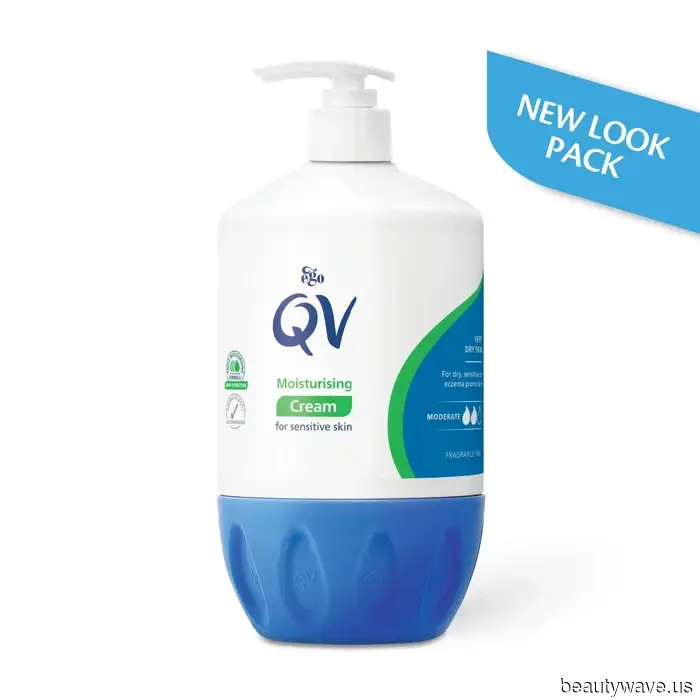
What should you search for in body lotions for mature skin? When looking for body lotions suitable for mature skin, the main focus should extend beyond basic hydration. "As skin matures, a good body lotion becomes essential," advises Bushra Effendi, QV skincare expert and advanced pharmacist specializing in menopause care. "Aging skin undergoes numerous changes. Factors such as hormonal fluctuations, years of sun exposure, and the natural decline in oil and protein production all contribute. Gradually, our skin loses its effectiveness in retaining moisture, resulting in a weakened protective barrier, which is why dryness and sensitivity are more prevalent." “Our sebaceous glands begin to produce less oil starting in our thirties, with a significant drop during perimenopause and post-menopause. This is when skin can feel noticeably drier and less plump," she continues. "Hormonal changes play a significant role, particularly the reduction in estrogen during perimenopause and afterwards. Estrogen aids in regulating sebum production and maintaining collagen and elastin—the proteins that keep skin firm and flexible. When estrogen levels decrease, this protective layer thins, the skin structure weakens, and it loses moisture much more easily." This decline in estrogen can also slow down cell turnover and diminish the skin’s capacity to produce essential lipids that reinforce the barrier, leading to a rougher texture and increased sensitivity. Maintaining hydration becomes considerably more challenging, and products that previously worked may suddenly feel inadequate. "Aging skin essentially teaches us about loss and adaptation," says dermatologist and QV skincare chief scientific officer, Fabrizio Spada. "Mature skin doesn't require just one star ingredient; it needs a well-coordinated range of ingredients, each playing a vital role in restoring the structural integrity and flexibility that diminish over time." When shopping for a body lotion, he advises looking for formulas containing a blend of humectants, occlusives, and emollients. "Humectants (like glycerin) are moisture attractors—they actively draw water from deeper skin layers and the environment to the outer layers," he explains. "Think of it as welcoming hydration to the party and ensuring it remains. Occlusives (like petrolatum or other barrier-forming agents) create a protective shield, preventing water from evaporating into the air. Lastly, emollients (such as squalane) serve as softeners that improve elasticity and texture, helping mature skin feel supple instead of papery." To enhance texture and tone, gentle exfoliants like lactic acid or urea can smooth rough patches and promote radiance without causing irritation. If firmness or crepiness is a concern, retinol or peptides can support cell turnover and elasticity over time. Fragrance-free options are generally best for sensitive or extremely dry skin, although scented formulations can make your post-shower experience more indulgent. Finally, texture matters: richer creams usually provide deeper nourishment, while silky lotions absorb quickly for daily comfort. The goal is to find a formula that hydrates, strengthens, and produces results that build over time.
What should you avoid in body lotions for mature skin? When caring for mature skin, what you exclude from your body lotion is just as crucial as what you include. As the skin barrier becomes thinner and more




Other articles
 Jennifer Aniston's 1999 airport outfit formula continues to be favored by the most stylish travelers at LAX, CPH, and CDG.
Here’s how to replicate it.
Jennifer Aniston's 1999 airport outfit formula continues to be favored by the most stylish travelers at LAX, CPH, and CDG.
Here’s how to replicate it.
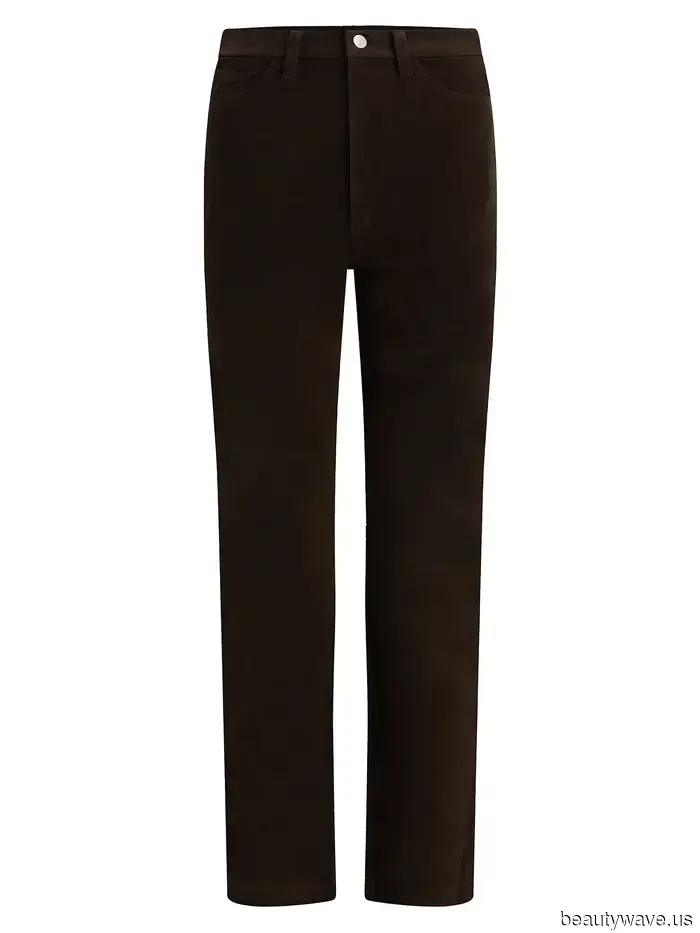 Jeans are great, but Sofia Richie Grainge's fall pant trend is the ideal alternative if your goal for 2025 is to exude wealth.
It immediately gives you an expensive appearance.
Jeans are great, but Sofia Richie Grainge's fall pant trend is the ideal alternative if your goal for 2025 is to exude wealth.
It immediately gives you an expensive appearance.
 If Princess Diana Owned a Margaux Bag, She Would Style It Just Like Dakota Fanning Recently Did.
Any opinions?
If Princess Diana Owned a Margaux Bag, She Would Style It Just Like Dakota Fanning Recently Did.
Any opinions?
 If You're Going to Paris This Winter, I Have the Hotspots That Everyone is Buzzing About Right Now.
Whether it's established favorites or newly launched venues, Masarin's recommendations for restaurants, shopping, and hotels are essential to explore.
If You're Going to Paris This Winter, I Have the Hotspots That Everyone is Buzzing About Right Now.
Whether it's established favorites or newly launched venues, Masarin's recommendations for restaurants, shopping, and hotels are essential to explore.
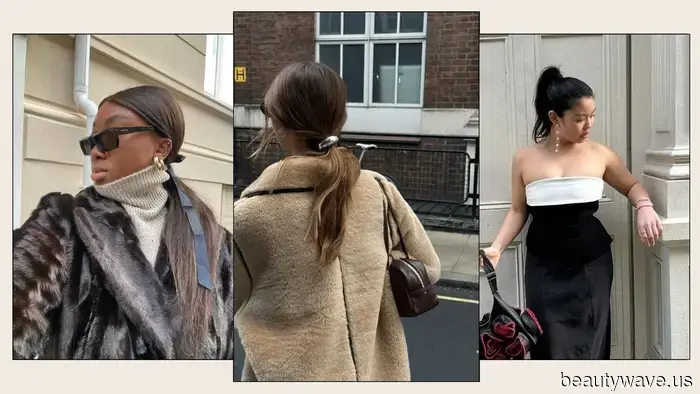 Goodbye, Slicked-Back Bun—This Is the Effortless Hairstyle I'll Be Rocking All Winter.
Elegant yet uncomplicated.
Goodbye, Slicked-Back Bun—This Is the Effortless Hairstyle I'll Be Rocking All Winter.
Elegant yet uncomplicated.
.jpg) The Unconventional Color to Sport from Head to Toe This Winter (Hint: It's Neither White Nor Black)
A monochrome outfit always appears incredibly sophisticated.
The Unconventional Color to Sport from Head to Toe This Winter (Hint: It's Neither White Nor Black)
A monochrome outfit always appears incredibly sophisticated.
Body Skincare Is Now Essential—These Lotions Demonstrate Why
Incorporating your favorite ingredients.