

My aesthetician informed me that this is the one ingredient she suggests for all skin types.
If you've ever dealt with acne, you know how challenging it can be to find suitable ingredients for your skin, especially if it's highly sensitive. To be honest, it took me years, along with connecting with the right aesthetician, to learn which ingredients worked for my sensitive and acne-prone skin. However, once I discovered the right regimen, everything changed for me. For a long period, I faced difficulties after tretinoin severely affected my skin barrier. My skin became increasingly dehydrated, red, and more prone to breakouts, which made finding suitable ingredients frustrating. The transformative ingredient for me was beta-glucan. Though you may have seen it in some products in your routine, I still believe it doesn’t get the recognition it deserves. It is excellent for dehydrated, damaged, and acne-prone skin, thanks to its skin-healing properties.
My aesthetician, Sonia Vargas, highly recommended beta-glucan, stating it enhances wound healing and tissue repair. This seemed like exactly what I needed at the time. Since I began using it regularly about four months ago, my skin has improved significantly. For a comprehensive understanding of why this remarkable ingredient should be part of your skincare arsenal, continue reading.
What is Beta-Glucan?
Vargas clarified that beta-glucan is a polysaccharide (composed of sugar molecules) sourced from oats, yeast, and fungi. "[They are] beneficial for all skin types," she explains. "It provides deep hydration, strengthens the skin's moisture barrier, and possesses anti-inflammatory, antioxidant, and wound-healing properties. This combination makes it perfect for alleviating irritation and shielding the skin from environmental stressors." However, if you experience fungal acne, beta-glucan may not be the best choice for you, though it can be highly beneficial if your breakouts aren't fungal. It's particularly advantageous for dry or dehydrated skin as it delivers moisture without being overly heavy.
Why Should You Incorporate Beta-Glucan into Your Routine?
Dr. Shim Ching, a plastic surgeon and founder of Asian Pacific Plastic Surgery, affirms that beta-glucan is remarkable for traumatized skin. "Most research on beta-glucans focuses on how they assist in healing damaged skin," he notes. "We're hypothesizing that they can address various skin issues by reducing inflammation, providing hydration, repairing the skin barrier, and enhancing the skin's immune response." Ching refers to the ability of beta-glucan to stimulate Langerhans cells, the immune cells residing in the skin's epidermis, initiating immune and reparative functions.
Additionally, beta-glucan effectively treats traumatized skin (like that affected by tretinoin), abrasions, damage, burns, oxidative stress, premature aging, acne, and inflammation, even calming conditions like rosacea. Essentially, it is versatile and can benefit everyone by being included in their skincare routine. Ching also recommends considering beta-glucan as a dietary supplement to maximize its benefits. Sources include oats, barley, wheat, rye, and certain mushrooms such as shiitake, maitake, and reishi.
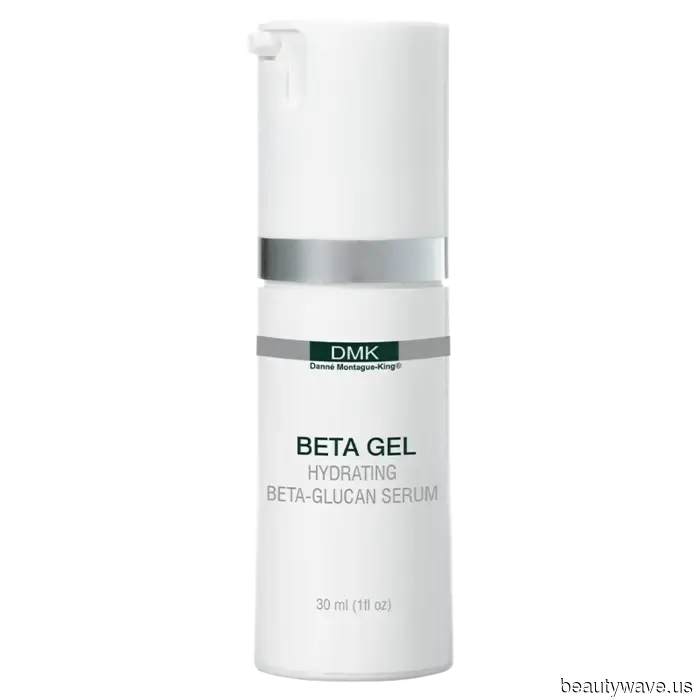
For those experiencing breakouts, Vargas highlights its significance. "Beta-glucan is crucial for acne-prone skin since it tackles multiple factors contributing to breakouts, such as inflammation, a weakened skin barrier, and hindered healing," she elaborates. "Conventional acne treatments can be harsh—beta-glucan is gentle and non-irritating, making it a safe option for inflamed and compromised skin." Vargas understood that beta-glucan would suit my skin since I faced all these challenges. Finding ingredients that would clear my breakouts without exacerbating irritation and damaging my barrier was tough. What truly helped was discontinuing all retinoids, reducing exfoliation, and allowing my skin time to reset and heal. Incorporating DMK's signature Beta Gel formula proved to be the key to my success, recommended by Vargas, and I have not looked back since.
The Best Products with Beta-Glucan
Vargas suggested I try DMK's signature beta gel formula, specifically designed for reactive, chronically irritated, or traumatized skin. Upon starting its use, my skin transformed completely. It became less red, reactive, and sensitive, and my breakouts significantly reduced. The difference after just a few months was astonishing. It showcases that sometimes a skin reset is essential—stopping all strong actives for a duration (i.e., exfoliants and retinoids). DMK is an outstanding brand (truly one of my personal favorites), but it’s available only through aestheticians. If you're located in the L.A. area, Vargas is wonderful to consult with, or you might consider celebrity facialist Candace Marino, who is also a DMK therapist in the region. DMK also offers a useful tool on their website for finding a practitioner nearby.
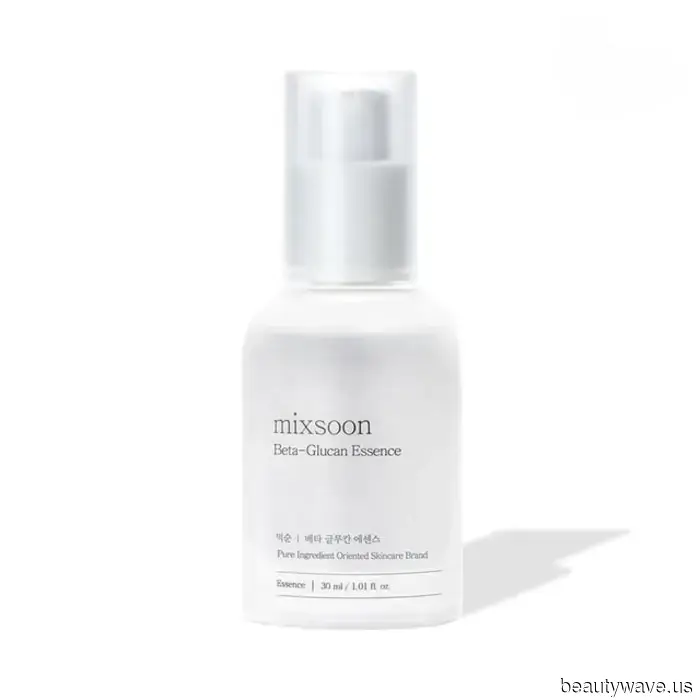
Mixsoon Beta-Glucan

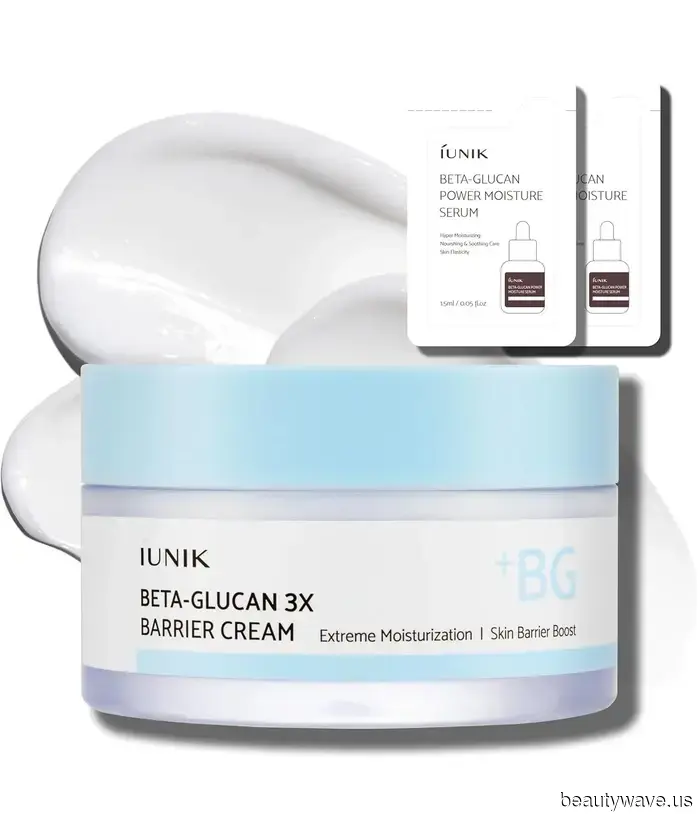
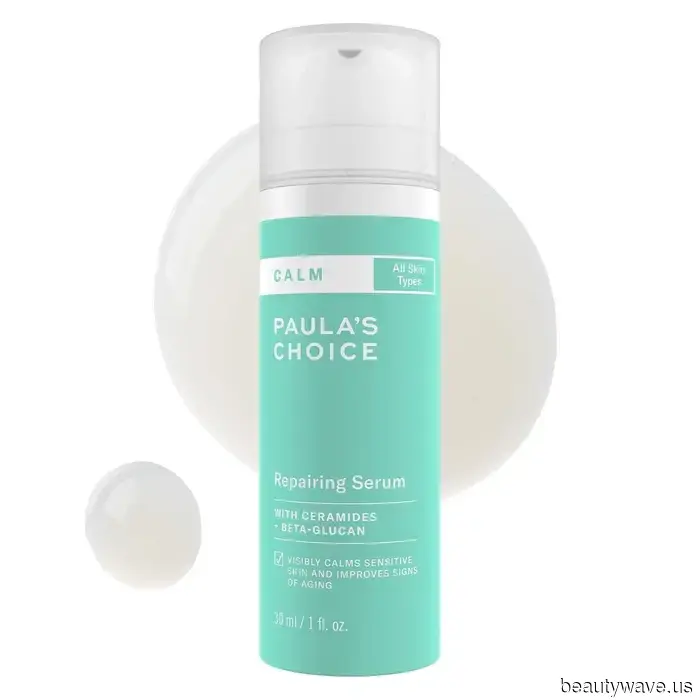
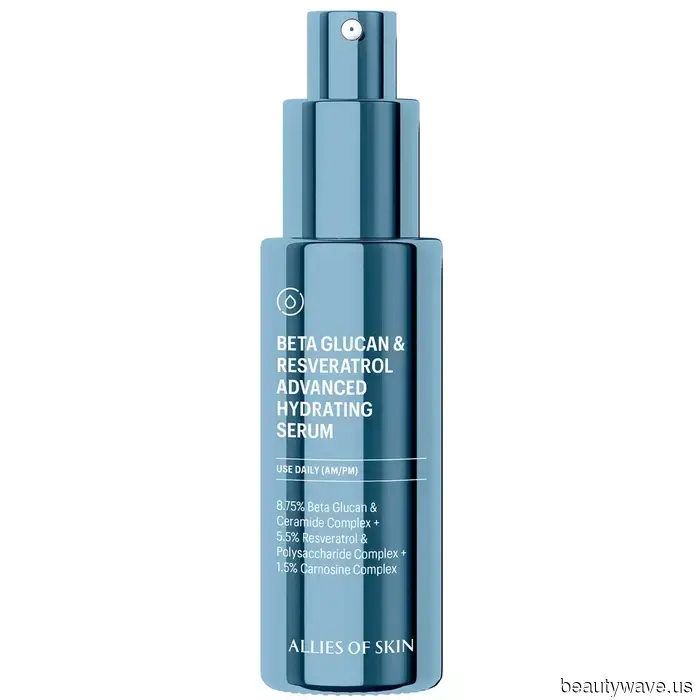
Other articles
 If Misty Hills, Antique Candelabras, and Victorian Lace Had a Fragrance, It Would Be Represented by These 17 Enigmatic Perfumes.
I'm almost completely sure that Ellen Hutter would wear these.
If Misty Hills, Antique Candelabras, and Victorian Lace Had a Fragrance, It Would Be Represented by These 17 Enigmatic Perfumes.
I'm almost completely sure that Ellen Hutter would wear these.
 When it comes to costly-looking winter trends, this timeless knitwear style consistently ranks highest.
Please make a note of this.
When it comes to costly-looking winter trends, this timeless knitwear style consistently ranks highest.
Please make a note of this.
 Finn Wolfhard: The Contemporary Renaissance Man of Hollywood
As he wraps up his role as Mike Wheeler, the main high school character in Stranger Things, the actor is venturing out on his own with his first solo album and directorial credits, positioning him as a contemporary renaissance man in Hollywood.
Finn Wolfhard: The Contemporary Renaissance Man of Hollywood
As he wraps up his role as Mike Wheeler, the main high school character in Stranger Things, the actor is venturing out on his own with his first solo album and directorial credits, positioning him as a contemporary renaissance man in Hollywood.
 The Updated Guidelines for Funnel-Neck Jackets: Exclude Suede and Khaki, Stick to This Particular Style.
The guideline for funnel-neck jackets this season is clear: avoid suede, steer clear of khaki, and opt for leather instead. Check out our selection now.
The Updated Guidelines for Funnel-Neck Jackets: Exclude Suede and Khaki, Stick to This Particular Style.
The guideline for funnel-neck jackets this season is clear: avoid suede, steer clear of khaki, and opt for leather instead. Check out our selection now.
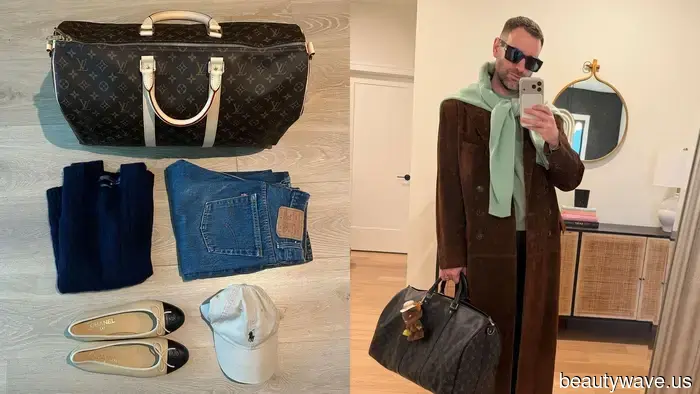 We Took the Ultimate Heritage Travel Bag for a Spin—Here’s the Perfect Size to Choose and What to Include Inside
Check out our review and browse through our packing selections.
We Took the Ultimate Heritage Travel Bag for a Spin—Here’s the Perfect Size to Choose and What to Include Inside
Check out our review and browse through our packing selections.
 I consistently experienced dry, scaly skin until I incorporated this one product into my body care regimen.
It altered everything.
I consistently experienced dry, scaly skin until I incorporated this one product into my body care regimen.
It altered everything.
My aesthetician informed me that this is the one ingredient she suggests for all skin types.
It's among the most underrated products available.