

Numerous experts have validated this: This is the proper sequence for applying your skincare products.
In the beauty industry, skincare can often be particularly perplexing for many individuals. Even as a beauty editor, I find it challenging to navigate the mixed messages that circulate. With skincare trends and new beauty products emerging daily, it's easy to fall into a routine that A) doesn't suit your skin and B) risks harming your skin barrier. And that's something no one wants.
One important point I consistently gather from conversations with skincare experts and dermatologists in my role is that maintaining a consistent skincare routine is crucial. I know it might sound a bit tedious, but our skin appreciates routine. Using the same products consistently, from cleanser to SPF, can significantly benefit your complexion. However, it’s also essential to get the order of your skincare routine right. After all, having a variety of serums and toners on your bathroom shelf is pointless if they're not applied correctly.
To clarify the matter, I consulted Eleanor Hartley, founder and medical director of Hart Medical, to explain the essentials of our skincare routine order, covering both morning and evening routines. Whether you're new to skincare or looking to revamp your regimen, here's how to master your skincare routine order.
Why Is A Skincare Routine Important?
"One of the key points I always emphasize to patients and clients is the necessity of consistency. The specifics of the routine matter less to me. Whether it's two steps or twenty, what's crucial is that you remain consistent," Hartley states. "If you frequently switch products, you won’t fully experience the benefits of each ingredient, and your skin will constantly be adjusting to new products," she adds. "A consistent skincare routine helps support the skin’s barrier function, which is its main defense against environmental stressors, pathogens, and transepidermal water loss," she continues. "When the barrier is intact, issues like inflammation, dehydration, and premature aging are minimized. Additionally, a structured regimen enables targeted treatment, maintains skin balance, optimizes cell turnover, and promotes long-term skin health," she explains.
So, if you're curious about structuring your skincare routine order, keep reading for everything you need to know.
Skincare Routine Order
**Morning Skincare Routine**
1. **Cleanser**
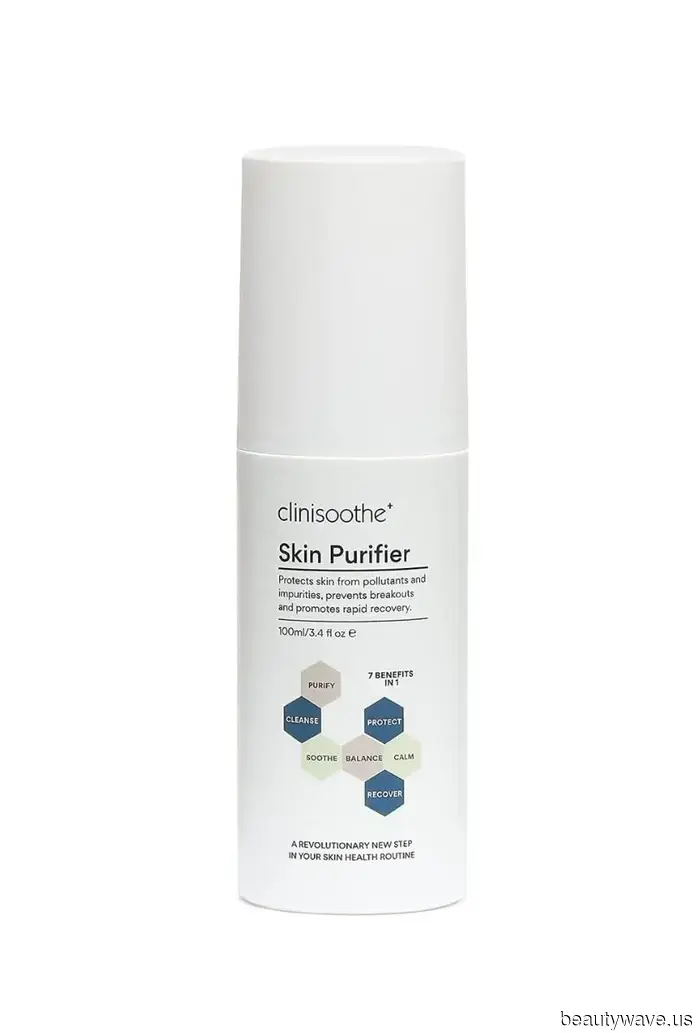
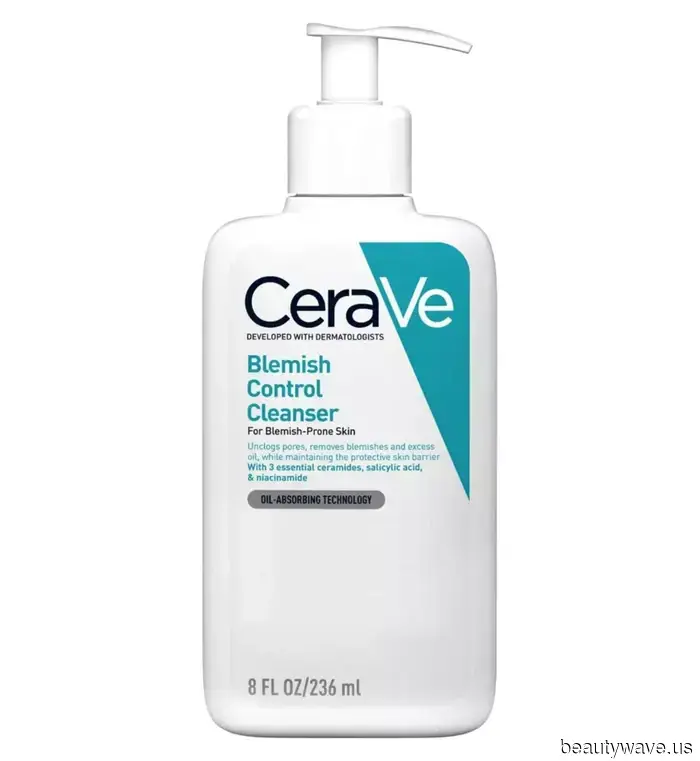
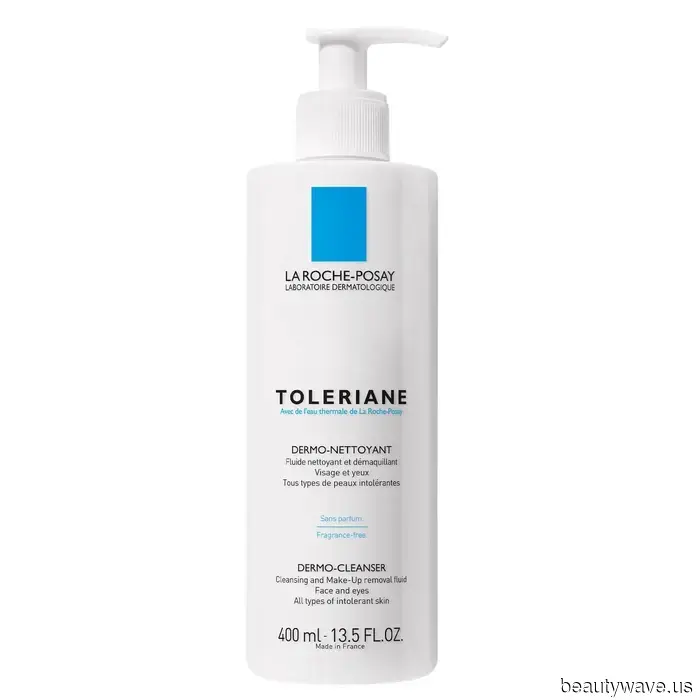
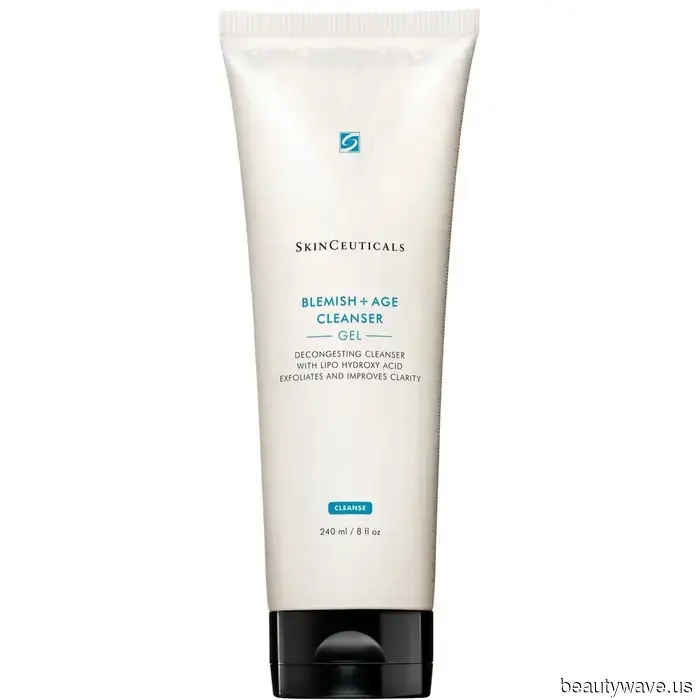
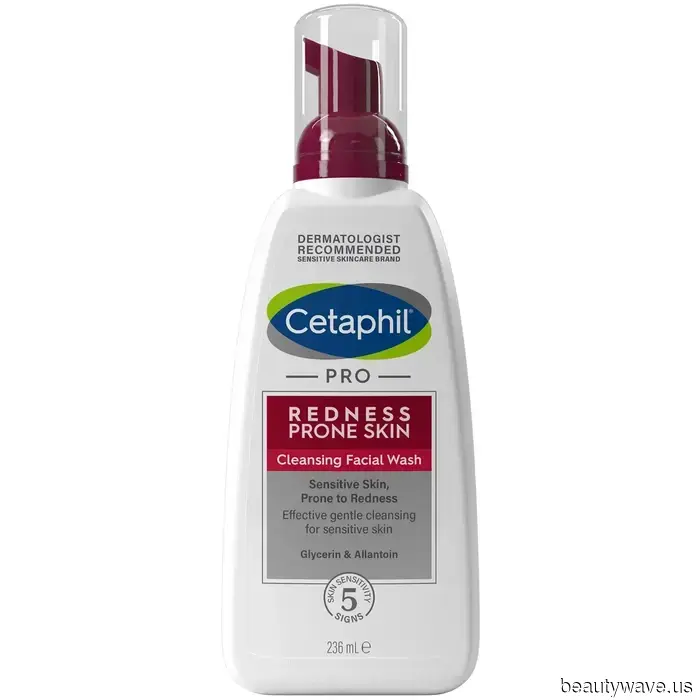
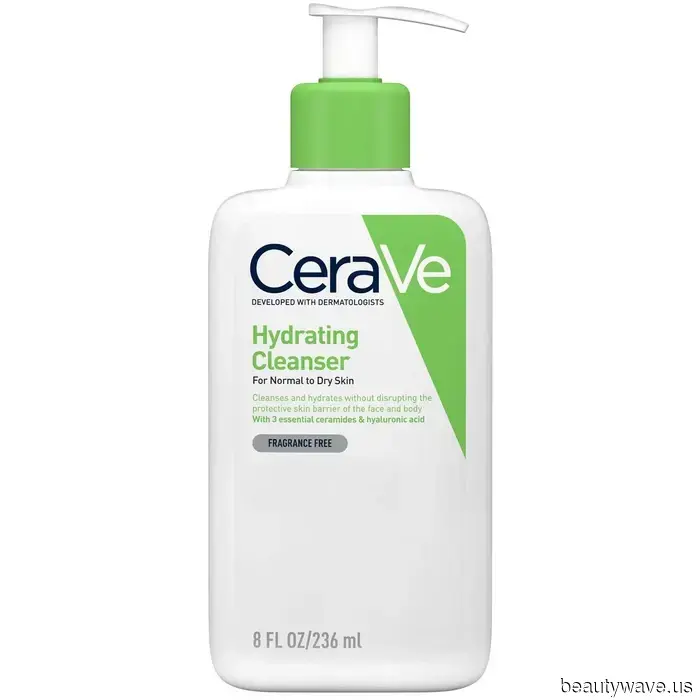
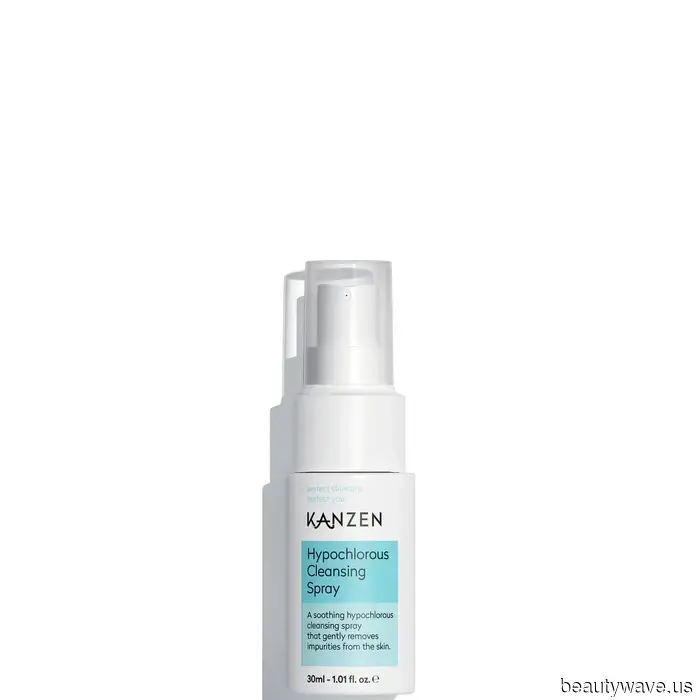
Cleansing should be your first step. "If you don’t have oily or sebaceous skin, I generally advise skipping a morning cleanse to avoid stripping the skin unnecessarily. For those with oily skin, a gentle cleansing with an unfragranced cleanser featuring minimal acids is suitable for the morning," advises Hartley. "I recommend using a hypochlorous spray (like Clinisoothe Skin Purifier, £15), which is antibacterial and helps reset your skin's pH for better absorption of subsequent products," she adds.
2. **Toner**
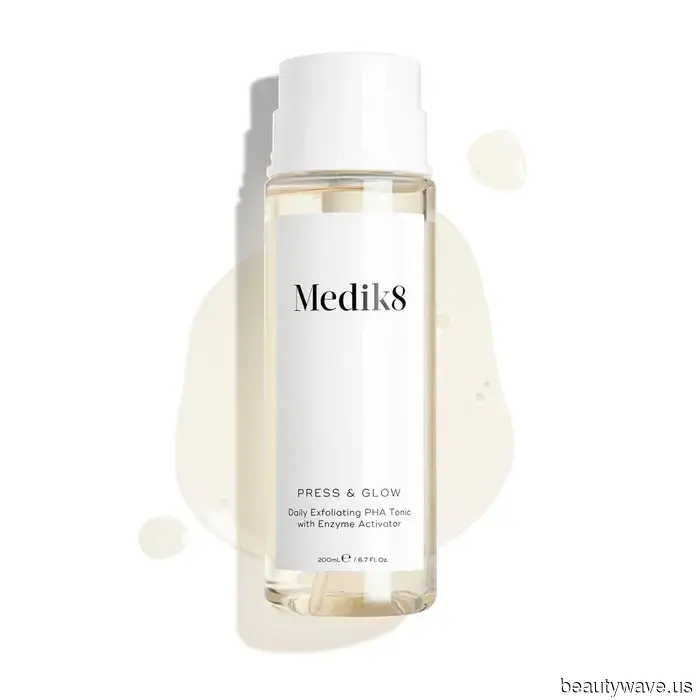
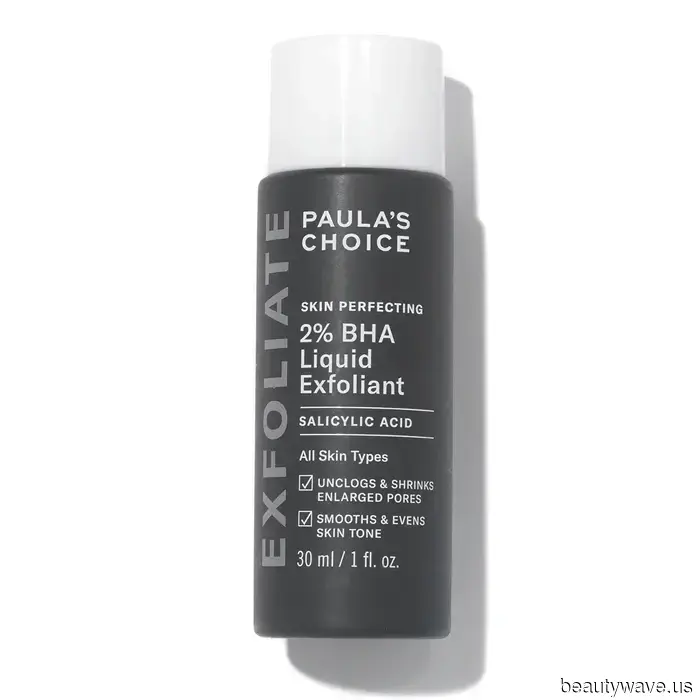
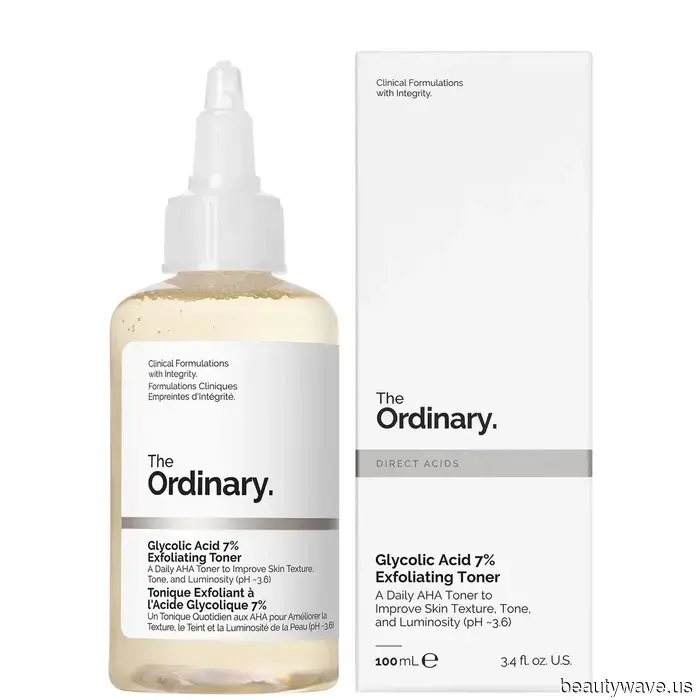
This step isn't mandatory, but a toner can be beneficial after cleansing and before applying serums. "Most people don’t realize the purpose of toning," says Hartley. "Toners help restore the skin's pH (4.5-5.5) after rinsing with water (7.5-8.5), which prepares the skin for actives and enhances penetration," she explains. For congested or acne-prone skin, a toner with salicylic acid can unclog pores, while dry skin types may prefer a milky toner for added hydration and pH balance.
3. **Serums and Actives**
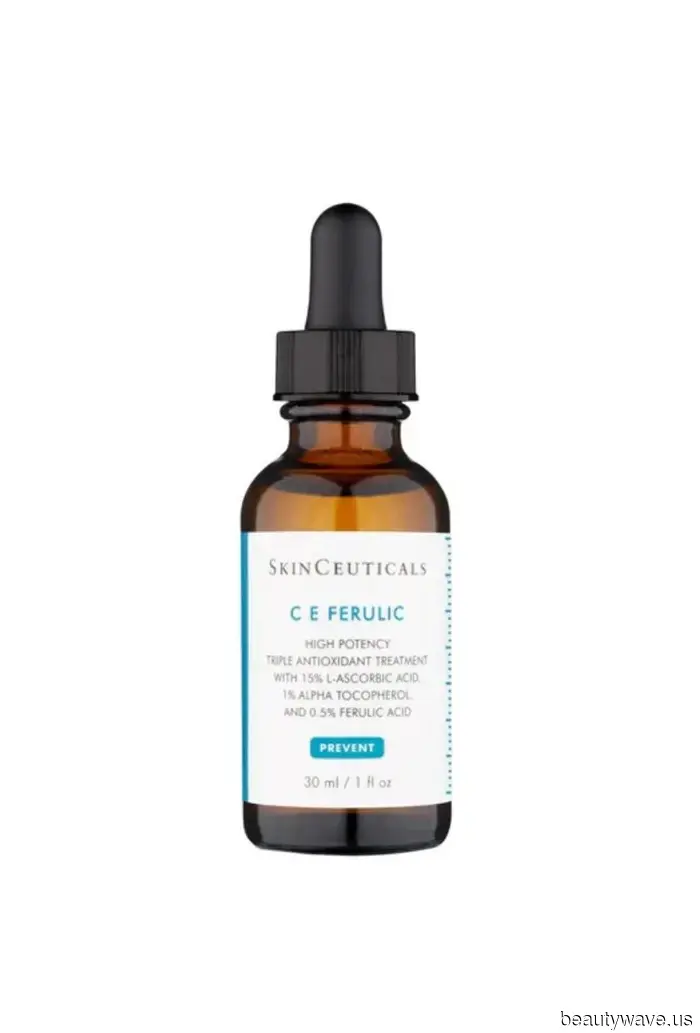
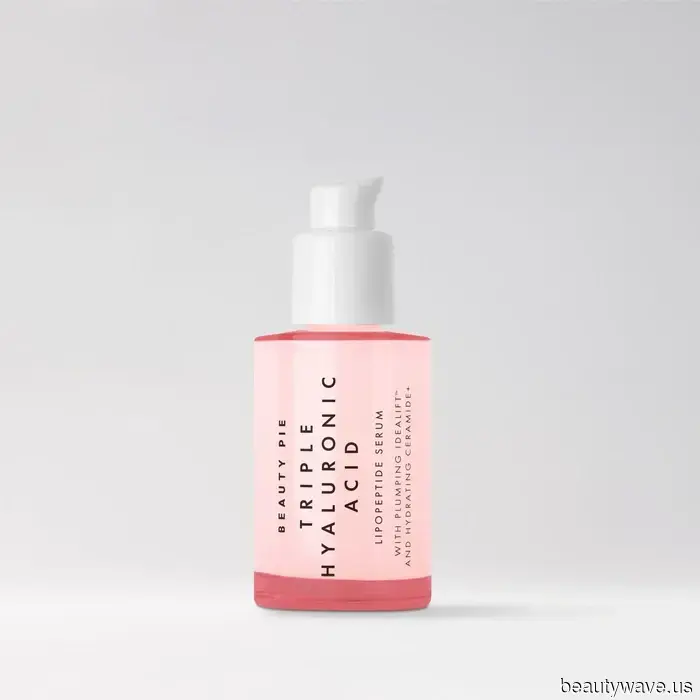
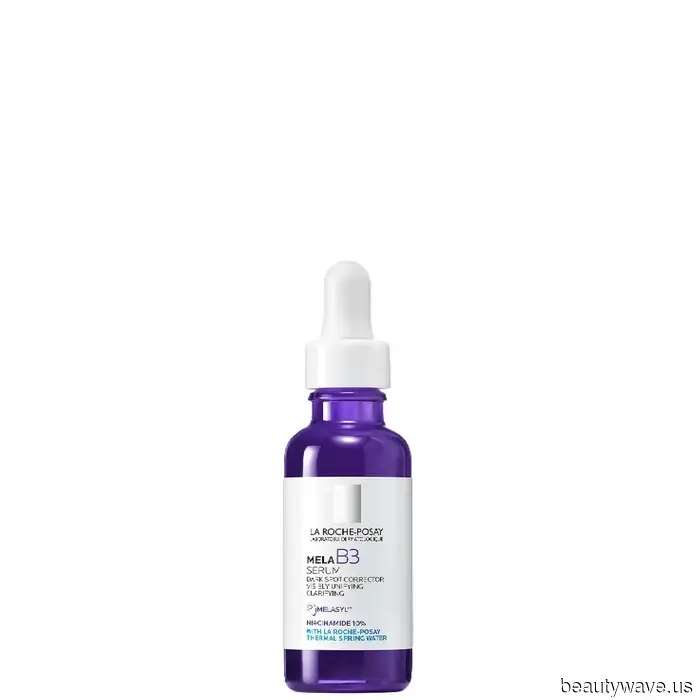
Next are the serums, which are the heart of your skincare routine and essential for addressing particular concerns. "Apply serums containing antioxidants, humectants, or exfoliating acids," Hartley advises. "A good rule of thumb is to layer products from thinnest to thickest consistency, allowing each layer to absorb properly," she notes, adding that sometimes waiting for a product to settle before applying the next is beneficial. A vitamin C serum is an excellent addition to your morning routine, as it provides protection against environmental damage. Hyaluronic acid serums are also great for hydrating and plumping the skin.
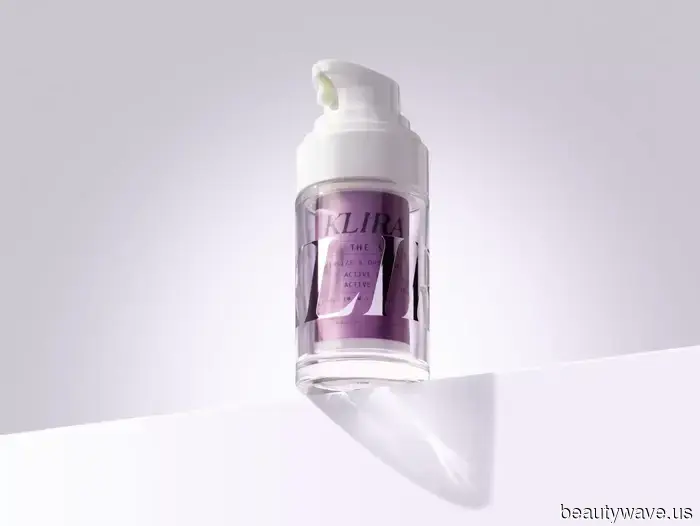
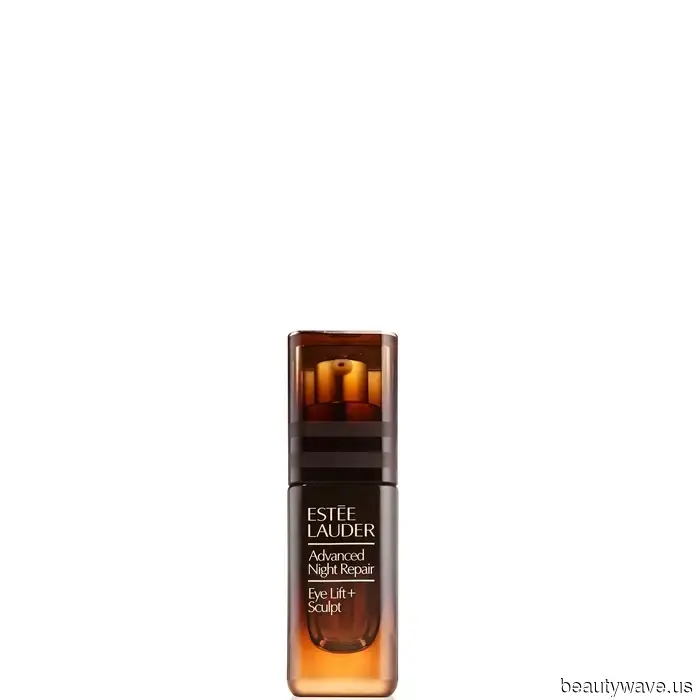
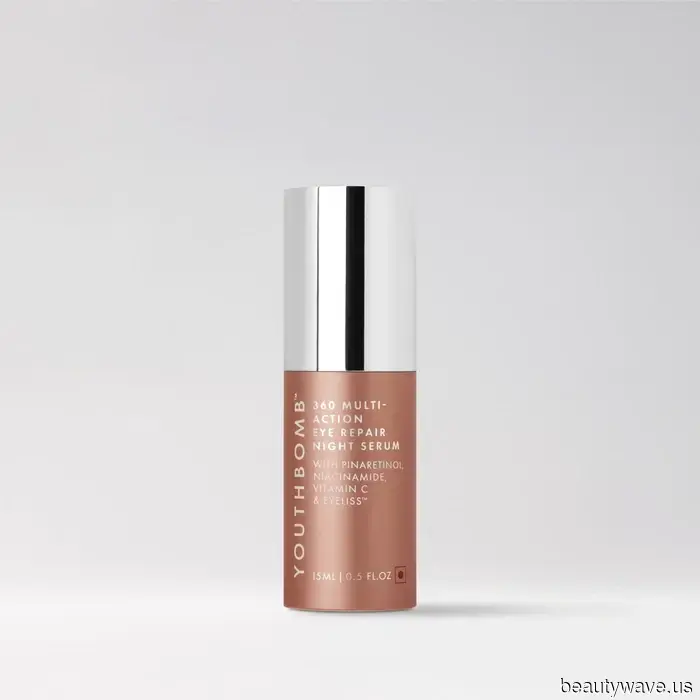
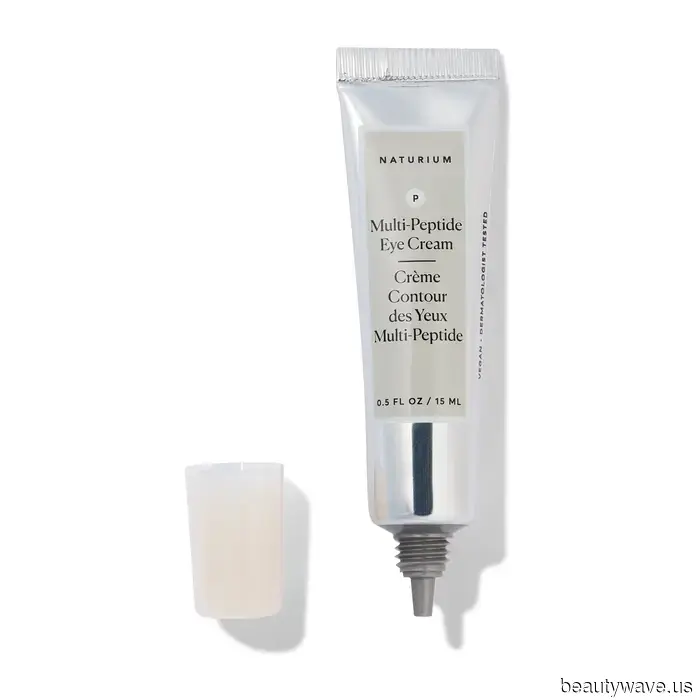
4. **Eye Cream**
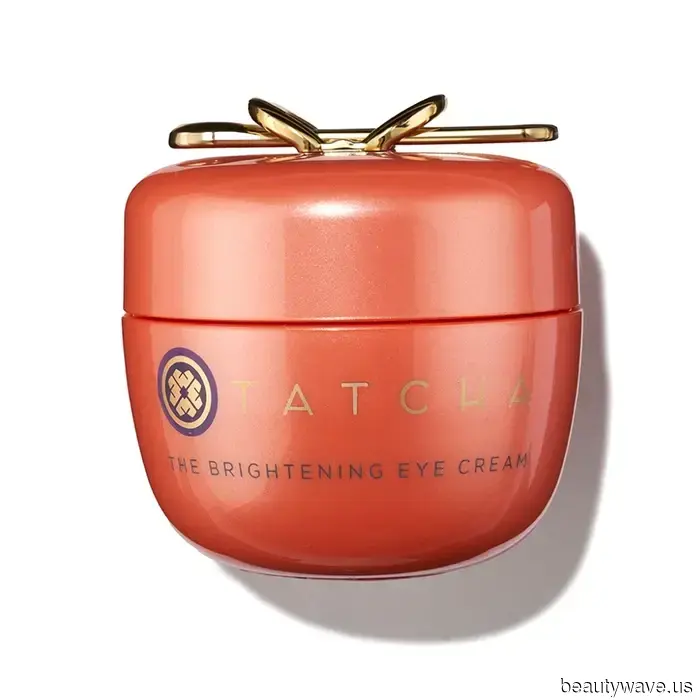
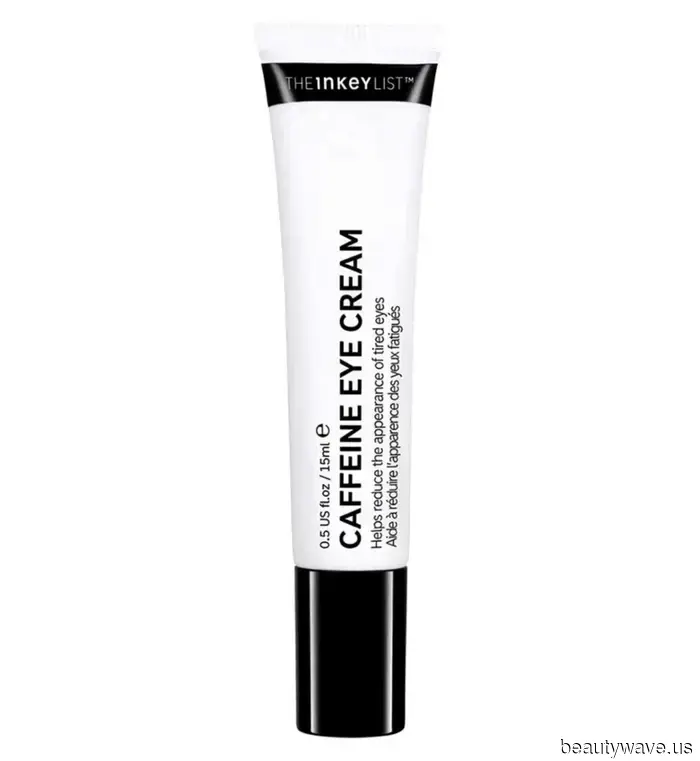
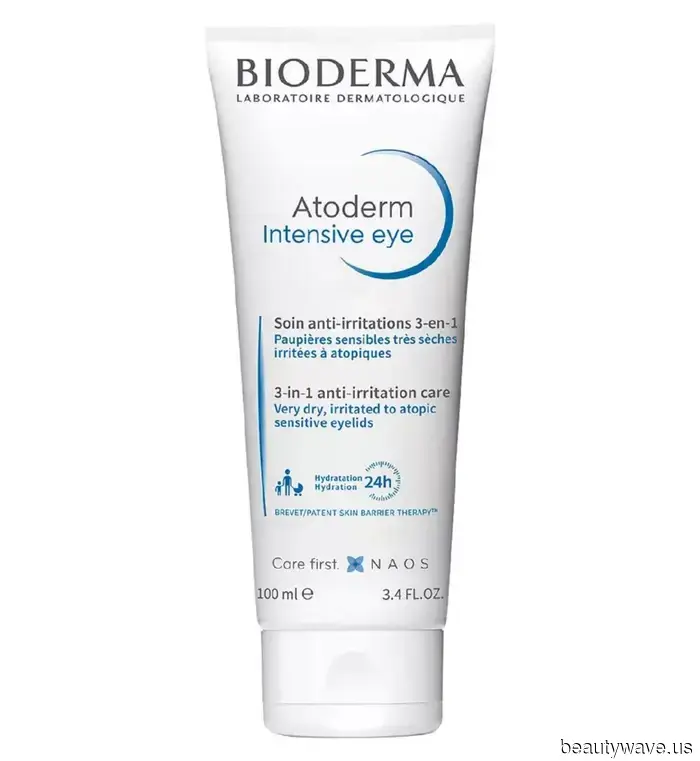
Using an eye cream is a matter of personal choice. You might opt to extend your hyaluronic acid serum to the eye area and skip eye cream altogether, or you might prefer the extra hydration and benefits an eye cream can provide, especially for dark circles or puffiness. If you choose to use an eye cream, apply it before your moisturizer to ensure effective absorption.
5. **Moisturizer**
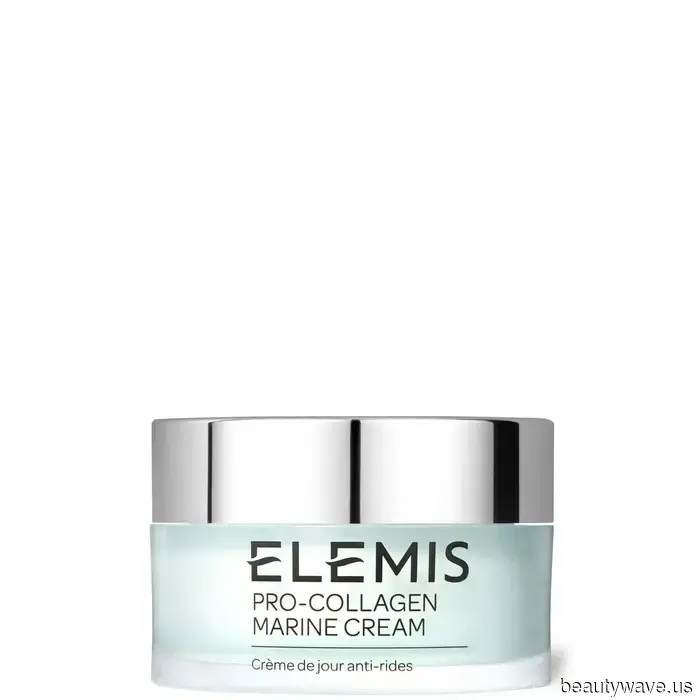
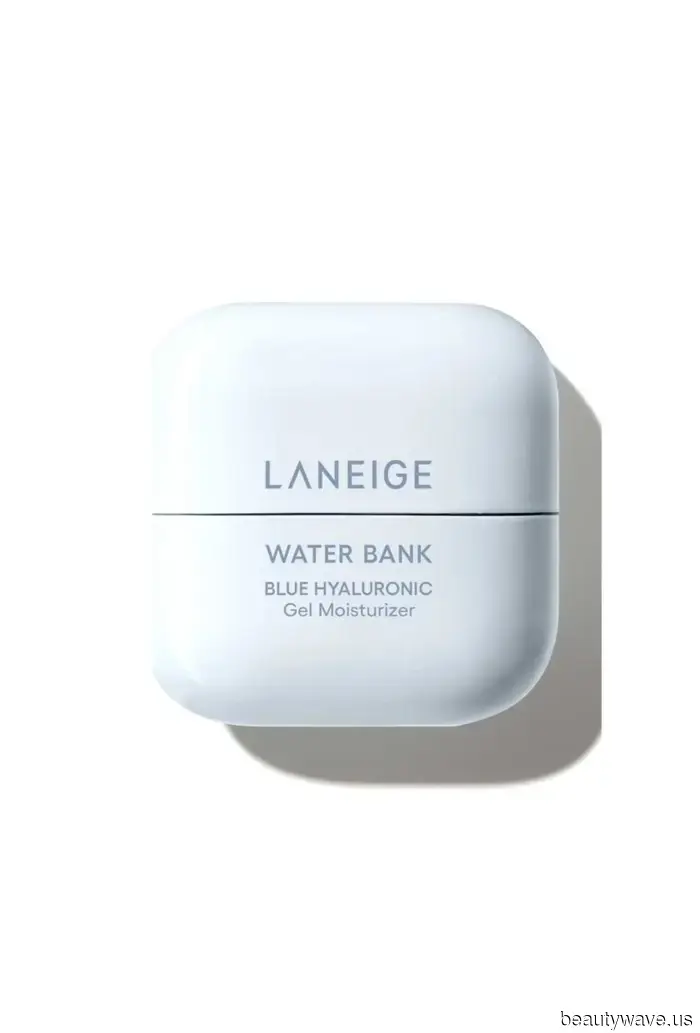
Next is your moisturizer. "To hydrate and safeguard the skin, seal in moisture with the appropriate emollient or occlusive," says Hartley. Those with dry skin might benefit from a richer, creamier moisturizer, while those with combination or oily skin may prefer a lighter gel moisturizer. If your skin feels adequately moisturized, you can skip the moisturizer and go straight to SPF if that provides enough hydration for you.
6. **SPF**
The final step in

Other articles
 6 Unpopular Shoe Styles That Seasoned Shoppers Are Pairing With Jeans
We adore fashionable shoes, but these timeless styles enhance the elegance of jeans the most.
6 Unpopular Shoe Styles That Seasoned Shoppers Are Pairing With Jeans
We adore fashionable shoes, but these timeless styles enhance the elegance of jeans the most.
 I Recently Explored Zara for the Most Stylish Budget-Friendly Winter Coat Trends—Here Are 7 You Should Be Aware Of.
They're simply amazing.
I Recently Explored Zara for the Most Stylish Budget-Friendly Winter Coat Trends—Here Are 7 You Should Be Aware Of.
They're simply amazing.
 COS's Signature Tailored Trousers Have Been Revamped for 2025—I've Already Been Wearing Them Consistently.
COS is recognized for its outstanding tailoring, and I recently tried on the new winter 2025 style, which is already gaining popularity.
COS's Signature Tailored Trousers Have Been Revamped for 2025—I've Already Been Wearing Them Consistently.
COS is recognized for its outstanding tailoring, and I recently tried on the new winter 2025 style, which is already gaining popularity.
 Fashion enthusiasts are repeatedly purchasing two of the identical sweater—here's the reason behind it.
Jennifer Lawrence's sweater ensemble silently illustrated why so many people are purchasing two identical sweaters.
Fashion enthusiasts are repeatedly purchasing two of the identical sweater—here's the reason behind it.
Jennifer Lawrence's sweater ensemble silently illustrated why so many people are purchasing two identical sweaters.
 I had no idea which blush shades would truly enhance my skin tone until I experimented with these 10.
Makeup artists concur.
I had no idea which blush shades would truly enhance my skin tone until I experimented with these 10.
Makeup artists concur.
 I'm in My Elegant Era—this stylish 3-piece winter outfit formula inspired by Sofia Richie has become my new favorite.
Inspiration is on its way.
I'm in My Elegant Era—this stylish 3-piece winter outfit formula inspired by Sofia Richie has become my new favorite.
Inspiration is on its way.
Numerous experts have validated this: This is the proper sequence for applying your skincare products.
From morning to evening.