

From Ginseng to PDRN: 5 Korean Skincare Ingredients Driving the Popularity of High-Performance Products Online
(Image credit: Original art by Audrey Hedlund)Welcome to Worldly Beauty, a quarterly series dedicated to showcasing beauty products, ingredients, and traditions that are deeply embedded in various cultures. To provide a comprehensive perspective, we will share insights and suggestions from local experts and influencers. This column aims to celebrate diversity by exploring beauty practices and philosophies that connect us all.
(Image credit: Original art by Audrey Hedlund)A specific country or region often earns recognition when it becomes associated with a particular product. Consider French wine or Italian leather; while high-quality alternatives can be found elsewhere, there’s an authenticity and standard that come from these respected locales. In the skincare sector, South Korea stands out as the leading innovator. Over time, it has established itself as a focal point of creativity and engineering, not merely following trends but actively designing and influencing them. It's easy to overlook the multitude of technologies, product formats, and aesthetic movements that South Korea has introduced to global beauty—such as overnight masks, cleansing oils, and the "glass skin" phenomenon. The vast array of ingredients originating from South Korea, which are now staples in countless successful skincare lines in the U.S., is also noteworthy. But what positions South Korea as a premier figure in skincare? Experts indicate that the reasons are complex.
Dr. Anna Karp, a board-certified dermatologist and assistant clinical professor at NYU School of Medicine, attributes South Korea’s distinguished skincare reputation to various social, economic, and scientific elements, including strong consumer demand, a fiercely competitive market, and substantial investment in research and development. Cultural factors also play a role. "In their culture, skincare begins early and emphasizes sun protection," she explains. "Consumers are highly knowledgeable about skincare, which drives brands to continually refine their formulas. Korean companies heavily reinvest in research, biotechnology, and innovative formulations."
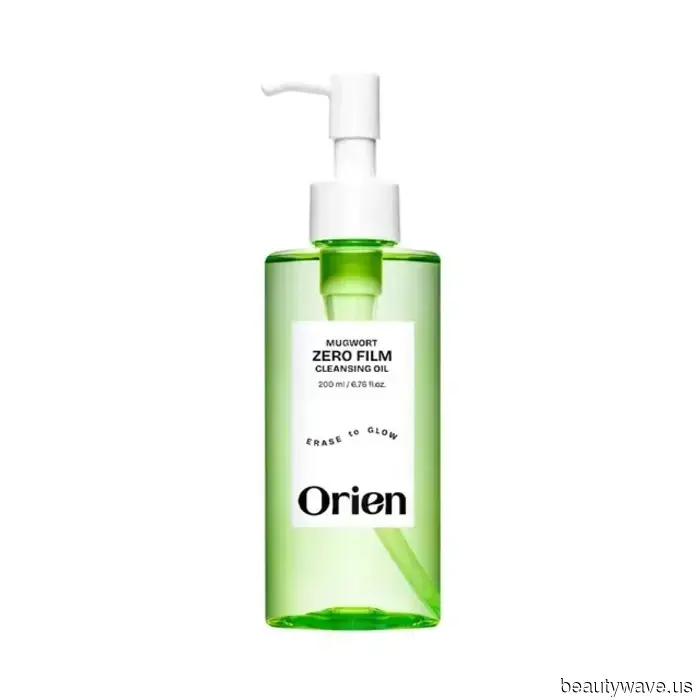
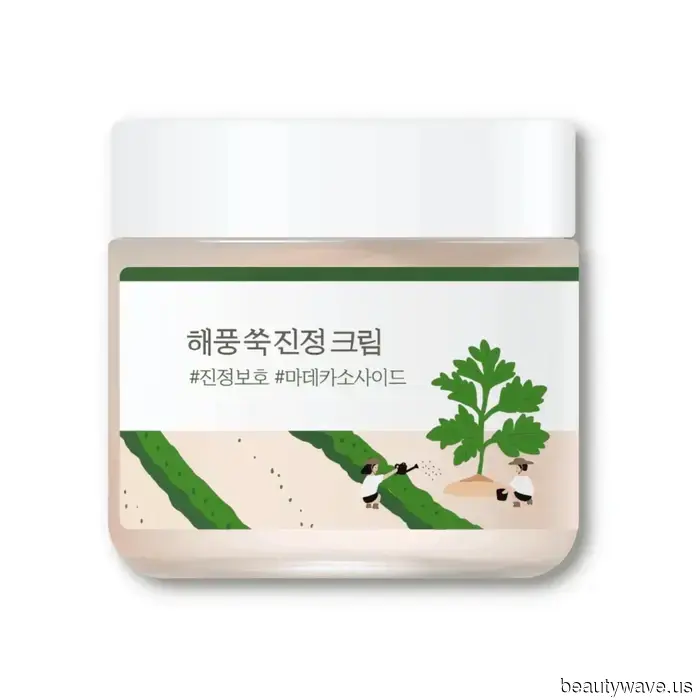
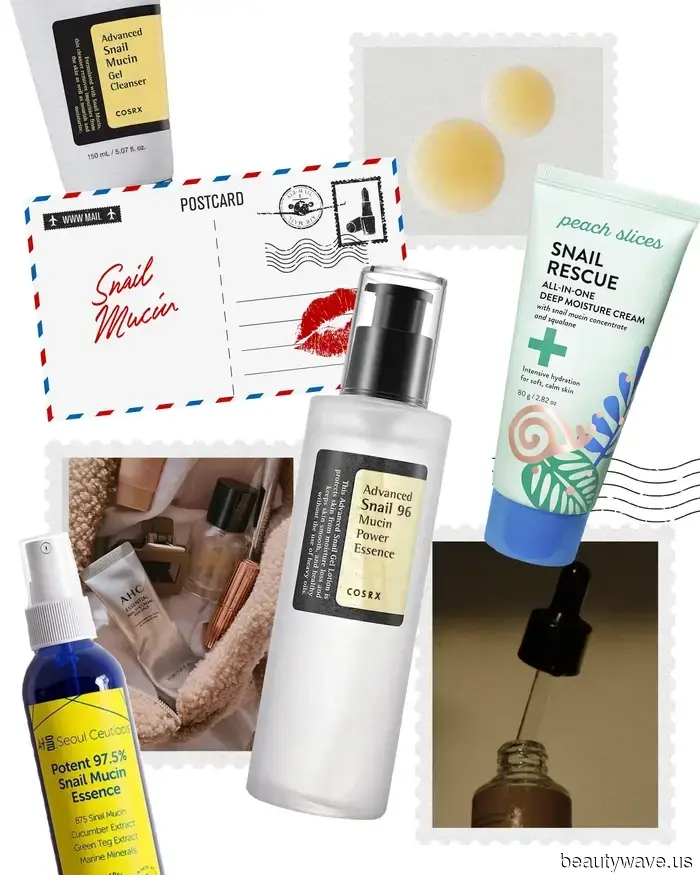
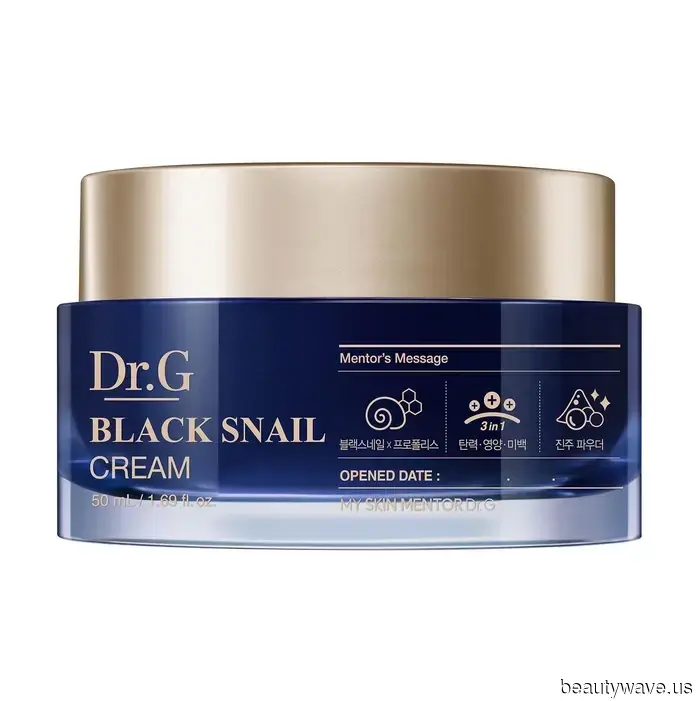
Sylvia Eunsun Cho, the Americas R&I associate director at Sulwhasoo, emphasizes accessibility as critical to understanding South Korea's skincare impact. "In Korea, skincare products are readily available, found in dedicated beauty stores, pharmacies with over-the-counter options, and even affordable shops like Daiso (akin to dollar stores in the U.S.). High-quality items are accessible at all price levels, making skincare an attainable and commonplace part of daily life." She also highlights Korea's use of unique ingredients "that are not commonly found elsewhere." Although there are many to discuss (such as Birch sap, Rice water, and Fermented ingredients), we’ll focus on five in particular: ginseng, mugwort, snail mucin, Centella asiatica, and PDRN. Each ingredient has its own method of cultivation, extraction, or application, yet all share a common trait: effectiveness. They have gained immense popularity not only in the U.S., but globally, due to their transformative effects on the skin. Below, you can discover essential details about these five groundbreaking ingredients.
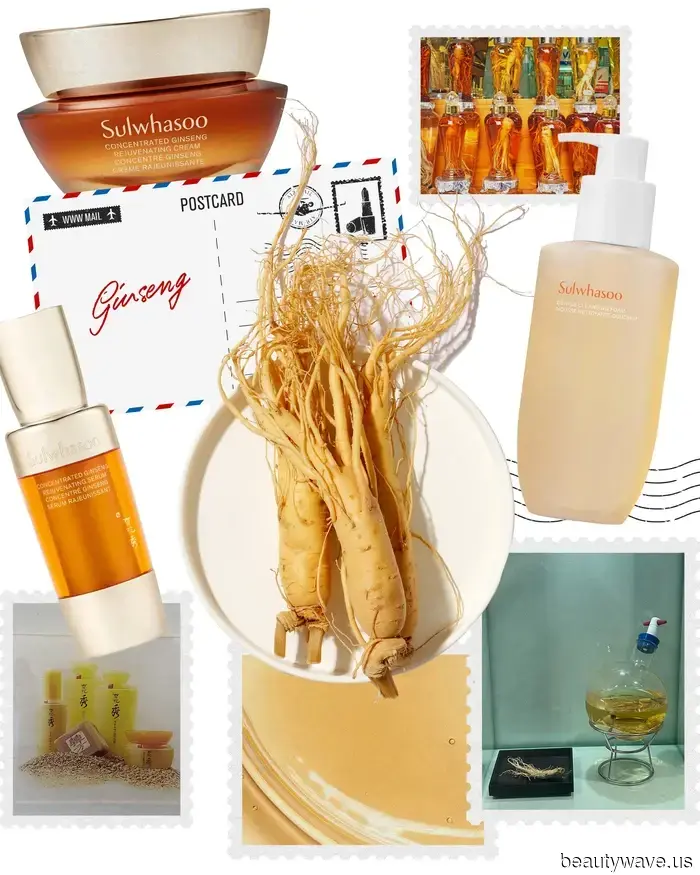
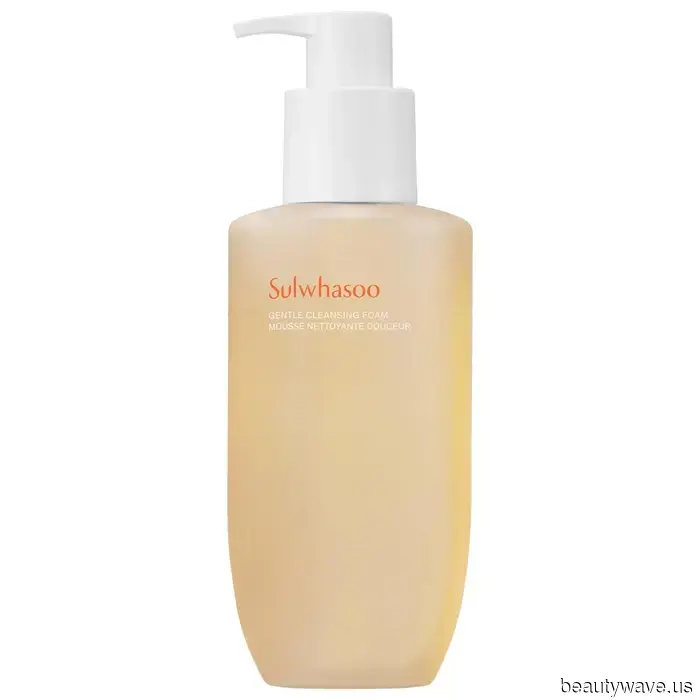
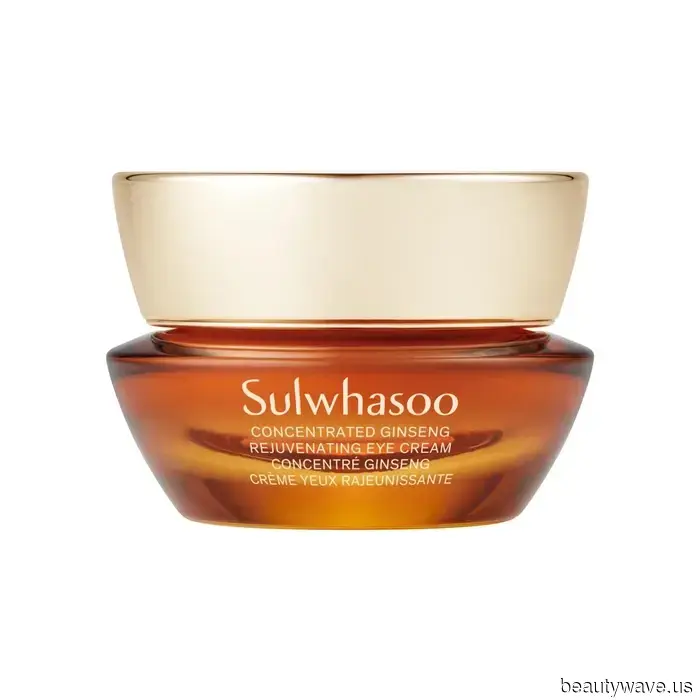
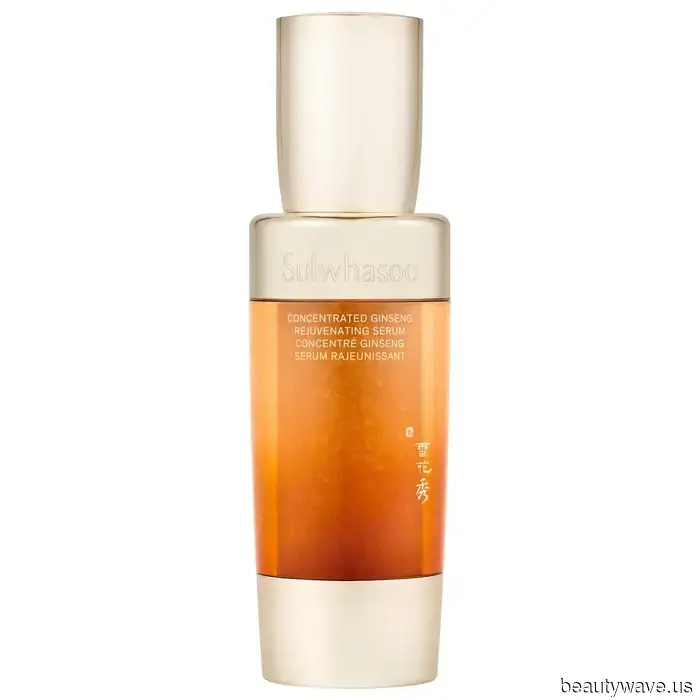
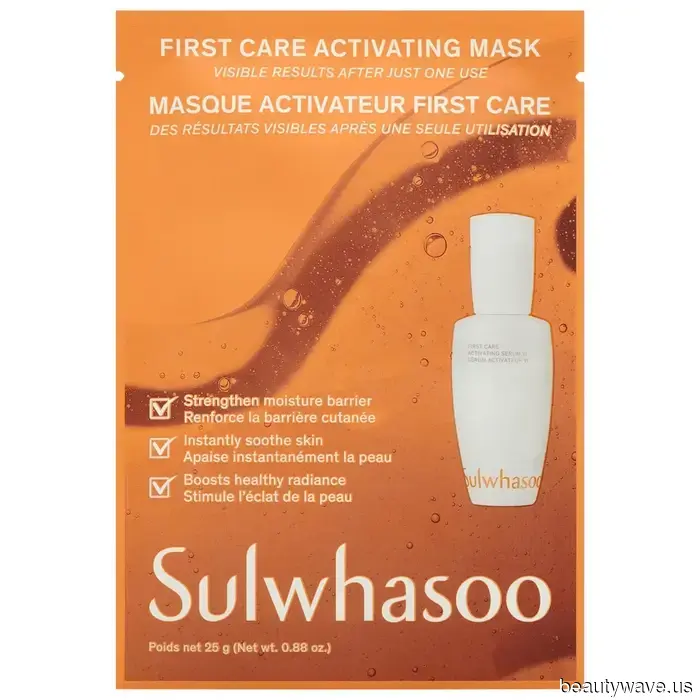
(Image credit: Getty Images; @kaitlyn_mclintock; Original art by Audrey Hedlund)Ginseng has a long-standing reputation in the realms of skincare, wellness, and culinary arts, but not all ginseng is created equal. The specific type used and the extraction method can significantly influence its benefits. Sulwhasoo, a luxury Korean beauty brand, is the foremost expert on ginseng in the skincare sector. This ingredient serves as the backbone of its iconic and bestselling products, such as the First Care Activating Serum ($89).
According to Cho, there are three primary species of ginseng: Panax ginseng from Korea, Panax quinquefolius from the U.S., and Panax notoginseng from China. "Though they may appear alike, they differ significantly at a genetic level. Among them, Panax ginseng—commonly referred to as Korean ginseng—is deemed the most effective. It is known to contain the highest concentrations of ginseng actives compared to its Chinese and American counterparts." This species is indigenous to the Korean Peninsula and Northeast China. "Referred to as 'Koryo Insam,' Korean ginseng gained its reputation for being much more effective than ginseng from other areas," Cho explains. It has been integral to Korean culture for over 2000 years, especially in traditional medicine and culinary practices. "Besides skincare, ginseng has historically been utilized in herbal remedies to bolster stamina, immunity, and overall vitality. It features in traditional tonics, teas, and medicinal broths that remain popular today." In Korean cuisine, ginseng contributes both flavor and wellness benefits. "The quintessential dish is 'samgyetang,' a chicken soup filled with ginseng, jujube, and glutinous rice, believed to replenish energy and strengthen the body," Cho states. "Ginseng is also incorporated into liqueurs, with many crafting their versions at home using fresh ginseng and premium soju. These homemade liqueurs are often enjoyed during festive celebrations and family gatherings




Other articles
 After weeks of searching, I finally discovered the ideal winter bag, and it’s discreetly on sale.
Graceful and functional.
After weeks of searching, I finally discovered the ideal winter bag, and it’s discreetly on sale.
Graceful and functional.
 Aritzia is my go-to for essential wardrobe pieces—here’s everything I have in my cart from their Black Friday sale.
We're highlighting the top wardrobe essentials to purchase from Aritzia's Black Friday sale 2025, including puffer coats and cashmere sweaters.
Aritzia is my go-to for essential wardrobe pieces—here’s everything I have in my cart from their Black Friday sale.
We're highlighting the top wardrobe essentials to purchase from Aritzia's Black Friday sale 2025, including puffer coats and cashmere sweaters.
 The secret to effortless, stylish outfits may have been concealed in the men's section all this time.
As stated by celebrity stylist and vintage specialist, Brie Welch.
The secret to effortless, stylish outfits may have been concealed in the men's section all this time.
As stated by celebrity stylist and vintage specialist, Brie Welch.
 Alexa Chung's Realm: Her Most Successful Collaboration with Madewell, Personal Style Influences, and Boldest Fashion Opinions
Additionally, her collaboration with Madewell, what she is currently reading, and her preferred places in London.
Alexa Chung's Realm: Her Most Successful Collaboration with Madewell, Personal Style Influences, and Boldest Fashion Opinions
Additionally, her collaboration with Madewell, what she is currently reading, and her preferred places in London.
 Indeed, minimalists can incorporate color into their wardrobe—here are five impeccably stylish outfits that support my claim.
Whether it’s a striking bag or a snug scarf, these are the easy ways to enhance your winter outfits—because the cold season doesn’t have to be boring. Continue scrolling to discover the minimalist outfits with color that can even thrill those who prefer simplicity.
Indeed, minimalists can incorporate color into their wardrobe—here are five impeccably stylish outfits that support my claim.
Whether it’s a striking bag or a snug scarf, these are the easy ways to enhance your winter outfits—because the cold season doesn’t have to be boring. Continue scrolling to discover the minimalist outfits with color that can even thrill those who prefer simplicity.
 The Non-Black Jacket Color Trend British and American Women Are Embracing for a More Elegant Look This Winter
It appears pricey each time.
The Non-Black Jacket Color Trend British and American Women Are Embracing for a More Elegant Look This Winter
It appears pricey each time.
From Ginseng to PDRN: 5 Korean Skincare Ingredients Driving the Popularity of High-Performance Products Online
Korean skincare is unparalleled in terms of quality and effectiveness. Let's explore five of the most transformative ingredients available today.