
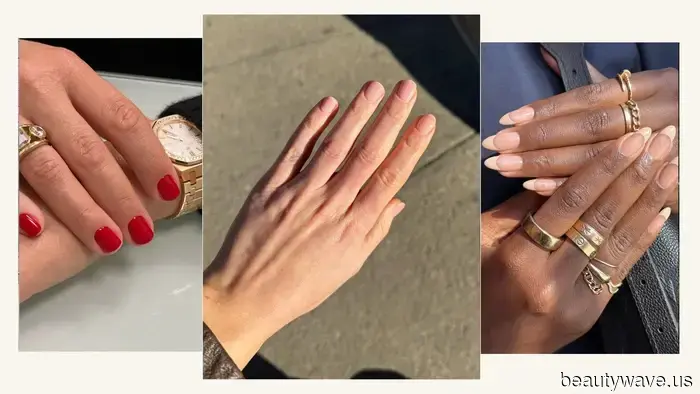
I Tried a Japanese Gel Manicure, and I Won't Regret It—Here's What You Should Know.
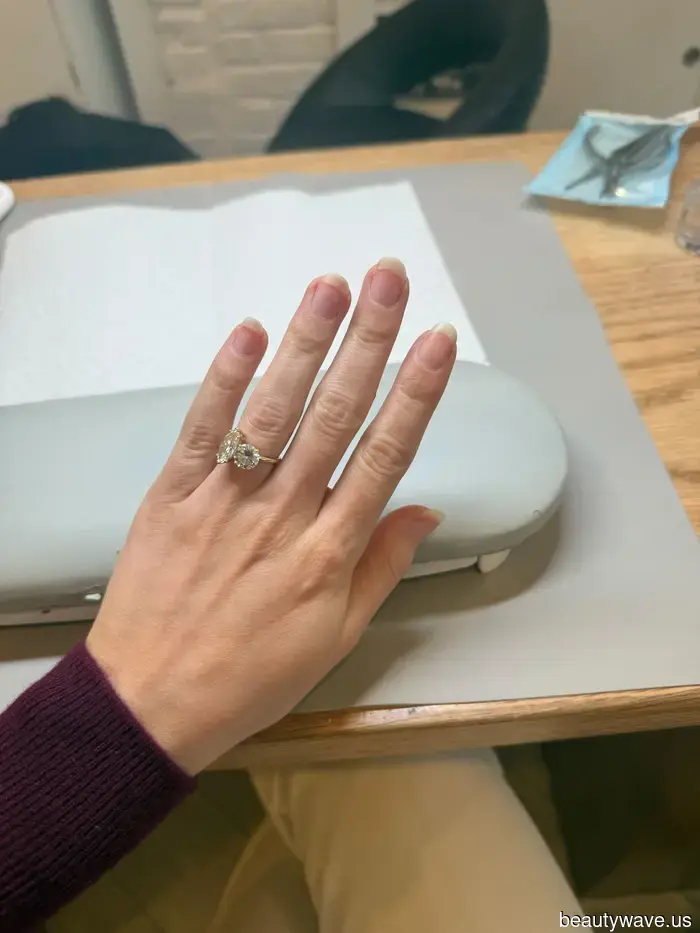
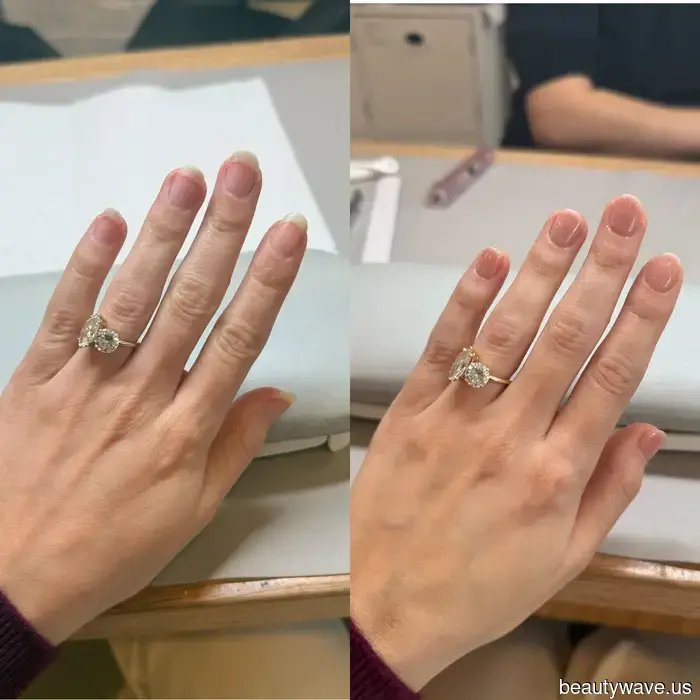
I'm a beauty editor, and I seldom get my nails painted. That statement might sound outrageous coming from someone who spends 85% of her time researching, curating, and writing about popular nail colors, but don't assume that I ignore my nails completely! Instead, I often opt for a "naked" nail appearance featuring a strengthening base coat or a sheer nail concealer. However, for my wedding in November, I wanted to elevate my look. I didn’t intend to completely change my style—I wanted to look like myself, which includes maintaining my neutral-toned manicures—but I felt inspired to try something a bit special—something durable enough to last well past the ceremony. With so many details to manage before a wedding, I was determined that chipped nails wouldn’t be one of them. A gel manicure seemed like the most sensible long-lasting option, but a friend suggested I try Japanese gel instead. "It's much better," she assured me, and since she always showcases the trendiest sets, I booked my bridal manicure the following day. Now? I won't consider anything else for significant occasions. Read on for my comprehensive review, including before and after images and expert tips you need to know.
The process is comparable to a regular gel manicure: preparation, base coat, color, and top coat, all cured under an LED lamp," explains celebrity manicurist Brittney Boyce. The distinction is that the premium gel originates from—surprise—Japan. It’s a hybrid of soft and hard gel, providing extra strength and durability while still looking lightweight and natural, as Boyce notes. "It’s particularly beneficial for those desiring a gentler yet strong option," adds celebrity nail artist Julie Kandalec. "They’re favored for their smoothness, reliability, and artist-friendly nature."
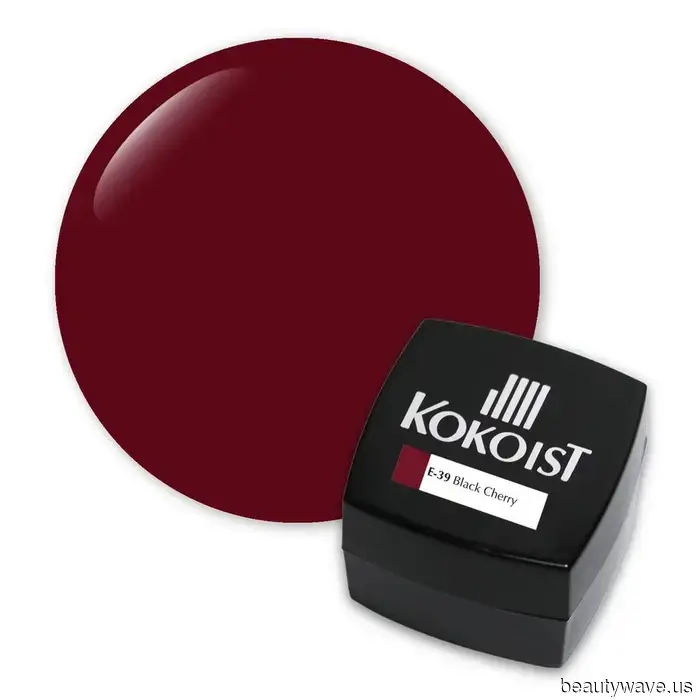
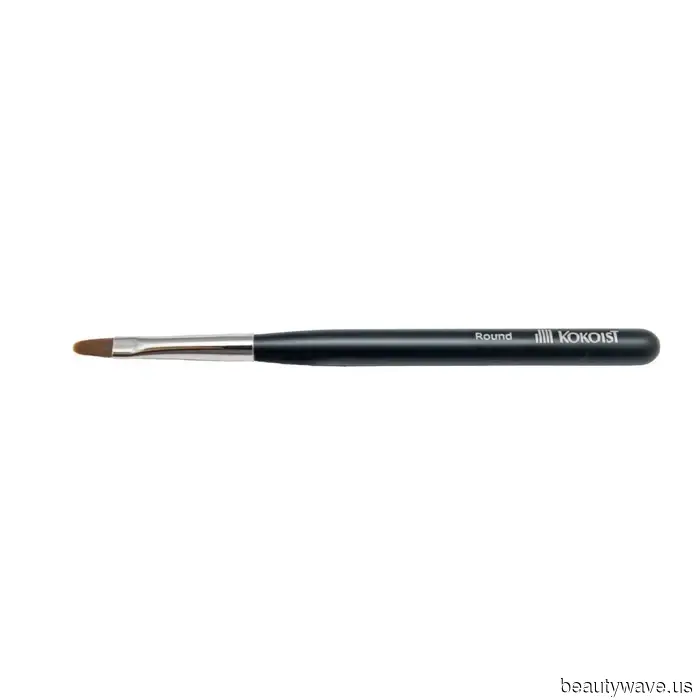
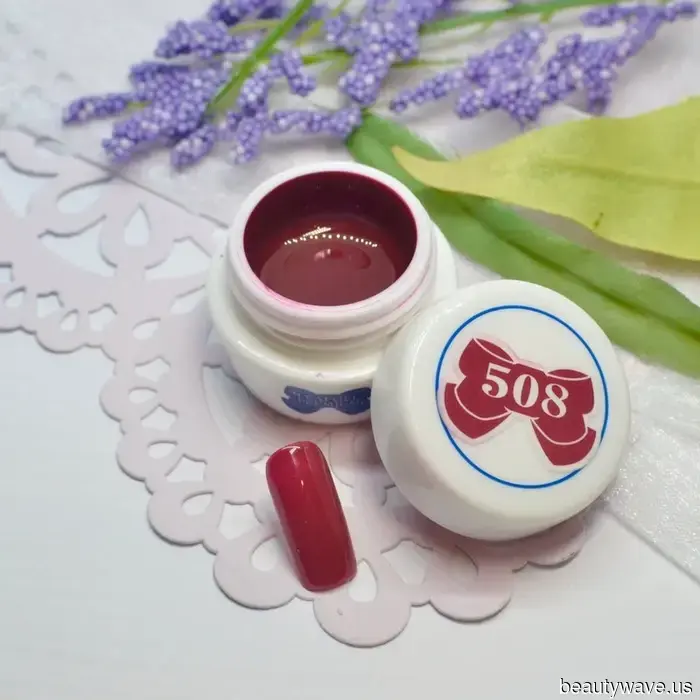
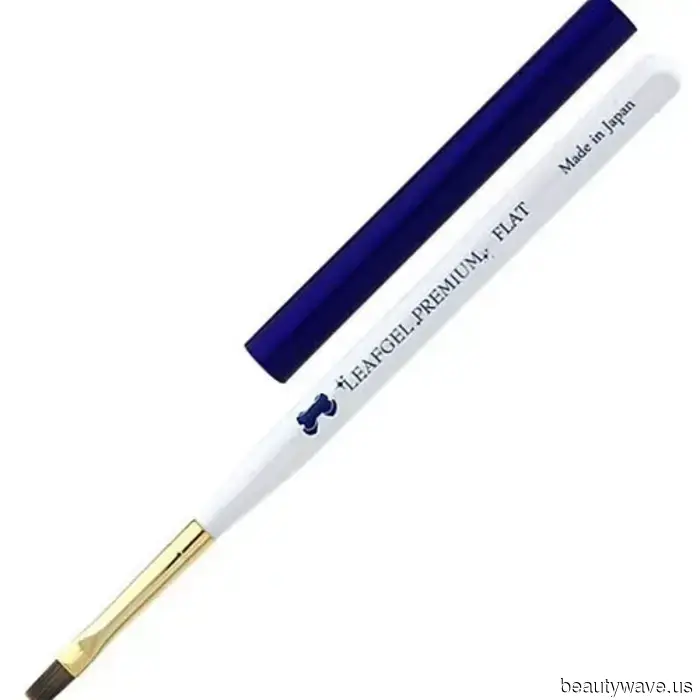
How does Japanese gel stack up against ordinary gel, you might wonder? As Boyce indicated, this hybrid formula allows for stronger nails without feeling cumbersome or unnatural. "It provides extra structure and flexibility, which helps nails maintain their shape longer," she says. Japanese gels also tend to have richer pigmentation, according to Kandalec, and the finish is "super clean and refined," mainly because the product comes in small pots rather than traditional gel bottles. "The nail technician uses a separate brush to apply the gel, allowing for much greater control and precision," Kandalec explains. "Since the technician can select the ideal brush for each step, everything from solid colors to French tips to intricate designs looks sharp and polished. The higher pigmentation means the color shows up well, and the texture facilitates an even application. Many brands also prioritize nail-friendly formulas with fewer solvents or added nourishing ingredients. Overall, it’s simply a more luxurious manicure experience."
However, this premium experience does come at a greater price point: Generally speaking, Japanese gel manicures are pricier than standard gel. On the upside, with Japanese gel, you have the option for fills rather than full removals, which may make the overall expense a bit more manageable.
Is Japanese gel better for your nails? It can be, but not necessarily! Although Japanese gel formulas usually incorporate gentle, nail-friendly ingredients, "healthy nails rely more on the artist's preparation and removal techniques than on the gel itself," Boyce asserts. Kandalec concurs: "Like any manicure, the quality of the product is important, but technique is just as crucial," she says. If the manicure is applied and removed correctly (more on that later), Japanese gel can definitely help keep your natural nails in excellent condition.
My Experience and Review
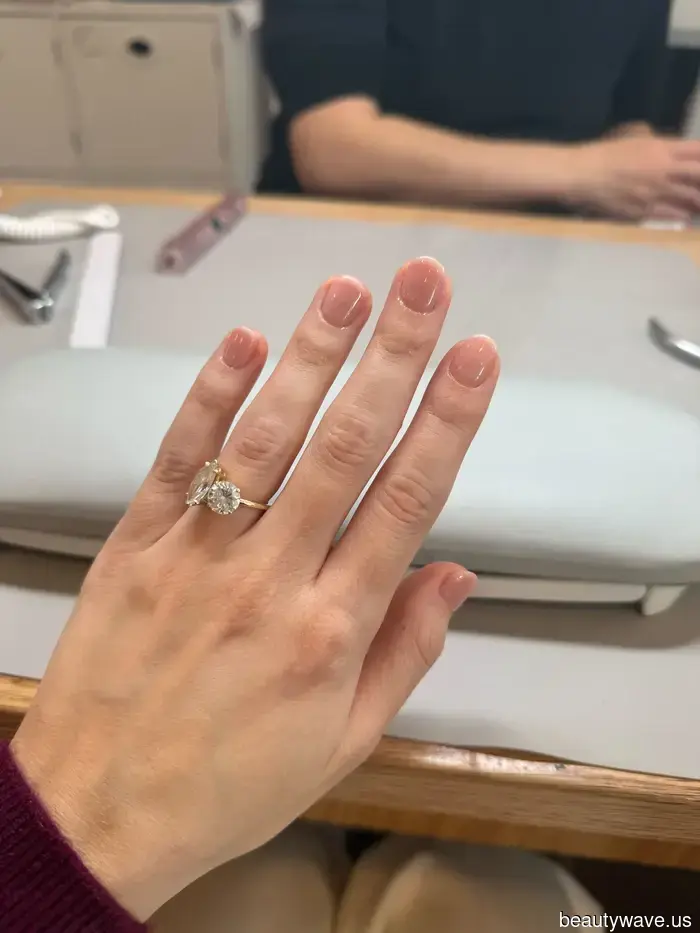
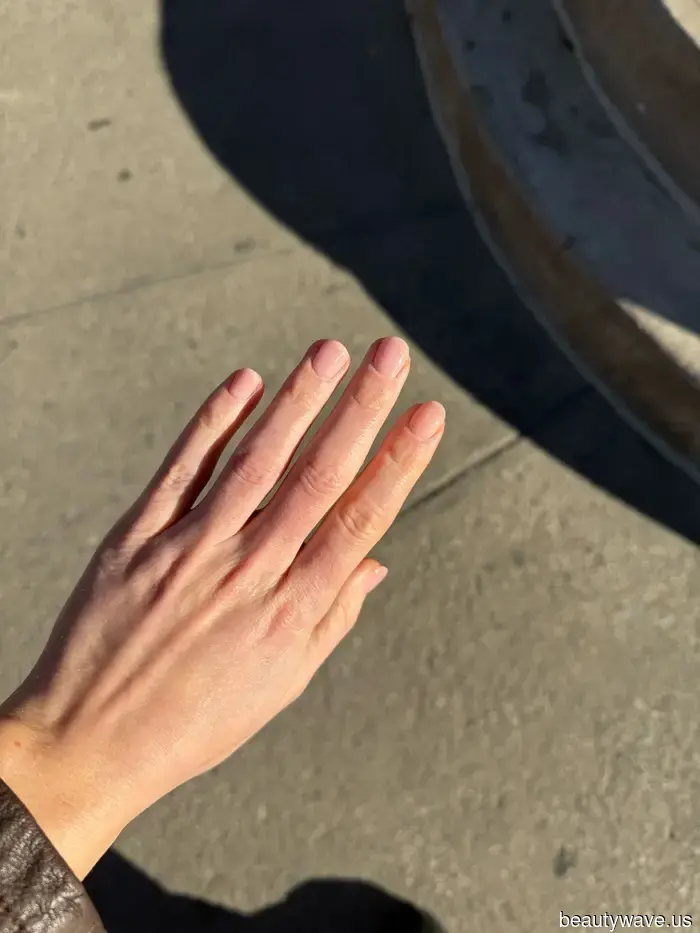
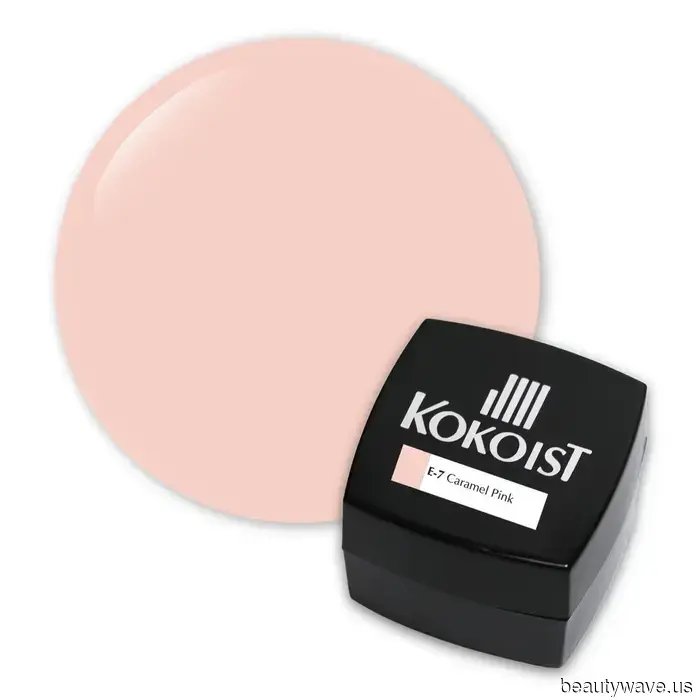
A week prior to my wedding, I visited Mellow Bar in NYC for my first-ever Japanese gel manicure. I likely could have scheduled the appointment closer to the wedding day, but A) I was traveling to the destination a few days later, and B) since I was trying something completely new, I wanted a buffer to correct it if necessary. (Spoiler: I didn’t need to.) "The prep is the same: shaping, cuticle care, and nail cleansing," Kandalec explains. "After that, the experience diverges because the gel is drawn from a pot." Describing the shade I desired (a milky, sheer pink—classic bridal), the nail technician presented me with two small pots of gel. I chose the slightly warmer hue that suited my undertones better. Then, she applied the gel using a brush, curing each layer before proceeding to the next.
I opted for a single coat of color for a very sheer finish, but typically, you'd go for four rounds under the LED lamp: a base coat, two color coats, and a top coat. The entire process took around an hour, and I was thrilled with the outcome—sheer, creamy, and natural-looking, precisely what I wanted for my walk down the aisle.
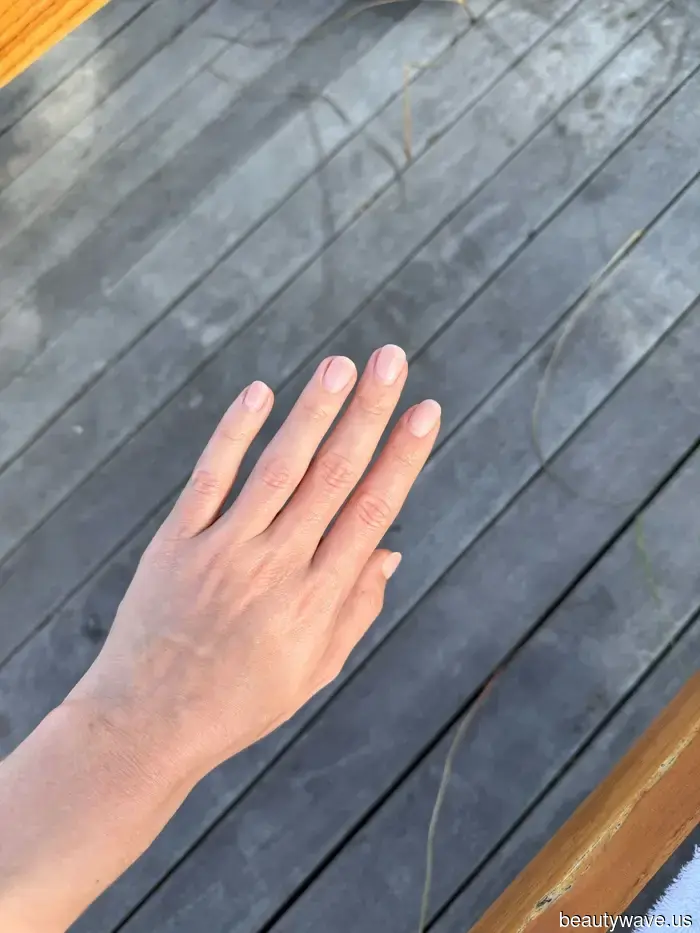
Despite scheduling my appointment early, my nails stayed flawless until the wedding day. "One of the best things about Japanese gel is
Other articles
 Pause on the Ankle Boots for a Moment—Every Luxe Winter Outfit I’ve Collected Highlights This Boot Trend…
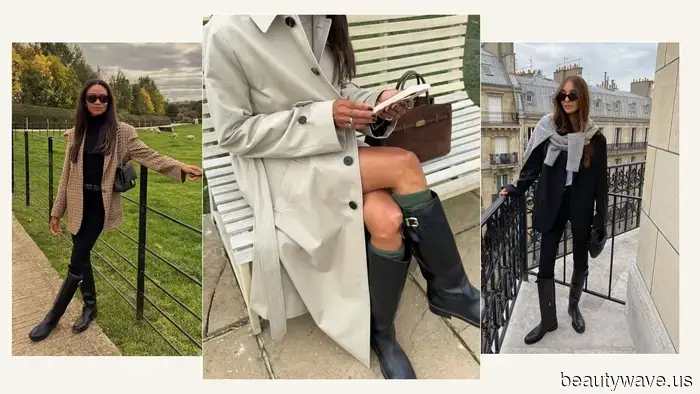
I adore my classic ankle boots, but currently, all the stylish, luxurious winter ensembles I've bookmarked on Instagram highlight the knee-high boot trend. Keep scrolling to check out the outfits with riding boots that I'm replicating.
Pause on the Ankle Boots for a Moment—Every Luxe Winter Outfit I’ve Collected Highlights This Boot Trend…
I adore my classic ankle boots, but currently, all the stylish, luxurious winter ensembles I've bookmarked on Instagram highlight the knee-high boot trend. Keep scrolling to check out the outfits with riding boots that I'm replicating.
 Hold on, Nordstrom has just launched the Half-Yearly Sale—here are the most stylish items that are likely to sell out quickly.
All sorts of items, including coats on sale and shoes.
Hold on, Nordstrom has just launched the Half-Yearly Sale—here are the most stylish items that are likely to sell out quickly.
All sorts of items, including coats on sale and shoes.
 Apologies, Leggings—It Girls are taking private flights to Aspen in sweatpants paired with this winter's chicest coat trend.
It's the travel attire for the ultra-wealthy, akin to a trust fund level of luxury.
Apologies, Leggings—It Girls are taking private flights to Aspen in sweatpants paired with this winter's chicest coat trend.
It's the travel attire for the ultra-wealthy, akin to a trust fund level of luxury.
 It's well-known that Sylvie is the most stylish character on Emily in Paris—I’ve found her most fashionable outfits.
Here’s what you should be aware of.
It's well-known that Sylvie is the most stylish character on Emily in Paris—I’ve found her most fashionable outfits.
Here’s what you should be aware of.
 Reformation seldom has discounts—now their most stylish knitwear is 50% off.
The winter sale at Reformation has begun, featuring 50% off beautiful knitwear. Discover the top offers below.
Reformation seldom has discounts—now their most stylish knitwear is 50% off.
The winter sale at Reformation has begun, featuring 50% off beautiful knitwear. Discover the top offers below.
 Get Ready: These Maximalist Accessory Trends Are Poised to Dominate in 2026
We're drawing inspiration from the runways and Pinterest, opting for one of these five maximalist accessory trends in 2026.
Get Ready: These Maximalist Accessory Trends Are Poised to Dominate in 2026
We're drawing inspiration from the runways and Pinterest, opting for one of these five maximalist accessory trends in 2026.
I Tried a Japanese Gel Manicure, and I Won't Regret It—Here's What You Should Know.
A month later…