
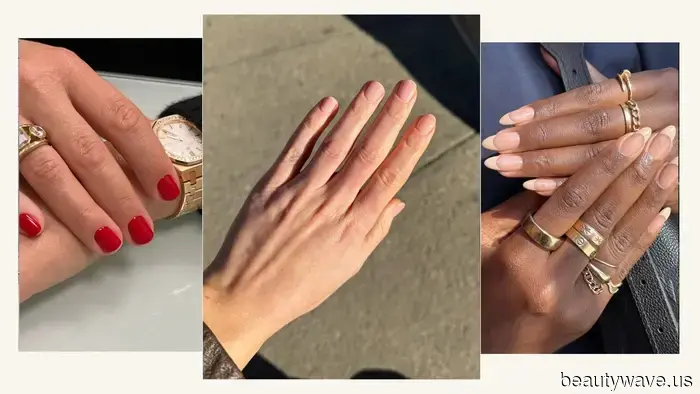
I Tried a Japanese Gel Manicure, and I'm Never Going Back—Here’s What You Should Know.
As a beauty editor, it might sound surprising that I rarely paint my nails. This could be seen as blasphemous coming from someone who dedicates 85% of her time to researching, saving, and writing about the latest nail color trends, but I assure you, I don’t completely overlook my nails! I usually prefer a "naked" look using a strengthening base coat or a subtle nail concealer. However, for my wedding in November, I wanted to step it up a notch. I didn't aim to change my style drastically (it's important to me to look like myself, which includes maintaining my neutral-toned manicures), but I felt inspired to do something a bit more special—something that would last well after the ceremony. With all the last-minute details to think about before a wedding, I was determined not to let chipped nails become one of my concerns.
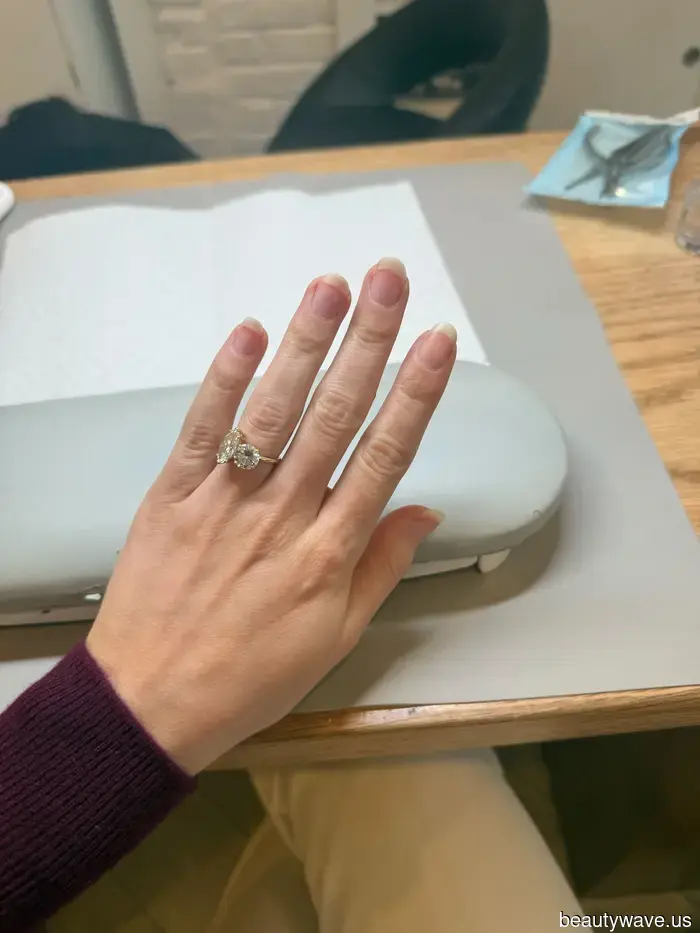
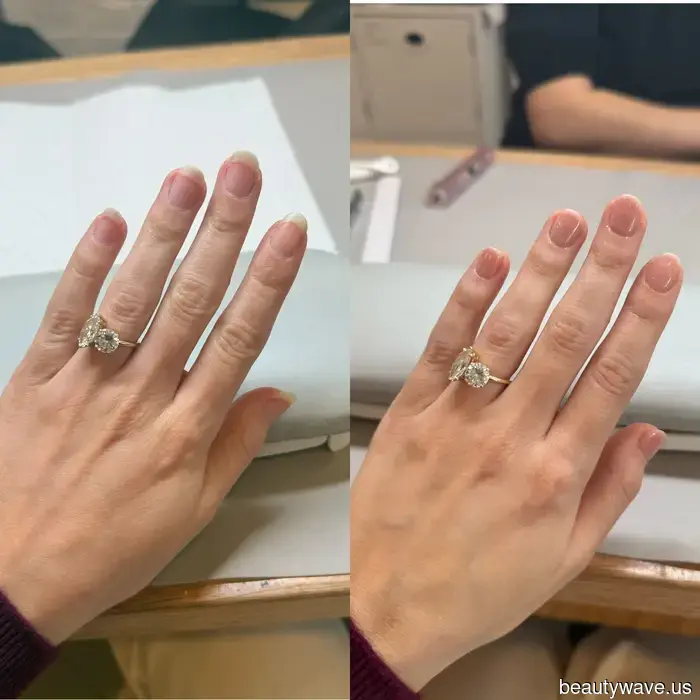
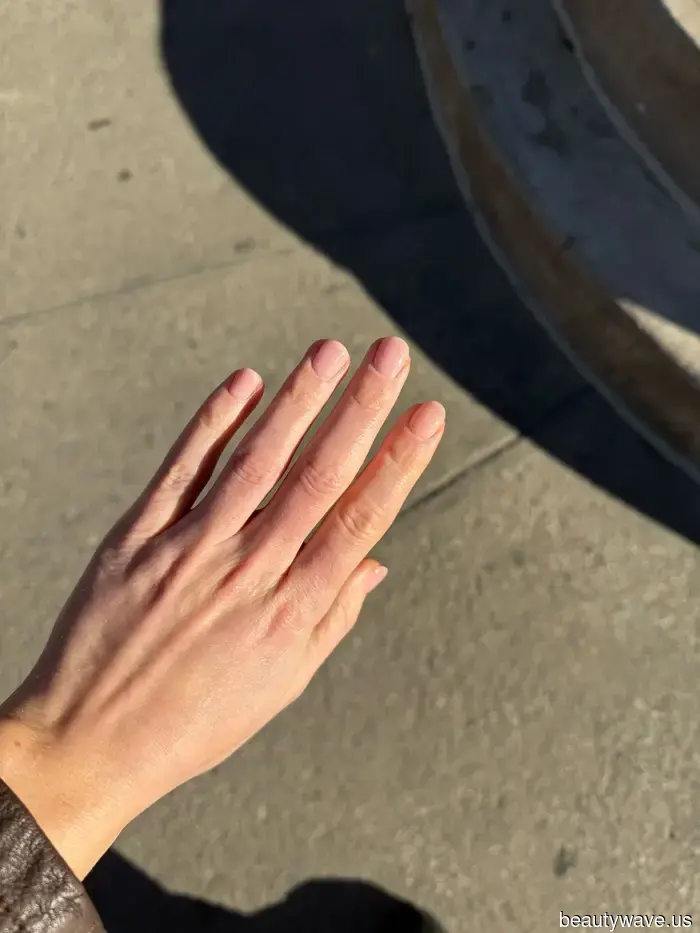
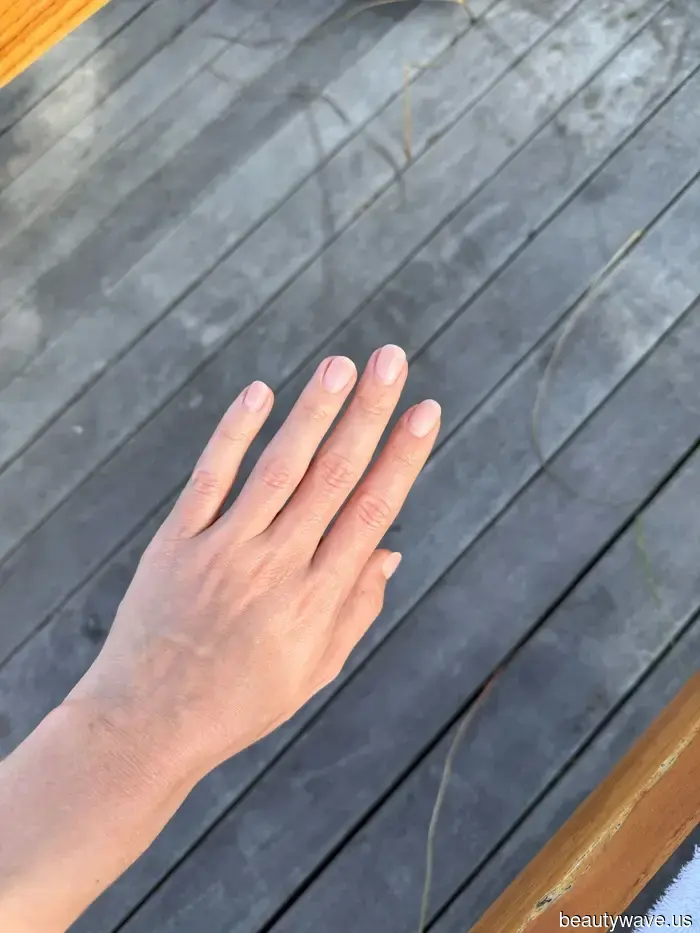
A gel manicure seemed like the best option for durability, but then a friend recommended Japanese gel. "It’s much better," she assured me, and considering she always showcases the most fashionable nails, I decided to book my bridal manicure the very next day. Now, I can't imagine opting for anything else for a significant occasion. Read on for my comprehensive review, complete with before and after images as well as essential expert advice.
According to celebrity manicurist Brittney Boyce, “it’s similar to a standard gel manicure: prep, base, color, and top coat, all cured under an LED lamp.” The distinction lies in the premium gel, which originates from—you guessed it—Japan. Boyce notes it's a hybrid of soft and hard gel, providing added strength and durability while still looking lightweight and natural. Celebrity nail artist Julie Kandalec adds, “It’s particularly suitable for those seeking something gentler yet strong. They are known for being smooth, reliable, and very friendly for artists."
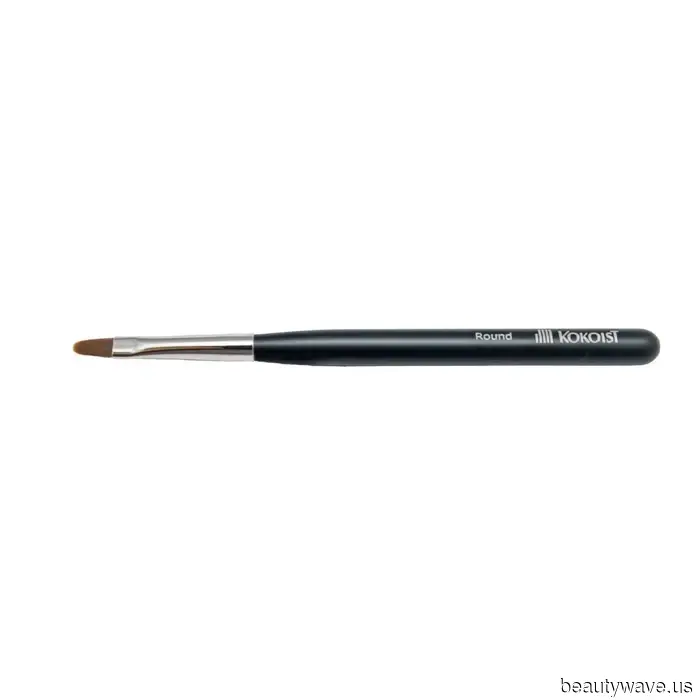
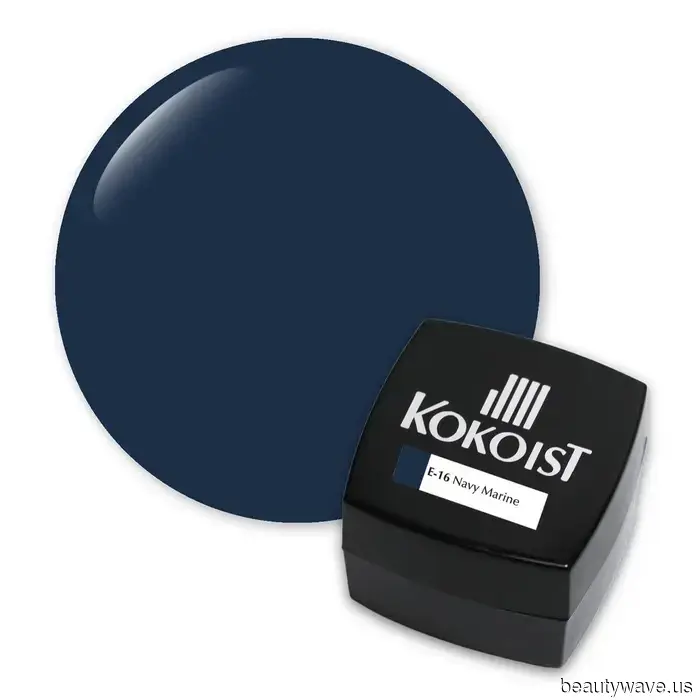
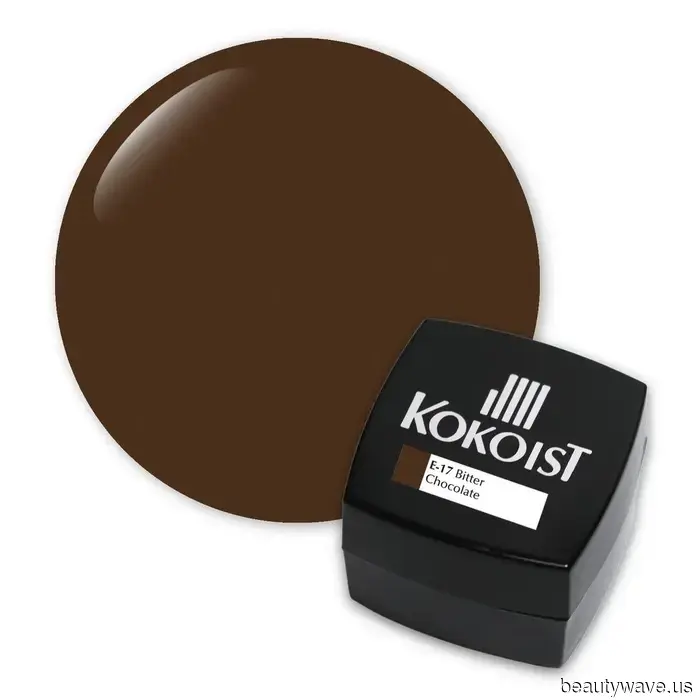
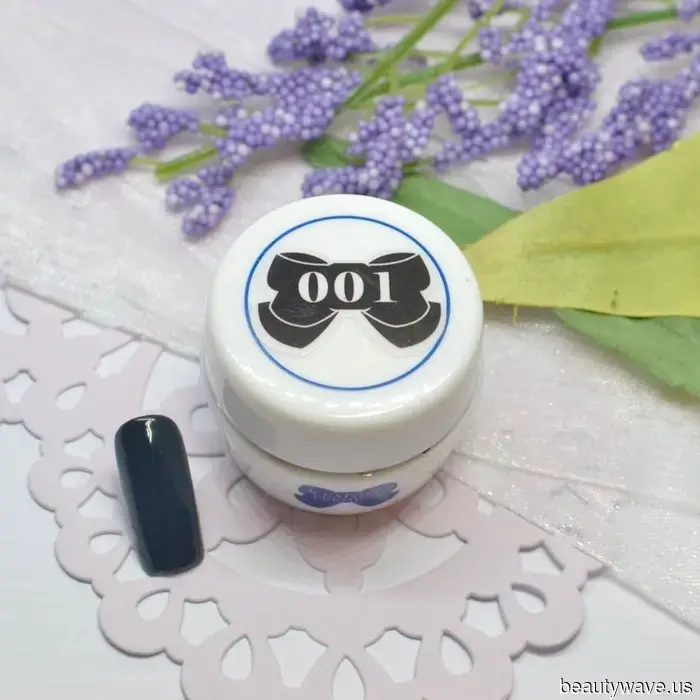
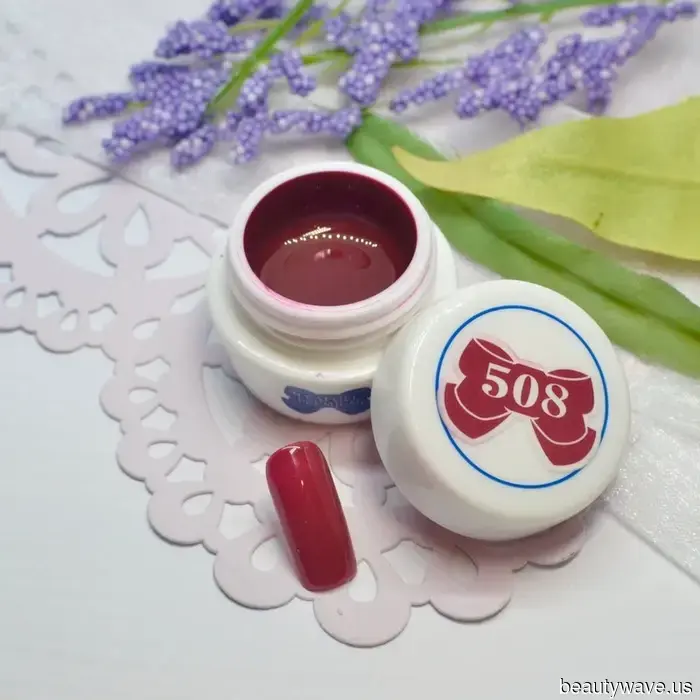
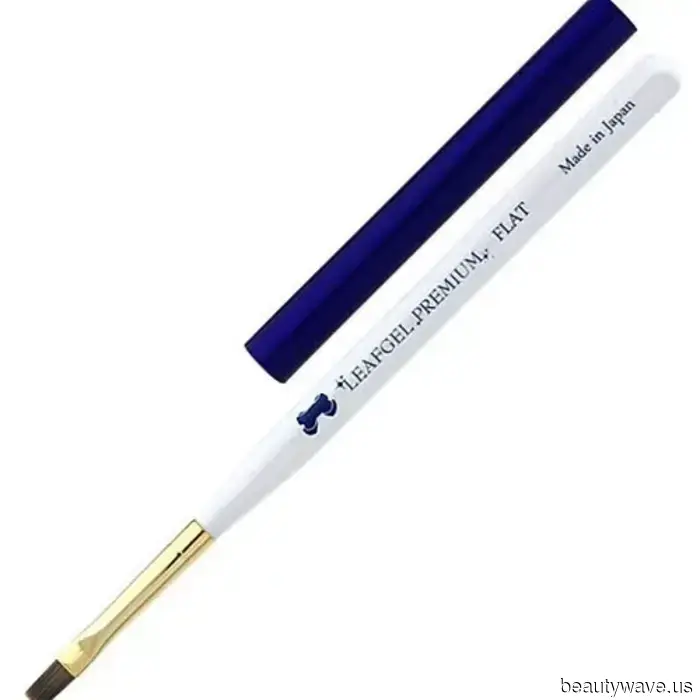
Curious about how Japanese gel compares to regular gel? As Boyce explained, the hybrid formula means greater strength without heaviness or an artificial appearance. "It offers added structure and flexibility, helping nails maintain their shape longer,” she explains. Kandalec further adds that Japanese gels are typically more pigmented, delivering an "extremely clean and refined" finish, largely because the product comes in small pots rather than standard bottles. "The nail technician applies the gel with a separate brush, which allows for much more control and precision," she continues. "The technician can select the ideal brush for every step, whether it's solid colors, French tips, or detailed art, resulting in crisp and smooth finishes. The higher pigment ensures vibrant color, and the texture allows for even application. Many brands also prioritize nail-friendly formulas with fewer solvents or added nourishing ingredients. Overall, it leads to a superior manicure experience."
This enhanced experience does come at a higher price point, however: Japanese gel manicures generally cost more than traditional gels. Nonetheless, you can opt for fills instead of complete removals with Japanese gel, potentially balancing the overall expense with lower maintenance costs.
Is Japanese Gel Better for Your Nails? It can be, but not always! While Japanese gel formulas usually contain gentle, nail-friendly ingredients, "the health of your nails relies more on the technician's prep and removal techniques than on the gel itself," states Boyce. Kandalec agrees: "Like any manicure, the quality of the product is important, but the application technique is just as crucial." Provided the manicure is applied and removed correctly (more on that later), Japanese gel can definitely keep your natural nails in excellent condition.
My Experience and Review
A week prior to my wedding, I headed to NYC's Mellow Bar for my inaugural experience with Japanese gel. I could have scheduled my appointment closer to the wedding, but A) I was traveling to the destination shortly thereafter, and B) I wanted sufficient time to adjust if it didn’t work out (spoiler: it did!).
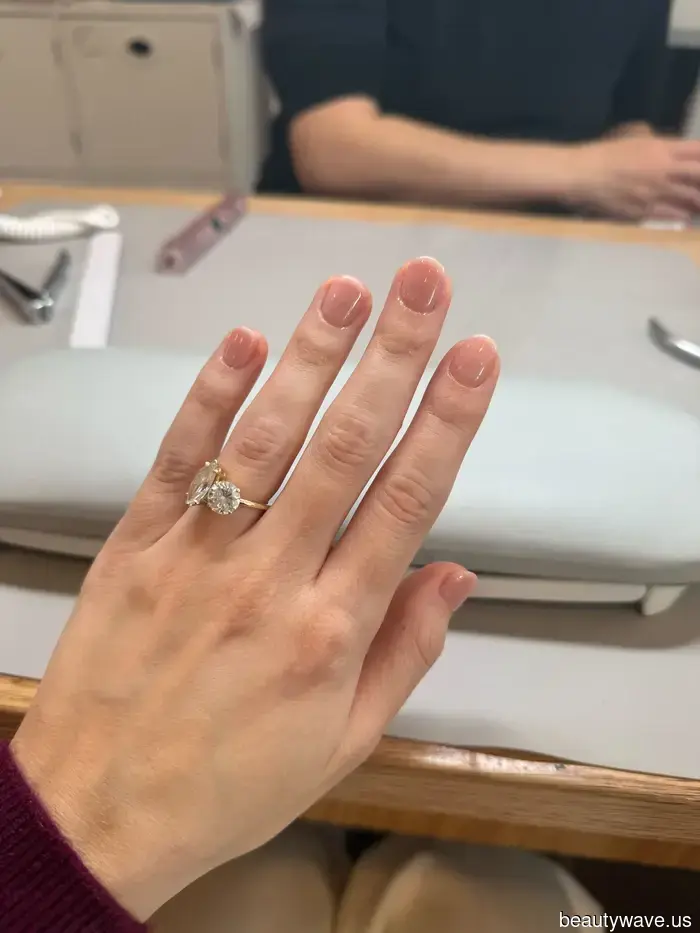
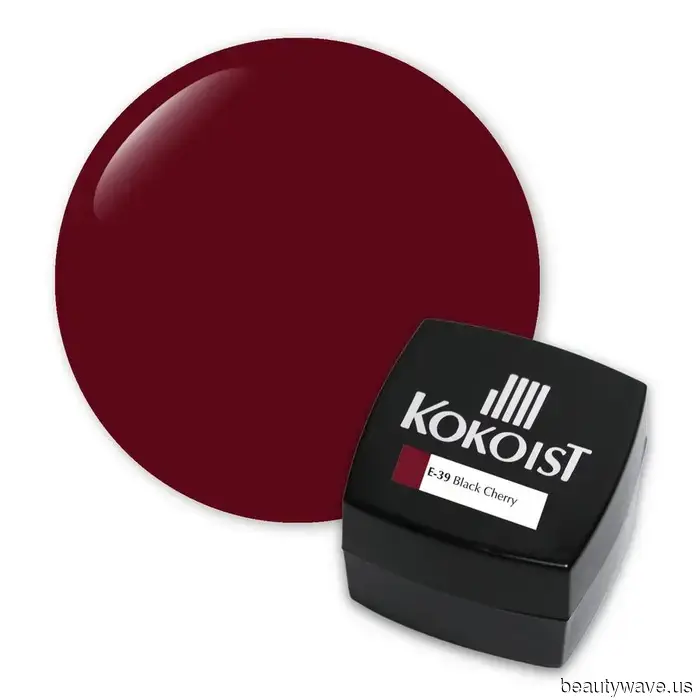
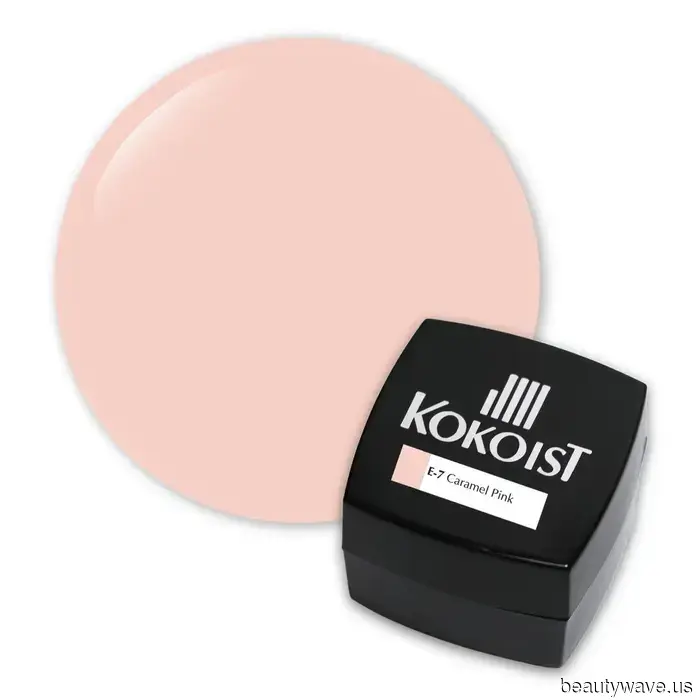
"The prep process remains the same: shaping, cuticle treatment, and cleaning the nails," Kandalec explains. "However, the experience feels a bit different since the gel comes from a pot." After discussing my desired shade with my nail technician (a milky, sheer pink—very bridal), she presented me with two small pots of gel. I chose the warmer-toned shade that was more complimentary to my undertones. She then used a brush to apply the gel, curing each layer before moving on to the next.
I opted for just one coat to maintain a sheer hue, but typically, you would have four layers cured under the LED lamp: a base coat, two color coats, and a top coat. The entire process lasted about an hour, and I was thrilled with the outcome—sheer, creamy, and natural, exactly what I wanted for my walk down the aisle.
Despite scheduling an early appointment, my nails remained flawless until the wedding day. "A great benefit of Japanese gel is its smooth wear
Other articles
 Apologies, Ballet Slippers—I'm opting for this undeniably stylish Essie nail polish this winter.
A favorite of a nail artist.
Apologies, Ballet Slippers—I'm opting for this undeniably stylish Essie nail polish this winter.
A favorite of a nail artist.
 It's a fact: French women are exchanging their red cardigans for this trending staple knit.
It conveys a sense of minimalism.
It's a fact: French women are exchanging their red cardigans for this trending staple knit.
It conveys a sense of minimalism.
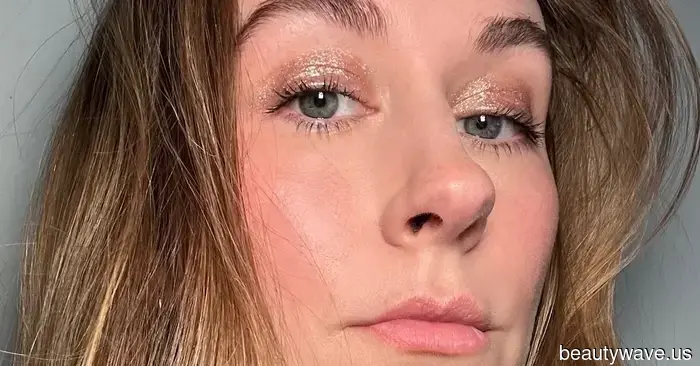 Starry, Shimmery, and Far From Ordinary: If You’re going to purchase just one makeup item for New Year’s Eve, I urge you to choose this one.
Danessa Myricks Colorfix Stix are perfect for New Year's Eve. Click here for a complete review from a beauty editor.
Starry, Shimmery, and Far From Ordinary: If You’re going to purchase just one makeup item for New Year’s Eve, I urge you to choose this one.
Danessa Myricks Colorfix Stix are perfect for New Year's Eve. Click here for a complete review from a beauty editor.
 It’s not too late! These luxurious Aesop sets are ideal last-minute gifts for beauty lovers.
I desire every single one of them.
It’s not too late! These luxurious Aesop sets are ideal last-minute gifts for beauty lovers.
I desire every single one of them.
 Apologies, Leggings—It Girls are traveling to Aspen in sweatpants and the latest sophisticated outerwear trend of the winter.
It's the new travel apparel designed for the ultra-wealthy, akin to a trust fund level of affluence.
Apologies, Leggings—It Girls are traveling to Aspen in sweatpants and the latest sophisticated outerwear trend of the winter.
It's the new travel apparel designed for the ultra-wealthy, akin to a trust fund level of affluence.
 The Upcoming It-Girl Sneakers That Are Just as Stylish as Classic Sambas but Still Not Widely Owned.
Get them before they're gone.
The Upcoming It-Girl Sneakers That Are Just as Stylish as Classic Sambas but Still Not Widely Owned.
Get them before they're gone.
I Tried a Japanese Gel Manicure, and I'm Never Going Back—Here’s What You Should Know.
In four weeks' time…