
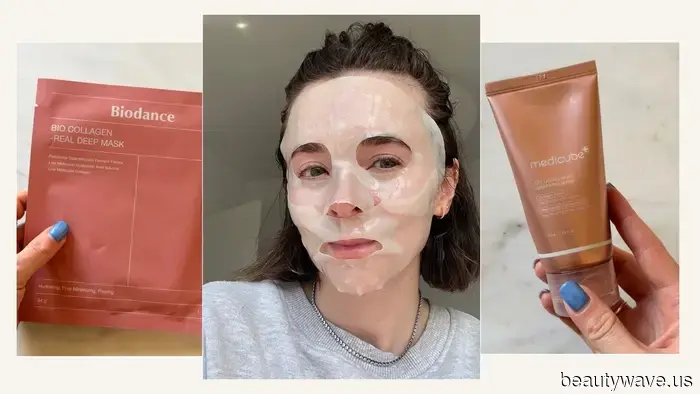
I’m an aesthetician, and here’s the honest truth regarding collagen masks.
Collagen masks are currently trending, and if your social media feeds resemble mine, you’ve probably encountered them all over. From jelly-textured sheet masks to overnight formulas that peel off and promise a glass-like complexion, these products have recently become one of the most talked-about categories in skincare. As both an aesthetician and beauty editor, I often receive inquiries about their effectiveness: do collagen masks truly deliver results? And if they do, which ones are actually worth using?
Here’s the reality: collagen, as an ingredient, is a large protein molecule that is too big to penetrate the skin when applied topically. This means that the collagen found in masks does not replace the collagen we naturally lose due to aging, stress, or environmental factors. Instead, it mainly serves as a humectant, providing temporary hydration, smoothing, and plumping of the skin's surface. While the effects can be visibly appealing in the short term, they don't fully align with the more ambitious claims some fans make.
That said, collagen masks are by no means ineffective. The best formulations are creatively designed to benefit the skin more substantially. Rather than depending solely on collagen, they are infused with ingredients that promote your skin’s natural ability to generate its own collagen. Examples include peptides, vitamin C, retinoids, niacinamide, and barrier-repairing lipids, all working together to enhance firmness, elasticity, and long-term skin vitality.
A well-formulated mask can also be quite beneficial, as it creates an occlusive environment that allows active ingredients to penetrate effectively while also providing that immediate, post-facial glow we all enjoy. In essence, the key lies not in the presence of "collagen" on the label but in the supportive action occurring beneath the surface.
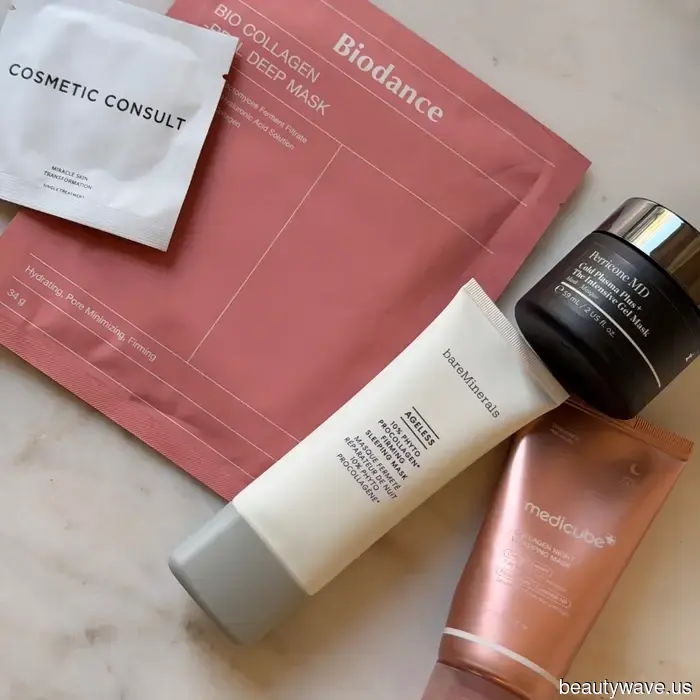
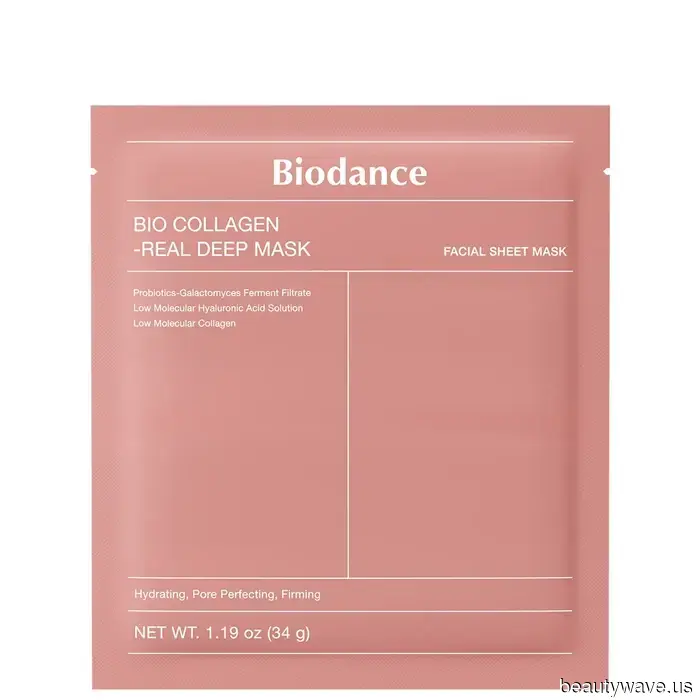
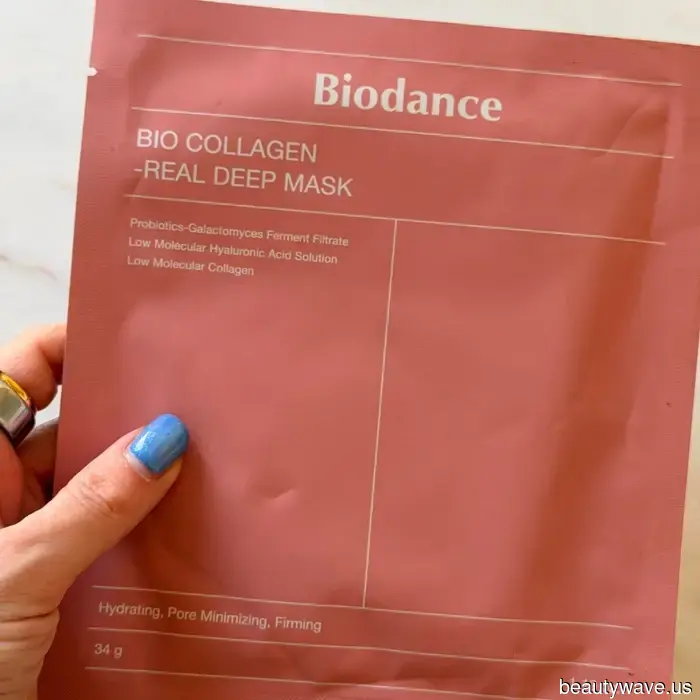
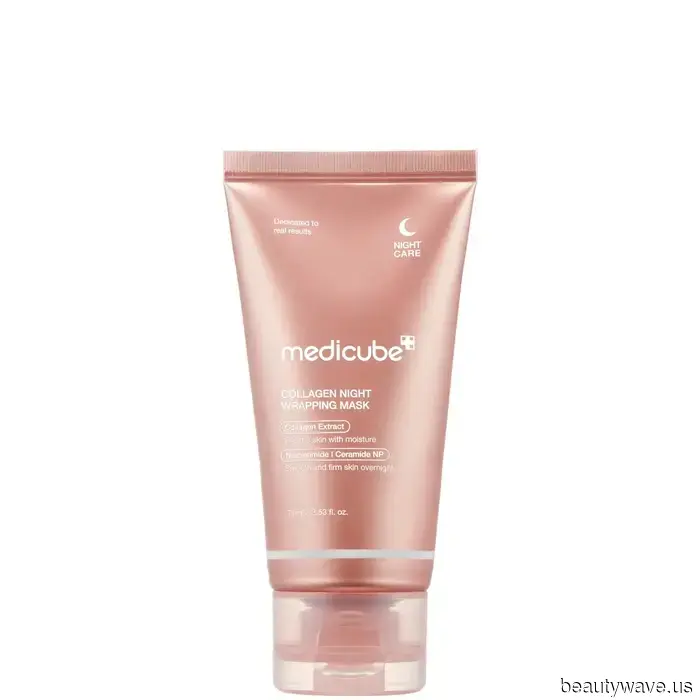
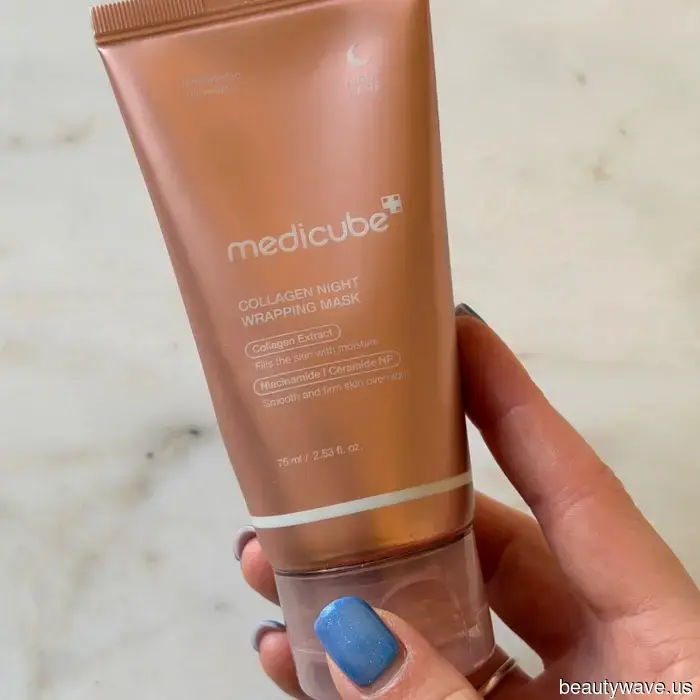
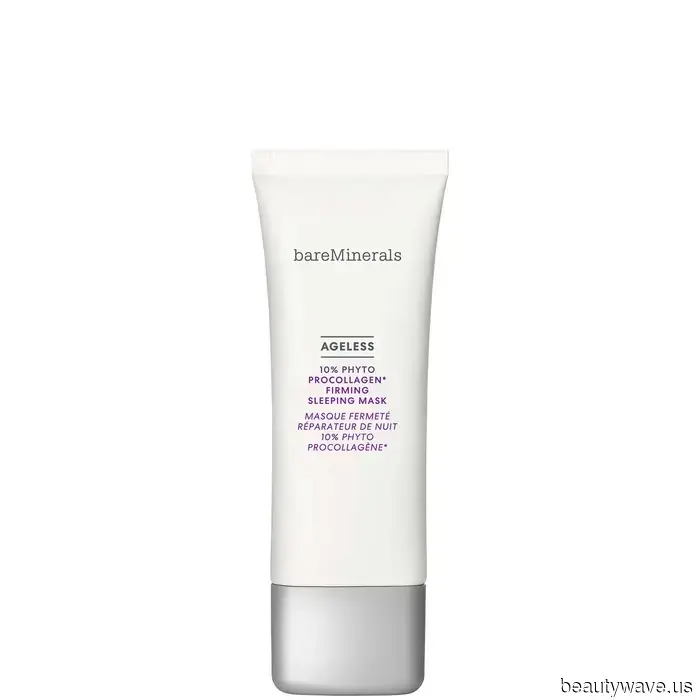
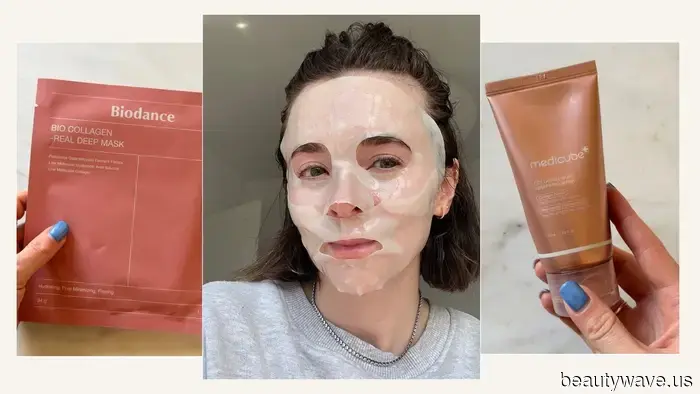
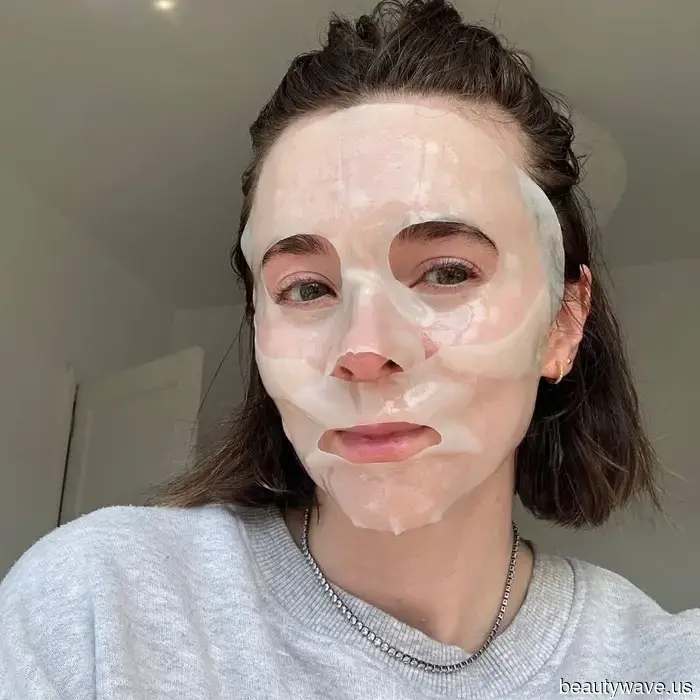
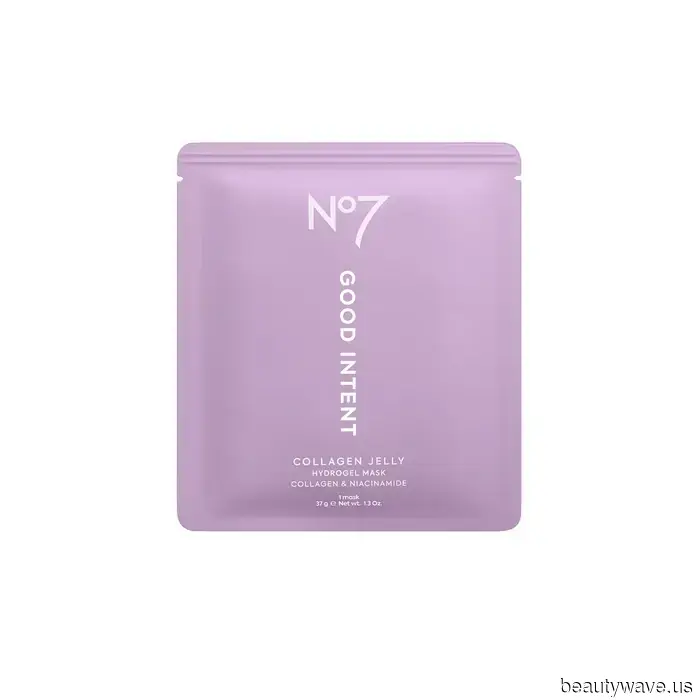
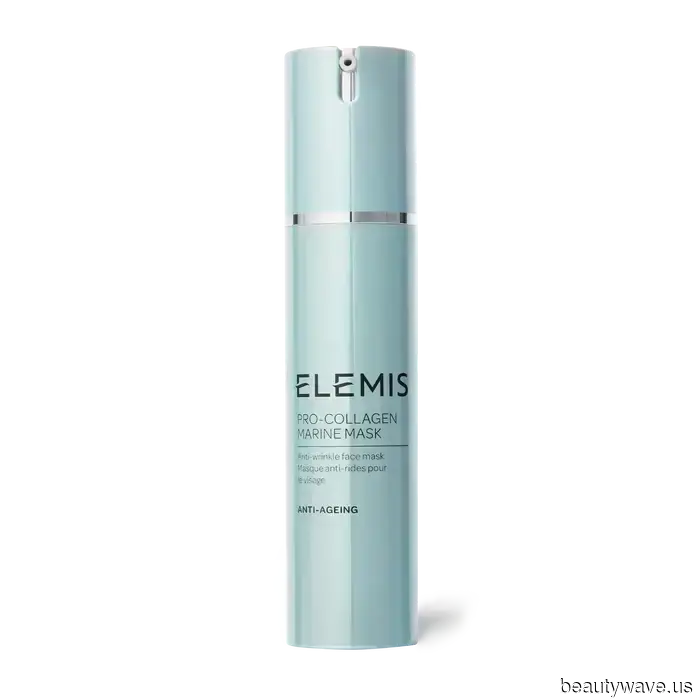
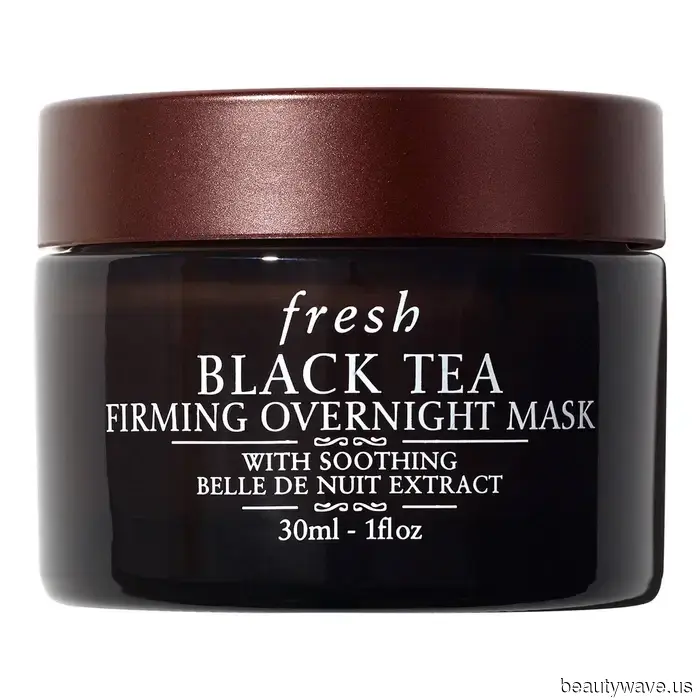
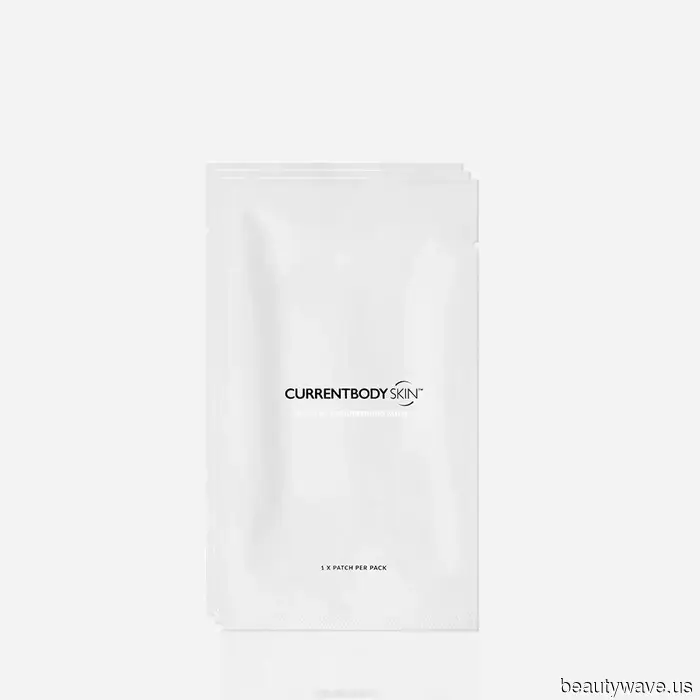
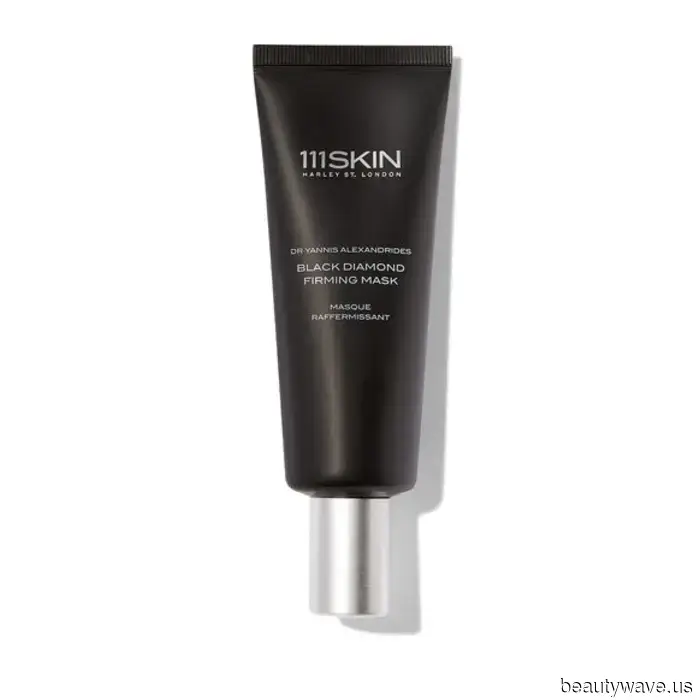
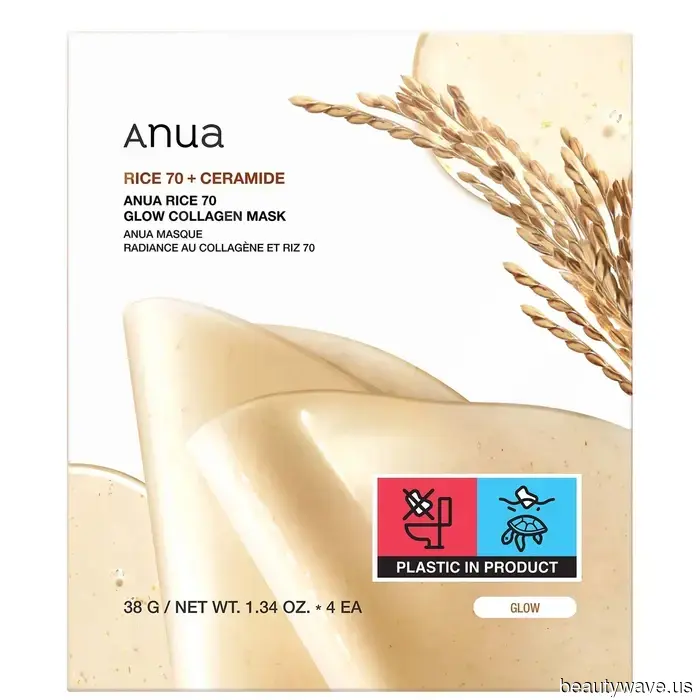
Below, I’ve compiled a list of the best collagen masks worthy of inclusion in your skincare routine. These formulations effectively balance immediate satisfaction with intelligent, skin-first ingredients: they’ve gone viral for good reason, and they deliver results where it truly matters.
**What Is Collagen?**
Collagen is the primary structural protein in the skin. "I like to think of it as the skin's internal scaffolding, which gives it firmness, strength, and shape," explains facialist and skincare expert Charlie Perry. "I often describe it to clients as the framework that supports everything else in the skin, helping it maintain a smooth, resilient ability to recover from stress or pressure."
"Starting in our mid-twenties, collagen production naturally begins to decline, and the existing fibers start to degrade. Factors such as sun exposure, chronic stress, inflammation, poor diet, lack of sleep, and environmental damage can accelerate this process. Over time, you may notice that your skin feels less firm, appears a bit thinner, and is slower to bounce back,” Perry adds.
**How to Boost Collagen Production**
"Collagen is synthesized within the skin, and to support its production, we need a two-pronged approach," states Perry. "We want to both stimulate new collagen production and protect the existing collagen. To encourage this production, we can utilize ingredients and treatments that signal the skin to repair and regenerate. Vitamin A derivatives—like retinoids, such as retinol or retinal—accelerate cell turnover and promote collagen synthesis, while vitamin C supports the enzymes involved in building new fibers, and peptides serve as messengers instructing the skin to reinforce its structure. Gentle exfoliation or professional treatments can create a controlled, mild 'stress' that incites the skin's repair process, resulting in the gradual formation of firmer, stronger fibers."
At the same time, it’s crucial to protect and preserve the collagen that’s already present. "UV exposure, stress, inflammation, insufficient sleep, and environmental damage all contribute to collagen degradation," Perry emphasizes. "Therefore, focusing on sun protection, stress management, obtaining restorative sleep, and maintaining a balanced diet can help slow down this process, ensuring existing collagen fibers stay healthy and preserve the skin’s resilience."
**What to Look for in a Collagen Mask**
Keep in mind that just because a product includes "collagen" in its name doesn’t mean its primary function is to boost collagen levels in the skin. "Topical collagen products often fall short because they can't penetrate the deeper layers of skin where collagen is produced," points out Perry. "Collagen molecules are large and are unable to pass through the skin's outer barrier (the stratum corneum), so they can't interface with fibroblasts (the cells responsible for collagen production). On the surface, these products can temporarily hydrate and plump the skin, but they don’t trigger the necessary repair or regeneration processes to genuinely create new collagen."
If enhancing collagen production is your key objective, the most effective masks might not even mention "collagen" in their names. This is because products that stimulate collagen operate differently from simply applying topical collagen. Instead of delivering collagen, they utilize smaller, active molecules such
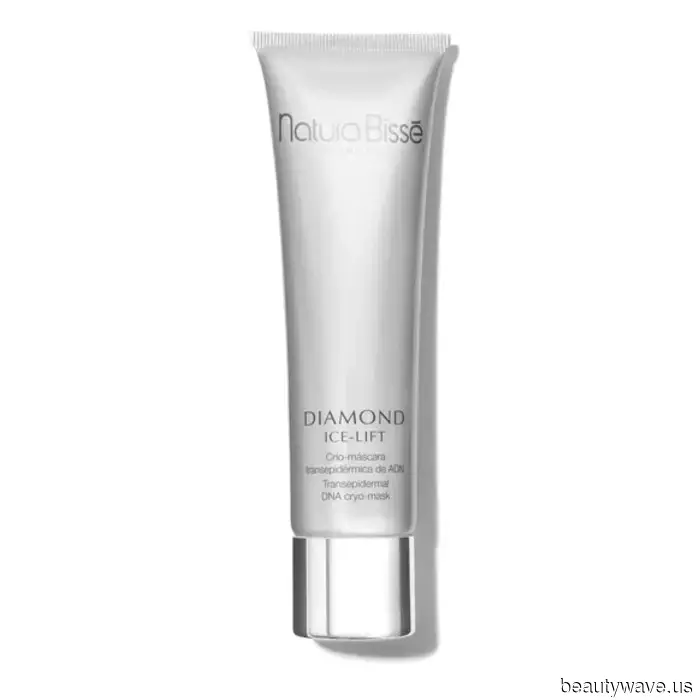
Other articles
 Remember my words: In 2026, every fashionable individual will be wearing these Abercrombie & Fitch jeans.
Explore the anticipated denim styles for 2026 at Abercrombie & Fitch.
Remember my words: In 2026, every fashionable individual will be wearing these Abercrombie & Fitch jeans.
Explore the anticipated denim styles for 2026 at Abercrombie & Fitch.
 Emily Bader from People We Meet on Vacation believes that we should expect more from romantic comedies.
In this In Focus column, we interview actress Emily Bader, who stars in People We Meet on Vacation, discussing her acceptance of her more outspoken qualities and the current landscape of romantic comedies.
Emily Bader from People We Meet on Vacation believes that we should expect more from romantic comedies.
In this In Focus column, we interview actress Emily Bader, who stars in People We Meet on Vacation, discussing her acceptance of her more outspoken qualities and the current landscape of romantic comedies.
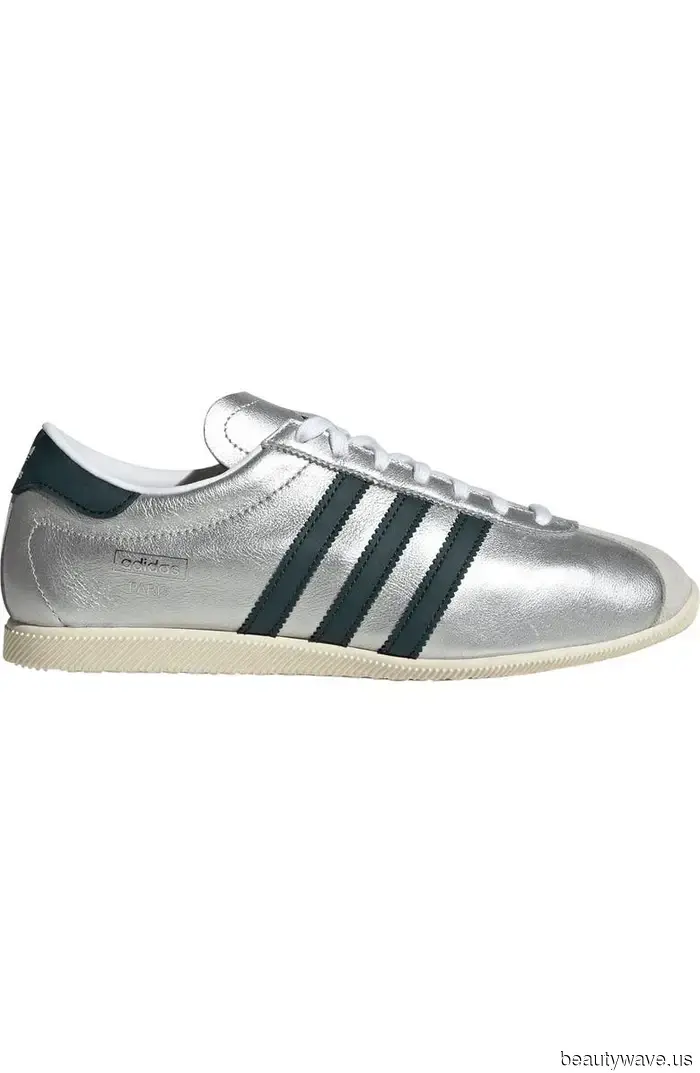 It's Time for a 2026 Sneaker Refresh—12 Stylish Pairs from Nordstrom That Will Wow Your Fashionable Friend
If you're in search of a fresh pair of sneakers to kick off 2026 the right way, you've arrived at the perfect spot. Explore our curated collection of trendy sneaker choices today.
It's Time for a 2026 Sneaker Refresh—12 Stylish Pairs from Nordstrom That Will Wow Your Fashionable Friend
If you're in search of a fresh pair of sneakers to kick off 2026 the right way, you've arrived at the perfect spot. Explore our curated collection of trendy sneaker choices today.
 Bootcut jeans are making a comeback—these are the non-trend shoes that pair best with them.
As observed on Bella Hadid.
Bootcut jeans are making a comeback—these are the non-trend shoes that pair best with them.
As observed on Bella Hadid.
 It's time for a 2026 sneaker update—12 stylish pairs from Nordstrom that will impress your fashion-savvy friend.
If you want a new pair of sneakers to kick off 2026 in style, you're in the right spot. Browse our curated collection of stylish sneaker choices today.
It's time for a 2026 sneaker update—12 stylish pairs from Nordstrom that will impress your fashion-savvy friend.
If you want a new pair of sneakers to kick off 2026 in style, you're in the right spot. Browse our curated collection of stylish sneaker choices today.
 Experts predict that in 2026, every fashionable individual will be donning these 6 fringe trends.
It's time to contact my hairdresser.
Experts predict that in 2026, every fashionable individual will be donning these 6 fringe trends.
It's time to contact my hairdresser.
I’m an aesthetician, and here’s the honest truth regarding collagen masks.
Additionally, those that are effective.