
How to Establish the Ideal Haircare Routine, According to Leading Experts
When I was younger, my haircare routine was limited to just shampoo and conditioner. That was all I did, and I now cringe at the thought of not using a heat protectant or a nourishing hair mask before damaging my ends with old straighteners, not to mention skipping a hair serum. Thankfully, things have evolved, and with a wealth of information available on how to care for different hair types, it’s safe to say my haircare regimen has become more sophisticated. Similar to my skincare routine, I’m not just focusing on how my hair looks, but also on the overall health of my hair and scalp, opting for products that will provide long-term benefits. However, with the plethora of scalp serums, hair oils, and deep-conditioning treatments available, it can feel quite overwhelming.
To clarify what a perfect haircare routine entails, I consulted two leading experts in the field: Anabel Kingsley, the lead trichologist and president of Philip Kingsley, and Tina Farey, the editorial director at Rush Hair. I spoke with them about creating an effective haircare routine with the right products. Keep reading for their expert advice.
**How to Build a Haircare Routine**
So, where should you begin? "Starting a routine from the ground up means you must first focus on the fundamentals," explains Farey. "Identify your hair type, texture, and specific concerns you want to address. If you're uncertain, consult your stylist who can provide guidance." According to Farey, once you establish your routine, maintaining consistency is crucial. "Keep in mind that consistency is more important than quantity, and you should adapt your routine as your hair's needs change," she advises. "Make sure to choose products specifically formulated for your hair type, rather than just following the latest social media trend for meaningful results."
Another essential point to remember is that every step in your routine matters. "Every stage must work together to achieve your desired outcome," says Farey. "Cleansing eliminates build-up and residue from the scalp, conditioning addresses dryness, dehydration, or damage, and treatments like hair masks, oils, and heat protectants focus on specific hair issues."
**What Does the Ideal Haircare Routine Look Like?**
"The ideal haircare routine will vary from person to person," says Kingsley. "No two heads of hair are identical. Factors like seasons, hair condition, styling preferences, and age also come into play." However, Kingsley suggests that certain general principles can lead to a healthy scalp and hair. If experts were to outline the perfect routine, it might look like this:
1. **Pre-Shampoo Treatment**
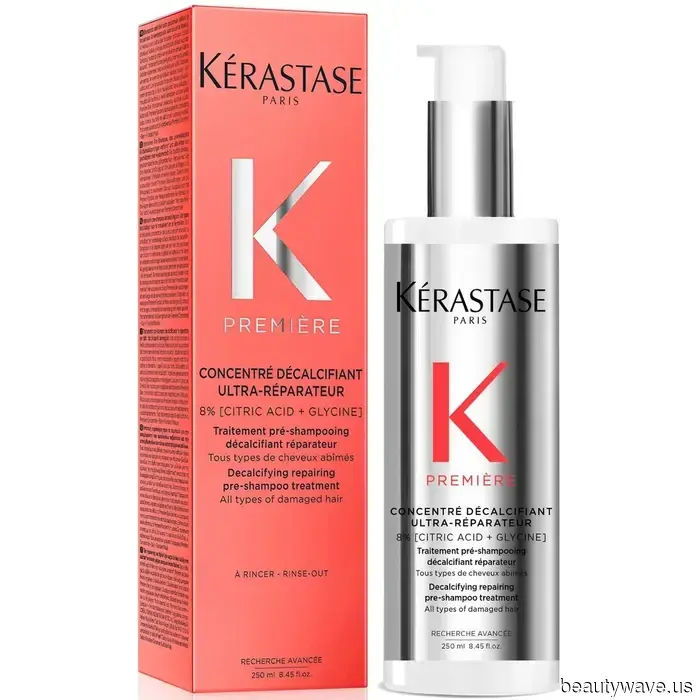
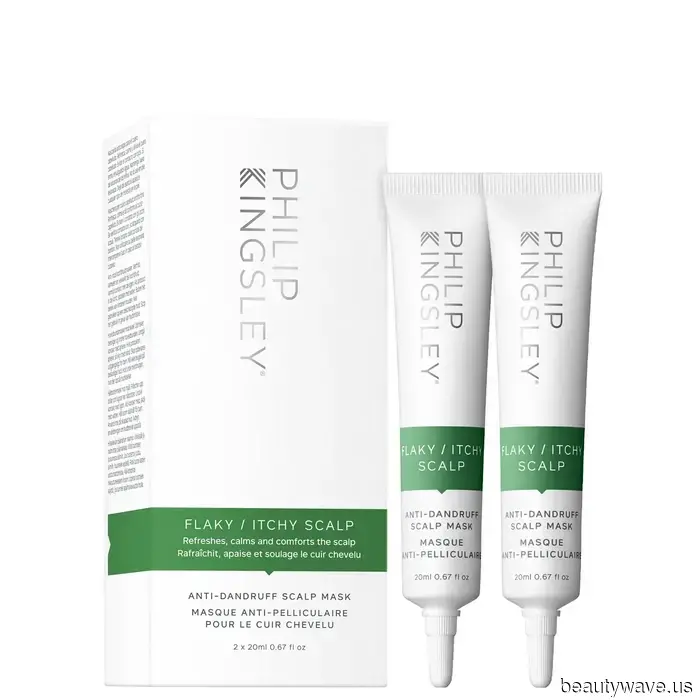
This is optional, but if you're looking to elevate your haircare, or if your hair is especially damaged, Farey recommends beginning with a nourishing pre-shampoo treatment. "I highly recommend Kérastase Première Bonding Pre-Shampoo Hair Treatment as it preps and nourishes hair before cleansing without stripping moisture." If you're dealing with product buildup, you might also consider a treatment to enhance cleansing. "If you wash your hair less often than every two days, try an exfoliating scalp mask before shampooing, then use an anti-microbial (or anti-dandruff) shampoo as your initial cleanse, followed by a shampoo suitable for your hair texture," Kingsley suggests. "Pre-shampoo treatments can be applied generously, allowing for higher concentrations of actives, and since residues are washed away, they can be applied closer to the roots without weighing down your hair."
2. **Shampoo**
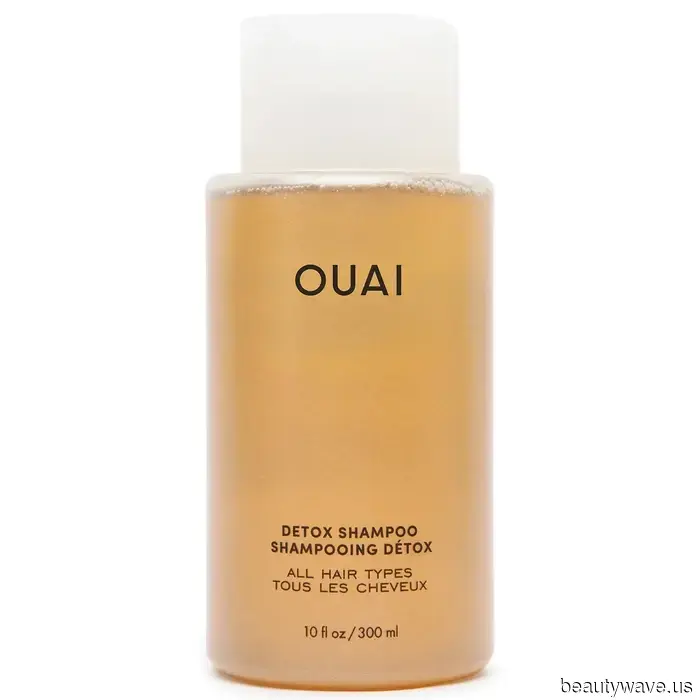
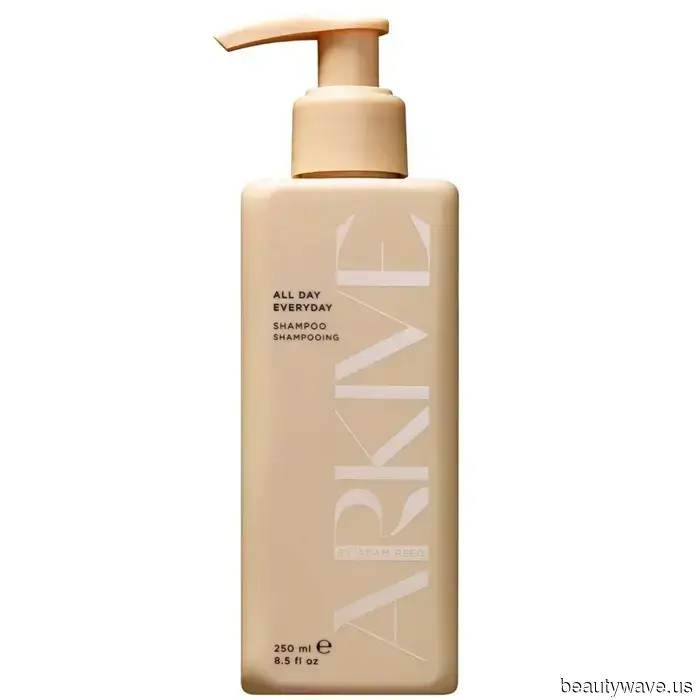
Now onto the crucial shampoo step. "Shampooing removes old, oxidized oils, dead skin cells, sweat, product buildup, and pollution—things that can negatively impact scalp health and hair growth," explains Kingsley. The frequency of washing depends on your hair type. If you have oily roots, you'll likely want to wash more often than someone with dry hair. As mentioned, if you don't wash your hair often, it's best to start with a clarifying shampoo before using a formula tailored to your hair type for the second cleansing. If you wash daily or every other day, Kingsley recommends shampooing once using a product suited for your hair texture. How to apply shampoo is also crucial. "Concentrate on your scalp, not the strands," advises Kingsley. "Avoid rubbing your hair or piling it on top of your head. There’s no need to apply shampoo directly to the mid-lengths and ends. Instead, gently work the suds through your lengths and rinse thoroughly."
3. **Conditioner**
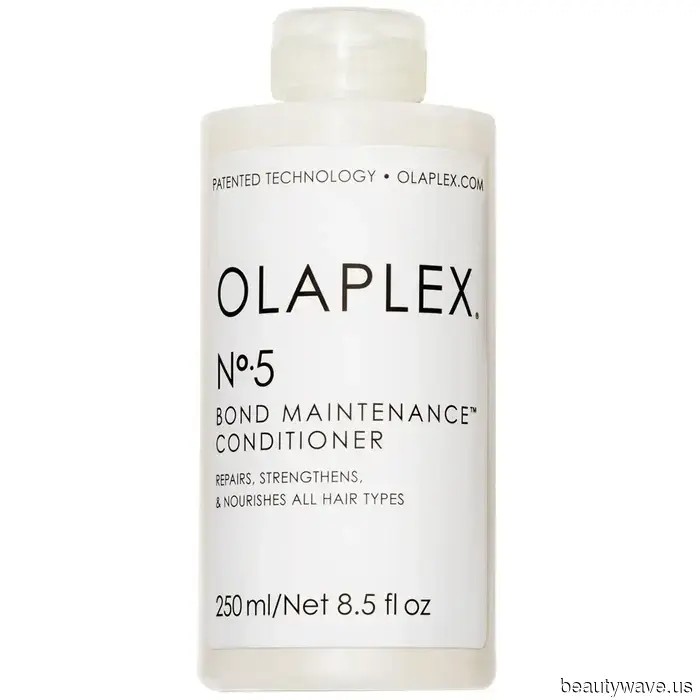
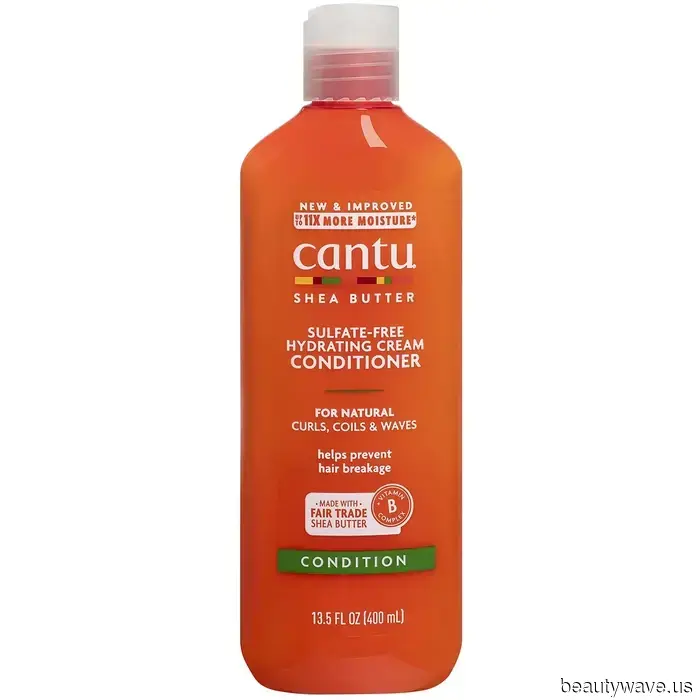
"Always apply conditioner after shampooing," states Kingsley. "Conditioners detangle, reduce frizz and static, and create a light protective layer over your hair. If you have fine or thin hair, use a small amount, focusing on mid-lengths and ends. For coarser or coiled hair, apply more generously, but avoid the scalp."
4.

Other articles
 How to Develop the Ideal Haircare Routine, as Advised by Leading Experts
From beginning to end.
How to Develop the Ideal Haircare Routine, as Advised by Leading Experts
From beginning to end.
 I assure you that these H&M products will be sold out by March 1.
The finest of the early spring collection.
I assure you that these H&M products will be sold out by March 1.
The finest of the early spring collection.
 It's only February, but Zara has already released all the stylish spring trends—6 items that will sell out first.
Believe me, they won't last much longer.
It's only February, but Zara has already released all the stylish spring trends—6 items that will sell out first.
Believe me, they won't last much longer.
 5 Winter Skirt Trends Everyone Is Pairing With Boots This Year
If you want to enhance your winter wardrobe, consider these five skirt trends that style icons are sporting all around. Explore the trends here.
5 Winter Skirt Trends Everyone Is Pairing With Boots This Year
If you want to enhance your winter wardrobe, consider these five skirt trends that style icons are sporting all around. Explore the trends here.
 If Aspen, Saint Moritz, or Cortina is the destination, these 30 items will be packed in the luggage.
(Opposite Mammoth or Killington.)
If Aspen, Saint Moritz, or Cortina is the destination, these 30 items will be packed in the luggage.
(Opposite Mammoth or Killington.)
 All around me, fashionable Londoners are embracing the understatedly elegant cardigan trend that exudes an "expensive" vibe.
This is the understatedly stylish knitwear look that sophisticated women depend on to enhance their daily ensembles.
All around me, fashionable Londoners are embracing the understatedly elegant cardigan trend that exudes an "expensive" vibe.
This is the understatedly stylish knitwear look that sophisticated women depend on to enhance their daily ensembles.
How to Establish the Ideal Haircare Routine, According to Leading Experts
From beginning to end.