
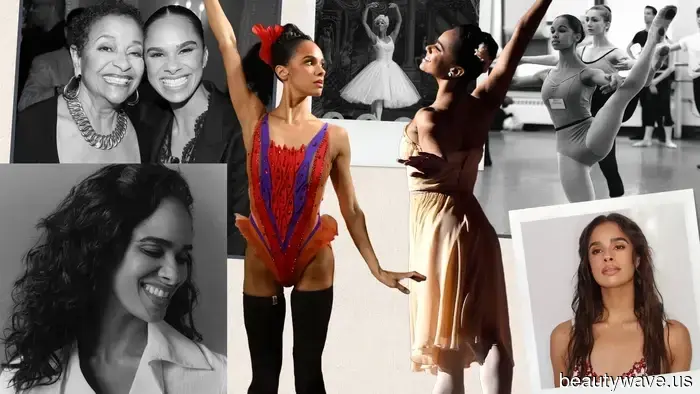
Legacy Ballerina Misty Copeland Looks Back on Her Pioneering Career and Redefining the "Traditional" Dancer
Welcome to En Pointe, a quarterly series that delves into the connection between beauty and dance as seen through the lens of rising, multidisciplinary dance talent. Expect an in-depth look into the everyday lives, aspirations, and beauty essentials of the most promising young performers in the industry.
It has been more than a decade since I last entered my sunlit ballet studio, which still carries a subtle scent of resin, wood, and potent hairspray. However, I still find myself easily falling back into the dance movements I once memorized like a sacred mantra: tombé, pas de bourrée, glissade, jeté. These four steps, among others, have become my usual means of moving through my home since I swapped my Freed of London pointe shoes for cozy shearling slippers. I often use the back of my couch as a makeshift ballet bar to assist with my balance as I stretch absentmindedly while my tea brews, and I always think more clearly when my hair is tied up in a bun at the top of my head.
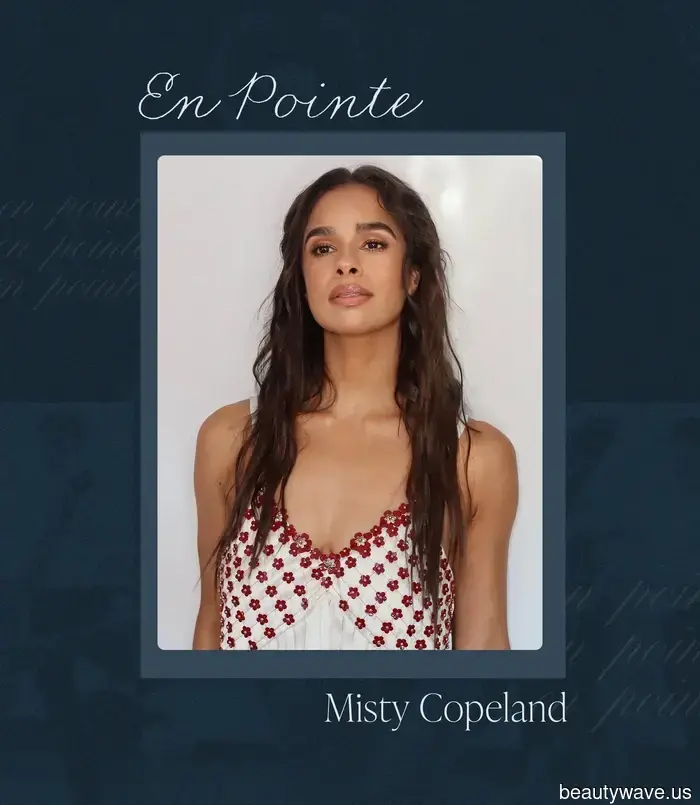
While I no longer spend my Friday nights icing my sore muscles after a week full of classes and rehearsals or stitching ribbons onto my pointe shoes as if my life depended on it, I firmly believe that a ballerina never truly stops being one. The art form becomes embedded in your DNA the moment you fall in love with it and stays with you long after you leave the spotlight for good. I feel fortunate for the years I dedicated to my training, especially alongside Misty Copeland, the first Black principal dancer of American Ballet Theatre. Copeland was the first dancer I vividly related to and has consistently inspired me as an artist. I had the opportunity to speak with Copeland about the defining moments of her career, her future plans, and her beauty routines.
Meet Misty Copeland: Former Principal Dancer at American Ballet Theatre and Writer
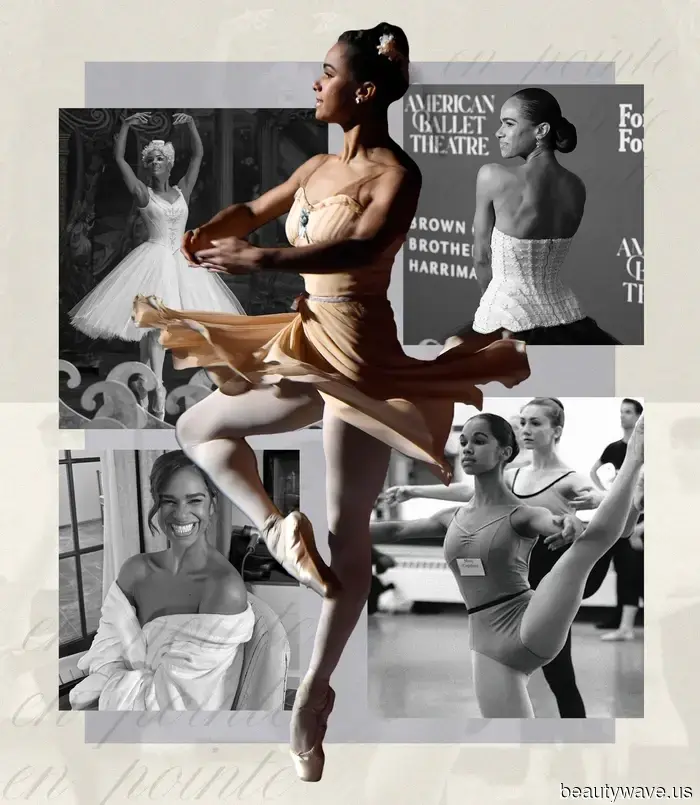
During her 25 years with American Ballet Theatre, Copeland has delivered some of the most breathtaking performances to date (her painfully beautiful interpretation of the wistful and innocent Juliet Capulet lingers in my memory) and has paved the way for other dancers of color like myself. Despite being the epitome of a "ballet prodigy," Copeland began her dance journey at the age of 13, yet her rapid ascent in the dance world challenged the enduring conventions that sought to limit her success as a Black dancer. Her groundbreaking career encouraged a reexamination of many long-accepted norms in the ballet community, from the colors of pointe shoes to changing the predominantly European narrative surrounding the ballet physique.
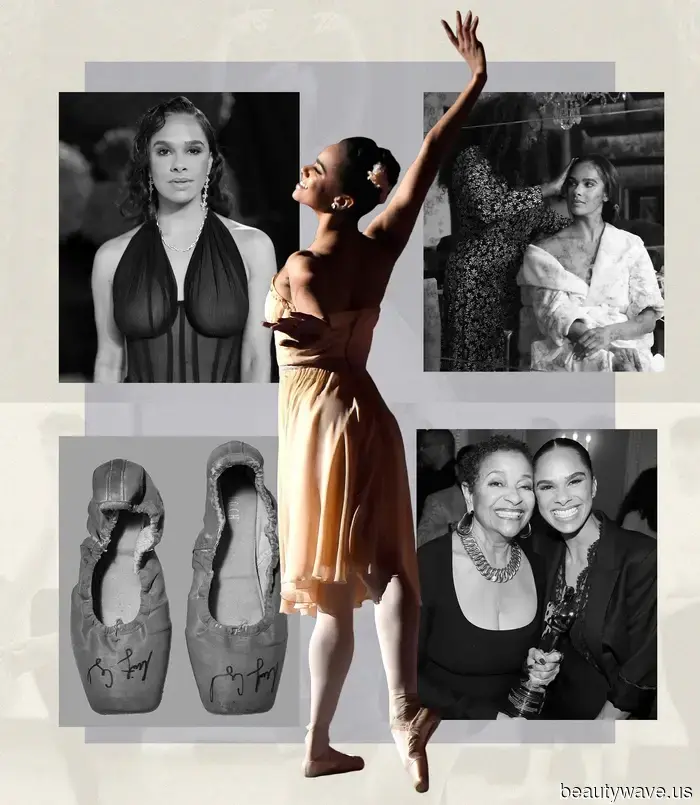
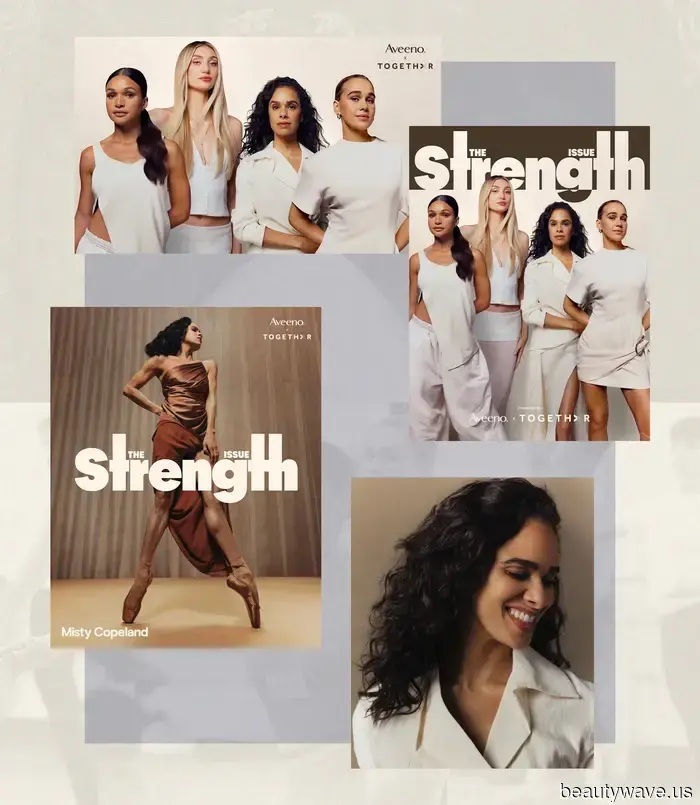
On October 22, 2025, she retired with a remarkable final performance that included Sergei Prokofiev's Romeo and Juliet balcony pas de deux with Calvin Royal III, Twyla Tharp's Sinatra Suite with Herman Cornejo, and Wrecka Stow, a contemporary piece by Kyle Abraham at Lincoln Center. This event was witnessed by thousands both in person and online. Just two months later, she underwent hip-replacement surgery. More recently, Copeland made a surprise appearance at the 98th Academy Awards as part of the musical performance of Ryan Coogler's Sinners. She was also featured on the cover of The Strength Issue, a collaborative project by Aveeno and Togethxr with athletes Sophia Wilson, Cameron Brink, and Ali Truwit.
For me, it was beyond just a moment to prove my worth; it was about the Black community witnessing their representation on stage at Lincoln Center (Metropolitan Opera House), a venue where seeing us lead a ballet is rare.
Copeland initially didn't envision herself as a ballerina; instead, she viewed self-expression through movement as a second language, particularly for someone as reserved as she was. Growing up in a household that prioritized musicality and lyricism over verbal communication, she became the captain of her high school's drill team, catching the attention of her coach, who later encouraged her to hone her innate talent through training. Copeland's ballet journey began at the Boys and Girls Club during a free program on a basketball court. "It wasn't until I walked into a ballet studio that everything clicked. I finally felt seen and heard. I loved performing, and even though it puzzled me, the technique of ballet provided me a new way to express myself," says Copeland. On stage, she experienced a sense of freedom, control, power, and strength, and she knew then that there was no turning back for as long as she could dance.
Many dancers have defining moments in their careers when they realize their true potential, but often one moment stands out as transformative. For Copeland, that moment came when she was given the chance to lead in Igor Stravinsky's The Firebird. As a soloist, she became the first Black woman to perform that role in her company. "For me, it meant more than just proving myself; it was about the Black community being able to see themselves at Lincoln







Other articles
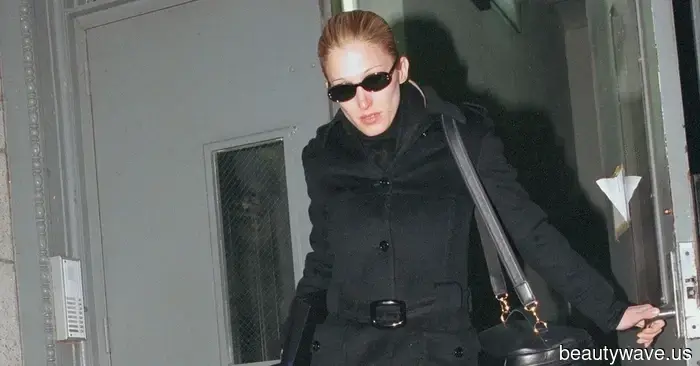 The It Girls of Downtown New York have made their voices heard: they are continually sporting Carolyn Bessette Kennedy's favorite bag trend.
I just can't get enough of it.
The It Girls of Downtown New York have made their voices heard: they are continually sporting Carolyn Bessette Kennedy's favorite bag trend.
I just can't get enough of it.
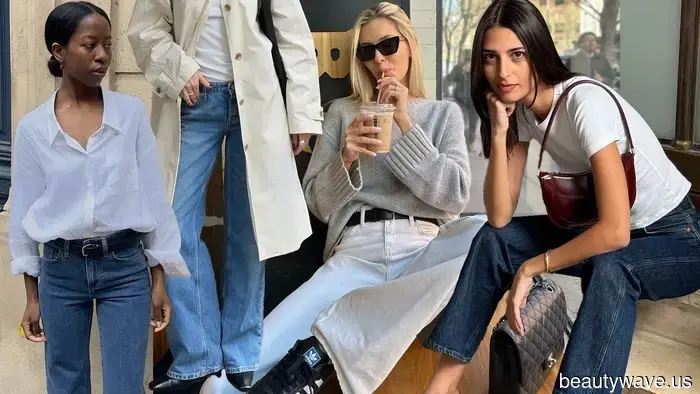 Based on my algorithm, fashion enthusiasts are fond of these six spring outfit combinations.
What a surprise—they all wear jeans.
Based on my algorithm, fashion enthusiasts are fond of these six spring outfit combinations.
What a surprise—they all wear jeans.
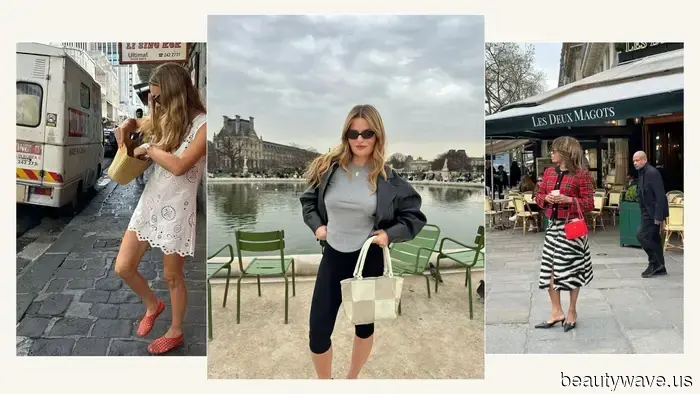 The Most Fashionable Individuals in Paris Are Opting for This Minimalist Hair Color This Spring
Simple and stylish.
The Most Fashionable Individuals in Paris Are Opting for This Minimalist Hair Color This Spring
Simple and stylish.
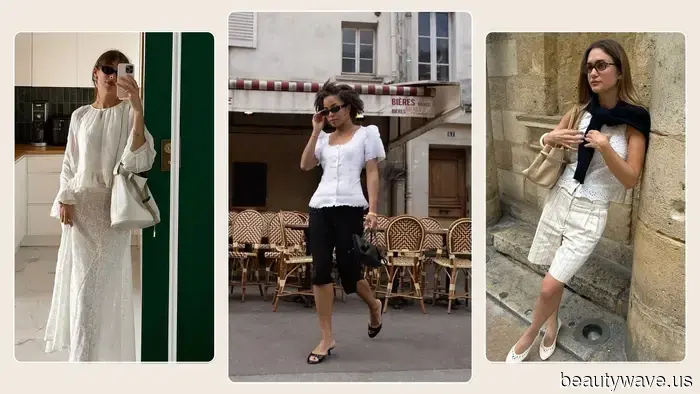 In Paris, the essential transitional wardrobe for every French woman begins with a beautiful blouse—here are 9 styles you should be aware of.
Chic blouses are a key element of French style, and I’ve found the top 9 for spring 2026. Discover the beautiful tops here, featuring everything from airy lace to ruffled accents.
In Paris, the essential transitional wardrobe for every French woman begins with a beautiful blouse—here are 9 styles you should be aware of.
Chic blouses are a key element of French style, and I’ve found the top 9 for spring 2026. Discover the beautiful tops here, featuring everything from airy lace to ruffled accents.
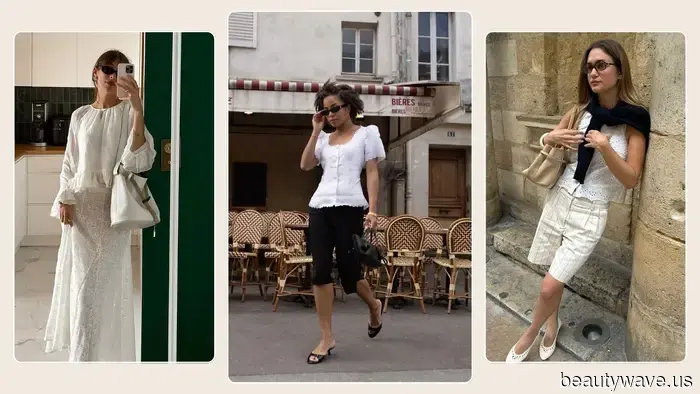 In Paris, every French woman's transitional wardrobe begins with a lovely blouse—here are 9 styles to be familiar with.
Chic blouses are a key component of French fashion, and I have found the top 9 options for spring 2026. From airy lace to ruffled accents, discover the lovely tops showcased here.
In Paris, every French woman's transitional wardrobe begins with a lovely blouse—here are 9 styles to be familiar with.
Chic blouses are a key component of French fashion, and I have found the top 9 options for spring 2026. From airy lace to ruffled accents, discover the lovely tops showcased here.
 Dislike Short Shorts? Zendaya is Aware of the Precise Length Fashion Enthusiasts Will Sport This Spring.
Accurate to the millimeter.
Dislike Short Shorts? Zendaya is Aware of the Precise Length Fashion Enthusiasts Will Sport This Spring.
Accurate to the millimeter.
Legacy Ballerina Misty Copeland Looks Back on Her Pioneering Career and Redefining the "Traditional" Dancer
Her legacy is unique and unparalleled.