
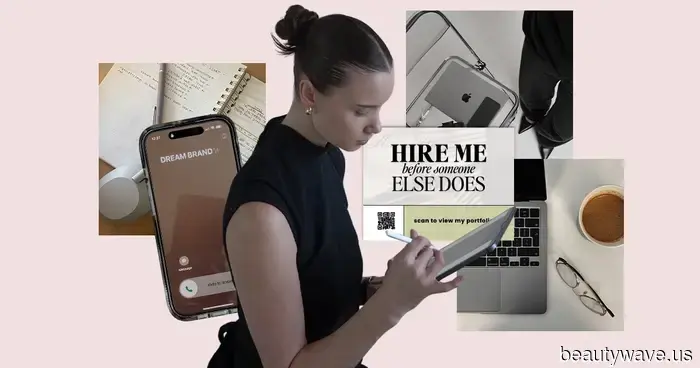
6 Strategies I'm Using to Develop My Personal Brand This Fall
best version of myself in progress
Every September, I feel compelled to transform myself. Previously, this has resulted in questionable haircuts and hobbies that I dropped within a couple of weeks. This year, I opted for a more thoughtful approach by concentrating on my professional presence. In other words: personal branding. Not in the influencer way (no ring lights involved), but in the sense of “what do people think of when they hear my name?”
At its essence, your personal brand is your reputation—how others view your skills, values, and personality both online and in real life. And even if you’re not currently looking for a job, refining this can boost your confidence, create new opportunities, and help others quickly grasp what you offer.
To manage this without feeling overwhelmed, I divided the process into a few straightforward steps and utilized tools that facilitated it (like MOO for those small details that can make a significant first impression). Here’s how I began:
1. Clarify what you want to be known for
Before I could proceed, I needed to determine what I wanted my personal brand to represent. Ultimately, it was about being a creative, a writer, and someone with a playful—but not overly chaotic—online persona. I aimed to be perceived as thoughtful and approachable, yet someone who doesn’t take themselves too seriously.
To discover this, I spent some time journaling about questions like: If a friend introduced me to someone new, what three things do I hope they’d mention about me? Or if my name was mentioned in a meeting, what associations do I want my colleagues to have? This introspection helped me pinpoint the traits I wanted to showcase and provided a guideline for everything else I shared with the world. For instance, realizing I wanted to be seen as approachable led me to rewrite my LinkedIn bio in a friendlier, more conversational style and update my headshot to something less formal.
Even basic prompts like these can aid in defining your “niche” and ensuring your online presence, emails, and introductions authentically represent who you are. Additionally, I found a Substack essay with creative exercises for uncovering your personal brand—a fun reminder that the process doesn’t have to be taken too solemnly.
2. Don’t overlook a tangible first impression
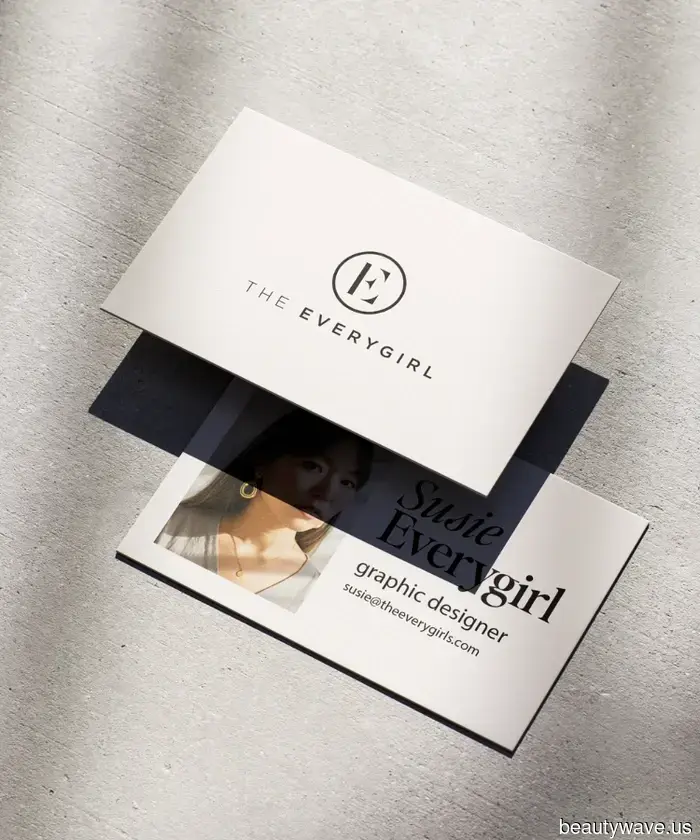
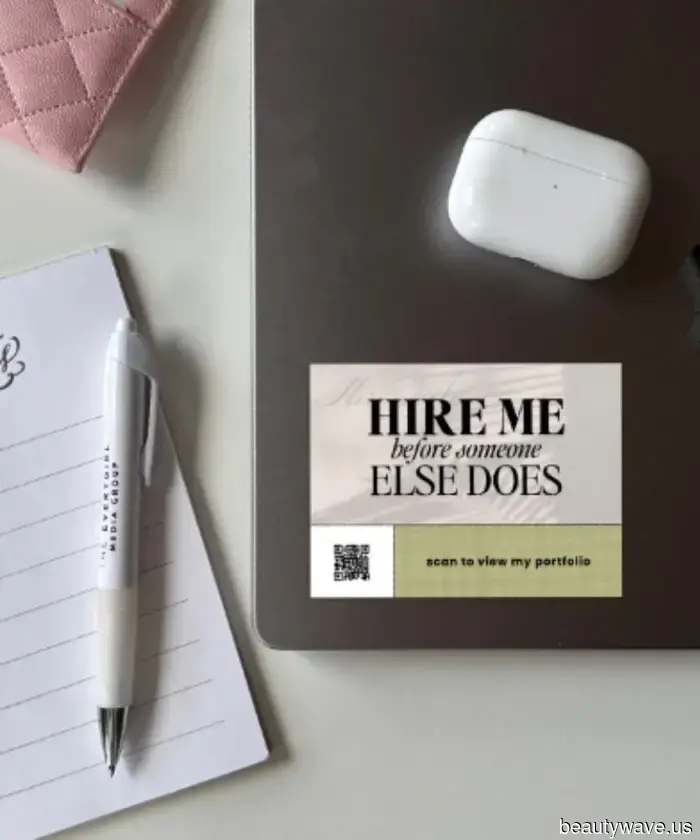
When discussing personal branding, the focus often falls on LinkedIn profiles or Instagram bios. However, many first impressions occur offline—at coffee shops, networking events, or spontaneous meetings. That's where physical tools play a crucial role. You don’t need a personal logo or extravagant website, but having something polished to hand out can make a big difference.
For me, that meant business cards. Since I’m not a designer, I sought something simple yet sophisticated—one of our actual graphic designers recommended MOO to me. They specialize in creating premium, customizable products that leave a lasting first impression. Designing my cards was straightforward, and the final product felt professional while still being true to myself.
Since I work remotely, I don’t have coworkers to share my information with, so carrying cards has been a game-changer. I handed one to someone at a local writing workshop, and a week later, they contacted me with a freelance opportunity. It just goes to show that small details can indeed open doors.
3. Revamp your online presence
It was high time I refreshed my online profiles, so I updated my Instagram bio to better reflect my voice and current role, added new writing samples to my LinkedIn and portfolio, and archived some old posts that no longer felt like me. Even minor adjustments—like changing an outdated headshot, rewriting my bio in a more natural tone, and incorporating a few industry-related keywords—made everything seem more polished and intentional. I didn’t completely overhaul my profiles; I just fine-tuned them to convey the story I want to tell.
If this is something you've been postponing, consider this your cue: dedicate an hour to reviewing your digital presence with a fresh perspective. Ask yourself: If someone were to Google me today, would what they find accurately represent who I am at this moment? If the answer is no, it’s time for a little refresh.
4. Concentrate your efforts on the relevant platforms
The internet creates the illusion that you have to be everywhere at once—Instagram, TikTok, LinkedIn, YouTube, newsletters…the list is endless. However, attempting to keep up with all of them can lead to burnout. So, I granted myself the freedom to focus on the platforms that align with my goals and allow me to showcase my expertise: Substack and Instagram. For now, my routine consists of posting one Substack entry each week (often an essay or personal reflection) and sharing several Instagram stories throughout the week. That’s all—simple, manageable, and sustainable.
Consistency is crucial here. I don’t post daily, but I do engage regularly enough so that people can anticipate my content. This consistency builds trust much more effectively

Other articles
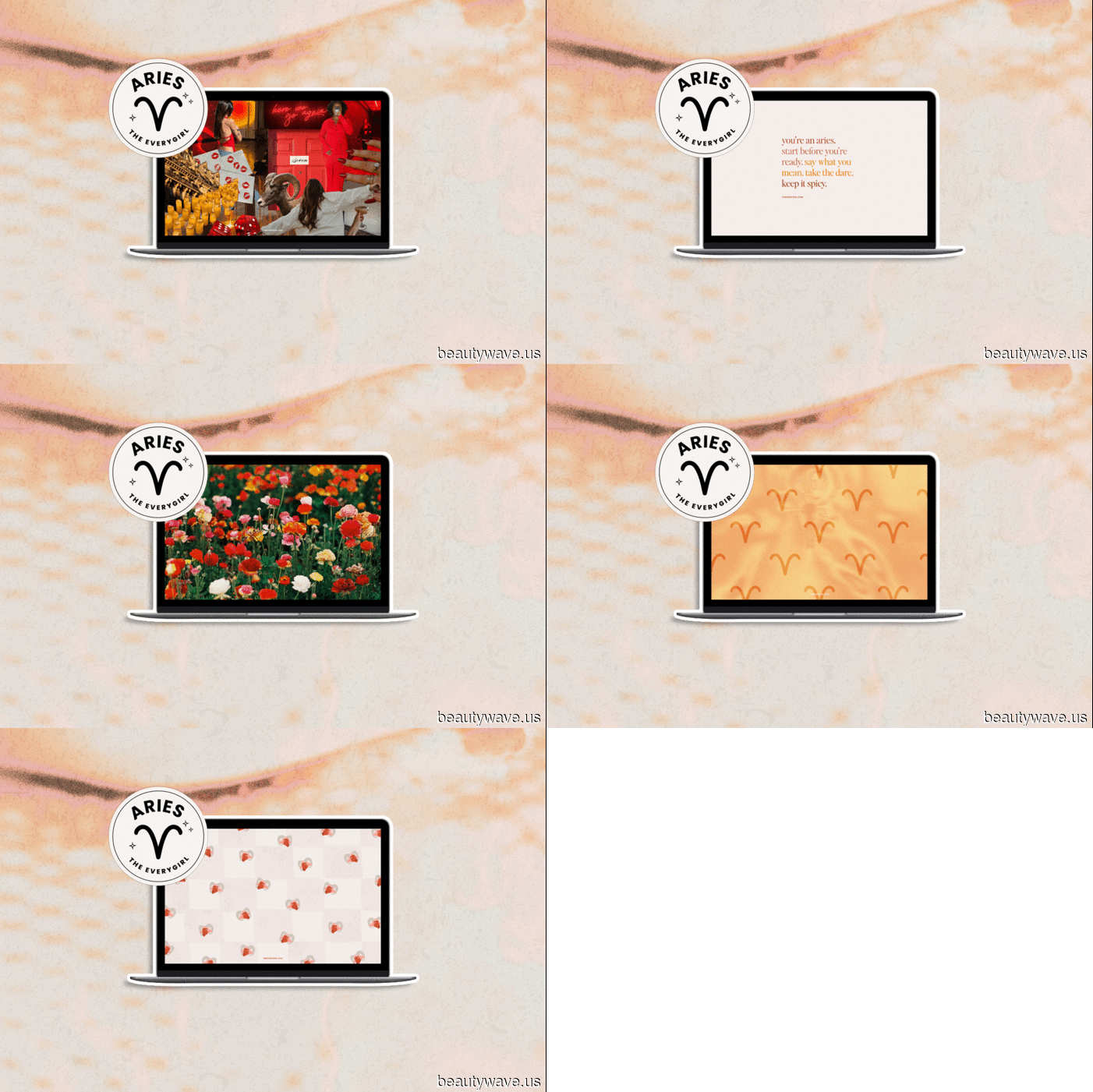 Aries Tech Backgrounds: Zodiac Wallpapers to Match Your Bold Spirit
Aries tech backgrounds that exude fire, dynamism, and boldness! Explore zodiac-themed wallpapers to revitalize your phone and computer with vibrant, adventurous energy.
Aries Tech Backgrounds: Zodiac Wallpapers to Match Your Bold Spirit
Aries tech backgrounds that exude fire, dynamism, and boldness! Explore zodiac-themed wallpapers to revitalize your phone and computer with vibrant, adventurous energy.
 16 Autumn Desserts You’ll Crave to Make Over and Over This Season
the most comforting, snug recipes we could discover
16 Autumn Desserts You’ll Crave to Make Over and Over This Season
the most comforting, snug recipes we could discover
 'Fibermaxxing' Is the Trending Gut-Health Phenomenon Gaining Popularity—But Does It Really Work?
But does it really function?
'Fibermaxxing' Is the Trending Gut-Health Phenomenon Gaining Popularity—But Does It Really Work?
But does it really function?
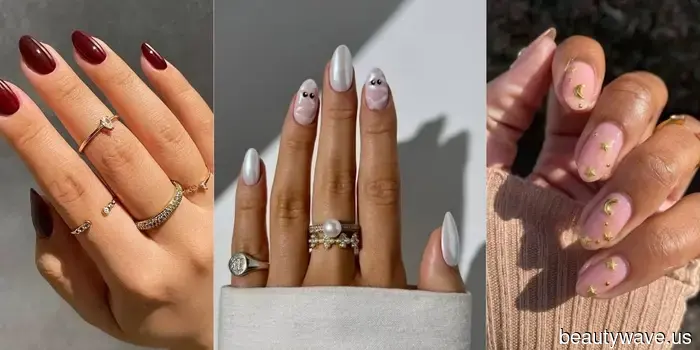 The Top Trendy and Eerie Halloween Nail Designs for 2025
👻 👻 👻
The Top Trendy and Eerie Halloween Nail Designs for 2025
👻 👻 👻
 The Butter Churner Position Provides Profound, Intense Pleasure—Here Are 5 Methods to Experiment With It
The butter churner sex position may seem a bit absurd, but believe us, it’s effective. Here’s how to perform it, along with four equally great variations.
The Butter Churner Position Provides Profound, Intense Pleasure—Here Are 5 Methods to Experiment With It
The butter churner sex position may seem a bit absurd, but believe us, it’s effective. Here’s how to perform it, along with four equally great variations.
 14 Books That Surely Belong on Rory Gilmore’s Shelf in 2025
Have you ever thought about what books Rory Gilmore would include on her TBR list today? We’ve compiled a list of 14 titles that she would definitely pick up.
14 Books That Surely Belong on Rory Gilmore’s Shelf in 2025
Have you ever thought about what books Rory Gilmore would include on her TBR list today? We’ve compiled a list of 14 titles that she would definitely pick up.
6 Strategies I'm Using to Develop My Personal Brand This Fall
the best version of myself is in progress