
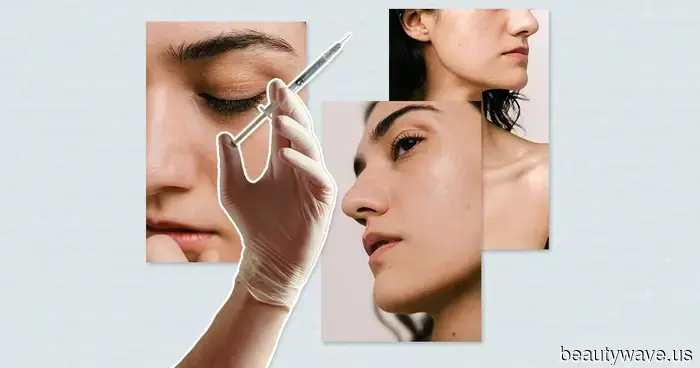
I Tested PRP for My Fatigued Under-Eyes—Here’s My Experience.
As I’ve entered my late 20s and reflected on the general condition of the world, I've noticed that in recent years, I often wake up looking more fatigued than I did before. While I believe this is a common experience—it's hard to imagine finding someone who genuinely loves their under-eye area—dark circles, hollowness, and fine lines are quite frustrating and can feel particularly difficult to address. My social media algorithms caught onto my new insecurity and began showing me before-and-after videos of influencers promoting what they claimed was the solution to achieving under-eyes that consistently appeared well-rested. This solution? Platelet-rich plasma (PRP) therapy.
PRP started gaining attention in 2013 when Kim Kardashian famously shared a bloodied selfie from a “vampire facial,” which involved microneedling followed by a mask of platelet-rich plasma to enhance cell turnover. Although using one's own blood in skincare might sound like a plot from a science fiction novel, the benefits of PRP are quite remarkable. In the interest of research (and hopefully reducing the frequency of my concealer purchases), I decided to try PRP on my under-eyes to see if it could provide the bright-eyed appearance that was trending online. Read on for my experience and essential information regarding PRP.
### MEET THE EXPERT
**Dr. Sachin Shridharani**
Dr. Sachin Shridharani is a board-certified plastic surgeon based in Manhattan and the Chief Medical Officer at SkinSpirit. He has been featured in publications such as The New York Times, Harper’s Bazaar, and Cosmopolitan Magazine.
### MEET THE EXPERT
**Brittony Croasdell, MS, FNP-BC, APRN**
Brittony Croasdell is a nationally board-certified nurse practitioner, published author, and international trainer in aesthetic medicine. She is also the co-owner of Fulcrum Aesthetics in Chicago.
**What is PRP?**
“PRP stands for platelet-rich plasma, and platelet-rich plasma therapy is essentially a form of regenerative medicine that effectively utilizes and amplifies the natural growth factors found in our blood to help heal damaged or aging tissue,” Dr. Shridharani shares. “Plasma is the liquid component of whole blood, serving as the medium for red blood cells, white blood cells, and platelets to circulate throughout the body. Platelets, or thrombocytes, are responsible for blood clotting and various growth and healing functions. So with PRP, we are extracting and separating the healing growth factors in liquid form and then injecting them into the tissue.”
**Is PRP better for the under-eyes than filler?**
While PRP therapy can be applied to nearly any tissue in the body, it has gained popularity on social media as a more effective alternative to under-eye fillers. However, Dr. Shridharani notes that under-eye filler and PRP serve different purposes. “The skin under the eyes is arguably the thinnest in the human body. PRP injections rejuvenate the skin by thickening it and enhancing its overall quality,” he explains. “If we inject into areas with slightly deeper tissue, we may see some improvements in aging signs, but it’s not comparable to filler. We aren’t injecting PRP into tear troughs expecting it to instantly appear smooth. PRP is meant for improving tissue quality.”
In contrast to filler, which adds volume to injected areas, Brittony Croasdell clarifies that PRP rejuvenates from within. “Unlike conventional fillers, PRP operates at a cellular level to stimulate collagen production, boost blood circulation, and enhance skin rejuvenation,” she says.
**Does PRP hurt?**
If the idea of having a needle injected near the under-eye area raises concerns about pain, rest assured: PRP is typically performed after numbing the area, minimizing discomfort. “Most people can expect slight pressure, a small poke, and maybe a mild stinging sensation,” Croasdell explains.
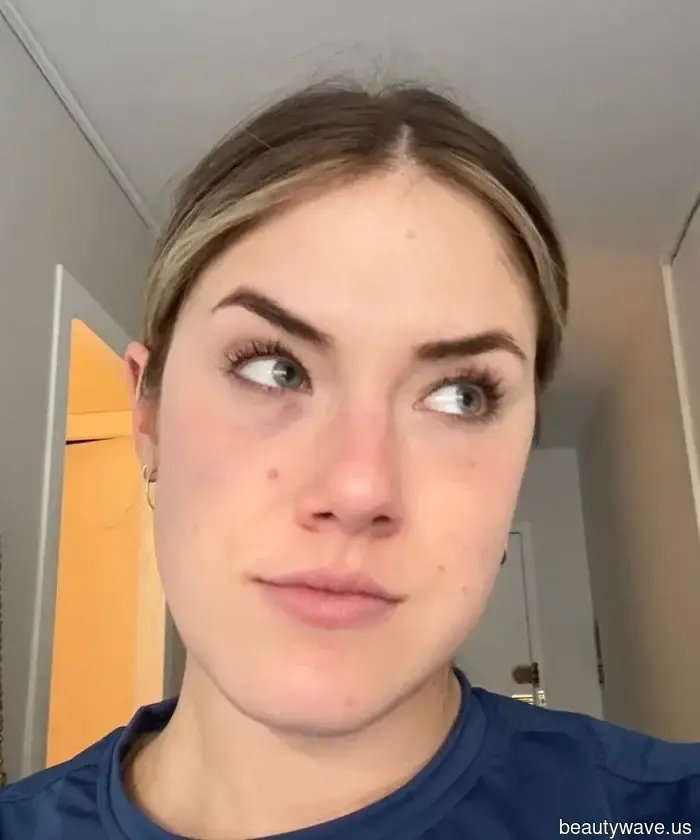
During my PRP treatment, I was numbed topically for about 20 minutes before the injections. I felt a slight pinch at the injection sites, but the most discomfort I felt was a stinging sensation for about 10 seconds afterward. It wasn't pleasant, and it’s not something I would want to experience daily, but on a scale of 1-10, I’d rate the discomfort around a five. Given that the whole procedure only took about five minutes, I would certainly consider doing it again.
**Are there any cons of under-eye PRP?**
As with any treatment, Dr. Shridharani points out that PRP also has its downsides. “The primary drawback is that you have to have blood drawn,” he says. Additionally, multiple sessions may be necessary to achieve the desired results. “PRP isn’t a quick fix or permanent treatment,” Dr. Shridharani mentions. “The skin



Other articles
 What's Inside My Bag: 12 Essential Personal Items I Always Bring on a Flight
travel like an expert
What's Inside My Bag: 12 Essential Personal Items I Always Bring on a Flight
travel like an expert
 14 Coming-of-Age Novels That Will Evoke Nostalgia for Yesteryears
These 14 coming-of-age novels will evoke memories of what it truly means to grow up. Additionally, they will captivate you from the very first page.
14 Coming-of-Age Novels That Will Evoke Nostalgia for Yesteryears
These 14 coming-of-age novels will evoke memories of what it truly means to grow up. Additionally, they will captivate you from the very first page.
 My Luteal Phase Always Drains Me—Here’s How I’m Attempting to Address It
Heating pads and hopeful thoughts aren't sufficient anymore.
My Luteal Phase Always Drains Me—Here’s How I’m Attempting to Address It
Heating pads and hopeful thoughts aren't sufficient anymore.
 Your Signature Autumn Fragrance, According to Your Zodiac Sign
it's written in the stars ✨
Your Signature Autumn Fragrance, According to Your Zodiac Sign
it's written in the stars ✨
 What's in My Bag: 12 Essential Personal Items I Always Take on a Flight
travel in style like an expert
What's in My Bag: 12 Essential Personal Items I Always Take on a Flight
travel in style like an expert
 11 Podcasts to Tune Into If You Enjoy Listening to Others' Drama
If you can't resist getting closer to hear about other people's drama, check out these 11 podcasts. Believe us, they’re sure to become your new favorites.
11 Podcasts to Tune Into If You Enjoy Listening to Others' Drama
If you can't resist getting closer to hear about other people's drama, check out these 11 podcasts. Believe us, they’re sure to become your new favorites.
I Tested PRP for My Fatigued Under-Eyes—Here’s My Experience.
spoiler: it seems that I get 10 hours of sleep each night.