
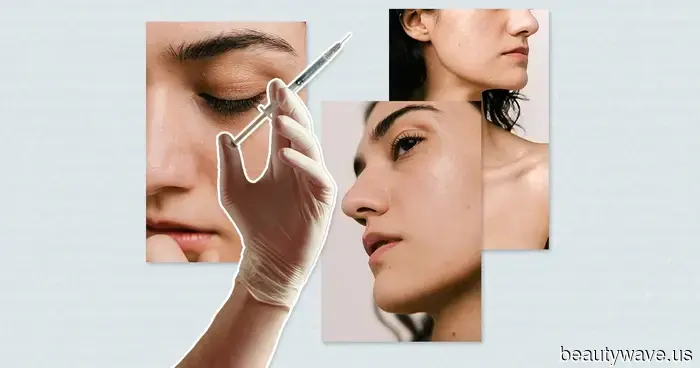
I Tested PRP for My Fatigued Under-Eyes—Here’s What Happened.
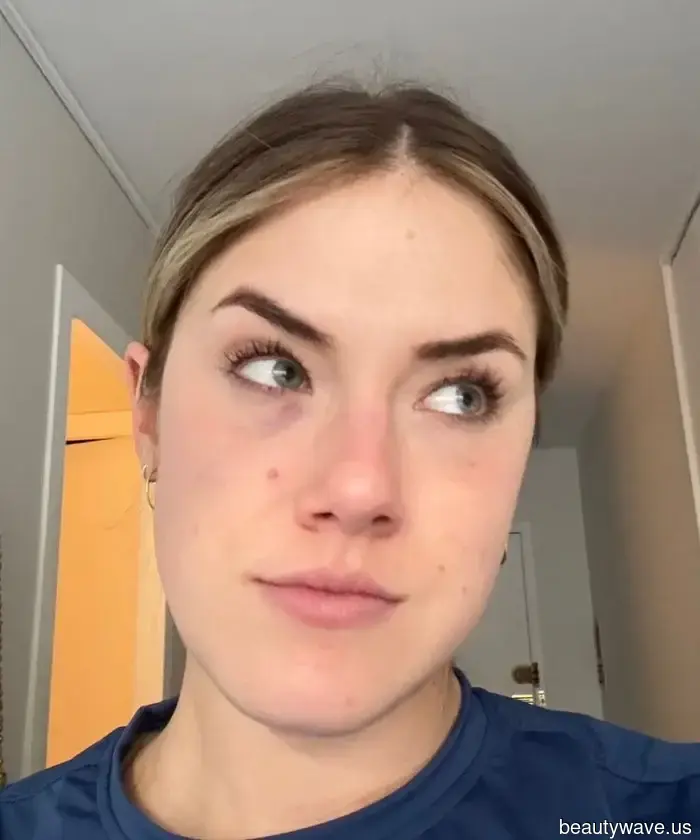
As I've entered my late 20s and reflected on the overall state of the world, I've noticed a change in how tired I appear upon waking up over the past couple of years. I don't believe this is unusual—it's likely tough to find someone who adores their under-eye area. Dark circles, hollowness, and fine lines are vexing issues that can feel particularly challenging to address. My online feeds picked up on my growing concern, and roughly a year ago, they began showing me transformation videos of influencers asserting they had discovered the secret to under-eyes that consistently look well-rested. Here comes: platelet-rich plasma (PRP) therapy.
PRP gained attention in 2013 when Kim Kardashian famously shared a selfie with a bloodied face, a result of a “vampire facial” that combined microneedling and a mask of platelet-rich plasma to enhance cell turnover. Using one's own blood in a skincare procedure may sound like fiction, but the benefits of PRP are genuinely remarkable. In the name of science (and hopefully reducing my concealer purchases), I decided to try PRP on my under-eyes to see if it could truly give me the bright-eyed appearance that the internet touted. Continue reading for my experience and valuable information about PRP.
**MEET THE EXPERT**
Dr. Sachin Shridharani
Dr. Sachin Shridharani is a board-certified plastic surgeon based in Manhattan and serves as the Chief Medical Officer at SkinSpirit. His expertise has been featured in major publications such as The New York Times, Harper’s Bazaar, and Cosmopolitan Magazine.
**MEET THE EXPERT**
Brittony Croasdell, MS, FNP-BC, APRN
Brittony Croasdell is a nationally board-certified nurse practitioner, a published author, and an internationally recognized trainer in aesthetic medicine. She is also the co-owner of Fulcrum Aesthetics in Chicago.
What is PRP?
“PRP, or platelet-rich plasma, refers to a type of regenerative medicine that effectively utilizes and enhances the natural growth factors in our blood cells to aid in healing damaged or aging tissue,” explains Dr. Shridharani, a board-certified plastic surgeon and Chief Medical Officer at SkinSpirit. “In simple terms, plasma is the liquid aspect of whole blood that provides a medium for red blood cells, white blood cells, and platelets to move through the body. Platelets, also known as thrombocytes, are blood cells that enable blood clotting and promote various growth and healing processes. In PRP, we extract and separate the healing growth factor elements in liquid form, then inject it into the tissue.”
Is PRP superior to filler for the under-eyes?
Although PRP therapy can be utilized on nearly any body tissue, it has gained popularity on social media as a more effective alternative to under-eye filler. However, Dr. Shridharani notes that under-eye filler and PRP treatments serve different purposes. “[The under-eye skin] is arguably the thinnest skin in the human body. PRP injections help rejuvenate the skin by thickening it and enhancing its overall quality,” he clarifies. “While injecting into areas with slightly deeper tissue can lead to improvements in [signs of aging], it’s not akin to filler; we’re not injecting it into the tear troughs expecting that area to become smooth. PRP is intended for enhancing tissue quality.”
In contrast to filler, which adds volume where injected, nurse practitioner Brittony Croasdell mentions that PRP therapy rejuvenates the under-eyes from within. “PRP, unlike traditional fillers, operates at a cellular level to stimulate collagen production, improve blood flow, and promote skin rejuvenation,” she explains.
Does PRP cause pain?
If you're apprehensive about the prospect of receiving a needle injection in your under-eye area, don’t worry: PRP is typically performed after numbing the area to minimize discomfort. “Most people can expect a slight pressure, a small poke, and perhaps a minor stinging sensation at most,” Croasdell states.
During my PRP treatment, a topical numbing agent was applied 20 minutes before the injections. I experienced a slight pinch at the injection sites, but the most discomfort was a brief stinging sensation lasting about 10 seconds afterward. It wasn’t pleasant or something I’d want to undergo daily, but on a scale from 1 to 10, the discomfort was about a five. Considering the entire procedure took only about five minutes, I wouldn't hesitate to do it again.
Are there any downsides to under-eye PRP?
As with any treatment, Dr. Shridharani points out some potential drawbacks of PRP. “The major downside is that you need to have your blood drawn,” he comments. Additionally, PRP often requires several treatments to achieve the desired effects. “It’s not


Other articles
 Review: 'Together' Made Me Realize That Codependency Can Indeed Be... Romantic?
Alison Brie and Dave Franco’s latest body horror film surprisingly has a... romantic element? Check out our complete review of 'Together.'
Review: 'Together' Made Me Realize That Codependency Can Indeed Be... Romantic?
Alison Brie and Dave Franco’s latest body horror film surprisingly has a... romantic element? Check out our complete review of 'Together.'
 Review: ‘Together’ Showed Me That Codependency Can Indeed Be… Romantic?
Alison Brie and Dave Franco’s latest body horror film has an unexpected romantic twist. Here’s our complete review of 'Together.'
Review: ‘Together’ Showed Me That Codependency Can Indeed Be… Romantic?
Alison Brie and Dave Franco’s latest body horror film has an unexpected romantic twist. Here’s our complete review of 'Together.'
 I haven't used checked luggage in years—this carry-on packing method always works for me.
After years of traveling, this carry-on packing method has consistently served me well. It's efficient, for sure, but still allows space for a fun top.
I haven't used checked luggage in years—this carry-on packing method always works for me.
After years of traveling, this carry-on packing method has consistently served me well. It's efficient, for sure, but still allows space for a fun top.
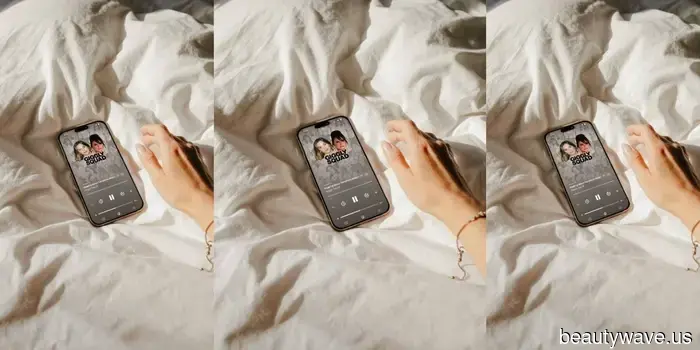 11 Podcasts to Tune into if You Enjoy Listening to Other People’s Drama
If you can’t resist getting closer to hear about other people's drama, check out these 11 podcasts. We promise, they'll quickly become your favorites.
11 Podcasts to Tune into if You Enjoy Listening to Other People’s Drama
If you can’t resist getting closer to hear about other people's drama, check out these 11 podcasts. We promise, they'll quickly become your favorites.
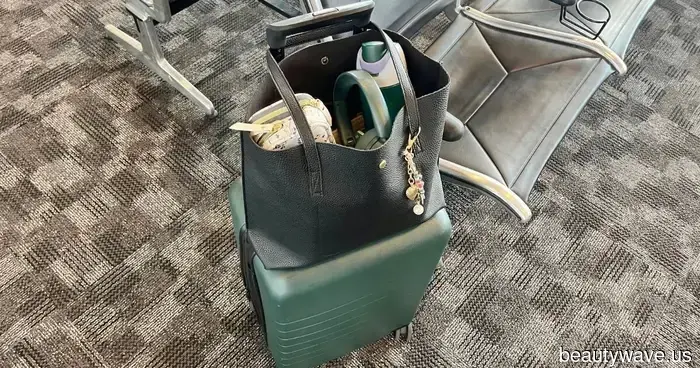 What's in My Bag: 12 Essential Personal Items I Always Take When Flying
travel in style like an expert
What's in My Bag: 12 Essential Personal Items I Always Take When Flying
travel in style like an expert
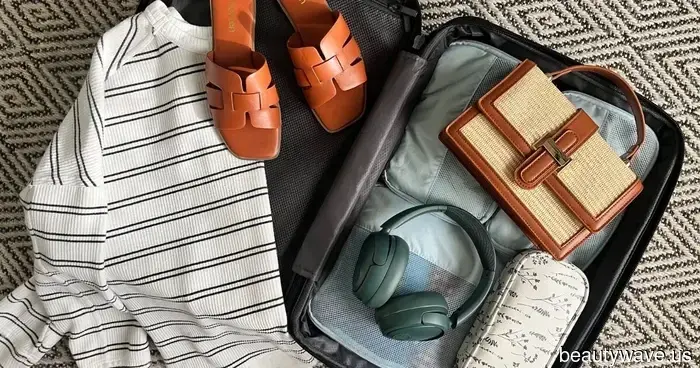 I haven't checked a bag in years—this carry-on packing method is always successful for me.
After years of traveling, this carry-on packing method has consistently served me well. It's efficient, for sure, but still allows space for a "fun" top.
I haven't checked a bag in years—this carry-on packing method is always successful for me.
After years of traveling, this carry-on packing method has consistently served me well. It's efficient, for sure, but still allows space for a "fun" top.
I Tested PRP for My Fatigued Under-Eyes—Here’s What Happened.
spoiler: it seems that I get 10 hours of sleep each night.