

The New "F" Word: Are We Sacrificing Our Style in Favor of Wearing Something "Flattering"?
The term “flattering” may seem like a compliment at first glance, but truthfully, when people refer to something as “flattering,” they often mean “this makes you look slimmer.” Growing up with shows like 10 Years Younger and What Not To Wear, many now prioritize describing an outfit as one that “flatters your shape” and “conceals imperfections” just as much as the color, silhouette, or trend it represents. However, as the iconic club kid James St James wisely noted, “if you can’t hide it, decorate it!” As a woman juggling multiple roles, I also work as a personal stylist. A common struggle among my clients is their desire to experiment with new silhouettes while feeling like they appear to be ‘wearing a sack’ or ‘drowning in their clothes.’ My consistent advice? Embrace drowning in the clothes. Wear the sack. Escaping the confines of a ‘snatched waist’ and dedicating a part of my wardrobe to oversized pieces has been the most liberating fashion choice I've made. I often show them a picture of Rihanna in an oversized grey outfit, which I believe is one of her best looks. She exudes effortless coolness, without sporting an outfit that emphasizes a smaller silhouette. I’ve always admired her for accepting her body’s changes over time. Throughout every phase, she has remained a fashion icon, and why shouldn’t she? In fact, why shouldn’t any of us?
Stylist Gabriella Karefa-Johnson shared her feelings about the term “flattering.” "My dislike for the word comes from my adolescence when older generations projected their outdated beauty standards onto my attire—no horizontal stripes because they made me look wide, no mini skirts because of my cellulite.” Recently, she encountered more of this attitude when a fashion icon told her a midi skirt she wore was much more flattering than her usual, shorter styles. Gabriella’s initial reaction was one of disbelief: “What happened to The Rapture? We needed that.” For anyone who has seen Gabriella style a mini skirt, it’s clear that those outdated ideals have no place in the wardrobe of a true fashionista.
As I mentioned earlier, I work as a personal stylist, and a common issue for my clients is their interest in trying new shapes while fearing they look ‘like they’re in a sack’ or ‘drowning in their clothing.’ My advice remains the same: embrace the oversized. Challenging conventional beauty standards is not new; it has always felt like a tug-of-war. In 1997, Rei Kawakubo at Comme des Garçons introduced the revolutionary ‘Lumps and Bumps’ collection, originally titled Body Meets Dress, Dress Meets Body. This collection signaled a pivotal moment in the industry, provoking discomfort and intrigue among viewers as it explored the boundaries between body and clothing while questioning the societal definitions of desirable versus undesirable body parts.
Almost three decades later, has there been any advancement in this regard? Rachael Broussard, founder of Posh Showroom, has been guiding brands into retail since 2004 and holds hope for the future: “I believe that designers who are truly attuned to the evolution of fashion have been moving away from the traditional focus on a snatched waist for several years. There’s a noticeable shift towards silhouette as a statement, with designs that are more directional, expressive, and visually striking.” This trend was evident on the spring/summer and autumn/winter 2026 runways, showcasing cocoon-like dresses and dropped-waist silhouettes. One of Chloe’s standout pieces for spring was a funnel-neck trench coat with an ultra-low waist, while Ferragamo offered a dress with elastic gathers at the cuffs and hem, creating an oversized, sack-like shape. Are these looks fabulous? Yes. Do they fit the so-called “traditional” standard of flattering? No. Someone referred to the drop-waist trend as the “antithesis to a flattering silhouette”—which I see as a good thing! Imagine rejecting these styles simply because they do not fit the ideal hourglass shape or the currently celebrated standard of being impossibly thin.
Beyond Paris and Milan, Copenhagen Fashion Week has garnered attention for its layered and voluminous street style. The new generation of fashion enthusiasts is pushing boundaries geographically and in terms of proportions. Rachael Broussard has noticed this shift as well, stating, “I’ve seen a clear movement towards more unconventional silhouettes. Designers are pushing their creative limits more than ever, and the latest brands we've introduced to the showroom are focusing more on statement-driven pieces than I’ve previously seen. Interestingly, this demand aligns with buyers' desires for unique, standout designs.” The red carpet is also undergoing a transformation. Rising star Audrey Nuna constantly challenges conventional silhouettes with her looks styled by Danyul Brown. The K-Pop artist has dazzled on the carpet in exaggerated doll-like dresses from Marc Jacobs, whimsical designs from Thom Browne, and striking gold ensembles


Other articles
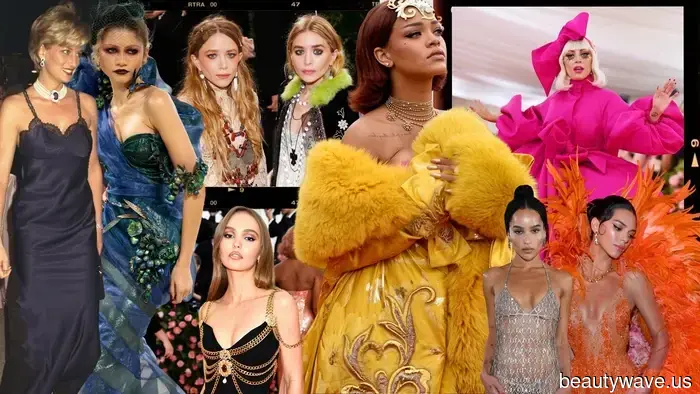 Zendaya! Rihanna! Princess Diana! These 13 Iconic Met Gala Dresses Created Fashion History
Met Monday is just about to arrive!
Zendaya! Rihanna! Princess Diana! These 13 Iconic Met Gala Dresses Created Fashion History
Met Monday is just about to arrive!
 The New “F” Word: Are We Sacrificing Our Style in Favor of Choosing Something “Flattering”?
An expert shares their insights.
The New “F” Word: Are We Sacrificing Our Style in Favor of Choosing Something “Flattering”?
An expert shares their insights.
 The New "F" Word: Are We Sacrificing Our Style to Wear Something "Flattering"?
A specialist provides their insight.
The New "F" Word: Are We Sacrificing Our Style to Wear Something "Flattering"?
A specialist provides their insight.
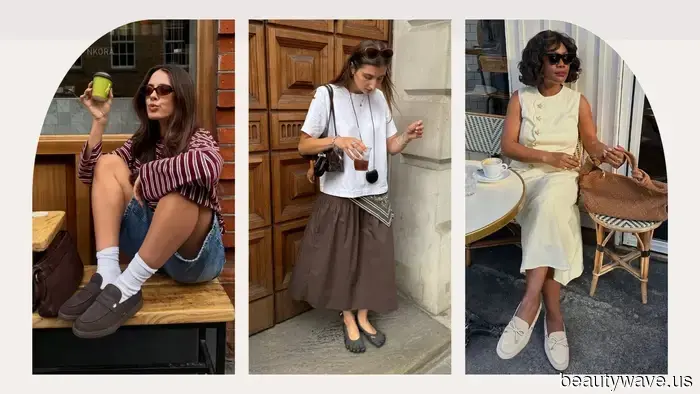 If you're tired of your ballet flats, here are five chic shoe trends to explore this spring.
We adore ballet flats, but spring brings with it a chance for diversity. Enhance your shoe collection with an array of flat styles to complement your spring outfits.
If you're tired of your ballet flats, here are five chic shoe trends to explore this spring.
We adore ballet flats, but spring brings with it a chance for diversity. Enhance your shoe collection with an array of flat styles to complement your spring outfits.
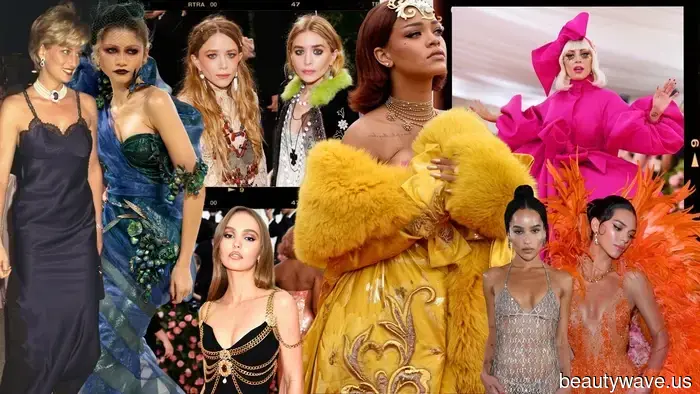 Zendaya! Rihanna! Princess Diana! These 13 Most Iconic Met Dresses Changed Fashion Forever.
Met Monday is coming up soon!
Zendaya! Rihanna! Princess Diana! These 13 Most Iconic Met Dresses Changed Fashion Forever.
Met Monday is coming up soon!
The New "F" Word: Are We Sacrificing Our Style in Favor of Wearing Something "Flattering"?
An expert shares their insights.