

The New "F" Word: Are We Sacrificing Our Style to Wear Something "Flattering"?
The term “flattering” may seem complimentary at first glance, but let's be real; it's often used to mean “this makes you look slimmer.” Growing up with television shows like 10 Years Younger and What Not To Wear, many now consider describing an outfit as one that “flatters your shape” and “conceals lumps and bumps” just as essential, if not more so, than its color, silhouette, or current trend. As renowned club kid James St. James aptly stated, “if you can’t hide it, decorate it!” As a woman with multiple roles, I also work as a personal stylist. A common issue my clients face is their desire to explore new silhouettes while feeling like they’re ‘wearing a sack’ or ‘drowning in their clothes.’ My advice remains consistent: Embrace the oversized look. Embracing a wardrobe of oversized pieces has been the most liberating style decision I have ever made. I often refer clients to an image of Rihanna in an oversized grey tailored outfit, which I consider one of her best styles. She looks effortlessly cool, not constrained by outfits that make her appear smaller. I've always admired her ability to accept her fluctuating weight over the years, and she has maintained her status as a fashion icon through all her variations—so why shouldn't we?
Gabriella Karefa-Johnson, an extraordinary stylist, shares her disdain for the term "flattering." She recalls her teenage years when others, often older individuals, imposed outdated beauty standards onto her clothing choices—restricting her from wearing horizontal stripes because of her frame or mini skirts due to cellulite. Recently, a fashion editorial icon complimented her midi skirt, stating it was more flattering than her usual “silly little ones.” Her initial thought was a reflection on the past: "Whatever happened to The Rapture? We missed that." If you've seen Gabriella rock a mini skirt, it’s evident that these antiquated ideals have no place in a true fashionista's wardrobe.
Despite the longstanding tug-of-war over beauty standards, there have been strides made. In 1997, Rei Kawakubo debuted the groundbreaking ‘Lumps and Bumps’ collection, also known as Body Meets Dress, Dress Meets Body, challenging notions of where the body ends and clothing begins, while questioning the desirability of specific body types. Almost three decades later, is there any progress? Rachael Broussard, founder of Posh Showroom, believes that many designers are increasingly moving away from the conventional emphasis on a snatched waist. “I see a clear shift towards silhouettes that serve as statements, with designs that are more expressive and visually impactful.” This was evident in the runway shows for spring/summer and autumn/winter 2026, featuring cocoon-like dresses and drop-waist silhouettes. One notable piece from Chloe was a funnel-neck trench coat with an ultra-low waist, while Ferragamo showcased a dress cinched only at the cuffs and feet, creating an oversized, sack-like shape. Fabulous? Absolutely. Flattering by traditional standards? Not at all. Someone even described the drop-waist trend as the “antithesis to a flattering silhouette.” Good! It’s absurd to dismiss these styles simply because they stray from the ideal hourglass figure or the newly heralded figure of extreme thinness.
Beyond Paris and Milan, Copenhagen Fashion Week is gaining attention for its layered and voluminous street style. It seems that the new generation of fashion enthusiasts is defying geographical and size limitations. Rachael Broussard has noticed this trend, stating, “There’s a clear move towards unconventional silhouettes. Designers are pushing boundaries further than ever, with a growing number of statement-driven pieces that align well with buyer demand for unique designs.” This shift is also visible on the red carpet, where contemporary favorite Audrey Nuna constantly pushes the envelope with her silhouettes, showcasing bold styles from designers like Marc Jacobs and Thom Browne. By stepping away from the norm, Nuna creates moments that audiences eagerly anticipate after award shows. While Nuna embodies an avant-garde fashion approach, stars like Billie Eilish have utilized baggy silhouettes and androgynous clothing to remove their bodies from scrutiny, all while cultivating a distinctive and often emulated style.
So, how can those uncomfortable with defying fashion norms begin? Content creator Asta Gaur suggests starting small—“Playfulness with style is a muscle; you can't jump straight into a marathon. If you’ve never worn oversized clothing, begin with a simple T-shirt. Wear it in low-stakes settings, like a coffee run or walking the dog. Be mindful of who you’re around during your experimentation. As you become more at ease, your confidence will build.” Additionally, there’s inspiration to be found from figures like Lisa ‘Left Eye’ Lopez and her group TLC, or Salt-N-Pepa and Roxanne Shanté, who carved out a serious space for women in a male-dominated hip hop scene. Mention


Other articles
 The New “F” Word: Are We Sacrificing Our Style in Favor of Choosing Something “Flattering”?
An expert shares their insights.
The New “F” Word: Are We Sacrificing Our Style in Favor of Choosing Something “Flattering”?
An expert shares their insights.
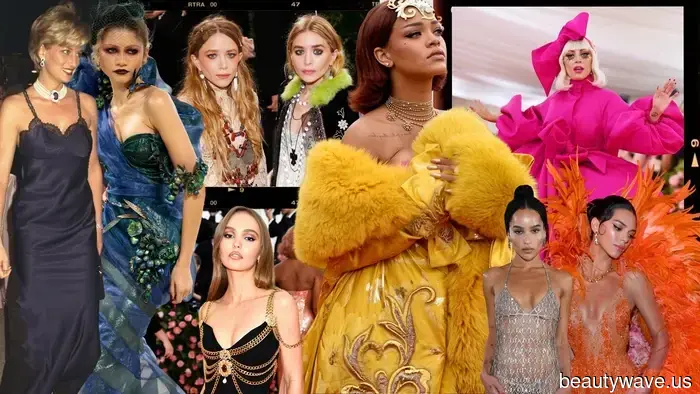 Zendaya! Rihanna! Princess Diana! These 13 Iconic Met Gala Dresses Created Fashion History
Met Monday is just about to arrive!
Zendaya! Rihanna! Princess Diana! These 13 Iconic Met Gala Dresses Created Fashion History
Met Monday is just about to arrive!
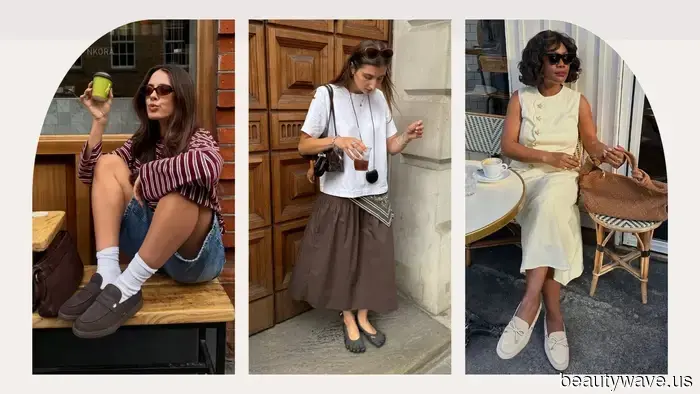 If you're tired of your ballet flats, here are five chic shoe trends to explore this spring.
We adore ballet flats, but spring brings with it a chance for diversity. Enhance your shoe collection with an array of flat styles to complement your spring outfits.
If you're tired of your ballet flats, here are five chic shoe trends to explore this spring.
We adore ballet flats, but spring brings with it a chance for diversity. Enhance your shoe collection with an array of flat styles to complement your spring outfits.
 The New "F" Word: Are We Sacrificing Our Style in Favor of Wearing Something "Flattering"?
An expert shares their insights.
The New "F" Word: Are We Sacrificing Our Style in Favor of Wearing Something "Flattering"?
An expert shares their insights.
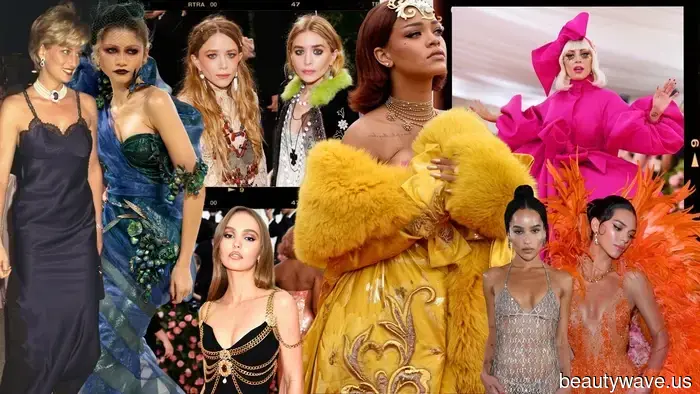 Zendaya! Rihanna! Princess Diana! These 13 Most Iconic Met Dresses Changed Fashion Forever.
Met Monday is coming up soon!
Zendaya! Rihanna! Princess Diana! These 13 Most Iconic Met Dresses Changed Fashion Forever.
Met Monday is coming up soon!
The New "F" Word: Are We Sacrificing Our Style to Wear Something "Flattering"?
A specialist provides their insight.