
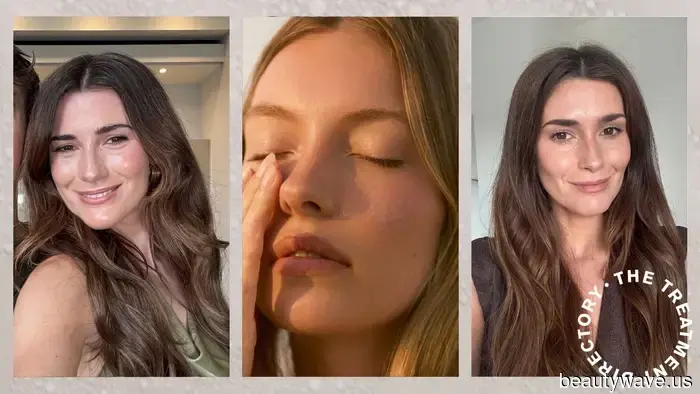
I Tested a Botox Brow Lift for My Hooded Eyes—Here’s Why I Won’t Regret It.
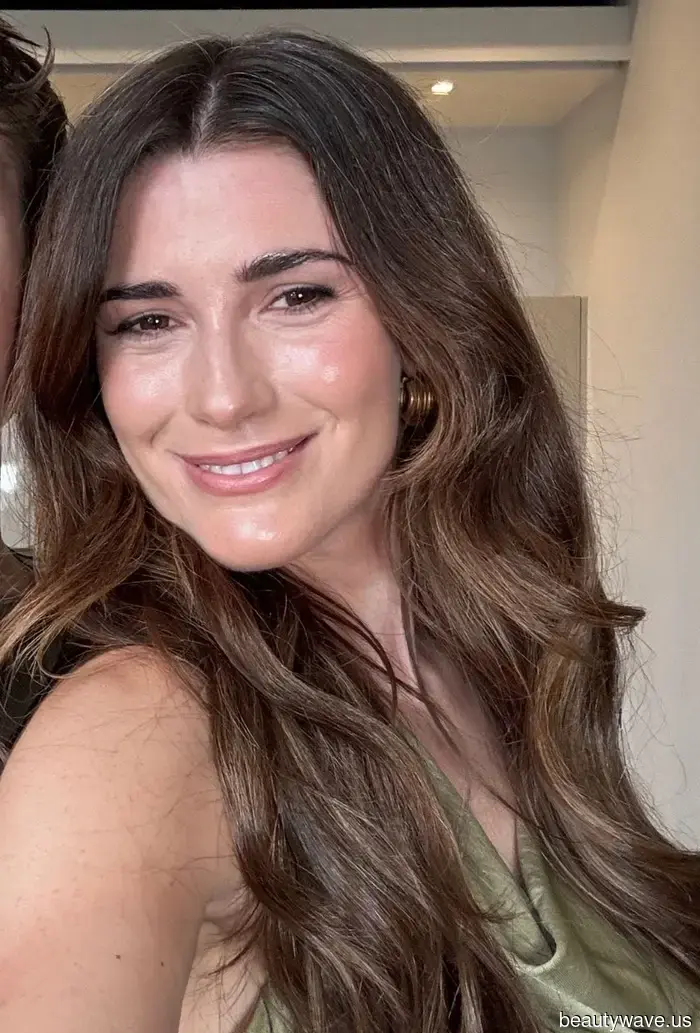
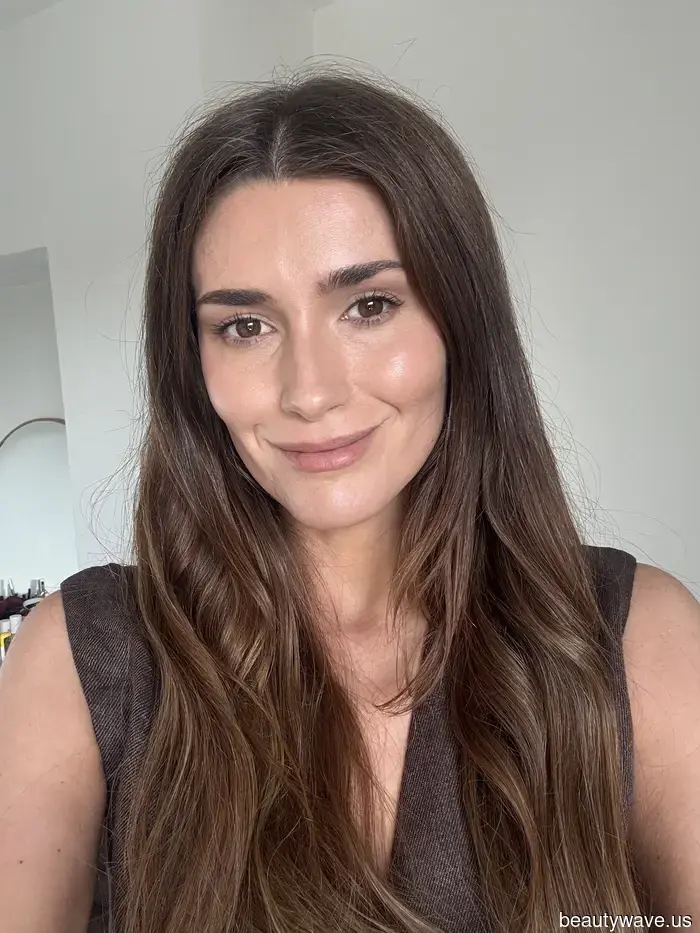
Growing up, I always appreciated my hooded eyes. However, now that I’m in my early thirties, genetic factors like a heavier brow and deep-set eyes have led to some visible signs of aging, particularly some drooping at the outer corners that no amount of eye cream or microcurrent device can effectively address. It's not a drastic hooding, and it's not something I notice much in the mirror, but I've realized that in photographs my eyes appear smaller, squintier, and less awake compared to how they looked when I smiled in the past. Additionally, my eyeshadow and makeup don’t sit as well as they once did. While it’s not a major issue, I often feel I look more fatigued than I actually am. I had previously explored a few treatments for my hooded eyes, including Sofwave and Botox around the eyes, but had not yet attempted a Botox brow lift. To try this treatment, I visited consultant ophthalmologist and oculoplastic surgeon, Dr. Elizabeth Hawkes. If you're considering a Botox brow lift for yourself, here are some key points to be aware of.
What Is a Botox Brow Lift?
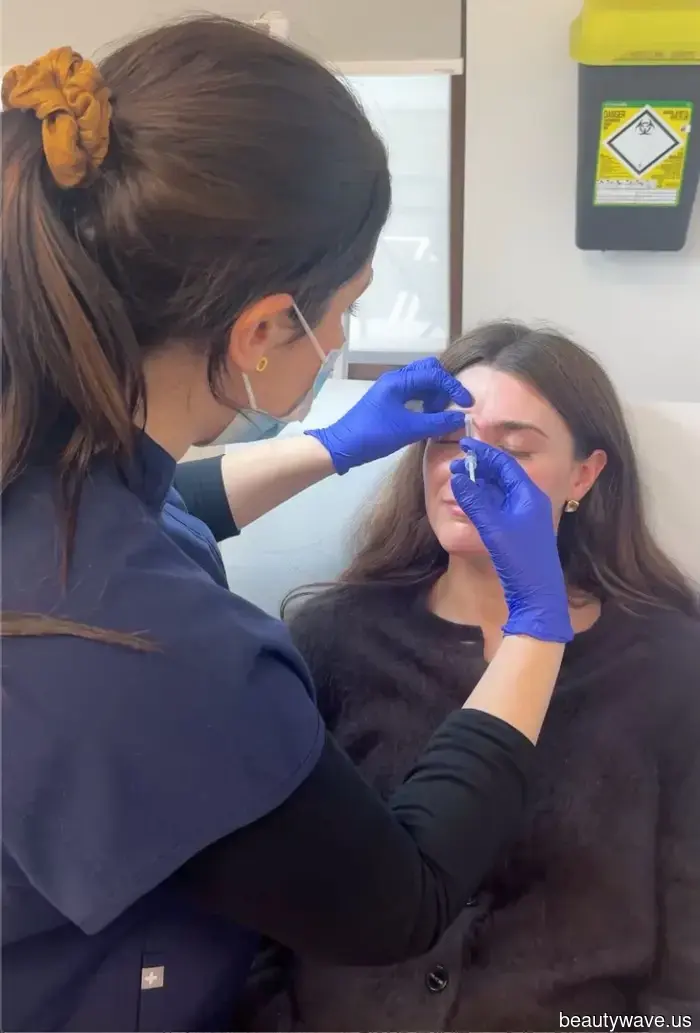
"Botox is a neuromodulator that acts at the neuromuscular junction, inhibiting muscle contraction," explains Dr. Hawkes. "It serves as an anti-wrinkle injection to diminish line formation, and while commonly used around the eyes, it can also assist with hooded eyes and the brow area. A subtle change in the brow and upper eye can better frame the face and soften lines while maintaining expression," she adds. Although Botox cannot remove excess skin from the upper eyelids—only a surgical upper blepharoplasty can do that—strategically placed Botox can elevate the eyebrows when there's a clear understanding of how the frown and forehead muscles interact. This phenomenon is often referred to as a chemical brow lift, she explains.
During a Botox brow lift, your practitioner typically treats the glabellar complex (the area between the eyebrows) and the upper portion of the orbicularis oculi (the muscle encircling the eyes). "The goal of non-surgical brow lift with neuromodulators is to relax the brow's depressor muscles, mainly the glabellar complex and the upper part of the orbicularis oculi," states Dr. Hawkes. A skilled practitioner will customize the dosage and injection points based on your facial anatomy. "The treatment is always individualized. The dose and the injection sites depend on the patient's anatomy and the degree of lift desired," she notes. Sometimes, a small amount may be injected into the frontalis (the brow elevator), but this requires precision to avoid heaviness from over-treatment. "Each case is assessed individually."
Who Is It Suitable for?
A Botox brow lift can be a good option for anyone seeking a more rejuvenated look around the eyes, making it particularly effective for those with hooded eyes. It can also serve as a preliminary step before contemplating surgical options, like an upper blepharoplasty. "Some patients with mild hooding can benefit from Botox without requiring surgery; everything hinges on the consultation," explains Dr. Hawkes. "Many patients choose the injectable route as a pathway to surgery, allowing them to gauge their appearance and potentially delay surgery for a few years," she says. "Most patients can expect a subtle lift of about 1-2mm. While that may sound minimal, it can significantly enhance the overall appearance."
However, it's essential to manage expectations, as results won't match those of a surgical procedure. "An upper blepharoplasty results in a more major, structural change, especially where there is excess skin. Not everyone is a surgical candidate," Dr. Hawkes indicates. "Younger patients, in particular, are more likely to be suggested non-surgical options initially. A neuromodulator brow lift offers subtle enhancement and can improve the appearance of hooded lids, but expectations should remain grounded. It complements rather than substitutes for surgery," she emphasizes. Botox can also address brow or eyelid asymmetries to enhance balance around the eyes.
How Long Does It Last?
The effects of Botox generally start to appear within one to two days, with full results typically seen within one to two weeks post-treatment, according to Dr. Hawkes. "Botox usually lasts for about 12 weeks before it is metabolized, but many patients notice results extending for four to six weeks beyond that, depending on factors like metabolism and muscle activity," she mentions.
You’ll be pleased to learn that a Botox brow lift involves minimal discomfort compared to other aesthetic treatments and has little to no downtime. "This is regarded as a low-pain procedure, with most patients rating discomfort around one out of ten and experiencing no significant downtime," Dr. Hawkes notes. "You may notice small bumps at the injection sites right after treatment, but they typically resolve in about 15 minutes. As
Other articles
 5 Simple and Chic Transitional Outfits for Spring to Summer 2026
I’ve put together five simple yet chic outfit ideas for you to consider during the transition from spring to summer.
5 Simple and Chic Transitional Outfits for Spring to Summer 2026
I’ve put together five simple yet chic outfit ideas for you to consider during the transition from spring to summer.
 I Tried a Botox Brow Lift for My Hooded Eyes—Here's Why I Won't Regret It.
Truly revealing.
I Tried a Botox Brow Lift for My Hooded Eyes—Here's Why I Won't Regret It.
Truly revealing.
 6 Scandi Outfit Inspirations for Spring That Will Help You Look Chic and Refined
The following destination is Oslo.
6 Scandi Outfit Inspirations for Spring That Will Help You Look Chic and Refined
The following destination is Oslo.
 I’m sure that these five anti-denim trends will gently take the place of my jeans this summer.
From jogger pants to Bermuda shorts.
I’m sure that these five anti-denim trends will gently take the place of my jeans this summer.
From jogger pants to Bermuda shorts.
 "I Don't Know What to Wear" No Longer Exists in My Vocabulary Since I Began Creating All of My Summer Outfits…
Eliminate the stress of summer outfits with a simple capsule wardrobe consisting of just eight refined pieces that you can mix and match repeatedly.
"I Don't Know What to Wear" No Longer Exists in My Vocabulary Since I Began Creating All of My Summer Outfits…
Eliminate the stress of summer outfits with a simple capsule wardrobe consisting of just eight refined pieces that you can mix and match repeatedly.
 If you're curious about what your trendiest friend is sporting this summer, check out these 5 outfit inspirations.
Summer has arrived!
If you're curious about what your trendiest friend is sporting this summer, check out these 5 outfit inspirations.
Summer has arrived!
I Tested a Botox Brow Lift for My Hooded Eyes—Here’s Why I Won’t Regret It.
Truly enlightening.