
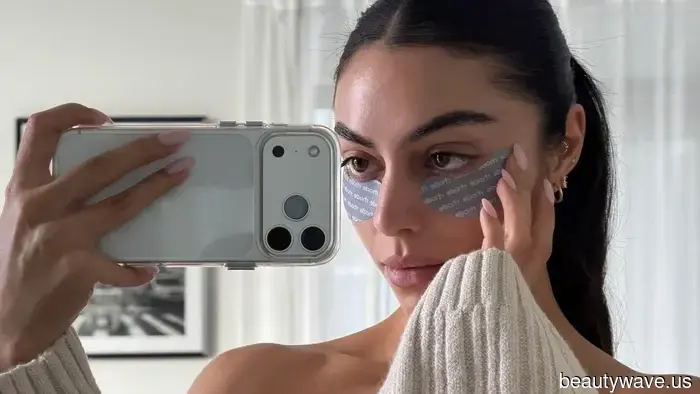
Spicule Skincare Is Ubiquitous, Yet Experts Urge You to Pay Attention to This One Piece of Advice
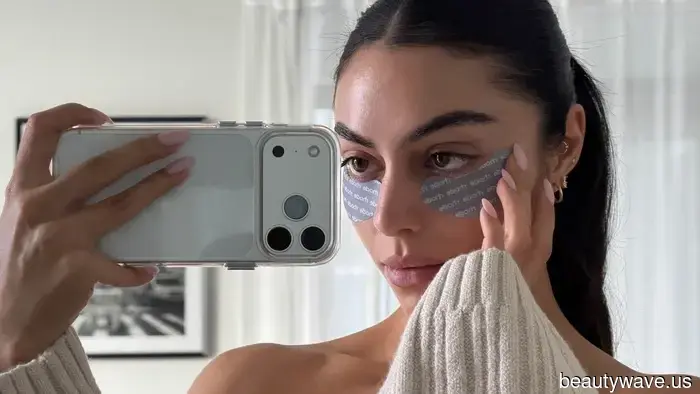
When I scheduled my first "liquid microneedling" facial, I thought the claimed benefits sounded too good to be true. Smooth, clear skin without any downtime or actual needles? I didn't expect to be that impressed. While it isn't a direct replacement for the intense in-office treatment, I can assure you that the excitement surrounding it isn’t just advertising. My skin looked rejuvenated (that's the best way I can put it), all thanks to tiny microspears referred to as spicules. If that last part sparked your curiosity, keep reading. Below, I’ll explain everything you should know about this skin-smoothing technology, including an often-overlooked tip that experts want you to remember.
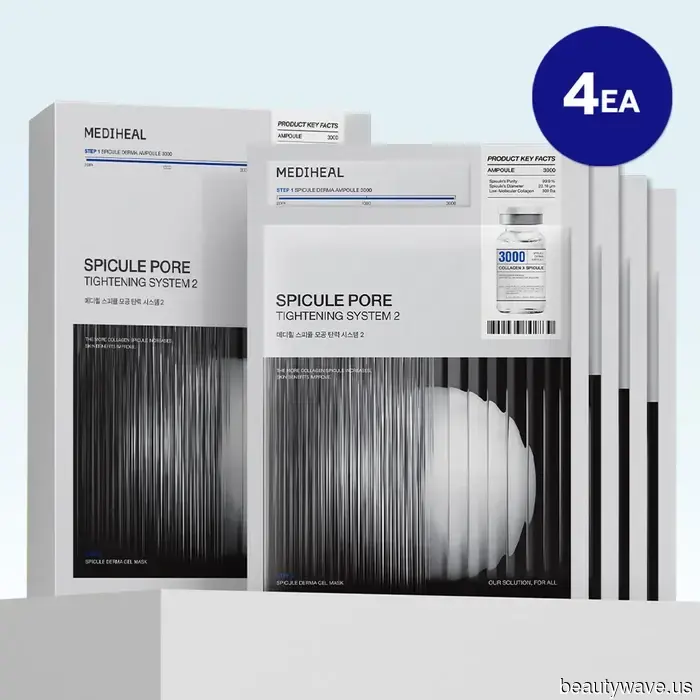
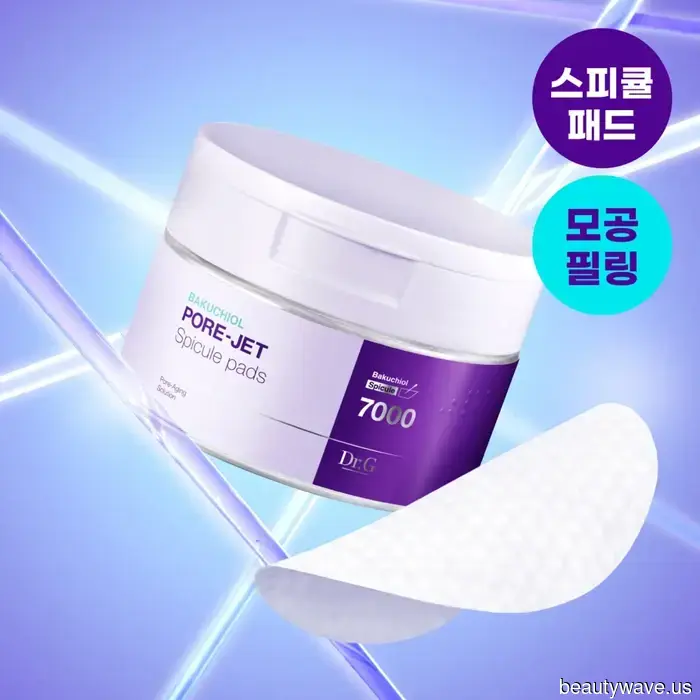
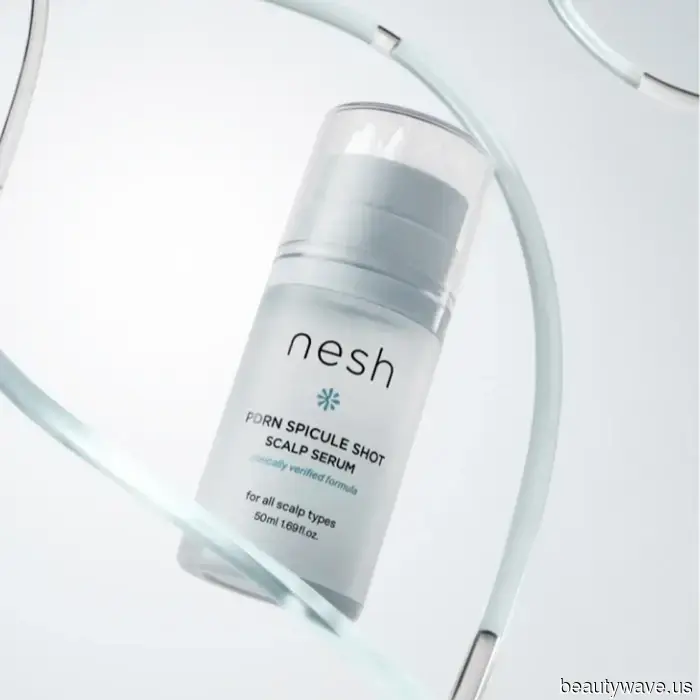
First, what exactly are spicules? Spicules are tiny microspears typically made from hydrolyzed sponges, although certain companies have begun bioengineering them using silica to replicate those found in nature. "They provide greater uniformity in size, shape, and sterility," says aesthetician Tasha Marc. This technology gained popularity in Korea (as most skincare innovations do!), starting as a professional-grade treatment before appearing in milder at-home serums intended for frequent use.
Whether natural or synthetic, "when spicules are applied to the skin, they create microchannels in the epidermis, which can boost cellular turnover and enhance the absorption of additional ingredients," explains dual-board-certified facial plastic and reconstructive surgeon Eunice Park, MD, MPH. This is why the procedure is termed needle-free liquid microneedling. It creates tiny, temporary openings in the skin without the use of actual needles. Over the course of a few days, these microspears dissolve as part of the natural cell turnover.
What skincare benefits do they provide? As Park mentioned, spicules improve the absorption of other active ingredients. By forming these microchannels in the skin, your powerful serums can penetrate deeper, leading to quicker and more effective results. These microchannels also encourage collagen production by initiating your skin's wound-healing process, similar to traditional microneedling, but without excessively damaging the skin barrier. Spicules generally enhance skin cell turnover, making them beneficial for those needing extra help clearing out their pores.
In summary, Marc states that spicules "offer a mix of exfoliation support, treatment penetration, and renewal signaling," unlike AHAs and BHAs that break down bonds between dead skin cells and physical scrubs that concentrate on surface-level smoothing.
"What distinguishes spicules is that they occupy a unique space between standard exfoliation and procedural treatments," adds Park. "Unlike acids or scrubs, which mainly work through chemical or mechanical removal of surface cells, spicules create microscopic channels that help deliver active ingredients deeper into the skin. However, compared to microneedling, the effects are much more superficial and less controlled." In essence, no spicule serum will yield the same effect as a professional microneedling session. In fact, no at-home skincare product can truly replicate the outcomes of an in-office procedure.
"Spicule skincare falls into a very specific in-between category," Marc notes. "It's more active than typical exfoliation but less invasive than professional procedures." For those searching for a compromise, it might just be the ideal solution. However, if you have very sensitive, rosacea-prone, or highly inflamed skin (for instance, following a recent skin-tightening treatment), experts advise you to proceed with caution.
Are spicules safe in skincare? In short: yes, provided you're using a high-quality, cosmetic-grade product. Don’t worry—recommendations are coming soon. You may experience a slight prickly sensation when applying a spicule-infused serum, but it shouldn’t be painful. Personally, I would rate my professional liquid microneedling treatment about a six out of ten on the pain scale, while at-home products are much gentler.
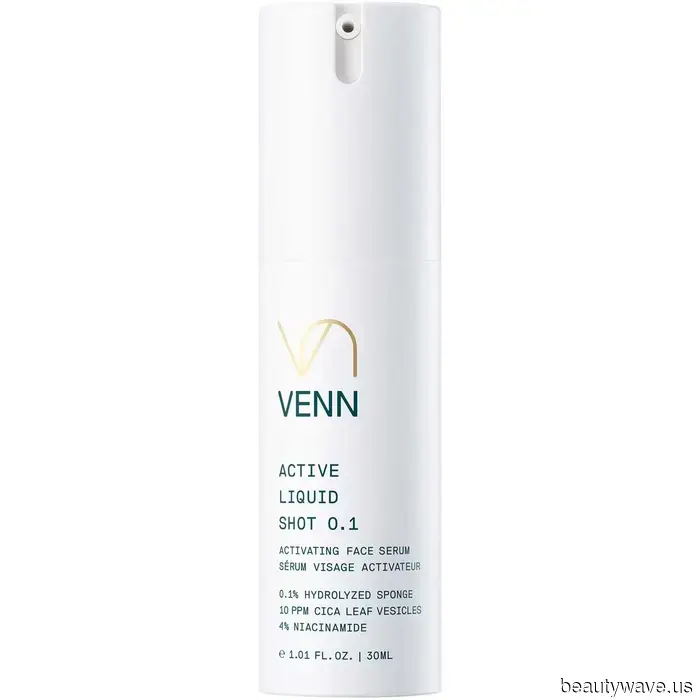
That said, spicule-infused skincare varies in intensity, and greater intensity doesn’t always mean better results. "I appreciate spicule skincare when it's formulated thoughtfully. The best spicule product isn't necessarily the one with the highest concentration or the most intense prickling sensation," explains Brian Oh, founder and CEO of Venn Skincare (which recently launched a serum with 0.1% hydrolyzed sponge spicules). "Because they are physical structures, this category must be approached with care."
Park agrees. "Long-term data on spicule technology is still insufficient, particularly regarding repeated use of higher-concentration formulations, so I think some caution is appropriate," she comments. Ultimately, spicules are foreign microscopic structures introduced to your skin. Although they should dissolve naturally with your skin's cell turnover, individual skin responses can differ, especially in those with sensitive skin, underlying inflammatory conditions, or compromised skin barriers, Park adds.
If you're curious about the science, spicules rely



Other articles
 My friends often inquire about how I manage to make Zara pieces appear luxurious—here are 5 stylish summer capsule wardrobe essentials that I can't recommend enough.
Here are five essential Zara pieces that elevate any warm-weather outfit to appear effortlessly luxurious.
My friends often inquire about how I manage to make Zara pieces appear luxurious—here are 5 stylish summer capsule wardrobe essentials that I can't recommend enough.
Here are five essential Zara pieces that elevate any warm-weather outfit to appear effortlessly luxurious.
 Spicule Skincare is gaining popularity, but experts urge you to pay attention to this important advice.
Let's get started.
Spicule Skincare is gaining popularity, but experts urge you to pay attention to this important advice.
Let's get started.
Spicule Skincare Is Ubiquitous, Yet Experts Urge You to Pay Attention to This One Piece of Advice
Let's get started.