

Most dermatologists do not endorse DIY microneedling—fortunately, these three alternatives are equally effective.
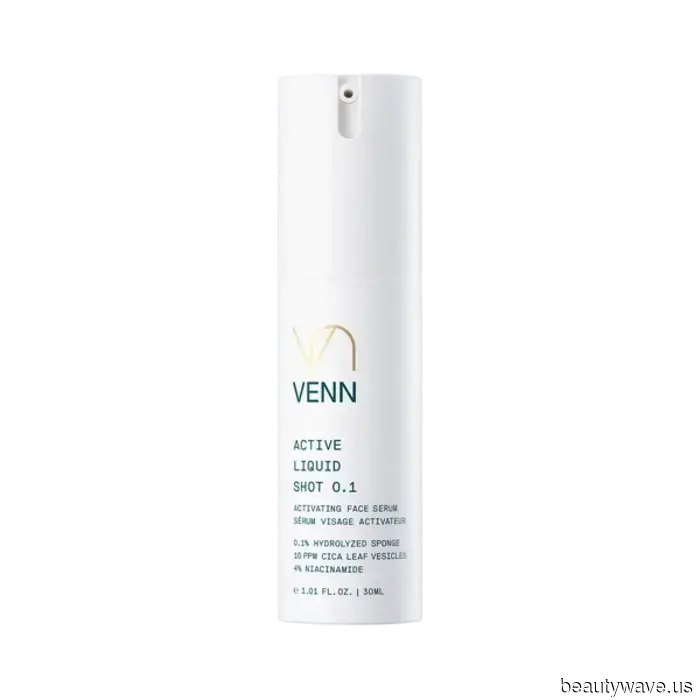
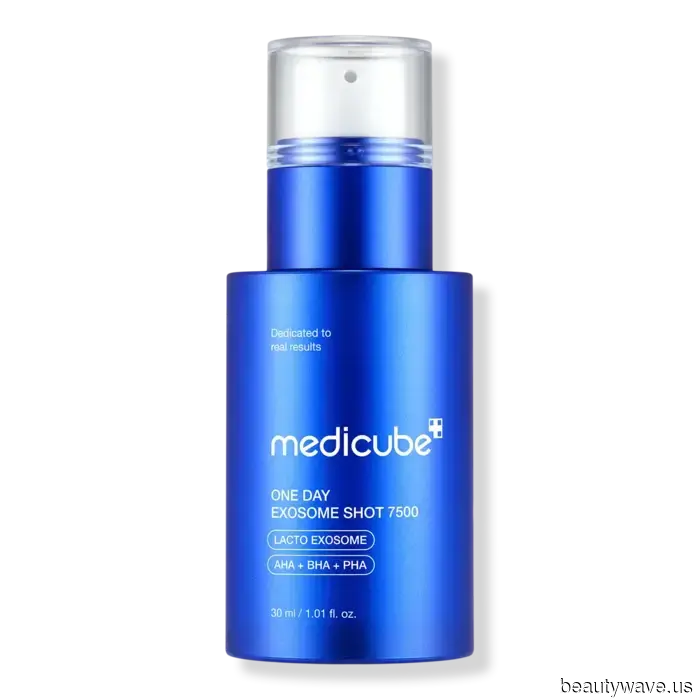
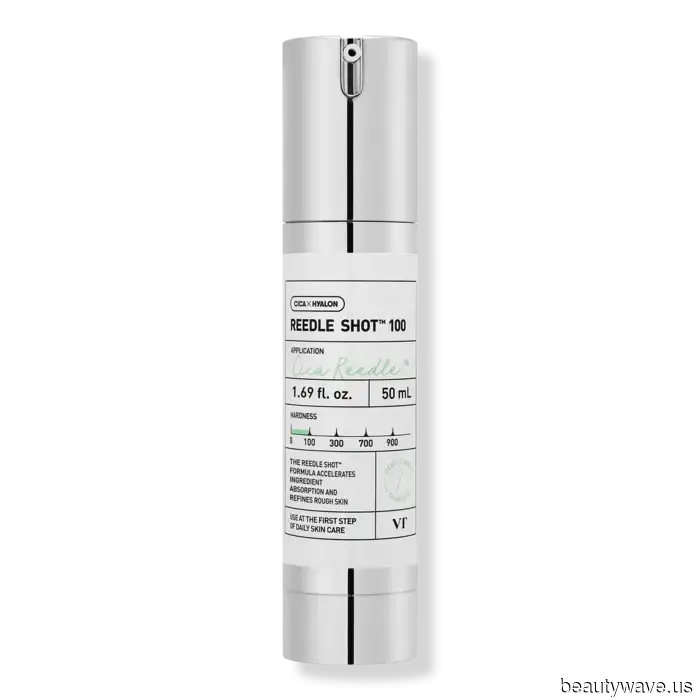
Dermatologists widely recognize that micro-needling is highly effective. For those unfamiliar, micro-needling treatments utilize tiny needles to make superficial punctures in the skin, creating "micro-injuries" that stimulate the body's natural wound-healing process and significantly enhance collagen and elastin production. Essentially, this can result in smoother, fuller, and more youthful skin, and it can significantly reduce the appearance of acne scars. However, not all micro-needling treatments are created equal. Professionals advocate for office-based treatments overseen by an expert, warning against at-home microneedling methods, often called derma-rollers, due to their potential to cause more harm than good. Fortunately, if professional micro-needling is out of reach financially, experts suggest two alternative options. The first is retinol, a highly regarded ingredient known for boosting collagen. The second is a safe, hygienic, dermatologist-developed "Micro-Infusion" system. Additionally, there's spicule skincare, a K-beauty trend that has recently gained popularity in the U.S. Below, you can learn more about each option and determine which might be best for you.
The Risks of Derma-Rollers Azadeh Shirazi, a board-certified dermatologist and founder of AziMD Skincare, warns that while derma-rollers are promoted as DIY microneedling options, they pose "real risks" when misused. She identifies her primary concerns as infection, irritation, post-inflammatory hyperpigmentation, and potential scarring, particularly for individuals with sensitive skin or darker skin tones. Many people are unaware that a lack of sterilization and overly aggressive application can compromise the skin barrier, exacerbating conditions like acne or rosacea. Shirazi believes that microneedling should be performed with professional oversight and proper technique. For context, derma-rollers feature a rolling head covered in micro-needles, which dermatologists classify as the main issue. Luke Maxfield, DO, FAAD, and board-certified dermatologist, explains that while this design can create micro-holes, it also drags across the skin, leading to unnecessary trauma, hyperpigmentation, or even scarring. Furthermore, since derma-rollers do not have single-use tips, the responsibility for sterilization lies with the user. The needle lengths on derma-rollers can vary, and any adjunct products used may not be ideally formulated to penetrate the skin through the channels created by needling. All of these factors make safety a significant concern. In contrast, professional micro-needling employs a stamping motion, which is regarded as much safer.
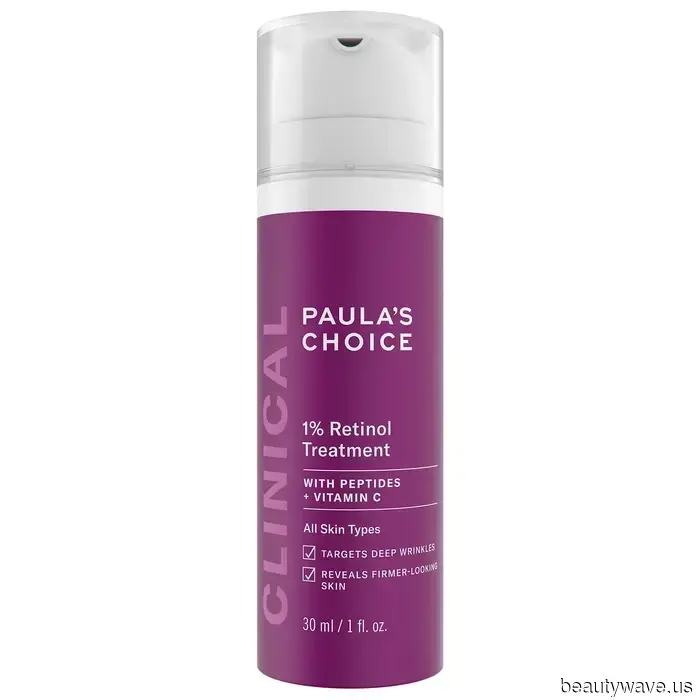
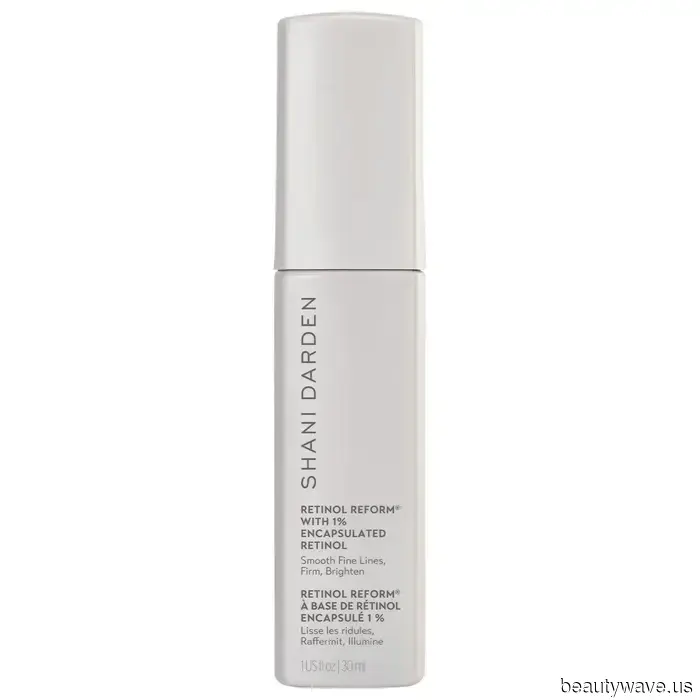
Alternative #1: Retinoids Retinoids serve as an effective substitute for DIY microneedling treatments. They enhance collagen production and help resurface the skin for a plumper, smoother, and more even appearance, with benefits increasing over time. "For most patients, I advise focusing on proven skincare ingredients that stimulate collagen without causing physical harm to the skin," Shirazi states. "Retinoids are my preferred option because they can enhance texture, fine lines, and overall skin quality over time. Other beneficial additions may include peptides, growth factors, antioxidants, and gentle chemical exfoliants. Maintaining a consistent and well-formulated skincare routine is often safer and can be significantly more effective than at-home microneedling devices."
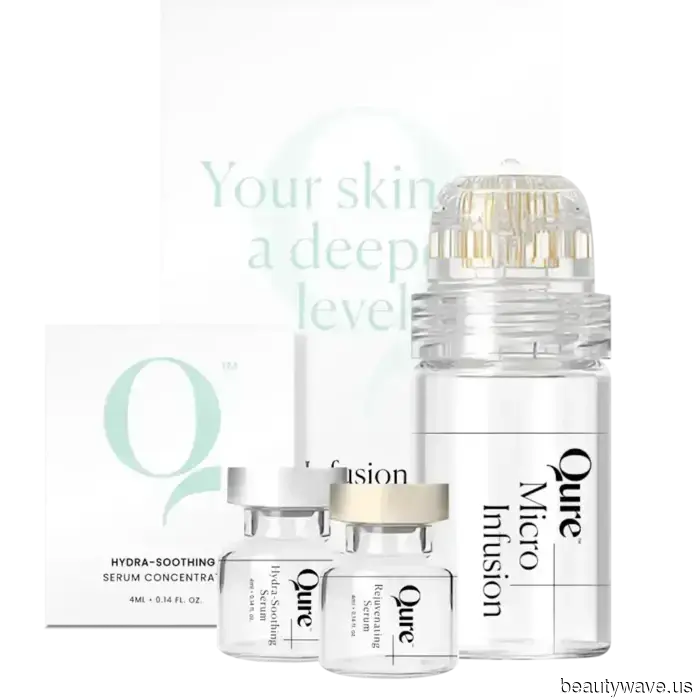
Alternative #2: The Qure Micro-Infusion System Remember how derma-rollers can drag or pull on the skin, creating micro-tears, irritation, and inflammation? Qure’s Micro-Infusion System addresses that issue. It’s one of my preferred at-home skin treatments, and I've observed a noticeable improvement in my skin's smoothness and plumpness after just one use (the effects are even better with consistent use). I appreciate it so much that I will not use a derma-roller again. Many experts endorse it as a safe and hygienic alternative to other DIY microneedling options since it employs a gentle stamping technique rather than rolling needles, minimizing potential skin damage and trauma. "Micro-stamping or micro-infusion devices like the Qure Micro-Infusion System effectively combine the benefits of micro-needling with safety," explains Maxfield. "This system uses sterile, single-use needle tips plated with 24-karat gold, greatly reducing the risk of infection. The needle length is purposely designed to ensure efficacy while remaining safe for both sensitive and thicker skin areas, such as around the eyes and mouth. Additionally, Qure provides serums intended for use with the device." The micro-stamping process may cause my skin to appear red for an hour post-treatment (common for my sensitive skin), but within 24 hours, my skin looks smooth, plump, calm, and overall improved. When purchasing the Qure Micro-Infusion System, you can select among three serum combinations (targeting dark spots, wrinkles, or both) and choose from one-month, three
Other articles
 Attention all fans of Scandi style—here are 6 summer outfits we're borrowing from the trendiest dressers in Copenhagen.
Consider camo denim shorts, eye-catching joggers, and simplified mini skirts—'90s fashion is definitely making a comeback.
Attention all fans of Scandi style—here are 6 summer outfits we're borrowing from the trendiest dressers in Copenhagen.
Consider camo denim shorts, eye-catching joggers, and simplified mini skirts—'90s fashion is definitely making a comeback.
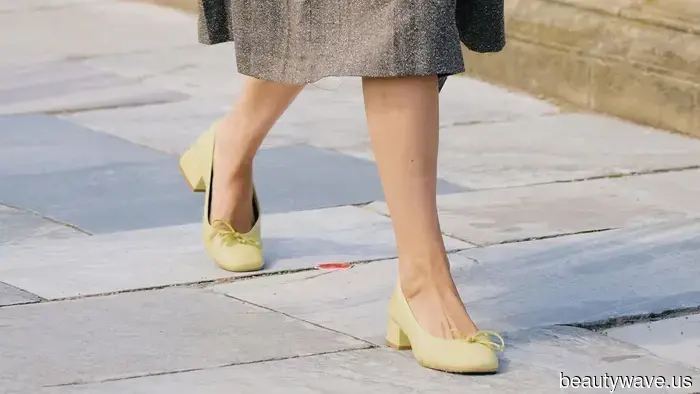 I No Longer Wear High Heels—Here Are the Stylish Summer Shoes I Choose Instead.
Ballet flats, Mary Janes, sandals with kitten heels, jelly shoes, and others.
I No Longer Wear High Heels—Here Are the Stylish Summer Shoes I Choose Instead.
Ballet flats, Mary Janes, sandals with kitten heels, jelly shoes, and others.
 The Return of the Big Bath: Reasons to Incorporate a Bathing Ritual into Your Routine
The advantages of bathing that you should be aware of.
The Return of the Big Bath: Reasons to Incorporate a Bathing Ritual into Your Routine
The advantages of bathing that you should be aware of.
 H&M has discreetly mastered summer attire—here are 7 stylish items you should consider incorporating into your wardrobe.
My summer capsule wardrobe simplifies looking stylish in the heat. H&M has now refined the 7 essential warm-weather pieces that I rely on year after year.
H&M has discreetly mastered summer attire—here are 7 stylish items you should consider incorporating into your wardrobe.
My summer capsule wardrobe simplifies looking stylish in the heat. H&M has now refined the 7 essential warm-weather pieces that I rely on year after year.
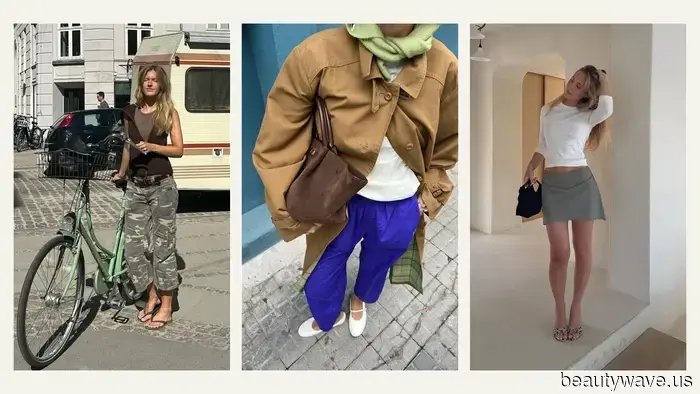 Attention all Scandi style enthusiasts—6 summer outfits we’re borrowing from the trendiest dressers in Copenhagen.
Consider camo jorts, striking joggers, and simple mini skirts—'90s fashion is definitely in vogue.
Attention all Scandi style enthusiasts—6 summer outfits we’re borrowing from the trendiest dressers in Copenhagen.
Consider camo jorts, striking joggers, and simple mini skirts—'90s fashion is definitely in vogue.
 The Resurgence of Bathing: Reasons to Incorporate a Bathing Ritual into Your Routine
The advantages of bathing that you should be aware of.
The Resurgence of Bathing: Reasons to Incorporate a Bathing Ritual into Your Routine
The advantages of bathing that you should be aware of.
Most dermatologists do not endorse DIY microneedling—fortunately, these three alternatives are equally effective.
Here’s a way to achieve beautiful skin without the risk of harm.