

I’m an Aesthetician—Here Are the Retinol Alternatives I Truly Suggest to My Clients.
Retinol stands out as a unique skincare ingredient. If you've explored the skincare realm, you're likely aware that it’s often discussed with a certain reverence—and justifiably so. This derivative of vitamin A accelerates skin cell turnover and promotes collagen production, making it a common recommendation for issues like fine lines, uneven texture, breakouts, and pigmentation. Essentially, it encourages the skin to behave like a "younger" version of itself, gradually refining and resurfacing over time. However, while it is indeed effective, retinol is not always an easy option. It can require a significant commitment, and as a skincare professional, I am frequently asked about "retinol alternatives" by clients who either cannot tolerate retinoids or prefer not to use them. The adjustment period—known as retinisation—can involve dryness, peeling, redness, breakouts, and overall sensitivity as the skin adjusts. For some individuals, this is not a journey they wish to undertake. Additionally, there are those who cannot use them at all, such as pregnant or breastfeeding women, or anyone with a compromised skin barrier or highly reactive skin. “Some may steer clear of retinol due to potential dryness, redness, peeling, or irritation, which is especially true for sensitive skin," notes dermatologist Sonia Khorana. "It’s also commonly avoided during pregnancy, and some people find the added sun sensitivity or the need for a gradual introduction to be bothersome.”
This has naturally paved the way for the emergence of "retinol alternatives," a term that has gained popularity in recent years. “A ‘retinol alternative’ refers to an ingredient that aims to provide some of the same benefits as retinol—like reducing the appearance of fine lines, improving texture, or evening out skin tone—while posing a lower risk of irritation or sensitivity," Khorana explains. "The actual benefits and effectiveness can vary depending on the ingredient, but I personally don’t favor this terminology since nothing truly matches retinol." While the concept of "retinol alternatives" might suggest an easy substitution, the reality is considerably more complex. Retinoids have a unique way of interacting with skin cells, and very few other ingredients can replicate that function exactly. Instead, what we typically refer to as alternatives are usually ingredients that enhance the skin through different mechanisms—consider brightening agents, gentle exfoliants, hydration enhancers, or antioxidant-rich botanicals that contribute to the skin's overall appearance over time. Therefore, it's more beneficial to think in terms of support rather than replacements. The aim isn’t to imitate retinoids perfectly but to identify ingredients that provide visible improvements in tone, texture, and radiance in a manner that feels comfortable and sustainable for your skin.
### Best Retinol Alternatives
**Best Azelaic Acid:** Skn To Skn Multitasking Serum
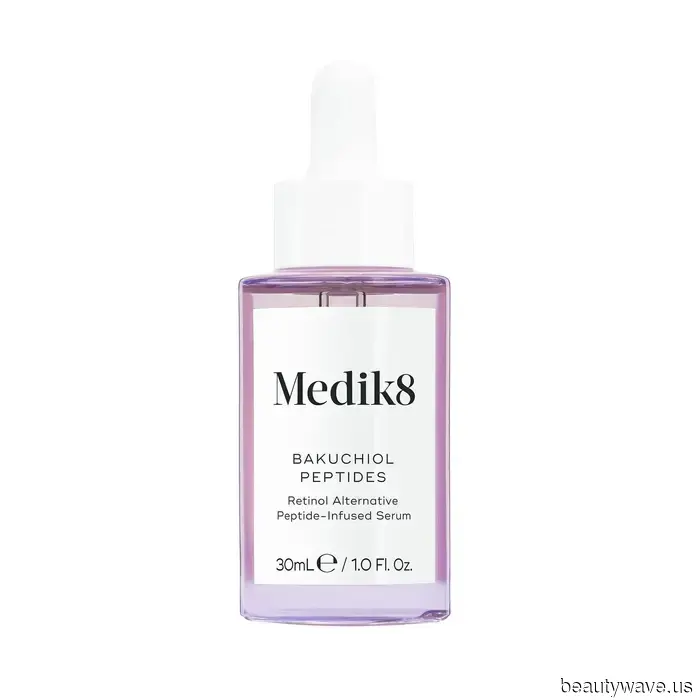
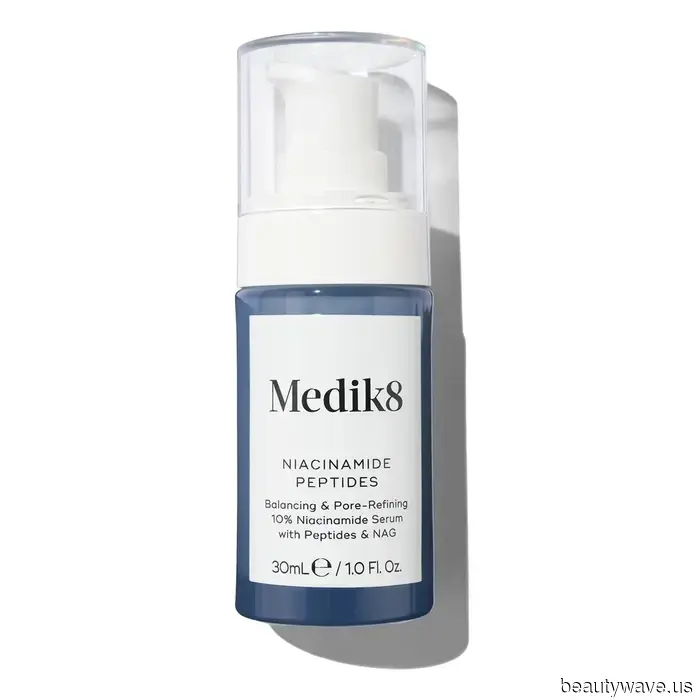
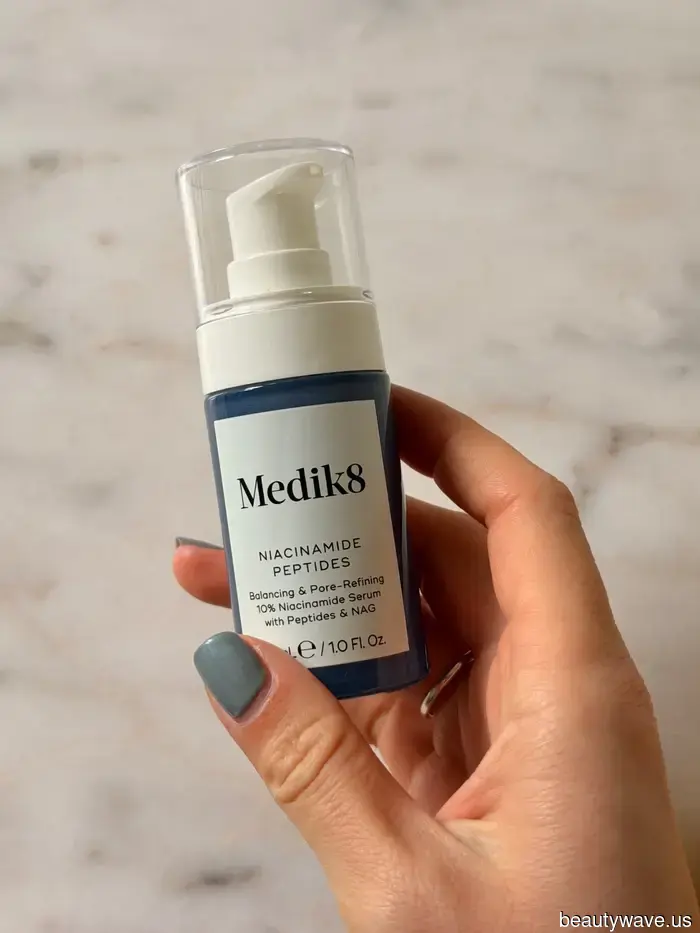
**Best Bakuchiol:** Medik8 Bakuchiol Peptides
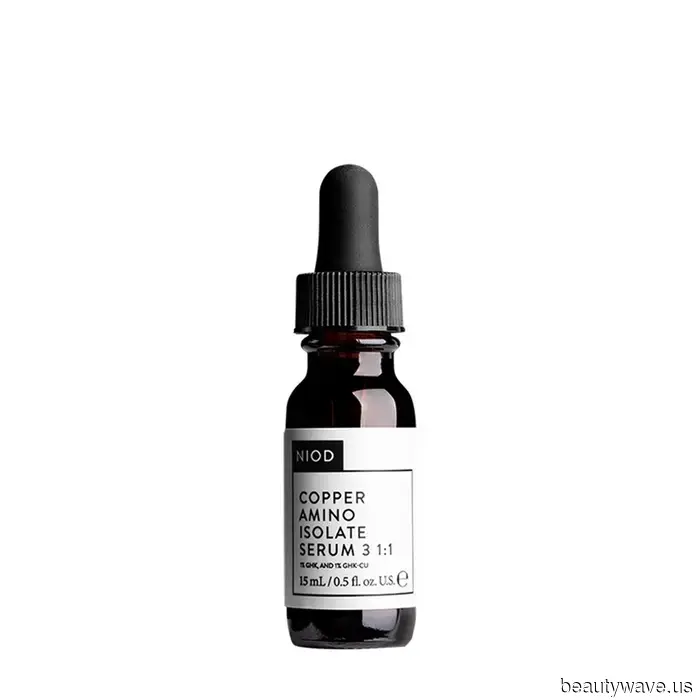
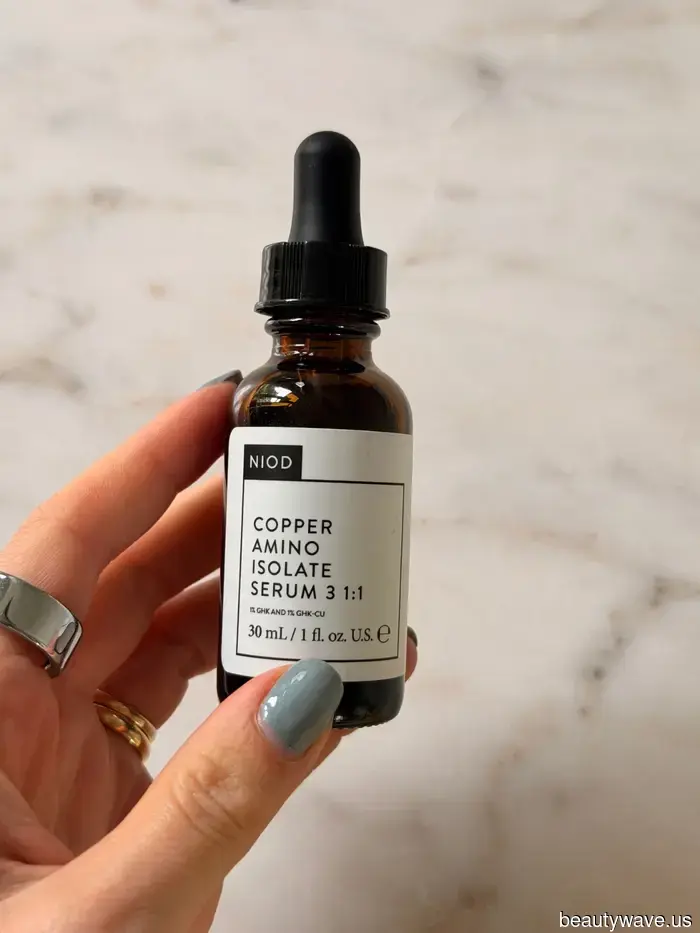
**Best Peptide:** NIOD Copper Amino Isolate Serum 3 1:1
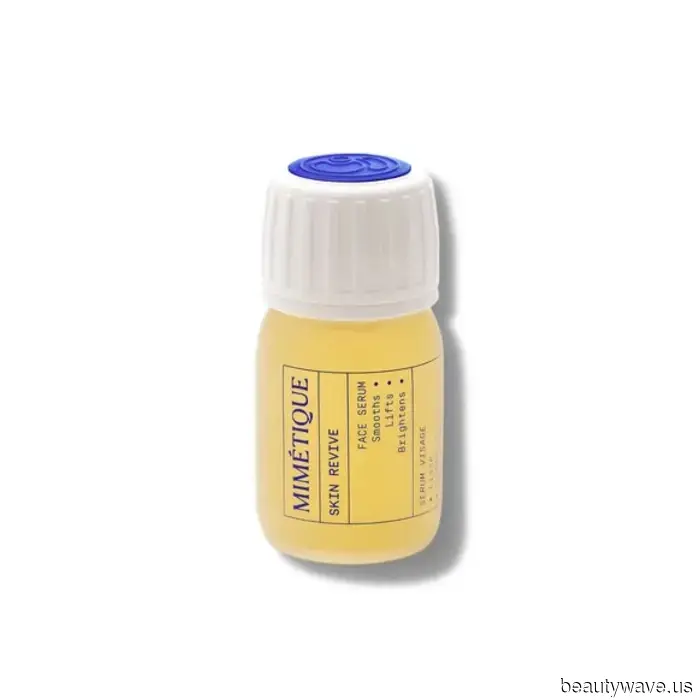
**Best Niacinamide:** Mimétique Skin Revive Serum
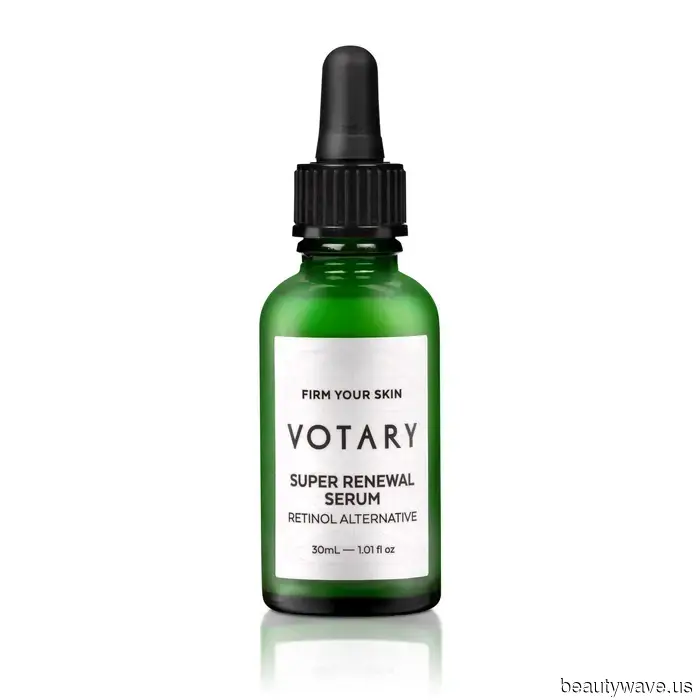
**Best Botanical Serum:** Votary Super Renewal Serum
1. **Azelaic Acid**
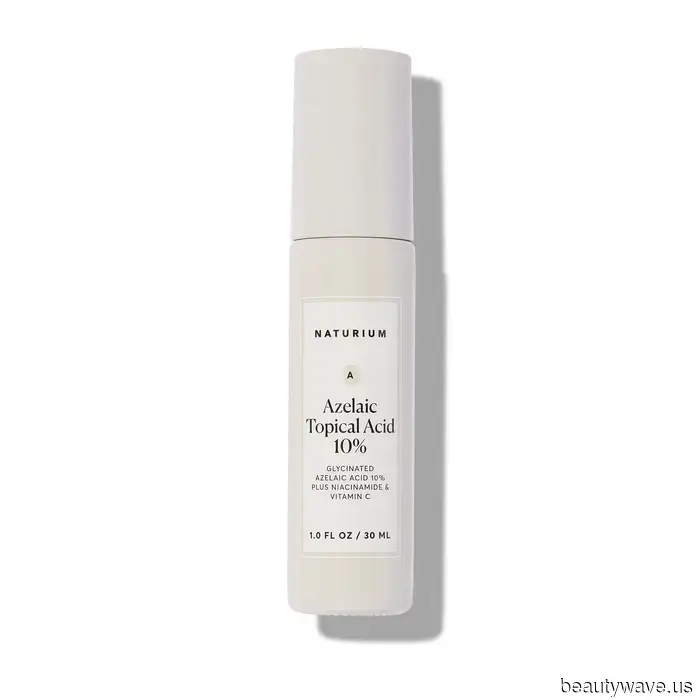
Azelaic acid is a frequently overlooked ingredient that certainly deserves recognition in skincare. Naturally found in grains such as barley and wheat, it’s a versatile active that gently exfoliates the skin, clears clogged pores, and soothes inflammation. Its ability to improve redness, post-acne marks, and uneven skin tone makes it a popular choice for those with acne-prone or rosacea-prone skin. Although it doesn't function like retinoids, it can still provide comparable visible results in texture and clarity through a gentler route. For individuals who find retinoids overly harsh, azelaic acid often proves to be a dependable alternative that is effective yet low in irritation.
**Best Azelaic Acid Serum**
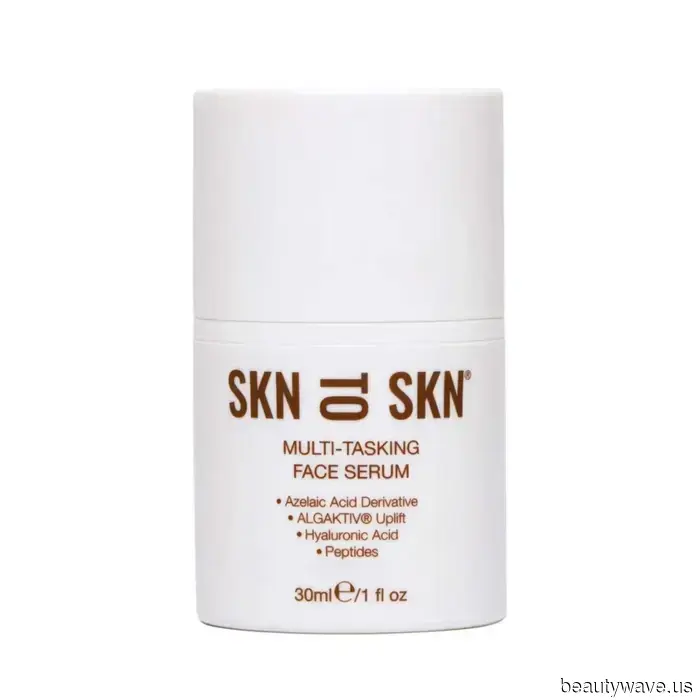
*Skn To Skn Multitasking Serum*
I often recommend this serum to clients who are pregnant, breastfeeding, or trying to conceive and want a retinol alternative. It prioritizes brightening the skin, regulating oil control, and minimizing hormonal breakouts, making it a safe choice during pregnancy when the selection of active ingredients is limited. Instead of directly mimicking retinol, it utilizes azelaic acid along with peptides and antioxidants to enhance skin quality over time.
**Pros:** Pregnancy-safe; gentle and suitable for sensitive skin
**Best Brightening Serum**
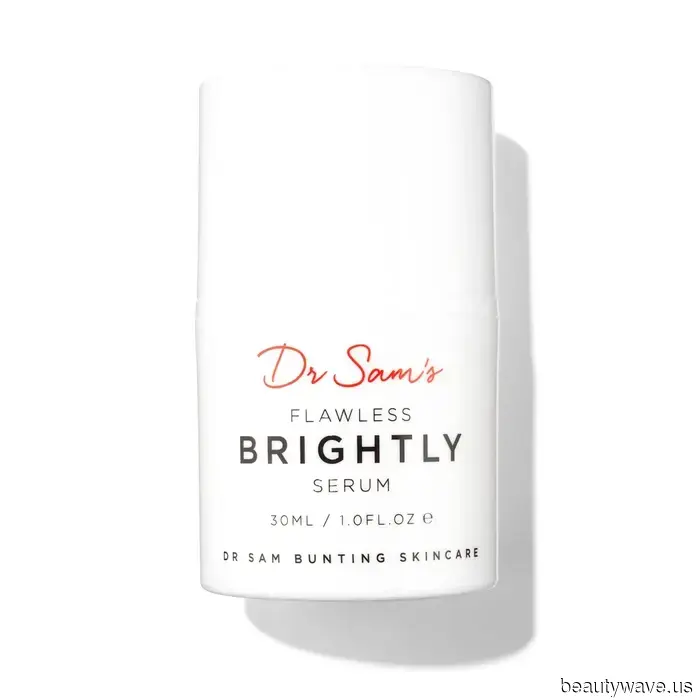
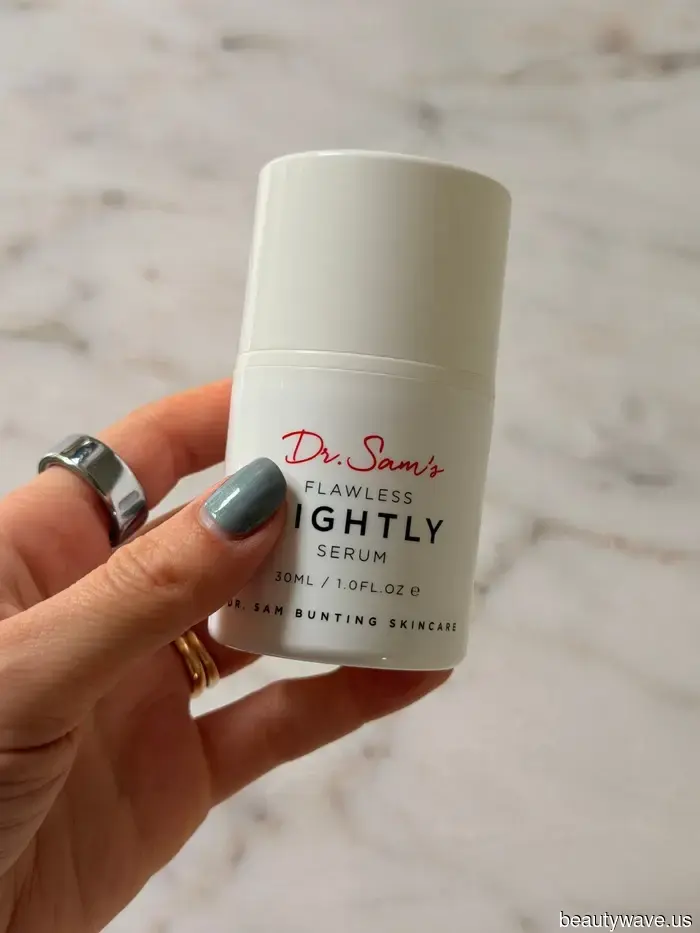
*Dr Sam's Flawless Brightly Serum*
This serum is designed to enhance radiance and tackle uneven skin tone, dullness, and post-breakout marks through a well-balanced array of brightening agents, with azelaic acid as the key ingredient. Its lightweight, quickly-absorbing texture integrates seamlessly into both morning and evening routines. While it isn't a direct alternative to retinol, it helps achieve a similarly refreshed appearance through gentle exfoliation and tone correction. With

Other articles
 I’ve conducted the research—here are the 6 best summer tops to pair with jeans in 2026.
From linen tops to broderie anglaise blouses, here are six summer tops to pair with your favorite jeans this season.
I’ve conducted the research—here are the 6 best summer tops to pair with jeans in 2026.
From linen tops to broderie anglaise blouses, here are six summer tops to pair with your favorite jeans this season.
 I Gasps—Zara, COS, and Abercrombie Subtly Released the Most Luxurious-Looking Summer Purchases.
I need to add some elegant pieces to my summer wardrobe. Fortunately, Zara, COS, and Abercrombie have recently released their new season collections that are quite sophisticated.
I Gasps—Zara, COS, and Abercrombie Subtly Released the Most Luxurious-Looking Summer Purchases.
I need to add some elegant pieces to my summer wardrobe. Fortunately, Zara, COS, and Abercrombie have recently released their new season collections that are quite sophisticated.
 This Bodycare Brand, known for IYKYK, comprises 99% of my routine—7 Must-Have In-Shower Products
Hanni is the bodycare brand IYKYK that constitutes 99% of my routine. Here’s a guide to seven essential in-shower products for achieving smooth, silky skin this summer.
This Bodycare Brand, known for IYKYK, comprises 99% of my routine—7 Must-Have In-Shower Products
Hanni is the bodycare brand IYKYK that constitutes 99% of my routine. Here’s a guide to seven essential in-shower products for achieving smooth, silky skin this summer.
 I Initially Believed I Preferred a Kelly, But I May Actually Favor Gigi Hadid's Subtle Bag Even More.
At the very least, it's simpler to purchase (and certainly more cost-effective).
I Initially Believed I Preferred a Kelly, But I May Actually Favor Gigi Hadid's Subtle Bag Even More.
At the very least, it's simpler to purchase (and certainly more cost-effective).
 Turn the Page: The Next Chapter of Hermès's Fall 2026 Reveals Itself Behind the Gates of Bel Air
Named Silhouettes on the Horizon.
Turn the Page: The Next Chapter of Hermès's Fall 2026 Reveals Itself Behind the Gates of Bel Air
Named Silhouettes on the Horizon.
 I was stunned—Zara, COS, and Abercrombie have discreetly released the summer items that look the most upscale.
My summer wardrobe could use some elegant new pieces. Fortunately, Zara, COS, and Abercrombie have just released their most refined collections for the new season.
I was stunned—Zara, COS, and Abercrombie have discreetly released the summer items that look the most upscale.
My summer wardrobe could use some elegant new pieces. Fortunately, Zara, COS, and Abercrombie have just released their most refined collections for the new season.
I’m an Aesthetician—Here Are the Retinol Alternatives I Truly Suggest to My Clients.
Alternatives to retinol that are approved by estheticians for sensitive skin, pregnancy, and minimizing irritation include bakuchiol, peptides, niacinamide, and additional options.