

As an Aesthetician, here are the retinol alternatives that I genuinely suggest to my clients.
Retinol is one of those skincare components that stands out on its own. If you’ve delved into skincare, you’ve likely heard it discussed with admiration—and for good reason. Originating from vitamin A, retinoids operate by speeding up skin cell turnover and enhancing collagen production, which is why they are frequently recommended for issues such as fine lines, uneven texture, breakouts, and pigmentation. They effectively encourage the skin to emulate a younger version of itself, gradually refining and resurfacing over time. However, despite its effectiveness, retinol may not always be suitable for everyone. It often requires a commitment, and as an aesthetician, I frequently receive inquiries about “retinol alternatives” from clients who can’t tolerate retinoids or prefer not to use them. The adjustment period—known as retinisation—can include dryness, peeling, redness, increased breakouts, and heightened sensitivity as the skin adapts. For some individuals, this is a journey they prefer to avoid. Additionally, there are those who cannot use retinol at all, such as pregnant or breastfeeding individuals and those with a compromised skin barrier or highly reactive skin. “Some people might shy away from retinol due to potential dryness, redness, peeling, or irritation, especially with sensitive skin," explains dermatologist Sonia Khorana. "It’s also typically avoided during pregnancy, and the increased sun sensitivity or gradual introduction can be bothersome for many.”
Consequently, this has led to a rise in the market for “retinol alternatives”—a term that has gained buzz in the skincare community recently. “A ‘retinol alternative’ refers to an ingredient that aims to deliver some benefits similar to retinol—like enhancing the appearance of fine lines, texture, or uneven tone—while posing a lower risk of irritation or sensitivity," Khorana clarifies. "The precise benefits and effectiveness can vary with each ingredient, but I’m not particularly fond of this terminology, as nothing truly matches retinol." While “retinol alternative” may seem like a straightforward swap, the reality is more complex. Retinoids uniquely interact with skin cells, and very few ingredients genuinely perform the same functions in a similar manner. Instead, what are often termed alternatives usually consist of ingredients that support skin health through various pathways—consider brightening agents, mild exfoliants, moisturizers, or antioxidant-rich botanicals that enhance overall skin appearance over time. Therefore, instead of framing the discussion in terms of replacements, it’s more beneficial to consider it as a matter of support. The aim isn’t to exactly replicate retinoids but to identify ingredients that provide visible improvements in tone, texture, and radiance in a way that is comfortable and sustainable for your skin.
**Top Retinol Alternatives**
**Best Azelaic Acid:** Skn To Skn Multitasking Serum
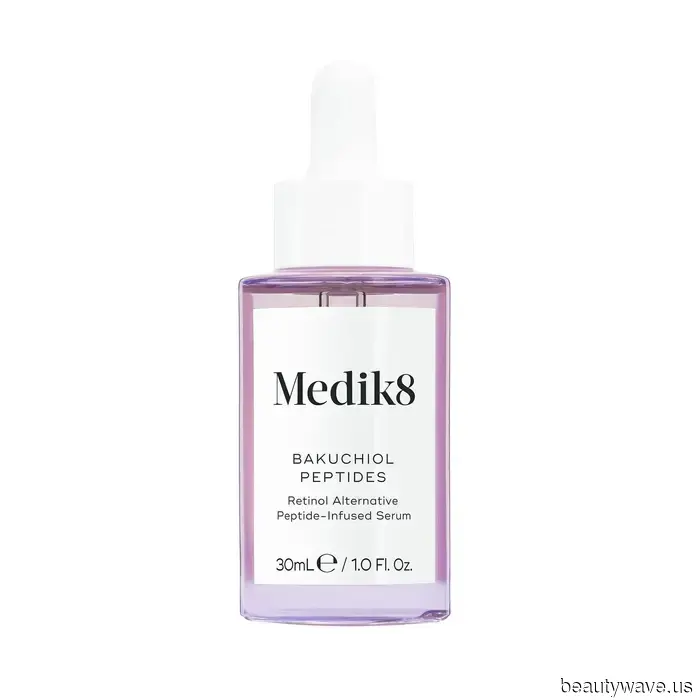
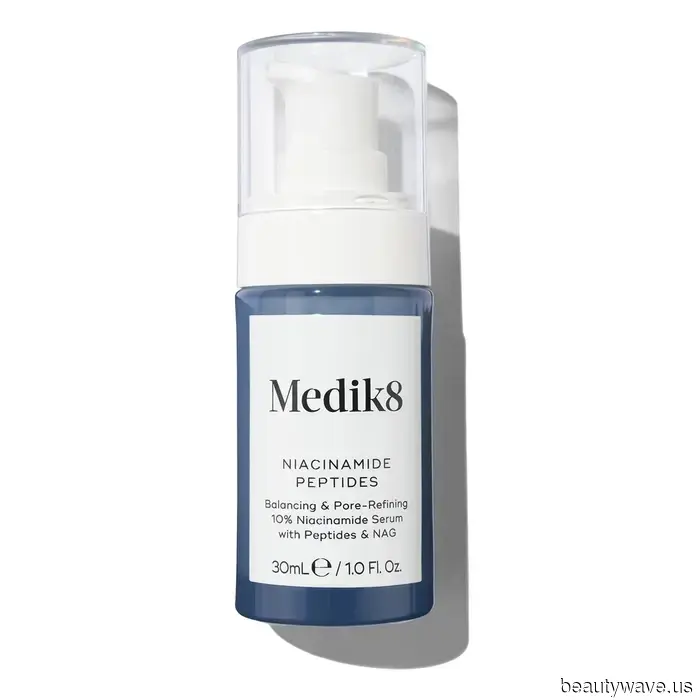
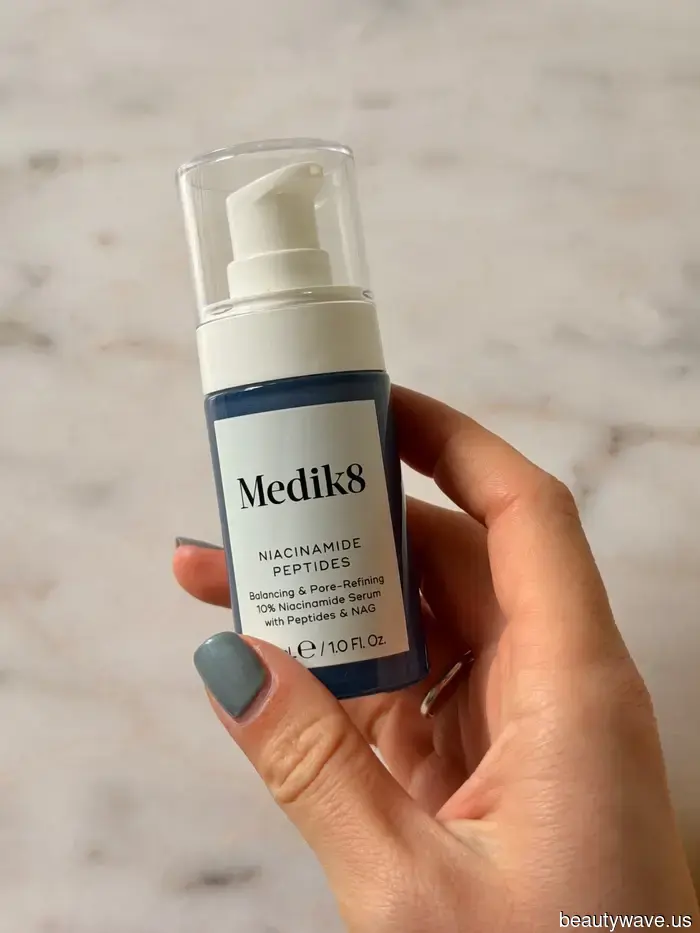
**Best Bakuchiol:** Medik8 Bakuchiol Peptides
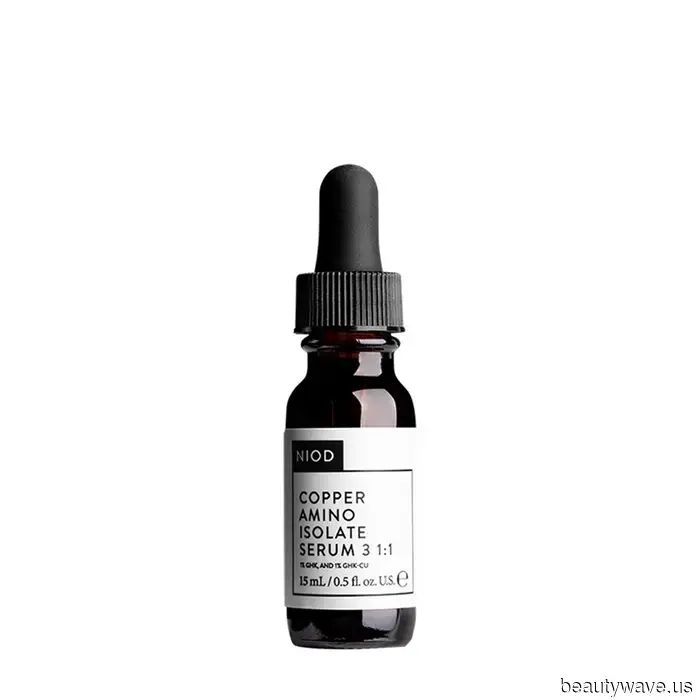
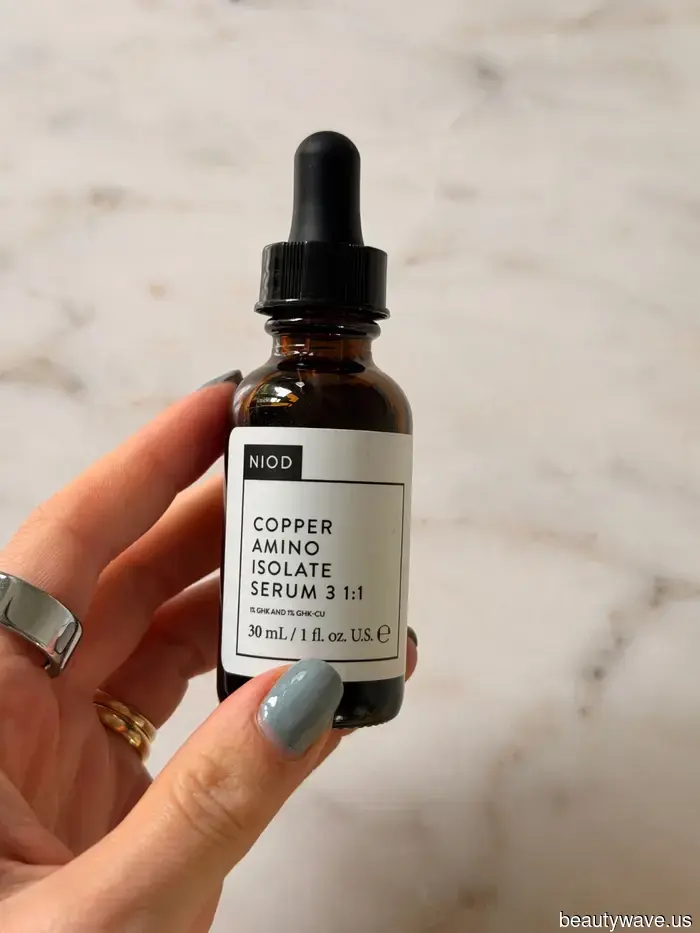
**Best Peptide:** NIOD Copper Amino Isolate Serum 3 1:1
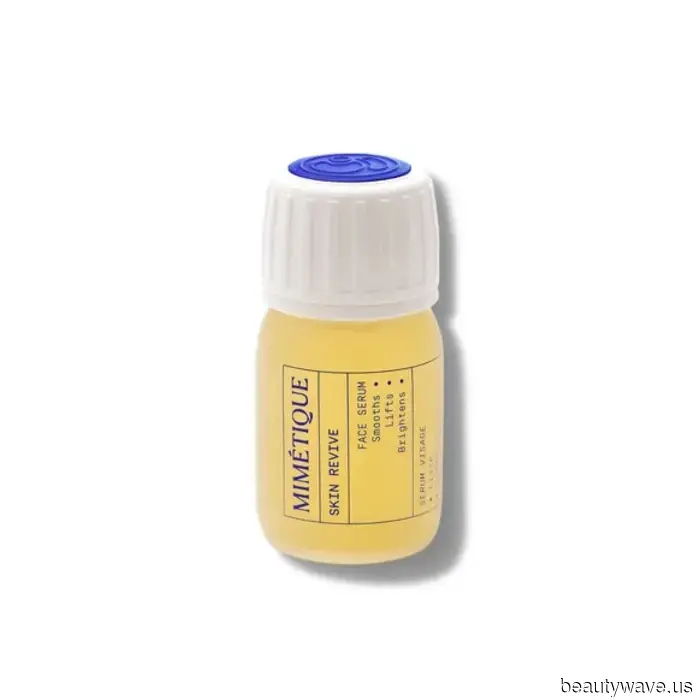
**Best Niacinamide:** Mimétique Skin Revive Serum
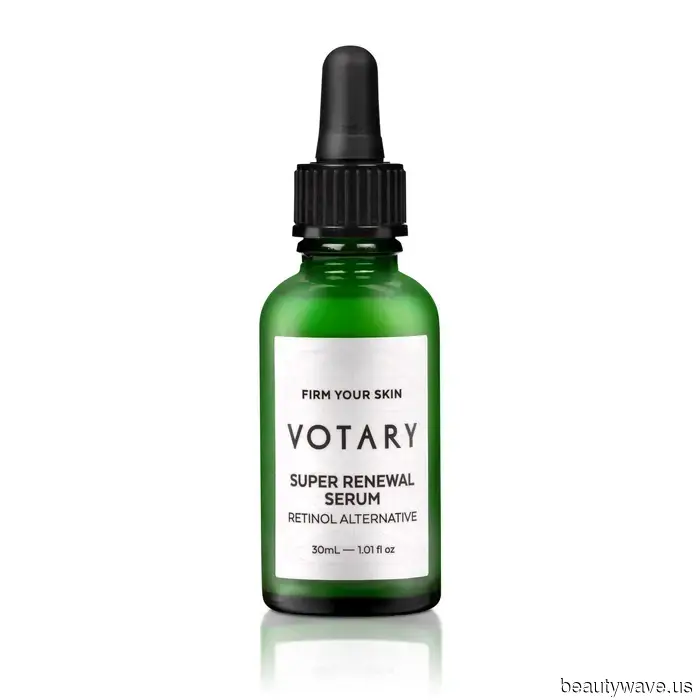
**Best Botanical Serum:** Votary Super Renewal Serum
**1. Azelaic Acid**
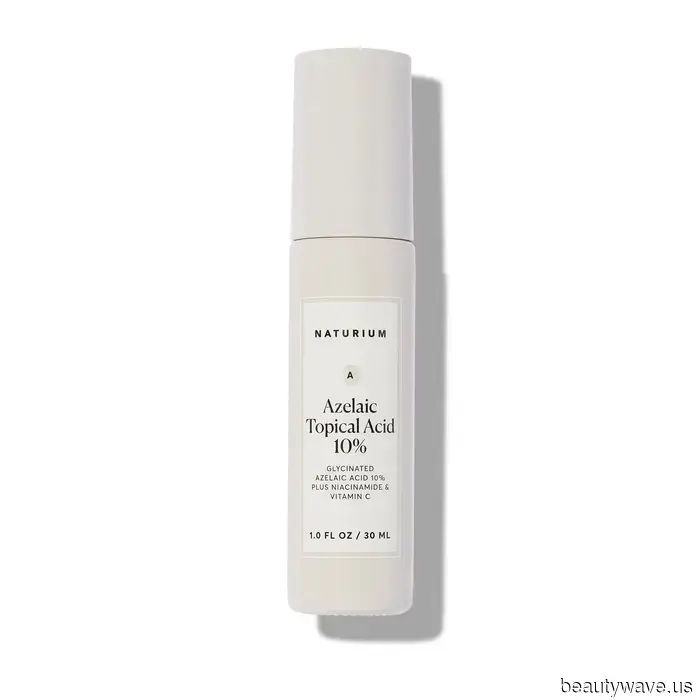
Azelaic acid is an often-overlooked skincare ingredient that may not receive the same buzz as retinoids but certainly deserves a place in any routine. Naturally sourced from grains like barley and wheat, it’s a multifunctional active that gently exfoliates the skin, unclogs pores, and soothes inflammation. It’s particularly recognized for reducing redness, post-acne marks, and uneven skin tone, making it a go-to for acne-prone or rosacea-affected skin. Although it does not perform like retinoids, it can still yield visible improvements in texture and clarity—but through a different, generally more soothing route. For those who find retinoids too aggressive, azelaic acid often serves as a dependable alternative that is both effective and low in irritation.
**Best Azelaic Acid Serum**
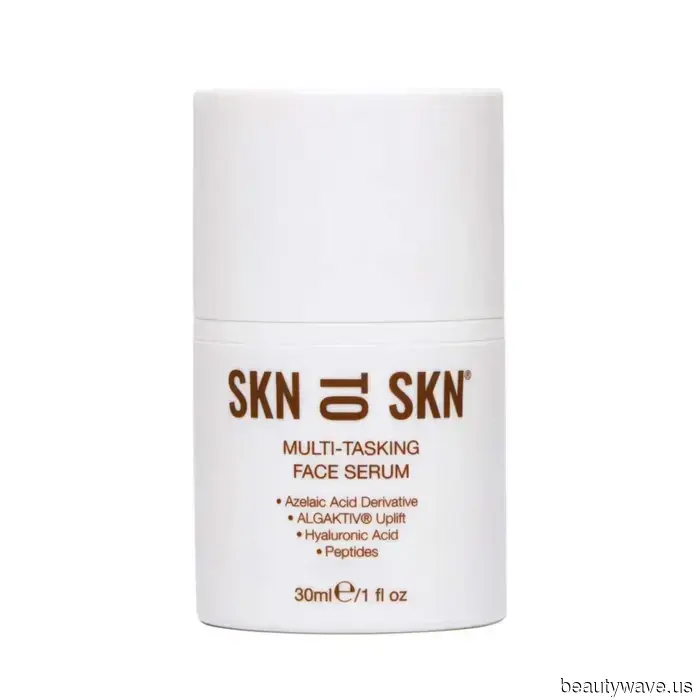
Skn To Skn Multitasking Serum
I frequently recommend this serum to clients who are pregnant, breastfeeding, or trying to conceive, making it a suitable retinol alternative. It focuses on brightening skin, controlling oil production, and alleviating hormonal breakouts, offering reassurance during pregnancy when active ingredient options may be restricted. Rather than mimicking retinol directly, it employs azelaic acid, along with peptides and antioxidants, to enhance skin quality over time.
**Pros**: Proven to be pregnancy-safe, gentle and suitable for sensitive skin.
**Best Brightening Serum**
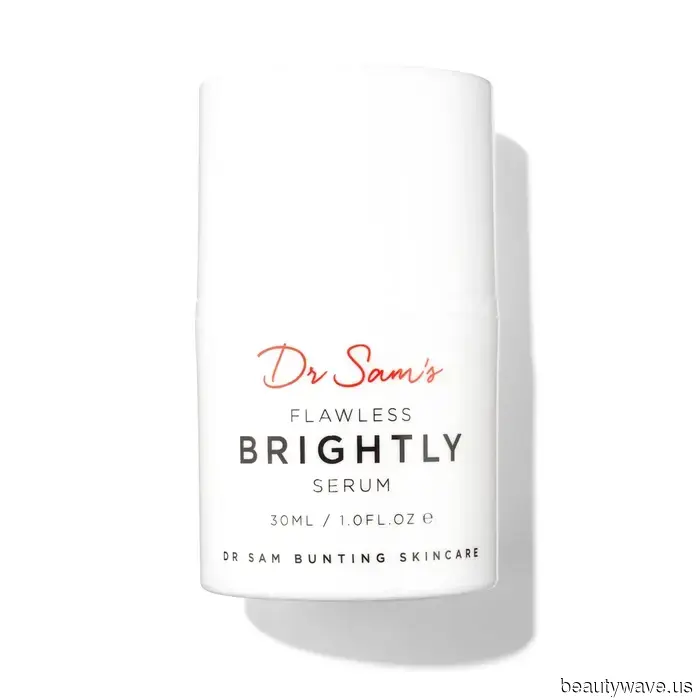
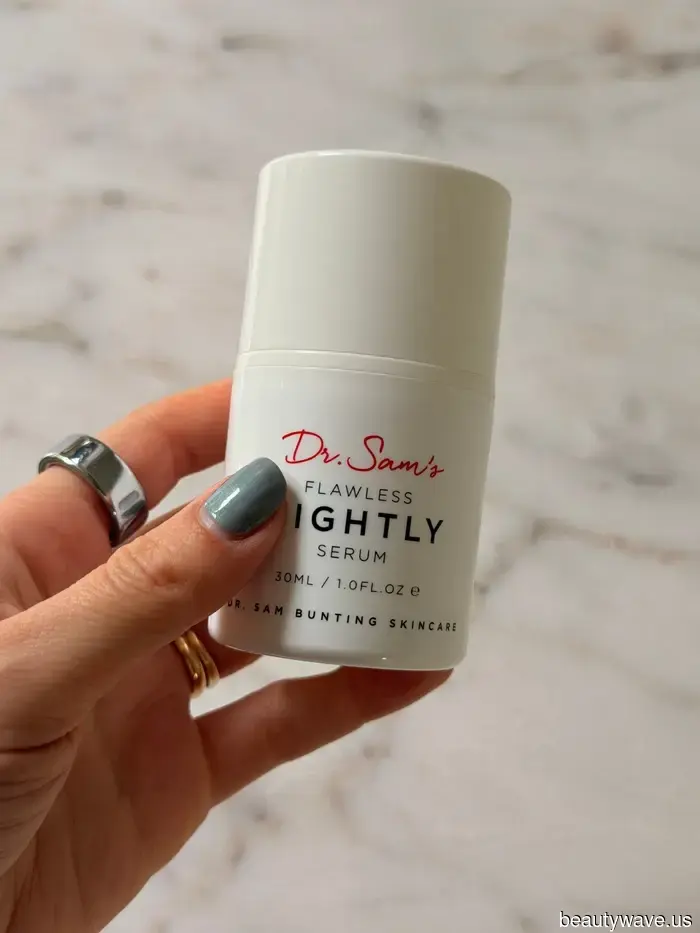
Dr. Sam's Flawless Brightly Serum
This glow-enhancing serum addresses uneven tone, dullness, and post-acne marks with a balanced blend of brightening agents, with azelaic acid as the star ingredient. It features a lightweight, fast-absorbing texture that layers seamlessly into both morning and evening routines. While not a direct retinol substitute, it

Other articles
 Black heels are perfectly acceptable, but in Monaco, stylish women understand that this shoe color pairs more elegantly with white dresses.
Believe me—every trendy girl in Monte Carlo will be imitating her white-dress ensemble this summer.
Black heels are perfectly acceptable, but in Monaco, stylish women understand that this shoe color pairs more elegantly with white dresses.
Believe me—every trendy girl in Monte Carlo will be imitating her white-dress ensemble this summer.
 I Initially Believed I Preferred a Kelly, But I May Actually Favor Gigi Hadid's Subtle Bag Even More.
At the very least, it's simpler to purchase (and certainly more cost-effective).
I Initially Believed I Preferred a Kelly, But I May Actually Favor Gigi Hadid's Subtle Bag Even More.
At the very least, it's simpler to purchase (and certainly more cost-effective).
 Turn the Page: The Next Chapter of Hermès's Fall 2026 Reveals Itself Behind the Gates of Bel Air
Named Silhouettes on the Horizon.
Turn the Page: The Next Chapter of Hermès's Fall 2026 Reveals Itself Behind the Gates of Bel Air
Named Silhouettes on the Horizon.
 Fashionable Dressers Understand That No Summer Closet Is Complete Without These 6 Knitwear Trends
Perfectly suited for summer.
Fashionable Dressers Understand That No Summer Closet Is Complete Without These 6 Knitwear Trends
Perfectly suited for summer.
 I’m an Aesthetician—Here Are the Retinol Alternatives I Truly Suggest to My Clients.
Alternatives to retinol that are approved by estheticians for sensitive skin, pregnancy, and minimizing irritation include bakuchiol, peptides, niacinamide, and additional options.
I’m an Aesthetician—Here Are the Retinol Alternatives I Truly Suggest to My Clients.
Alternatives to retinol that are approved by estheticians for sensitive skin, pregnancy, and minimizing irritation include bakuchiol, peptides, niacinamide, and additional options.
 I was stunned—Zara, COS, and Abercrombie have discreetly released the summer items that look the most upscale.
My summer wardrobe could use some elegant new pieces. Fortunately, Zara, COS, and Abercrombie have just released their most refined collections for the new season.
I was stunned—Zara, COS, and Abercrombie have discreetly released the summer items that look the most upscale.
My summer wardrobe could use some elegant new pieces. Fortunately, Zara, COS, and Abercrombie have just released their most refined collections for the new season.
As an Aesthetician, here are the retinol alternatives that I genuinely suggest to my clients.
Approved alternatives to retinol for sensitive skin, during pregnancy, and for minimizing irritation, include bakuchiol, peptides, niacinamide, and others.