
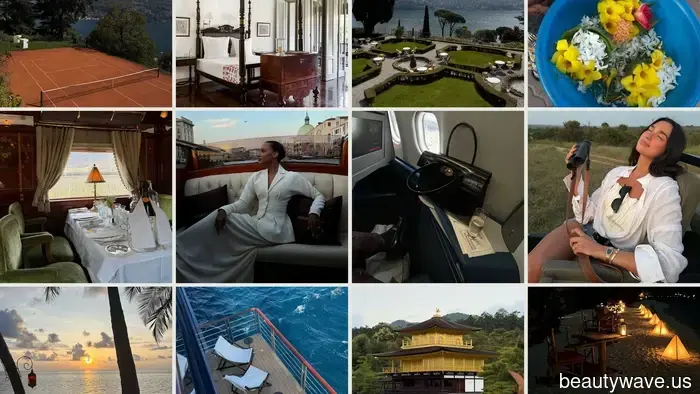
The Emergence of the High-Stakes Honeymoon
Not long ago, there was a clear and predictable formula for post-wedding getaways: arrive at a beach resort (typically in the Caribbean, often an all-inclusive), lounge with frozen cocktails, and spend an entire week doing nothing. While that type of vacation will always have its charm, it is no longer the norm. Today’s newlyweds are approaching their honeymoon as a significant event in itself, often requiring the same meticulous planning, research, and financial commitment as the wedding ceremony. In 2026, we are witnessing the rise of high-stakes honeymoons: intricate, increasingly ambitious, and tailored adventures where relaxation takes a backseat to the overall experience. The honeymoon has morphed into a unique reflection of personal taste and lifestyle, aligning with a broader shift in our understanding and consumption of luxury.
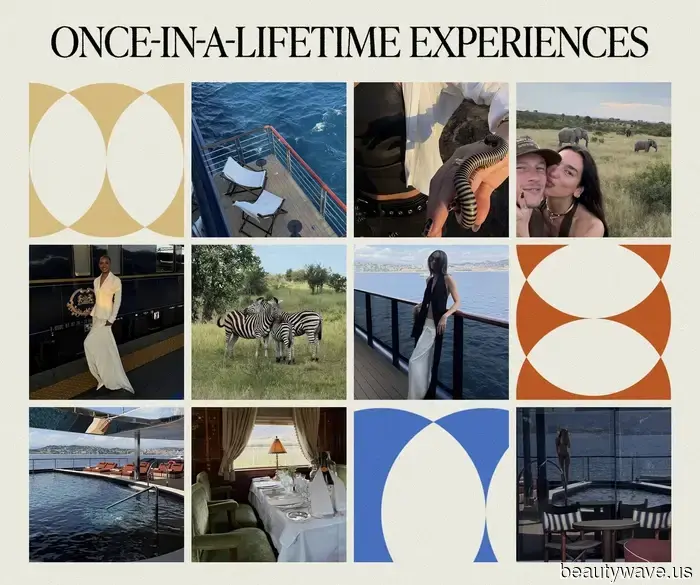
Travel after marriage has become a clear indicator of status for couples, who are now more inclined to opt for a stylish five-star hotel, adventurous wilderness excursions, and chartered transportation rather than a standard flight-and-hotel package. Supported by extensive research (and hours of browsing social media), couples seek transformative, unforgettable experiences designed specifically for them. Recent trends show that spending on honeymoons, previously reserved for the ultra-wealthy, has become the new norm for many couples, with expectations for multi-country trips, private islands, and five-digit suites. If couples invested a year planning intricate wedding details, it seems logical to continue that optimization for their honeymoon.
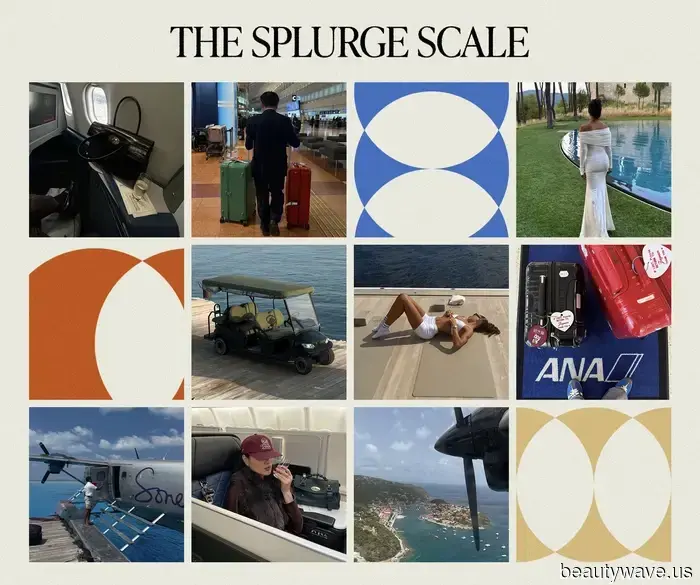
Consulting luxury travel advisors who specialize in honeymoon planning provides insights into how this once-personal journey has turned into a major status symbol in contemporary society. When asked about this year’s spending, experienced honeymoon planners share the impressive figures. Nicole Wallach, vice president of leisure travel at Magma Global, reports that the average luxury honeymoon now ranges from $30,000 to $45,000 for two (excluding international flights), while more complex itineraries frequently exceed $50,000 to $100,000. These amounts often cover private guides, yacht charters, tailored experiences, luxury transfers, and stays at some of the world's most sought-after resorts, with some clients even exploring options like Aman at Sea or the Four Seasons Private Jet Experience. Rabia Malik, a Fora advisor, notes a similar trend across various budgets, stating that her honeymoon clients typically spend between $16,000 and $60,000 before airfare, with luxury safaris and private island experiences often pushing costs beyond that. Both advisors estimate that honeymoon spending has surged by approximately 30% in recent years, driven not only by rising travel costs but also by couples embracing longer trips and upscale accommodations, viewing their honeymoon as one of their premier luxury purchases, rather than merely another holiday.
What has shifted? Both Malik and Wallach attribute this transformation to a pivotal moment: the pandemic, which brought about a broader cultural focus on experiences over material goods. "Following the pandemic, people began valuing experiences more than possessions, which has naturally included honeymoons for travel agents," states Wallach. Malik concurs, sharing that travel has been "more intentional and experience-focused overall" since then. Moreover, social media plays a significant role in this change. Couples are constantly exposed to breathtaking safari camps, luxurious overwater villas, and trendy hotel suites during their scrolling, which tends to broaden their aspirations beyond traditional honeymoon ideas their parents may have had. "Clients are now more informed than ever," Wallach notes, as many arrive with a thoroughly researched wish list instead of a blank slate. The emotional aspect cannot be ignored either: after extensive wedding planning, couples want to ensure their honeymoon is just as memorable as their wedding day itself.
The pandemic has fundamentally altered how individuals prioritize travel, making honeymoons a clear example of this change. Instead of amassing designer items or investing in conventional status symbols, many couples are choosing to invest in experiences they will cherish for a lifetime. Advisors report that clients increasingly view their honeymoon as the most significant trip they will share, warranting months of careful planning. Wallach and Malik emphasize that platforms like Instagram and TikTok have broadened travelers' perspectives, allowing couples to arrive with a collection of saved hotels, dream itineraries, and unique destinations they may not have otherwise discovered. The main challenge for advisors is not inspiring clients to dream bigger, but rather helping them understand that their bookmarked villas might come with a hefty price tag while still finding options that capture the essence of those dreams within their budget.
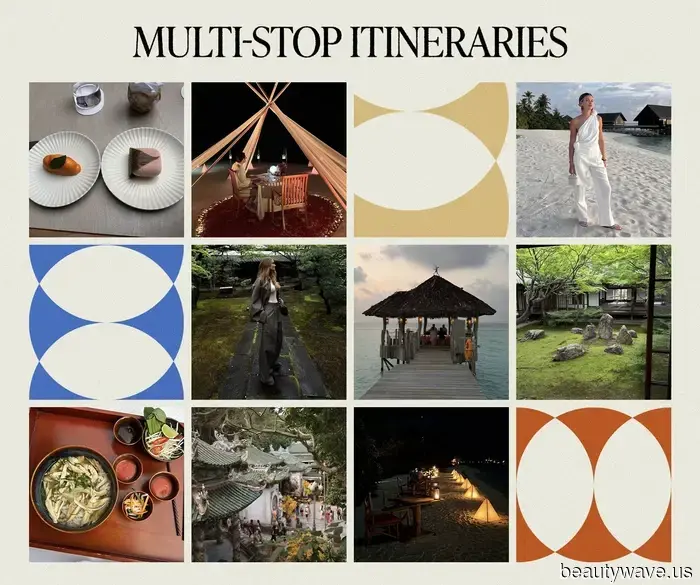
Both advisors have noted a notable shift towards multi-stop, multicountry itineraries that offer diverse experiences. Typical travel plans often combine a city known for its cuisine and culture with a remote beach or safari destination for relaxation. Currently, Japan and Southeast Asia are trending; Wallach mentions that requests for these regions have soared, and Malik indicates she sees multiple clients traveling to Japan nearly every month due to favorable conditions and a mix of experiences, from bustling urban life to peaceful cultural retreats. While classic destinations like Italy and Greece remain popular
The Emergence of the High-Stakes Honeymoon
What was once a personal affair, post-wedding travel is now transforming into a meticulously planned and progressively costly demonstration of sophistication.