

Sunscreen Filters Available Internationally Are Exceptionally Effective—Here’s Why They Haven’t Made It to the U.S. Yet.
It's officially sunscreen season, and there's an important topic we need to address. While wearing sunscreen throughout the year is essential, this period is particularly crucial since the sun’s intensity peaks during spring and summer. Recently, I've come across many fantastic formulas from around the globe—including Europe, Australia, and Korea—that feature innovative new filters, which I feel it’s my responsibility as a beauty editor to test. Unfortunately, I've been let down to find that these advanced filters are not available for purchase in the U.S., and we are also restricted from buying them online from other locations. Naturally, I chose to delve into this matter to uncover why these innovations aren't accessible in the U.S. What I found was disappointing but not surprising. If you were expecting to soon purchase more advanced sunscreen filters here, the process may take longer than anticipated. I consulted three experts regarding everything from the safety of our existing filters to the FDA's approval process in the U.S. For what they revealed and some excellent formulas currently available, read on.
So, what’s the delay? The last time a sunscreen ingredient was authorized as an over-the-counter (OTC) option in the U.S. was in the 1990s, leading to frustration among professionals and brands. There are several reasons why some K-beauty sunscreens and EU-approved formulas can’t be sold in the U.S. Dieux co-founder Charlotte Palermino provided further details: "In the U.S., sunscreen is categorized as a drug, whereas in most other countries, it’s treated as a cosmetic," she explains. "This distinction results in stricter regulation in the U.S., necessitating more rigorous safety testing for new filters. The main issue lies in how the U.S. approves these filters, not just the fact that they regulate them as drugs. Australia effectively approves newer filters while treating sunscreen as a medicinal product (the TGA). Unfortunately, in the U.S., outdated legislation and slow bureaucratic processes hinder progress. It's worth noting that many filters permitted in the U.S., such as avobenzone, are also used internationally; there’s just a wider selection available abroad."
An FDA spokesperson addressed this as well: "There has been some confusion among the public, with claims that the agency has delayed or been slow to review new sunscreen ingredients," they stated. "It’s crucial to clarify that, aside from bemotrizinol, there are no pending submissions for new sunscreen ingredients. Many years ago, the FDA received applications proposing to market eight new active sunscreen ingredients, intending to include them in the OTC sunscreen monograph. This allows manufacturers to use an ingredient in various sunscreen formulations without requiring FDA preapproval if they comply with the monograph’s conditions. The FDA reviewed all eight applications and found them lacking sufficient safety data, which prevented them from being recognized as safe and effective. Over nine years ago, the FDA informed manufacturers of the specific information necessary to prove these ingredients' safety and efficacy."
This seemed contradictory to me, so I conducted my own research into the reasons for the lack of new filter approvals in the U.S. After investigating further, I found that the delays are likely related to legislation. According to the 1938 Federal Food, Drug & Cosmetic Act, one significant issue is that new filters must undergo animal testing in the U.S. to provide robust safety data, which many companies oppose due to concerns about potential consumer backlash. In 2024, a bill was presented to Congress as an amendment to allow non-animal testing, which is still pending. Moreover, it appears that companies may need to invest considerable amounts of money (potentially millions) to demonstrate the efficacy of new filters—funds that some may not have.
Are sunscreen filters in other countries more advanced? Dr. David Andrews, acting chief science officer for the Environmental Working Group, points out that newer filters offer broader and better-balanced protection against UVA rays, which are linked to skin aging and higher skin cancer risks: "Many sunscreens sold in the U.S. still rely on a limited range of older active ingredients, such as oxybenzone and octinoxate, which have been shown to penetrate the skin and could disrupt hormone function. In contrast, the European and Asian markets have permitted modern filters like Tinosorb S, Tinosorb M, and Uvinul A Plus, which provide superior UVA protection and appear to be safer for human health. Unfortunately, due to persistent delays in the FDA’s approval process, these advanced ingredients are unavailable in the U.S., restricting American consumers to fewer, potentially less safe options." The EWG submitted comments about this to the FDA in 2019.
Both Palermino and Andrews agree that newer filters offer enhanced broad-spectrum protection against both UVA and UVB radiation. "Some filters can even address visible light, are less likely to cause irritation, have excellent safety profiles, and are more pleasant to apply," Palermino remarks. "People outside the industry often dismiss 'cos


Other articles
 I Recently Put Together 5 Chic Pre-Spring Outfits from Zara, Mango, and Nordstrom—Enjoy!
Attire suitable for occasions ranging from a wedding to a brunch.
I Recently Put Together 5 Chic Pre-Spring Outfits from Zara, Mango, and Nordstrom—Enjoy!
Attire suitable for occasions ranging from a wedding to a brunch.
 I have confidence in French women when it comes to style—they continue to sport this sophisticated outfit.
The burgundy tailoring trend is officially gaining popularity. Click to see how Elsa, Rosie, and Parisians are currently embracing this style.
I have confidence in French women when it comes to style—they continue to sport this sophisticated outfit.
The burgundy tailoring trend is officially gaining popularity. Click to see how Elsa, Rosie, and Parisians are currently embracing this style.
 I Recently Transformed My Long Hair into a Bob—Here Are 7 Things I Wish I Had Known Beforehand
I don't have any regrets.
I Recently Transformed My Long Hair into a Bob—Here Are 7 Things I Wish I Had Known Beforehand
I don't have any regrets.
 I can easily recognize an "It" bag from afar—this brand-new DeMellier style is poised for success.
DeMellier's Miami bag is poised to become a favorite in street style. Click through to explore the rising bag trend here.
I can easily recognize an "It" bag from afar—this brand-new DeMellier style is poised for success.
DeMellier's Miami bag is poised to become a favorite in street style. Click through to explore the rising bag trend here.
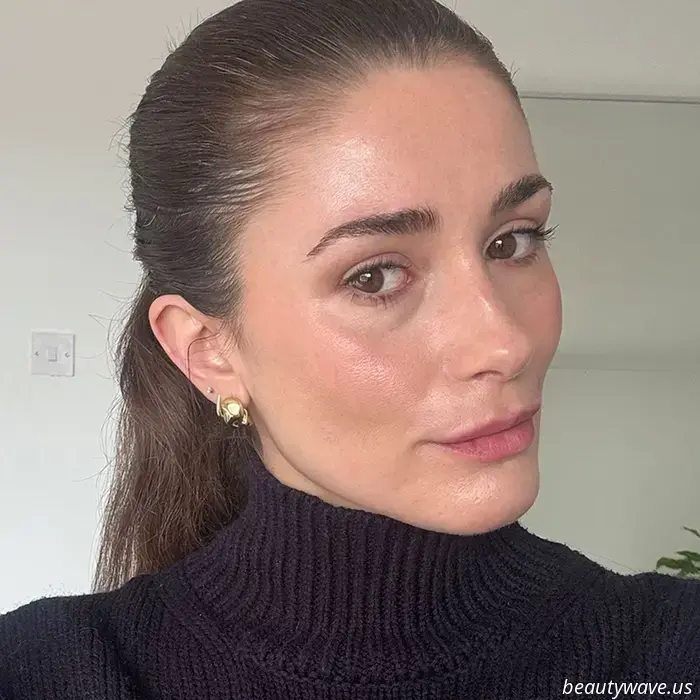 I Successfully Mastered At-Home Brow Lamination, and Now I'll Never Need to Purchase Brow Gel Again.
Our beauty editor experimented with brow lamination and offers her tips along with a step-by-step guide and videos for achieving brow lamination at home.
I Successfully Mastered At-Home Brow Lamination, and Now I'll Never Need to Purchase Brow Gel Again.
Our beauty editor experimented with brow lamination and offers her tips along with a step-by-step guide and videos for achieving brow lamination at home.
 The 30 Pieces That Will Shape Spring Fashion
From Prada to Phoebe Philo.
The 30 Pieces That Will Shape Spring Fashion
From Prada to Phoebe Philo.
Sunscreen Filters Available Internationally Are Exceptionally Effective—Here’s Why They Haven’t Made It to the U.S. Yet.
It's disappointing, yet I remain hopeful.