
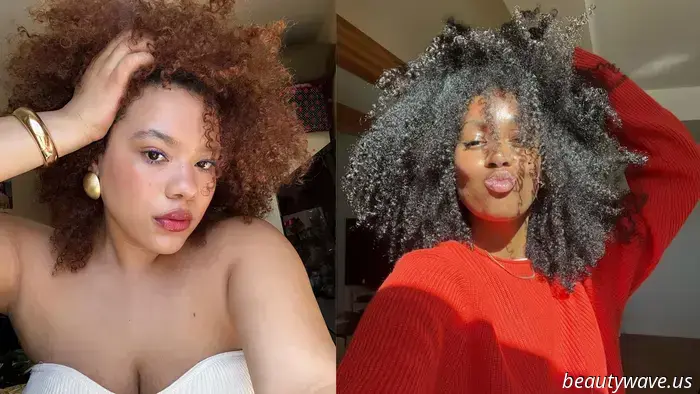
Safe Methods for Coloring Curly Hair, According to Hair Experts
As someone with curly hair, I understand that providing my strands with extra care isn't a sporadic task—it's a regular aspect of my routine, just like for many others. As curl expert and stylist Robert Evan Thomas emphasizes, additional hydration and moisture are essential because oil tends to accumulate on the scalp. This is due to the curl's shape, which prevents it from smoothly traveling down the hair shaft as it does with straight hair. This can make the prospect of changing your look with hair dyes somewhat intimidating. I recall being advised during my youth never to color my hair, as it would lead to damage. However, according to Thomas, it's not necessarily the dye that causes harm; rather, it’s the application method. "In home or salon settings, most damage is typically a result of overlapping color rather than just touching up new growth, which leads to a cycle of drying out the hair." It’s important to clarify that while you should still be cautious about overprocessing, with the right routine, post-color damage can be avoided. Below, discover everything you need to know about coloring your hair safely from leading curly hair specialists.
What to Do Before Dyeing Your Hair
Always schedule a consultation. A consultation is beneficial for both you and your stylist for several reasons. Firstly, it allows your stylist to understand your hair's texture, porosity, and health before crafting a color plan, as noted by texture specialist and Schwarzkopf Professional digital artistic team ambassador Brendnetta Ashley. "It's crucial to collaborate with a colorist who genuinely comprehends textured hair to create a look that not only fulfills your vision but also maintains your curls' health and vitality," she explains. Thomas agrees, highlighting that from the client’s viewpoint, a consultation provides an opportunity to ask questions and voice concerns. "The focus on coloring curly hair has created anxiety, but now there are curl experts who have extensive knowledge about managing curly hair," he remarks.
Invest in dye that suits your needs. Generally, if you want to go lighter, either you or your stylist may need to strip more of your natural hair to achieve the desired shade. However, Ashley mentions that curls typically react better to gentler options, recommending semi-permanent or demi-permanent dyes, which rest on the hair surface rather than penetrating deeply into the cuticle. "One of my favorite formulas is Igora Vibrance—it provides gorgeous shine and rich color without the heavy obligation or harsh effects," she notes. "It's a much healthier way to experiment with color, especially if you aim to keep your curls strong and lively." If you're visiting a salon, discuss your options with your stylist and consider bringing your preferred dye for them to apply.
Prepare your hair with a mask. Preparing for coloring curly hair begins well in advance of the actual dyeing day. "I always suggest doing a deep-conditioning or protein treatment about a week prior to your appointment to strengthen and hydrate the hair," advises Ashley. "This assists your curls in withstanding the chemical process better." Thomas adds that depending on your curl type and texture, you might want to apply a moisturizing mask both before and after coloring. If you opt for a protein treatment, he recommends following it up with a conditioner to avoid brittleness and restore your hair's pH balance.
Apply with care and caution. If you’re coloring your hair at home, it’s vital to be meticulous in your technique, whether you're applying full color or just touching up roots. Before starting, Ashley recommends conducting a patch test to check for an allergic reaction. Additionally, protect your hairline with a barrier cream and remember to wear gloves. If you're applying full color, ensure you're working in sections and using the dye on dry, detangled hair while adhering to the recommended timing. "I always follow the suggested processing times closely to achieve rich, even color without risking overprocessing," Ashley explains. "Successful results depend on the correct product and application." For root touch-ups, Thomas warns against applying color all the way down the hair shaft to prevent dryness.
Build up color in multiple sessions. Whether at a salon or dyeing your own hair, you should avoid overwhelming your hair in a single session, particularly if you’re making significant changes. "For substantial color transformations, I always suggest a multi-session method," Ashley counsels. "Spreading it out not only safeguards your curls' integrity but also results in better, more beautiful outcomes over time." She adds that if you're going lighter, attempting too much in one session can compromise hair health and weaken your curl pattern. Keeping curls healthy throughout the process also enhances the appearance of the color, so patience is essential.
What to Do After Dyeing Your Hair
Condition your hair frequently and use masks. Once your hair has been colored, focus on establishing a routine that supports hair health. "I always recommend a sulfate-free shampoo that's color-safe and a rich, hydrating conditioner to ensure both your color and curls remain at their best," Ashley advises. You should also
Other articles
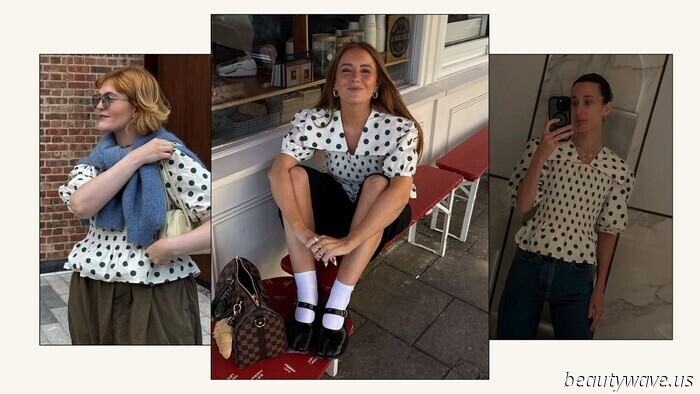 London's fashion elites have just declared this as the pinnacle of summer—and they’re spot on.
It looks fantastic with shorts, skirts, and jeans alike.
London's fashion elites have just declared this as the pinnacle of summer—and they’re spot on.
It looks fantastic with shorts, skirts, and jeans alike.
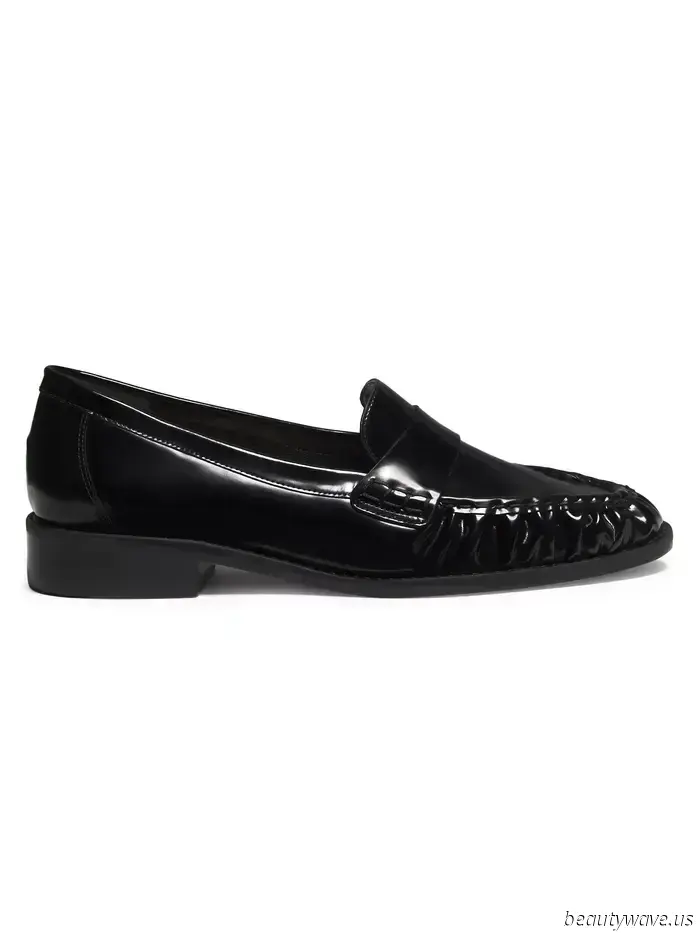
 The Flat Shoe Styles That Will Prevail in 2025
Incorporating the new style that is expected to be popular this summer.
The Flat Shoe Styles That Will Prevail in 2025
Incorporating the new style that is expected to be popular this summer.
 Bags! Cashmere! Skincare! 42 Mother's Day Gifts You Can Still Purchase in Time
From Jenni Kayne's cashmere to Therabody's trending skincare tools, explore 42 of our editor's favorite gift recommendations for Mother's Day.
Bags! Cashmere! Skincare! 42 Mother's Day Gifts You Can Still Purchase in Time
From Jenni Kayne's cashmere to Therabody's trending skincare tools, explore 42 of our editor's favorite gift recommendations for Mother's Day.
 26 Effortlessly Stylish Spring and Summer Essentials to Combine from Saks Fifth Avenue
Many are currently on significant sale.
26 Effortlessly Stylish Spring and Summer Essentials to Combine from Saks Fifth Avenue
Many are currently on significant sale.
 There's no question about it—this particular sandal gives long shorts a very sophisticated look.
Bermuda shorts paired with heeled flip flops create a stylish summer combination that always appears fashionable. Explore our favorite styles available for purchase here.
There's no question about it—this particular sandal gives long shorts a very sophisticated look.
Bermuda shorts paired with heeled flip flops create a stylish summer combination that always appears fashionable. Explore our favorite styles available for purchase here.
 Darling, Delicate, and Luxurious in Appearance—These "Rich Grandma" Beauty Essentials Also Serve as Heirlooms
From beautifully designed perfumes to skincare products that boast impressive shelf appeal, every one of these 16 lovely choices is perfect for grandma—specifically, a sophisticated Upper East Side grandma.
Darling, Delicate, and Luxurious in Appearance—These "Rich Grandma" Beauty Essentials Also Serve as Heirlooms
From beautifully designed perfumes to skincare products that boast impressive shelf appeal, every one of these 16 lovely choices is perfect for grandma—specifically, a sophisticated Upper East Side grandma.
Safe Methods for Coloring Curly Hair, According to Hair Experts
Contrary to common belief, individuals with curly hair can also use hair dyes. Here's a guide on how to color your hair safely, as recommended by leading hairstylists.