
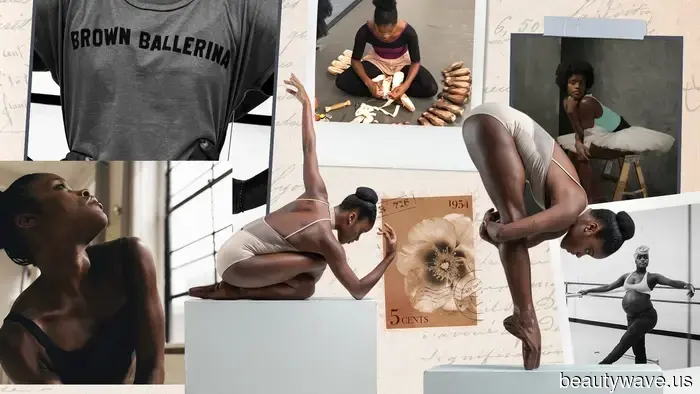
Ingrid Silva is establishing fresh benchmarks for inclusivity in the ballet community, beginning with her pointe shoes.
Welcome to En Pointe, a quarterly series that provides an in-depth exploration of the connection between beauty and dance through the perspectives of emerging, multidisciplinary dance talents. Prepare for an intimate glimpse into the daily routines, aspirations, and beauty essentials found in the dance bags of some of the industry's most promising performers.
Ingrid Silva, still dressed in her dance rehearsal attire as she exited a New York dance studio, found a quiet hallway to take my video call. In the early moments of our conversation, we introduced ourselves while she meticulously unraveled her updo with one hand, balancing her phone with the other, releasing a cascade of braids over her shoulders. Her hairstyle reminded me of mine: a tidy protective style that was effortless to maintain, perfect for active days, and a stark contrast to the classic ballet buns and French twists I knew from my youth. It was the first time I could acknowledge a dancer with hair like mine face-to-face, and I reflected on that moment for days.
For the next hour, I inquired about Silva's journey from Rio de Janeiro to New York City, her activism within the ballet realm, and her evolving relationship with beauty and her body as she continues to perform. Keep reading for a closer look at the career of one of the Dance Theatre of Harlem's most recognizable figures and exceptionally gifted dancers to date. This is for all dancers and beauty lovers who understand the importance of self-love in all circumstances.
**Introducing Ingrid Silva: Contemporary Ballet Dancer and Activist**
Silva, originally from Rio de Janeiro, Brazil, has made a name for herself in the dance community as a dynamic performer and advocate for diversity and inclusion. While many of her followers first encountered her through her work with the Dance Theatre of Harlem, her dance career began much earlier, just minutes from her home at Dançando Para Não Dançar, a social initiative in the Mangueira slum, where she started dancing at the age of eight with her brother. "I didn't start dancing to pursue a career; I enjoyed moving. At Dançando Para Não Dançar, I was taught by and danced alongside people from my community,” she explains. A few years later, a teacher encouraged her to cultivate her innate talents and improve her technique through ballet training.
Prior to this, Silva had not seen a ballet career as a realistic aspiration. With little representation of dancers who looked like her, she began training at the prestigious Escola de Dança Maria Olenewa and Centro de Movimento Debora Colker on a full scholarship. Although she was with her brother and a few other Afro-Brazilian ballet students, she couldn't overlook the school's disappointing lack of diversity. "It’s where I became a ballet dancer and learned more about my capabilities, but I didn't see anyone who looked like me," Silva shares. "There's a common misconception in the U.S. that Brazil is uniformly diverse, which is not true … particularly not in ballet companies."
When people would ask her in childhood if she wanted to be a ballerina, she would respond, "I don't think so. I watch it, but don't see anyone on stage that looks like me. I see a ballerina, but she’s not me."
At 18, Silva auditioned for the Dance Theatre of Harlem's summer intensive, and after being accepted, she boarded her first flight to New York City. She was drawn to the company for its celebration of Black dancers, a rarity she had not experienced in Brazil. "There weren't many opportunities for Black dancers in Brazil, and I wanted to be somewhere that would foster my growth," she states. Silva began her professional journey with the Dance Theatre of Harlem in 2013 under the guidance of ballet dancer, choreographer, and founder Arthur Mitchell, along with Virginia Johnson. Currently in her seventh year with the company, she has embraced the opportunity to grow as both a dancer and an advocate for inclusion in ballet, amidst ongoing disparities in the dance industry.
**The Balancing Act**
As Silva transitioned into a professional dancer with the DTH, she also found another facet of herself that enjoyed sharing snippets of her life online. Since her first Instagram post upon arriving in New York City, she has amassed nearly 678,000 followers across various social media platforms and has been featured in several dance documentaries. While she often shares lighthearted moments in the studio and on stage, Silva is also unafraid to challenge the Eurocentric ideals dominating the ballet world. “I grew up without seeing people who looked like me on stage, but I've been fortunate to receive support as I've pursued this career. The notion that ballet is exclusive to one type of individual limits us," she explains.
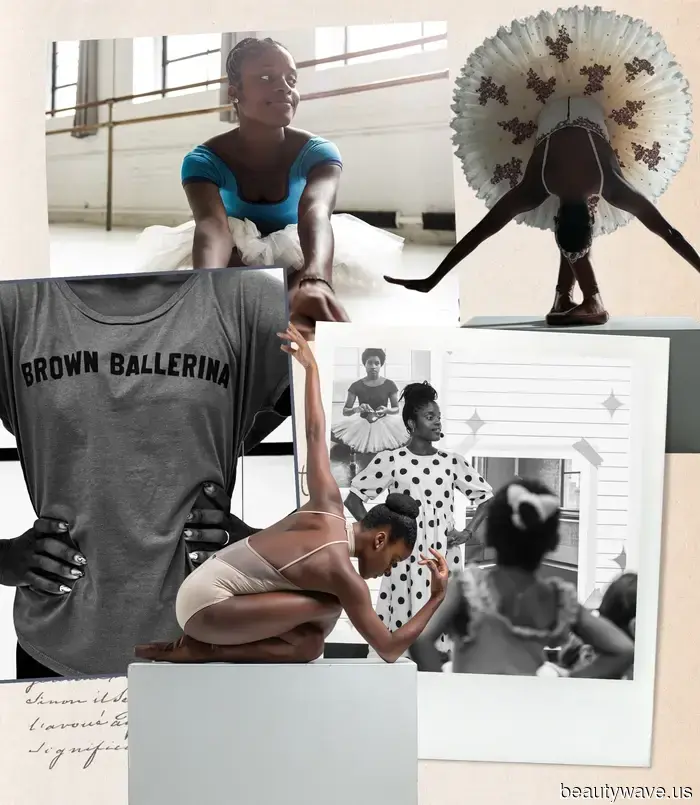
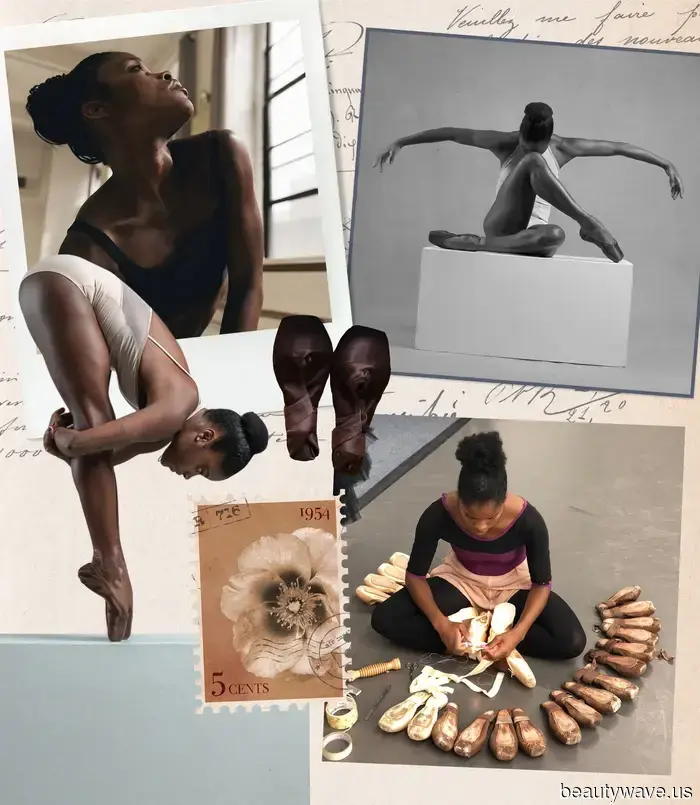
One of the issues she frequently addresses is the scarcity of diverse shades in pointe shoes, along with the fact that numerous well-known ballet companies and schools continue to mandate pink tights and shoes as part of their uniform. Due to the limited options for pointe shoe colors, dancers with deeper skin tones often have to alter












Other articles
 6 Stylish, Effortless Airport Outfits That Always Look Great
Did someone mention "upgrade"?
6 Stylish, Effortless Airport Outfits That Always Look Great
Did someone mention "upgrade"?
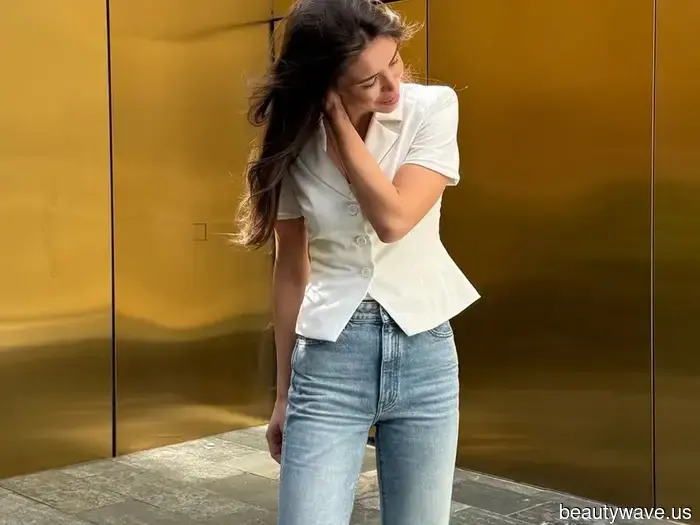 This is undoubtedly the most alluring shoe trend to pair with jeans at the moment.
This footwear trend gives a stylish edge to everything from loose-fitting jeans to straight-leg cuts, imparting a sense of purpose and chicness. Explore and purchase pointed peep-toe heels.
This is undoubtedly the most alluring shoe trend to pair with jeans at the moment.
This footwear trend gives a stylish edge to everything from loose-fitting jeans to straight-leg cuts, imparting a sense of purpose and chicness. Explore and purchase pointed peep-toe heels.
 If you sport one of these 18 preppy nail designs, I'll think you spend your summers in Nantucket.
They're providing wealth.
If you sport one of these 18 preppy nail designs, I'll think you spend your summers in Nantucket.
They're providing wealth.
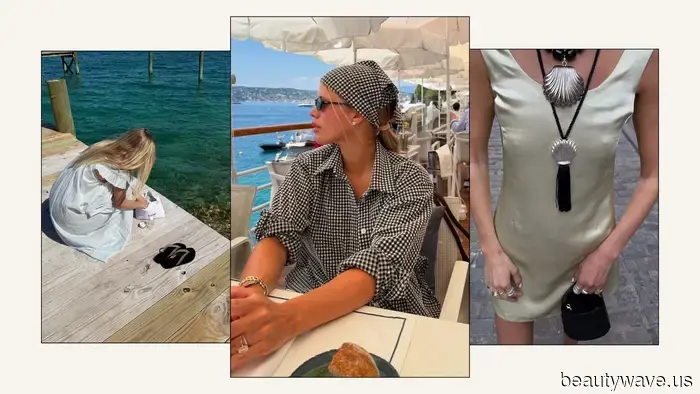 Style insiders are aware that these six summer accessory trends can elevate simple outfits to a more elegant level.
Come on and let the happiness start.
Style insiders are aware that these six summer accessory trends can elevate simple outfits to a more elegant level.
Come on and let the happiness start.
 What to Wear and What to Avoid at Every Major Sporting Event
Whether you're sitting courtside at a Liberty game, in Taylor Swift's suite to see the Chiefs compete, or just in a regular seat like everyone else.
What to Wear and What to Avoid at Every Major Sporting Event
Whether you're sitting courtside at a Liberty game, in Taylor Swift's suite to see the Chiefs compete, or just in a regular seat like everyone else.
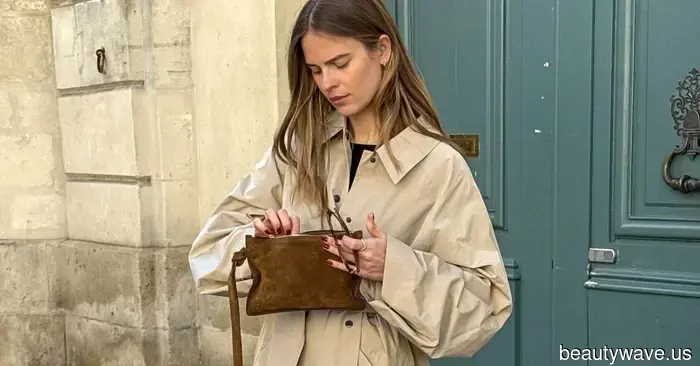 I'm Already Thinking About Fall—I'm Preparing My Wardrobe with These 31 Stylish Finds from Nordstrom.
Every item is stylish and discounted.
I'm Already Thinking About Fall—I'm Preparing My Wardrobe with These 31 Stylish Finds from Nordstrom.
Every item is stylish and discounted.
Ingrid Silva is establishing fresh benchmarks for inclusivity in the ballet community, beginning with her pointe shoes.
Driving change requires constant effort.