
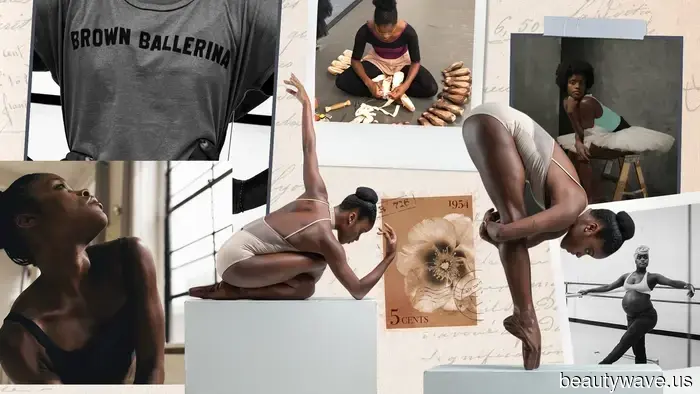
Ingrid Silva is establishing new benchmarks for inclusivity in the ballet industry, beginning with her pointe shoes.
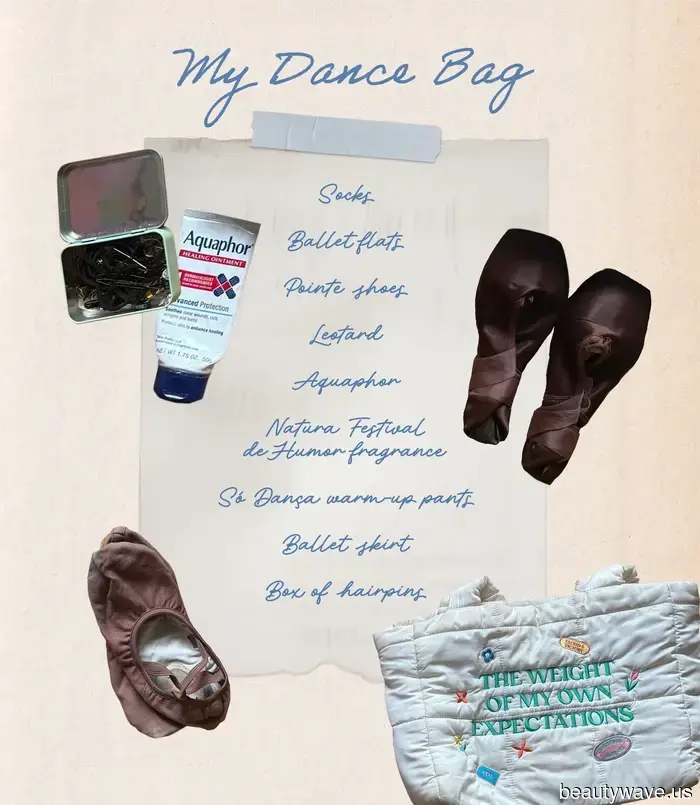
Welcome to En Pointe, a quarterly series that provides an in-depth exploration of the connection between beauty and dance, showcasing the perspectives of emerging, multidisciplinary dance talents. Anticipate an intimate glimpse into the everyday lives, aspirations, and essential beauty items found in the dance bags of some of the most talented young performers in the industry. Ingrid Silva, still dressed in her dance rehearsal attire as she exited a New York dance studio, took a moment in a quiet hallway to join my video call. The initial minutes of our conversation were spent on introductions as she released her updo with one hand while holding the phone with the other, letting a cascade of braids flow over her shoulders. Her hair resembled mine: a well-maintained protective style that was practical for movement and far removed from the classic ballet buns I remembered from my youth. It was my first chance to connect face to face with a dancer who had hair like mine, a moment I reflected on for several days afterward.
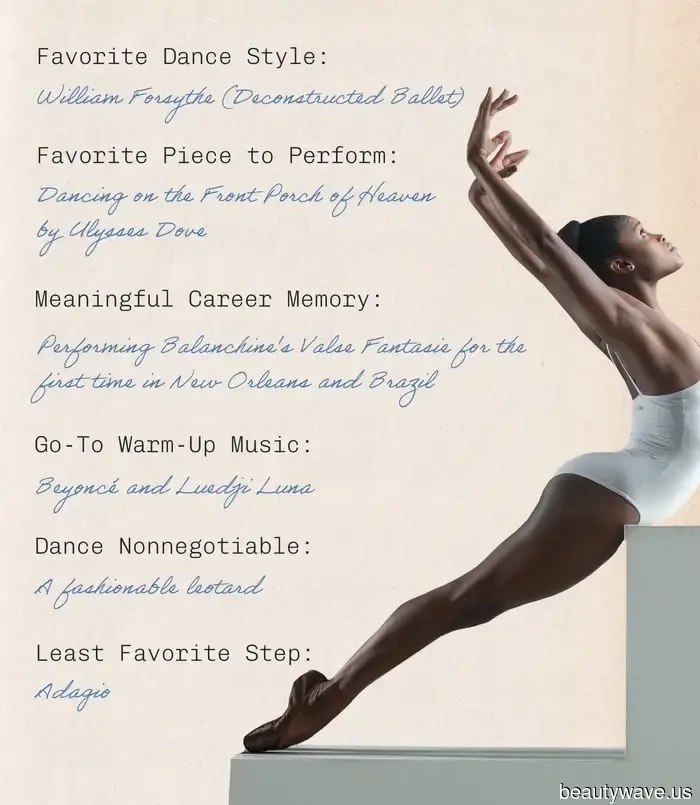
During the next hour, I asked Silva everything I was curious about regarding her journey from Rio de Janeiro to New York City, her advocacy within the ballet community, and her relationship with beauty and body image as she continues to perform. Keep reading for a closer look at the career of one of the most prominent talents and recognizable faces in the Dance Theatre of Harlem today. This is dedicated to all the dancers and beauty lovers who understand the importance of self-love through life's ups and downs.
Meet Ingrid Silva: Contemporary Ballet Dancer and Activist Silva, who comes from Rio de Janeiro, Brazil, has made a name for herself as a formidable performer and a champion for diversity and inclusion within the dance community. While most of her followers may have first encountered her at the Dance Theatre of Harlem, her career actually began long before she arrived in the bustling streets of New York City. It all started just minutes from her home at Dançando Para Não Dançar, a social initiative in the Mangueira slum, when she was eight years old and dancing with her brother. "I didn't dance to become a professional; I simply enjoyed moving. At Dançando Para Não Dançar, I learned from and danced with people from my community," she explains. A few years later, a teacher encouraged her to develop her natural gifts and refine her technique through ballet training, which was a new concept to her since she hadn’t viewed a ballet career as attainable. With little exposure to dancers who looked like her, a teenage Silva began training at the esteemed Escola de Dança Maria Olenewa and Centro de Movimento Debora Colker on a full scholarship. Though she was among her brother and a few other Afro-Brazilian ballet students, Silva couldn’t overlook the school's stark lack of diversity. "It’s where I became a ballet dancer and learned what I could achieve, but I didn’t see anyone who resembled me or who I could connect with," Silva notes. "There’s a common misconception [in the U.S.] that Brazil is universally diverse, which isn't the case ... especially in ballet companies."
When people asked me as a child if I wanted to be a ballerina, I responded, 'I don't think so. I enjoy watching it, but I don’t see anyone on stage who looks like me. I see a ballerina, but she isn’t me.' At 18, she auditioned for the Dance Theater of Harlem's summer intensive, and upon acceptance, took her first flight to New York City. Silva was attracted to the dance company because it celebrated Black dancers in a way she had never experienced in Brazil. "There were limited opportunities for Black dancers in Brazil, and I wanted to be where I could flourish," she states. She began her professional journey with the Dance Theatre of Harlem in 2013, under the guidance of founder Arthur Mitchell and Virginia Johnson. Silva is currently in her seventh year with the company, where she has been able to grow both as a dancer and as an activist advocating for inclusion in ballet, amidst ongoing challenges in the dance industry.
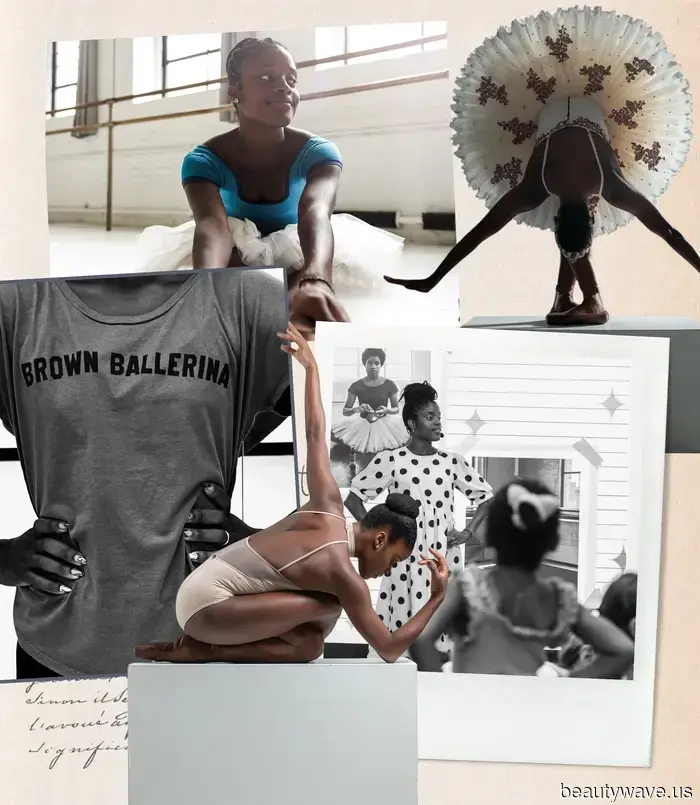
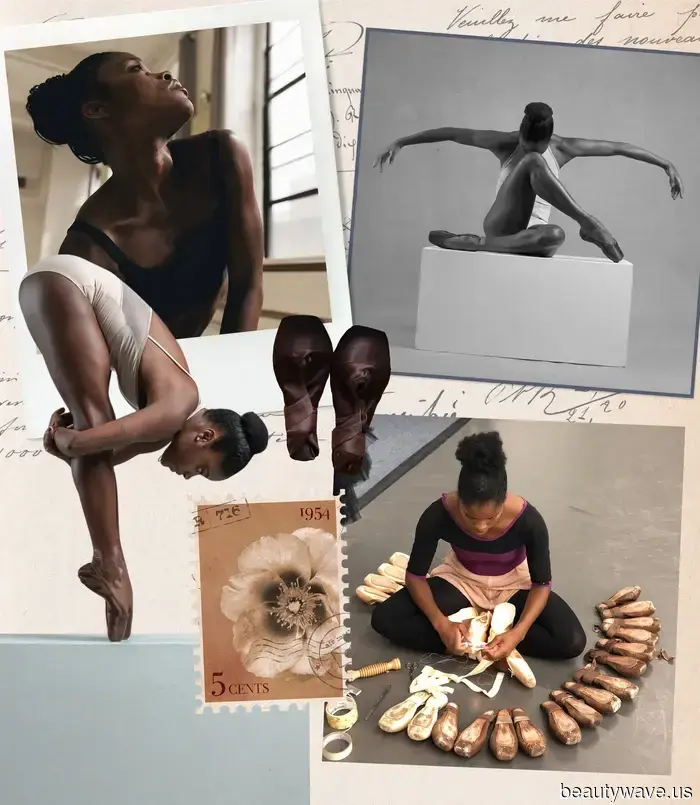
The Balancing Act When Silva became a professional dancer with the DTH, she also uncovered another aspect of herself, one that enjoyed sharing snippets of her journey online. Since her first post on Instagram after arriving in New York, she has cultivated a following of nearly 678,000 across social media and has become the subject of several dance documentaries. While she often shares playful moments in the studio and on stage, Silva is unafraid to challenge the Eurocentric norms of the ballet community. "I grew up without seeing anyone who looked like me perform, but I’m fortunate to have had support as I pursued this career. The notion that ballet caters only to one demographic is limiting," she asserts. One of the topics she frequently addresses is the scarcity of diverse shades in pointe shoes, noting that many well-known ballet companies and institutions still enforce the use of pink tights and shoes as a uniform standard. Due to the severely limited options for








Other articles
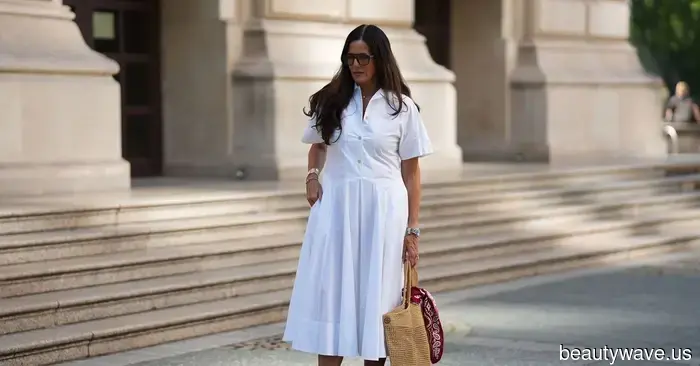 17 Gap and Old Navy Items That Seem Perfect for a Boat in Saint-Tropez
Stylish.
17 Gap and Old Navy Items That Seem Perfect for a Boat in Saint-Tropez
Stylish.
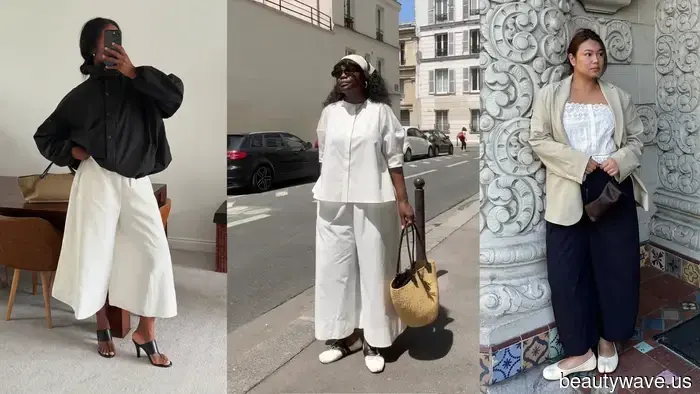 Culottes can be quite challenging to style, yet these 5 pairs of shoes can elevate them to look exceptionally chic.
Here are the top shoe combinations to wear with culottes, ranging from heels to flats.
Culottes can be quite challenging to style, yet these 5 pairs of shoes can elevate them to look exceptionally chic.
Here are the top shoe combinations to wear with culottes, ranging from heels to flats.
 I’ve just returned from Mallorca, Monaco, and Cannes—here are the jewelry trends that are set to make a big impact.
The creator of the popular jewelry brand Frasier Sterling, favored by celebrities, has just returned from Europe. She shares the sources of inspiration she found during her travels.
I’ve just returned from Mallorca, Monaco, and Cannes—here are the jewelry trends that are set to make a big impact.
The creator of the popular jewelry brand Frasier Sterling, favored by celebrities, has just returned from Europe. She shares the sources of inspiration she found during her travels.
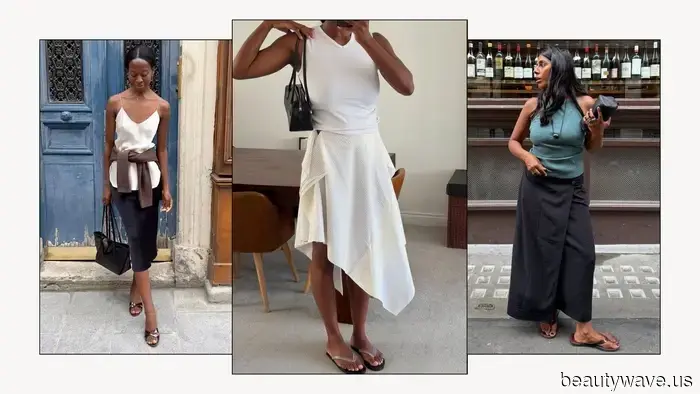 Our Editors Have Weighed In: Here Are 5 Sandal Color Trends That Seem Outdated for Summer 2025.
Additionally, the 5 that we will be putting on instead.
Our Editors Have Weighed In: Here Are 5 Sandal Color Trends That Seem Outdated for Summer 2025.
Additionally, the 5 that we will be putting on instead.
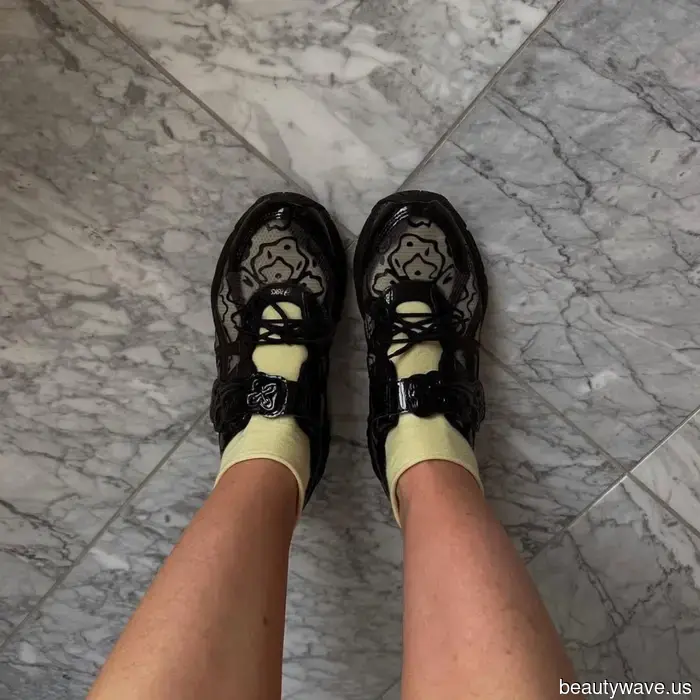 Almost Sneakers, Almost Flats—You’ll Either Adore or Detest This New Hybrid Footwear Trend
Mary Jane sneakers are the trendy hybrid footwear favored by celebrities and fashion icons. Explore both designer selections and popular high-street choices available for these viral shoes here.
Almost Sneakers, Almost Flats—You’ll Either Adore or Detest This New Hybrid Footwear Trend
Mary Jane sneakers are the trendy hybrid footwear favored by celebrities and fashion icons. Explore both designer selections and popular high-street choices available for these viral shoes here.
 My 58-Year-Old Mum and I Visited Zara, H&M, and COS—We Both Adored These 15 Luxe-Looking Items.
My mom is the most stylish person I know, so it made sense to consult her first when I was deciding which new items to invest in this season. Keep scrolling to see the trendy high-street pieces from Zara, H&M, COS, and more that both my 58-year-old mom and I endorse.
My 58-Year-Old Mum and I Visited Zara, H&M, and COS—We Both Adored These 15 Luxe-Looking Items.
My mom is the most stylish person I know, so it made sense to consult her first when I was deciding which new items to invest in this season. Keep scrolling to see the trendy high-street pieces from Zara, H&M, COS, and more that both my 58-year-old mom and I endorse.
Ingrid Silva is establishing new benchmarks for inclusivity in the ballet industry, beginning with her pointe shoes.
Driving change requires constant dedication.