

As stated by an aesthetician, this essential fatty acid significantly aids in reducing breakouts.
Despite my many years as a beauty editor, I continually find that there’s always more to discover regarding acne-prone skin. Having experienced acne personally, my journey has driven me to understand my unique skin type and how to care for it without causing further damage. Recently, I had the privilege of receiving a fabulous facial from Brian Goodwin, the international educator at Eminence Organic Skin Care, and I learned something new once again.
After sharing my skin issues, including inflammation, congestion, and hyperpigmentation, Goodwin informed me about something that isn’t often discussed in relation to acne-prone skin. He pointed out that those with acne-prone skin frequently have low levels of an essential fatty acid known as linoleic acid. If you’re as passionate about skincare as I am, you might already know about both linoleic and oleic acid. While both are essential fatty acids, linoleic is a polyunsaturated fat that the human body cannot produce independently, and it belongs to the omega-6 family.
"We at Eminence haven't conducted our own study, but there is some compelling research on this subject," Goodwin stated. "Studies such as this one have indicated that individuals with acne-prone skin typically exhibit lower levels of linoleic acid in their sebum compared to those who do not experience breakouts. Linoleic acid is crucial for maintaining the follicular barrier and regulating sebum production. When linoleic acid is deficient, sebum can thicken, increasing the odds it will clog pores and result in breakouts. It also impacts the skin’s barrier; insufficient linoleic acid can weaken the barrier, which leads to heightened inflammation and irritation. Thus, the absence of this particular component can trigger a cycle that exacerbates acne."
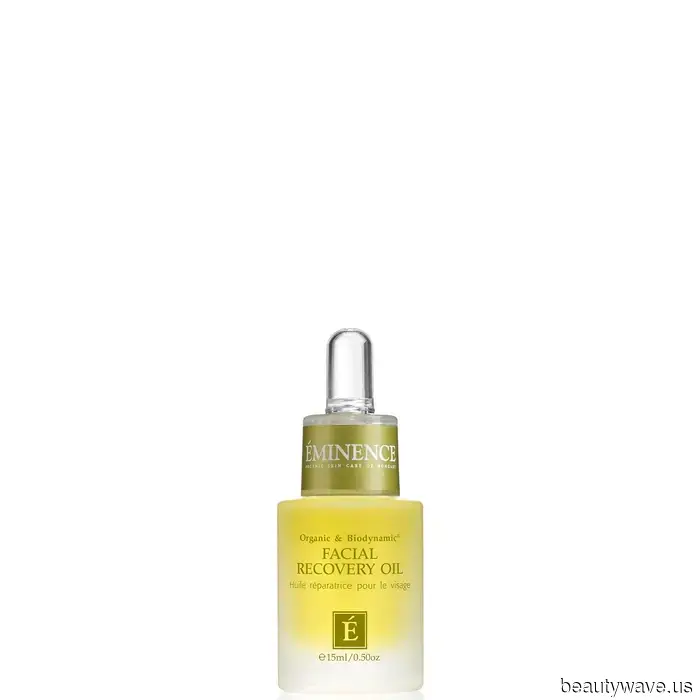
There are so many factors that contribute to acne, and everyone’s skin is unique, but I never thought this could be an issue for me. Goodwin then shared information about the brand's Recovery Facial Oil ($85), a fantastic product I have previously used up completely, stopping only when I ran out.
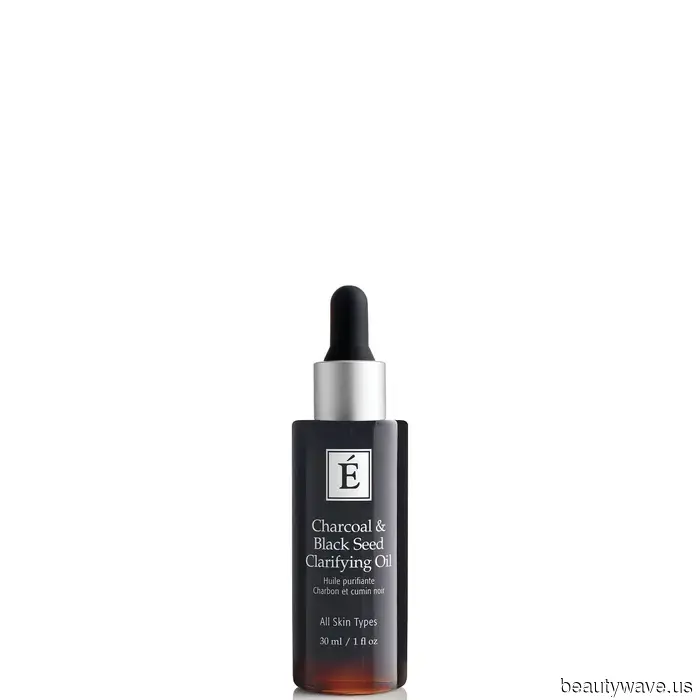
According to Goodwin, this nourishing facial oil can be a significant solution. If you’re like me and once recoiled at the idea of applying too many oils to your face, there’s no need to worry. This can actually be a beneficial remedy for the issue of low linoleic acid in the skin. Goodwin mentioned, "Facial Recovery Oil is an excellent choice for acne-prone skin as it contains olive oil and sesame oil, both naturally abundant in linoleic acid. This aids in supporting the skin’s barrier function and balancing sebum production, decreasing the chances of clogged pores. The formula also has tea tree oil and sage oil, known for their antimicrobial properties, helping to soothe inflammation and lessen the bacteria that often leads to acne. If you have oilier skin, I recommend our Charcoal and Black Seed Clarifying Oil ($118), since its primary ingredient, black seed oil, is also rich in linoleic acid."
Even if you’re not inclined to use a dedicated facial oil, you can still opt for skincare products that include vegetable oils high in linoleic acid like sunflower, grape-seed, or soybean oil. Goodwin has a few recommendations: "Sesame and olive oil can be excellent choices, as they provide the fatty acids that acne-prone skin needs to support the barrier and lower the likelihood of breakouts." He also mentioned that incorporating these oils into your diet could be beneficial. "On the dietary side, omega-3s and gamma linoleic acid (GLA) can help mitigate inflammation, which is a significant factor in acne," he explained. "The body converts linoleic acid into GLA, so adding GLA-rich oils can help combat breakouts. Borage seed oil or evening primrose oil are good choices, and it’s about determining which one your skin reacts to best."
If you're facing issues with inflammation and breakouts, incorporating products rich in linoleic acid can certainly help, but Goodwin has additional advice. The primary mistake he often observes among those with acne is over-exfoliating. "It’s easy to fall into the trap of using too many potent actives like glycolic acid, mandelic acid, and retinol simultaneously," he remarked. "But employing too many actives can jeopardize the skin's barrier and disrupt the microbiome. When this occurs, the skin struggles to handle inflammation and protect itself from irritants, potentially worsening acne. For anyone in that predicament, I suggest starting with a professional skin analysis and consultation. A certified aesthetician or dermatologist can help identify what your skin requires and develop a more tailored routine."
Generally, if your skin is caught in a continuous cycle of breakouts and inflammation, Goodwin recommends performing an active-ingredient reset. I have done this myself during periods of skin trouble, and it was remarkably effective. "This entails abstaining

Other articles
 While black and white remain timeless, Iris Law's stylish color combination offers a refreshing take for 2026.
It will surely catch attention.
While black and white remain timeless, Iris Law's stylish color combination offers a refreshing take for 2026.
It will surely catch attention.
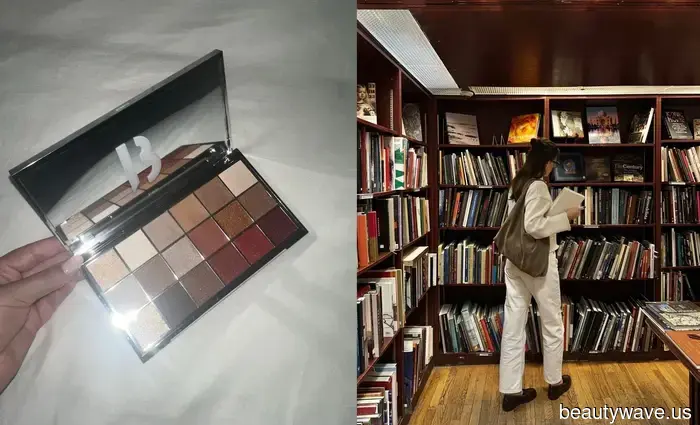 Byredo's latest eye shadow palette is the makeup version of the famous Bibliothèque fragrance.
It's a "collection of colors."
Byredo's latest eye shadow palette is the makeup version of the famous Bibliothèque fragrance.
It's a "collection of colors."
 Fact: Every fashion editor dreams of having one of these incredibly luxurious jackets.
As we approach winter, many of us are likely searching for a new jacket. Don’t worry, though, as I’ve taken care of the tough task and gathered the most stylish designer options for you to consider.
Fact: Every fashion editor dreams of having one of these incredibly luxurious jackets.
As we approach winter, many of us are likely searching for a new jacket. Don’t worry, though, as I’ve taken care of the tough task and gathered the most stylish designer options for you to consider.
 The Subtle Handbag That Trendy Individuals Are Using to Achieve a Sophisticated Look at This Moment
The one to keep an eye on.
The Subtle Handbag That Trendy Individuals Are Using to Achieve a Sophisticated Look at This Moment
The one to keep an eye on.
 It's Official: The Most Fashionable Manicures of This Season Are Putting an End to These 6 Nail Designs.
I bet you'll be astonished.
It's Official: The Most Fashionable Manicures of This Season Are Putting an End to These 6 Nail Designs.
I bet you'll be astonished.
 White button-down shirts are dull—here's the shirt trend that fashionable girls are pairing with leggings and Uggs instead.
If you're looking for stylish outfits this season, look to Emily Ratajkowski for inspiration and explore the fall shirt trend that many are choosing over basic white styles.
White button-down shirts are dull—here's the shirt trend that fashionable girls are pairing with leggings and Uggs instead.
If you're looking for stylish outfits this season, look to Emily Ratajkowski for inspiration and explore the fall shirt trend that many are choosing over basic white styles.
As stated by an aesthetician, this essential fatty acid significantly aids in reducing breakouts.
If you frequently experience breakouts, your skin may be lacking in it.