
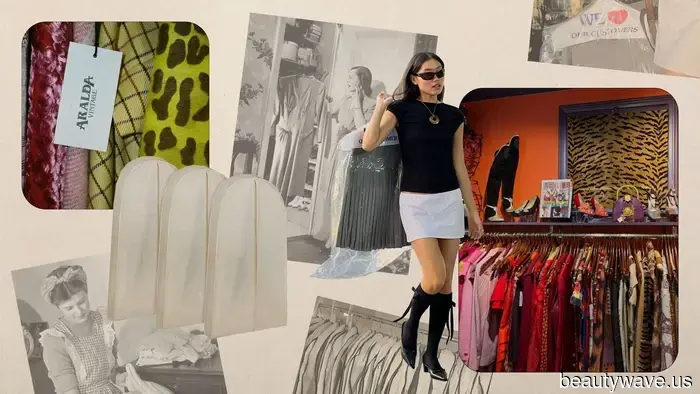
The Top 8 Methods for Maintaining Your Vintage Clothing, Based on Expert Advice
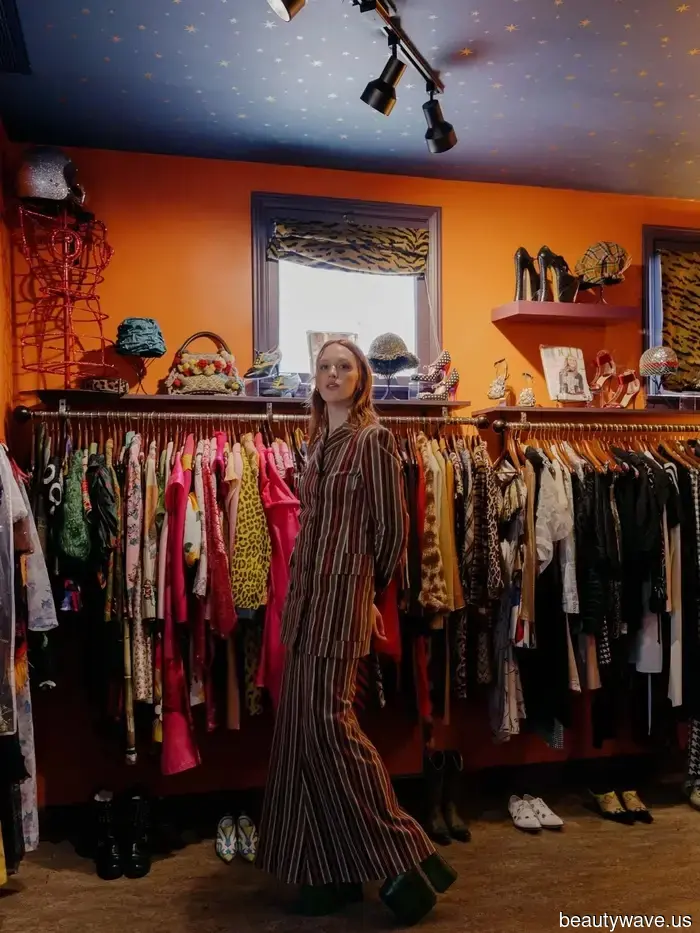
Brynn Jones is an editor in residence at Who What Wear and the founder/curator of Aralda Vintage, a boutique and archive located in Los Angeles. With over a decade of experience in the vintage realm, I continue to learn something new each day. This specialized field is vast, offering countless hidden corners filled with intricate details waiting to be discovered, from dating garments to authenticating them and learning how to care for them. Over time, a shift occurs: your eye trains itself, and the necessity for constant research diminishes as your mind retains more information. Much of this knowledge is essential and highly valuable for the operation of a vintage business. Understanding the provenance and history of pieces adds significance and value, particularly for collectors worldwide who rely on you to delve into the details so you can present them with a stunning garment accompanied by its origin story.
Quality plays a key role in this process. The majority of pieces I find have already had various lives, but occasionally, a magical exception stands out—like when I purchased a Halston dress from a woman who custom-ordered it in the '70s and kept it impeccably wrapped in acid-free tissue within its original box, or the day a retired Parsons professor entered my store with a plastic blue bodice from Issey Miyake's fall/winter 1980–1981 collection, sharing that it had only ever existed in a classroom or his apartment, and he was ready to find it a new home. While those instances are rare, almost every piece carries a story (or ten) woven into its seams.
In my shop, we often receive remarks about the condition and quality of our garments. Although I strive to only purchase items that are nearly flawless, I can't claim sole credit for their immaculate condition. That recognition goes to the long line of previous owners. I often envision the closets that once contained these treasures and the careful measures taken to preserve them.
I acknowledge that I have experienced my share of mistakes when it comes to caring for my vintage items. With the best intentions, I've snagged, shrunk, and learned the hard way.
Whether you're a vintage enthusiast, collector, or aspiring seller, I believe sharing some preservation tips for your cherished older items could be beneficial—a source of care for your aging garments. While reflecting on the lessons I've learned and the wisdom I've received, it occurred to me: what if we consulted a top-notch archivist?
This led me to think of Julie Ann Clauss—fashion historian and founder of The Wardrobe, an archive containing collections from Marc Jacobs, Tom Ford, Calvin Klein, and numerous high-profile celebrities with museum-worthy wardrobes. Clauss graciously provided me with her eight best at-home preservation tips:
1. Pheromones and body oils can attract pests, leading to a range of issues you want to avoid in your closet. Musty odors can also spread; a neglected piece can impact everything around it.
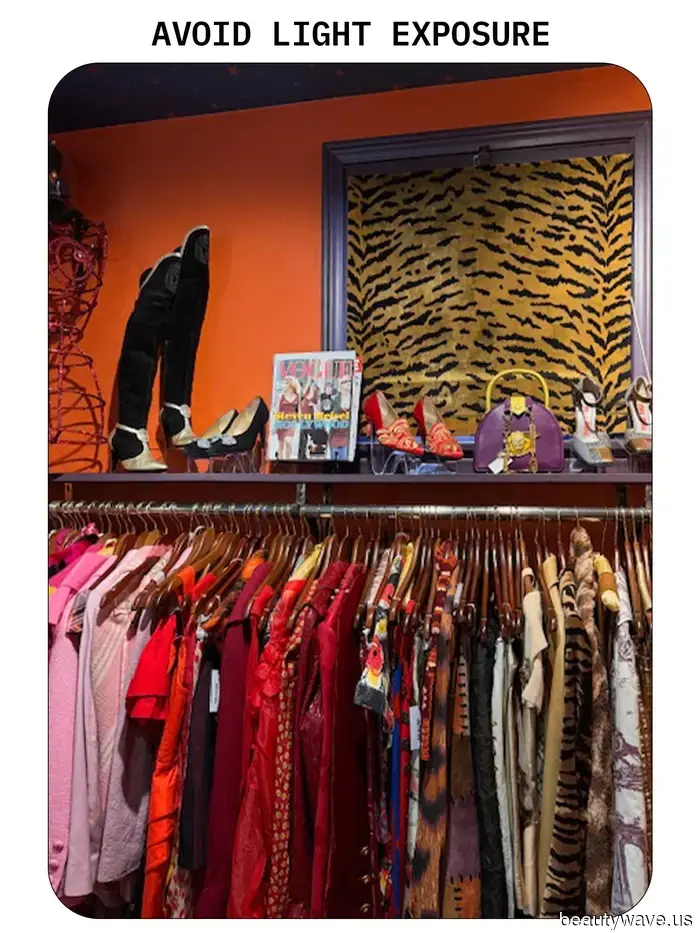
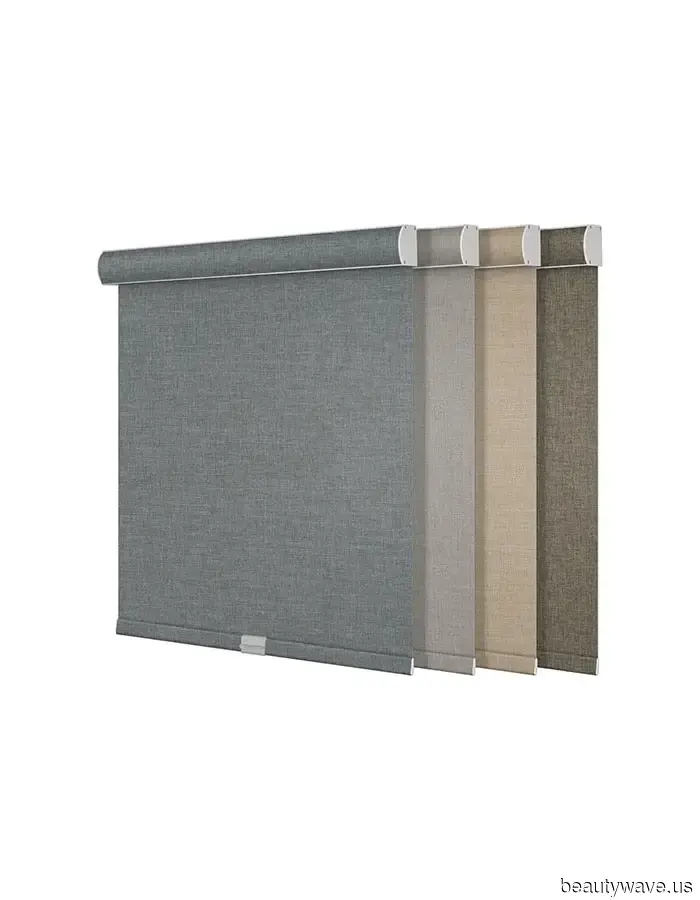
2. UV damage from sunlight or strong artificial light fades dyes, and unfortunately, there's no way to reverse this. Entire racks of garments can be ruined this way.
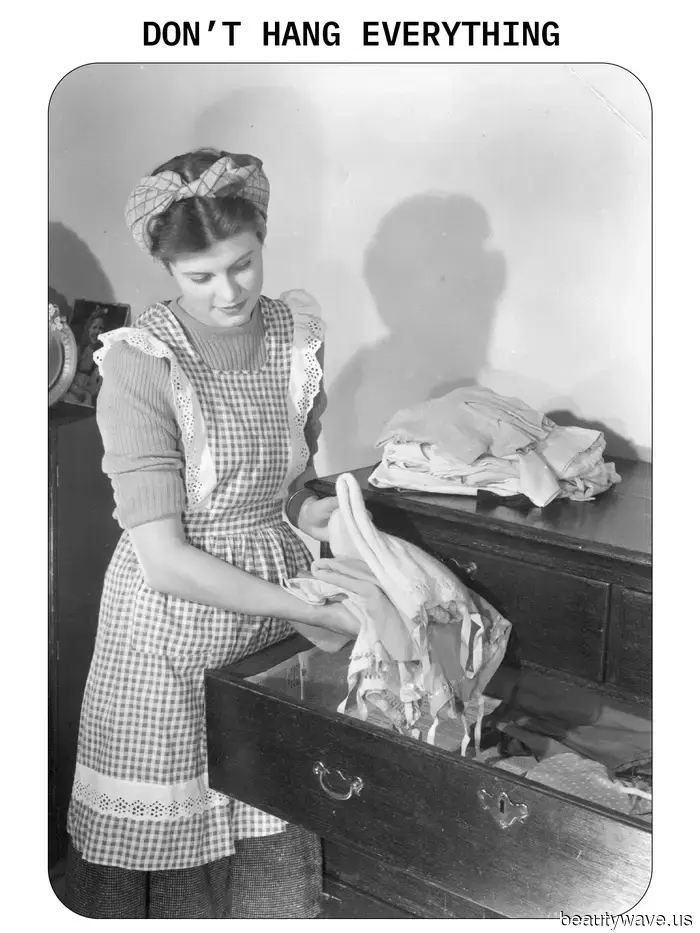
3. Fabrics such as jersey, bias cuts, heavy knits, and embellished materials can stretch over time. Instead, fold them carefully on a shelf or in a drawer—adding tissue paper between folds provides extra support.
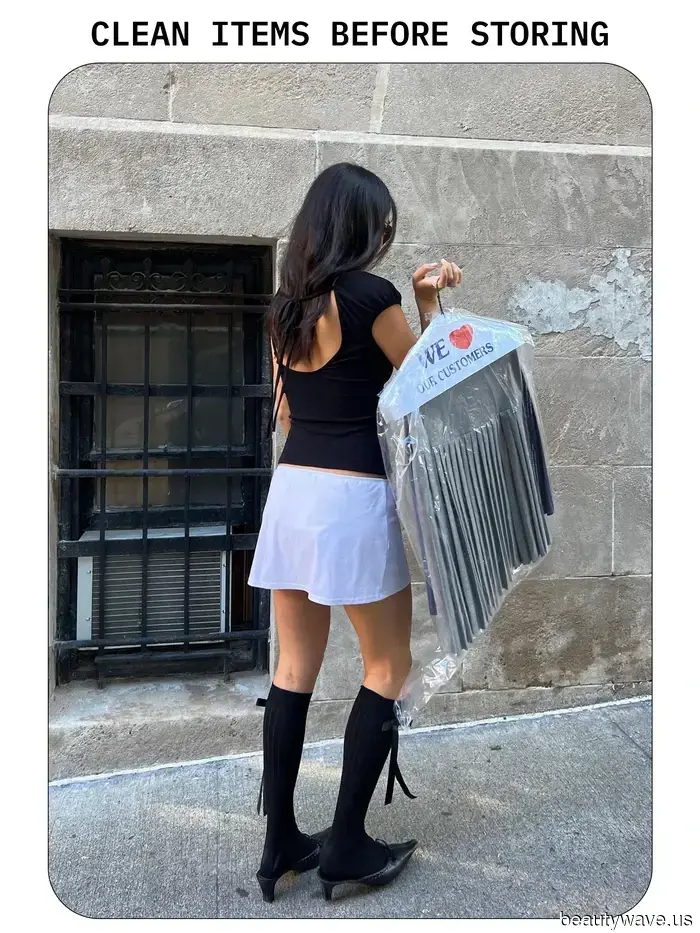
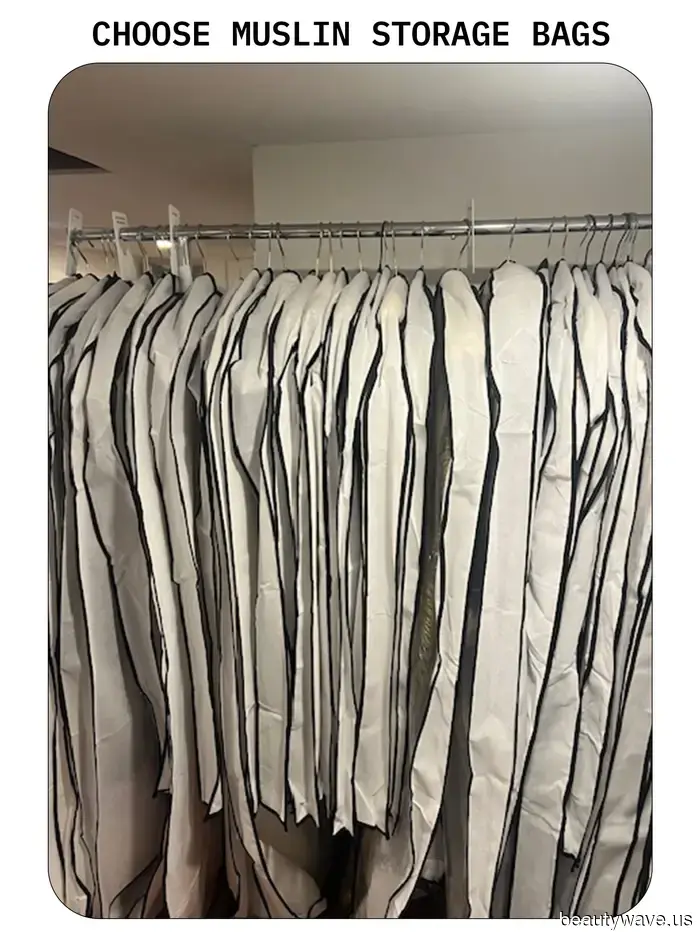
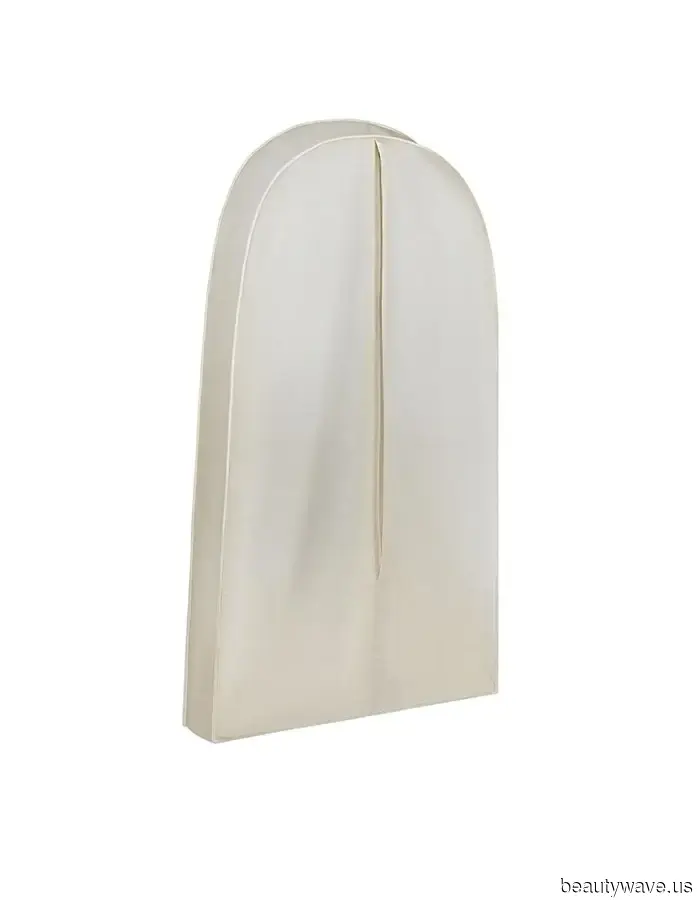
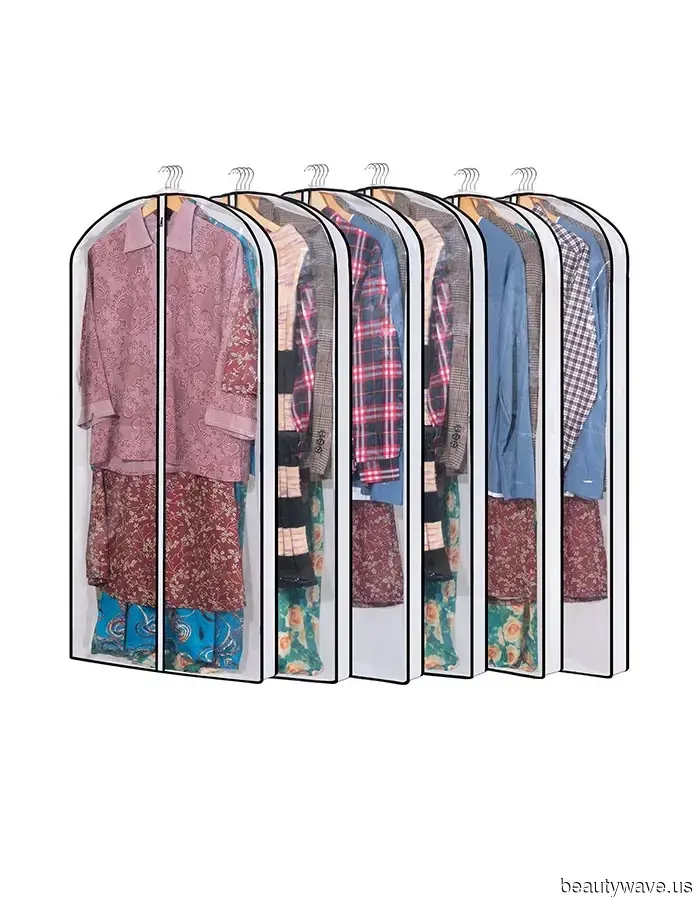
4. Muslin bags are the best option because they allow for airflow and prevent moist microclimates. If muslin isn't feasible, look for storage bags with a breathable fabric side. Always remove dry-cleaned items from plastic immediately; trapped solvents can weaken fibers and cause whites to yellow.
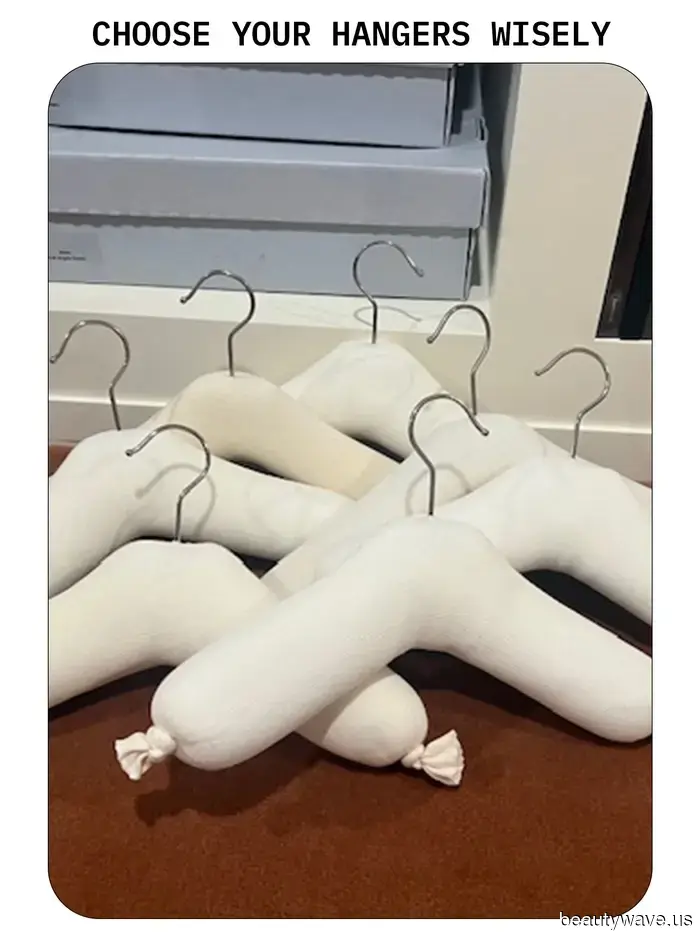
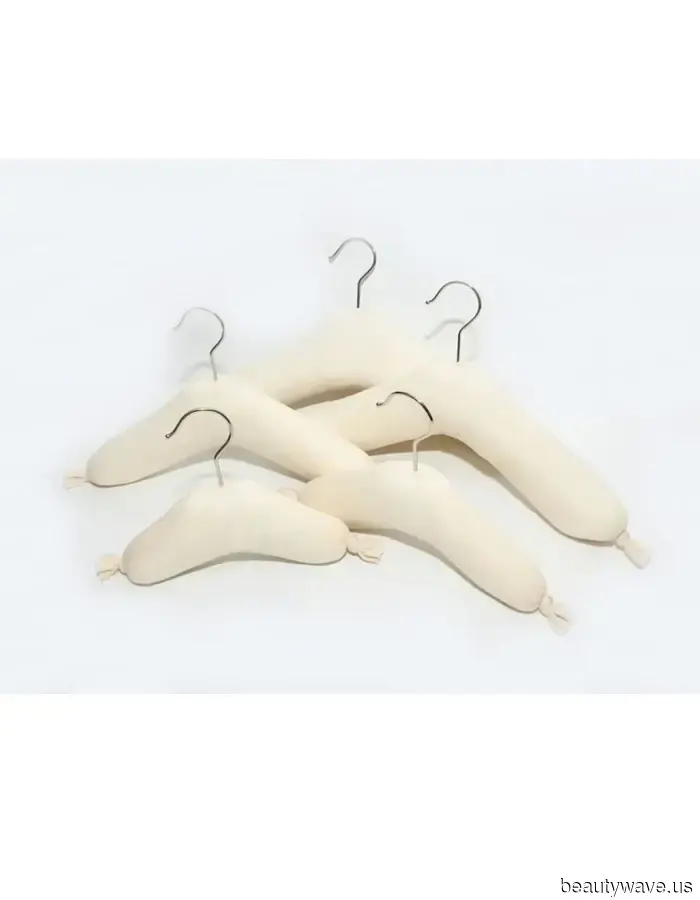
5. Padded hangers with sloping shoulders are ideal but take up more space. For heavier garments, select sturdy hangers with broad shoulders for even weight distribution. Thin velvet hangers are best for lightweight items.
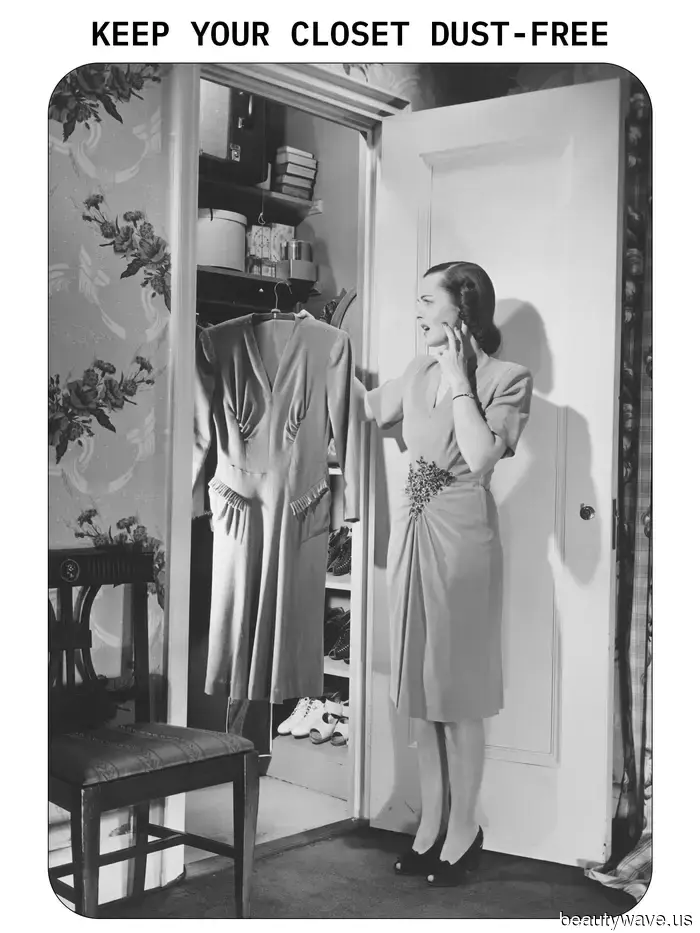
6. Regular vacuuming is important. Dust, made up of hair and garment fibers, attracts moths, so maintaining a clean environment makes it less hospitable for pests.
7. Moths only feed on protein-based materials like wool, silk, and cashmere. Prioritize protecting these items and leave synthetic fabrics uncovered if you must choose.
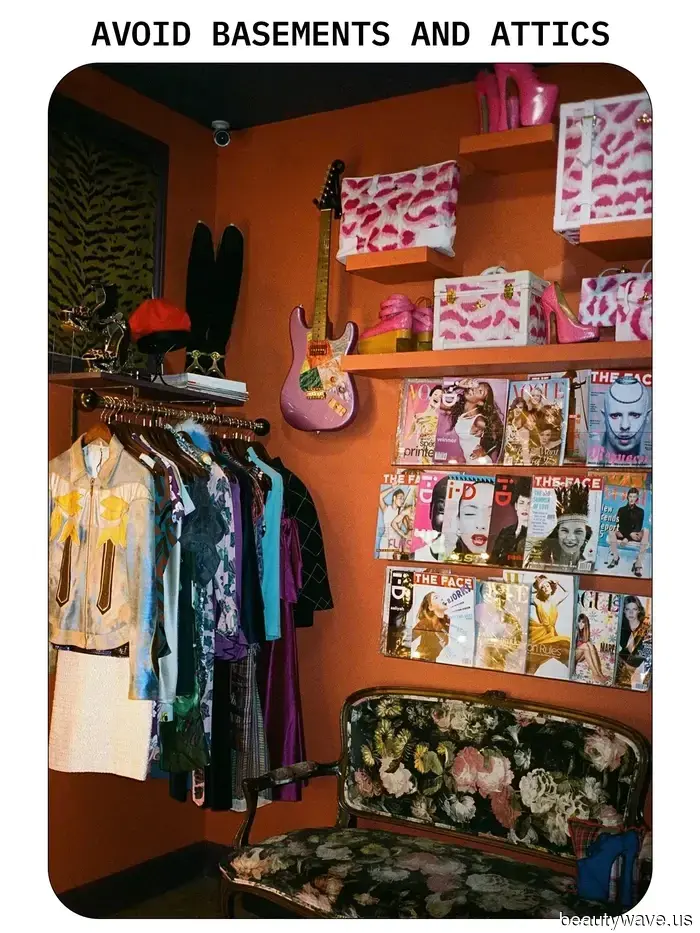
8. Avoid storing garments in basements, which tend to be too humid, or attics, which can fluctuate in temperature. Clothes prefer a stable, temperate environment.
Here are some top products to help preserve your vintage clothing:
- GliCraft Acid Free Cotton Muslin Suit Garment Bag
- MsKitchen Gusseted Garment Covers
- Boolegon Blackout Roller Shades for Windows
Other articles
 This stylish outfit is ideal for Paris, but I'm planning to wear it in the Midwest and New York City.
A simple method to appear fashionable wherever you go.
This stylish outfit is ideal for Paris, but I'm planning to wear it in the Midwest and New York City.
A simple method to appear fashionable wherever you go.
 All the fashion editors on our team adore COS—here are 19 fall items we anticipate will be sold out by Thanksgiving.
The fashion editors at Who What Wear reveal the COS pieces they are eager to purchase for the upcoming fall and winter seasons.
All the fashion editors on our team adore COS—here are 19 fall items we anticipate will be sold out by Thanksgiving.
The fashion editors at Who What Wear reveal the COS pieces they are eager to purchase for the upcoming fall and winter seasons.
 You can tell someone is into fashion if they are sporting this IYKYK accessory.
The trendy item is becoming dominant.
You can tell someone is into fashion if they are sporting this IYKYK accessory.
The trendy item is becoming dominant.
 The Unconventional Yet Trendy Approaches Fashion Enthusiasts Are Using to Style Their Sweaters for Fall 2025
You will either be fond of it or dislike it.
The Unconventional Yet Trendy Approaches Fashion Enthusiasts Are Using to Style Their Sweaters for Fall 2025
You will either be fond of it or dislike it.
 Don't Even *Consider* Wearing a Sweater Unless It's Part of These "Luxurious" Trends
If I were in your position, I would pay close attention.
Don't Even *Consider* Wearing a Sweater Unless It's Part of These "Luxurious" Trends
If I were in your position, I would pay close attention.
 My Sister Inquired About What She Should Purchase from Amazon—Here Are 30 Stylish Items I Recommended.
Essentially, everything that I want for Black Friday.
My Sister Inquired About What She Should Purchase from Amazon—Here Are 30 Stylish Items I Recommended.
Essentially, everything that I want for Black Friday.
The Top 8 Methods for Maintaining Your Vintage Clothing, Based on Expert Advice
A vintage specialist offers the top advice and techniques for maintaining your vintage garments.