
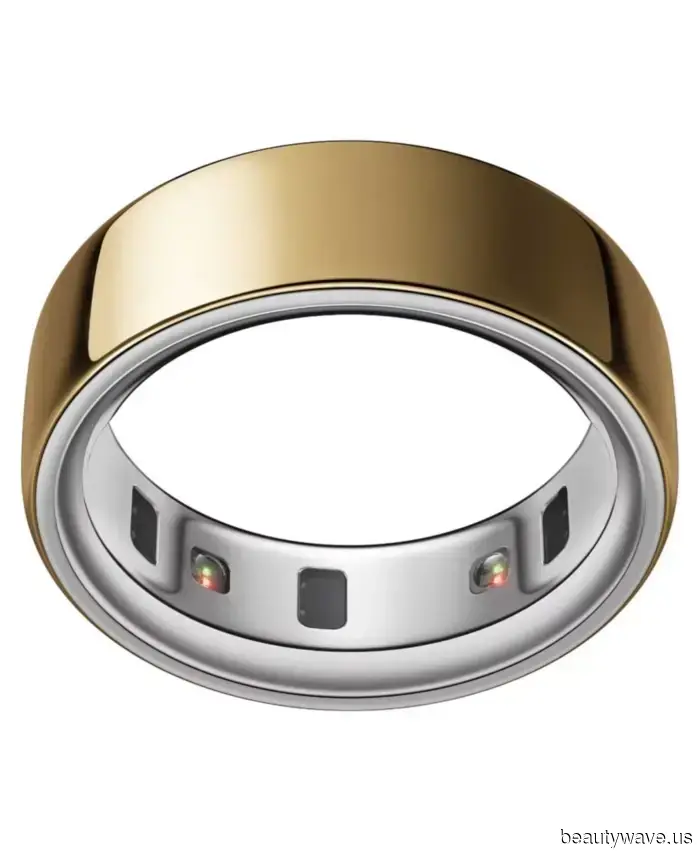
I've been using the Oura Ring for three months—here's what you need to consider before purchasing one.
Although I am a beauty editor who tests new beauty products professionally, I also have a strong interest in health and wellness (in fact, I started my career as a health writer). If your TikTok For You Page mirrors mine, you’re likely seeing numerous reviews of the Oura Ring and questioning whether it’s a worthwhile investment. I’ve always had an affinity for wearable health trackers, but to be honest, I find many smartwatches aesthetically unpleasing. Upon discovering the sleek, minimalistic Oura Ring, I recognized it as a health tracker I would actually want to wear. So, I decided to wear it for three months, and I have various thoughts about my experience—both positive and negative. If you’re contemplating whether to buy the new Oura Ring 4, keep scrolling for my candid review to see if it’s a suitable investment for you.
**Oura Ring 4: A Review**
**Pros:**
- Tracks various health metrics including sleep, activity, stress, heart health, and menstrual cycle.
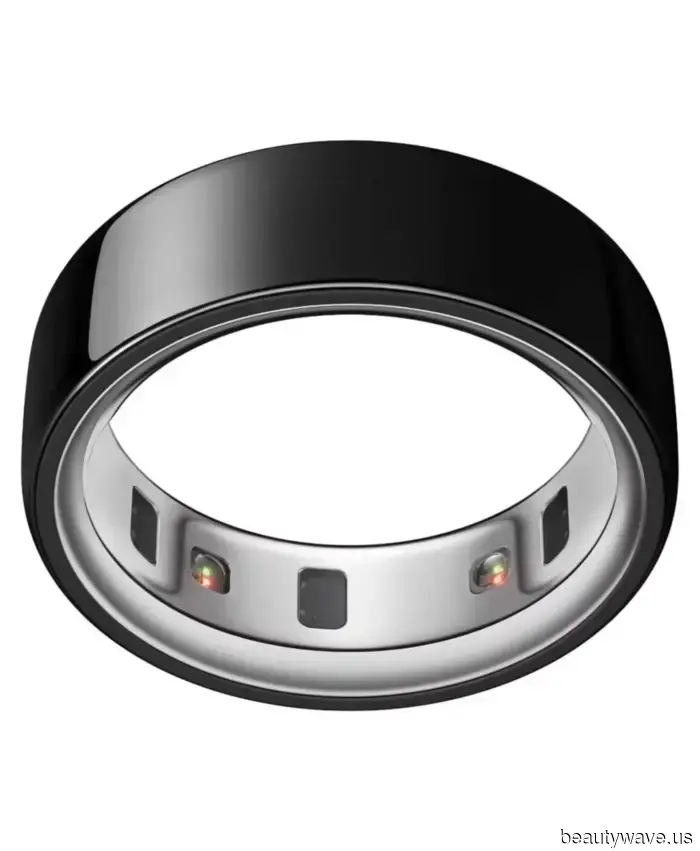
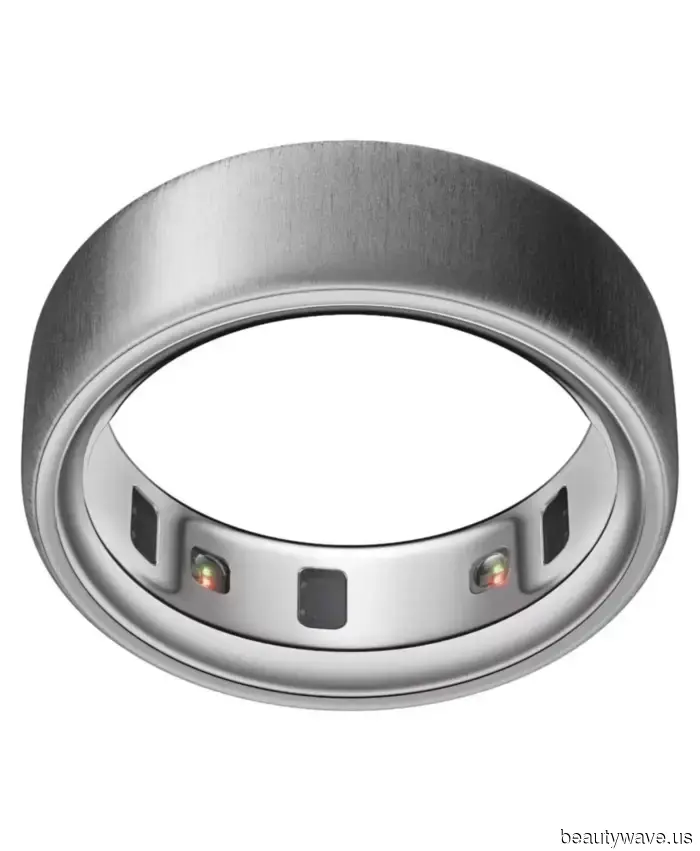
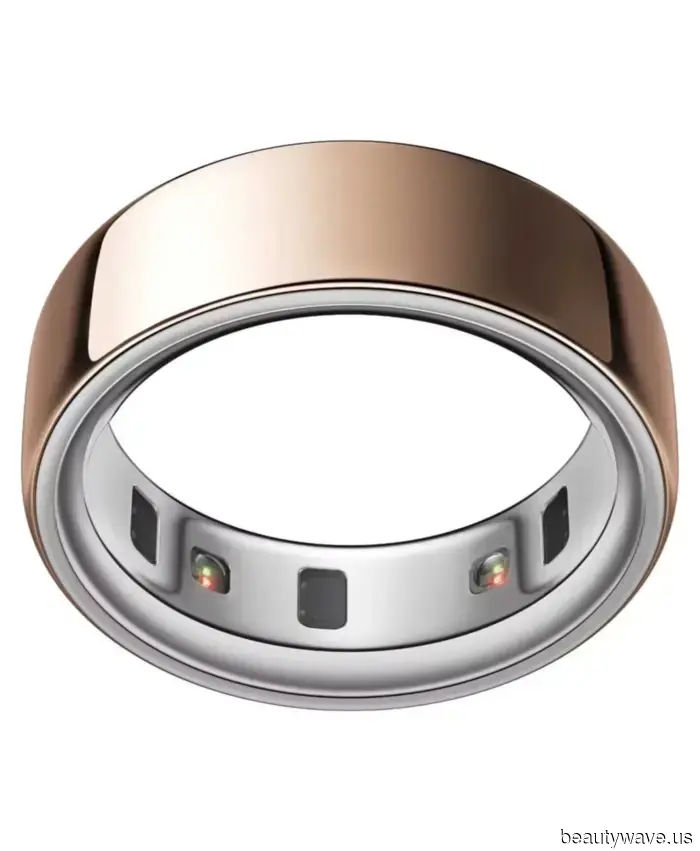
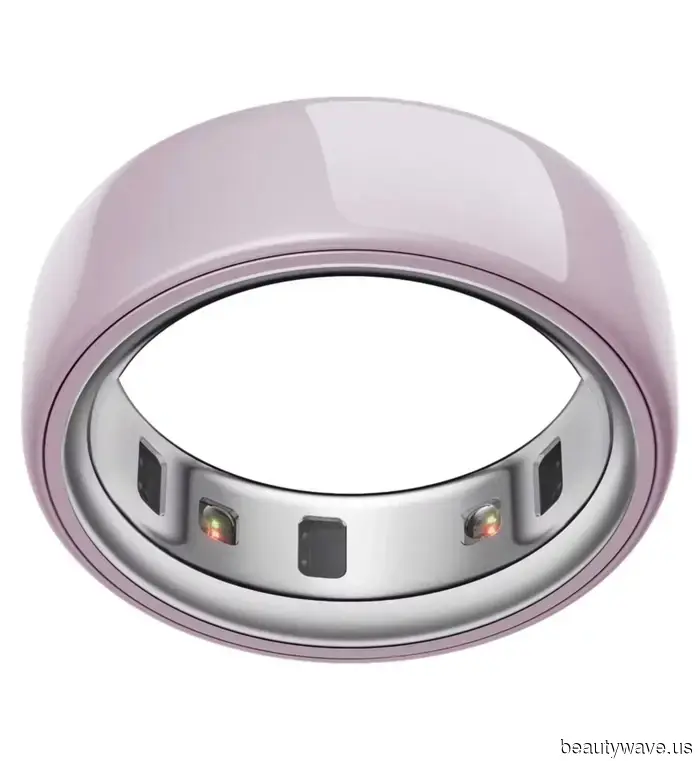
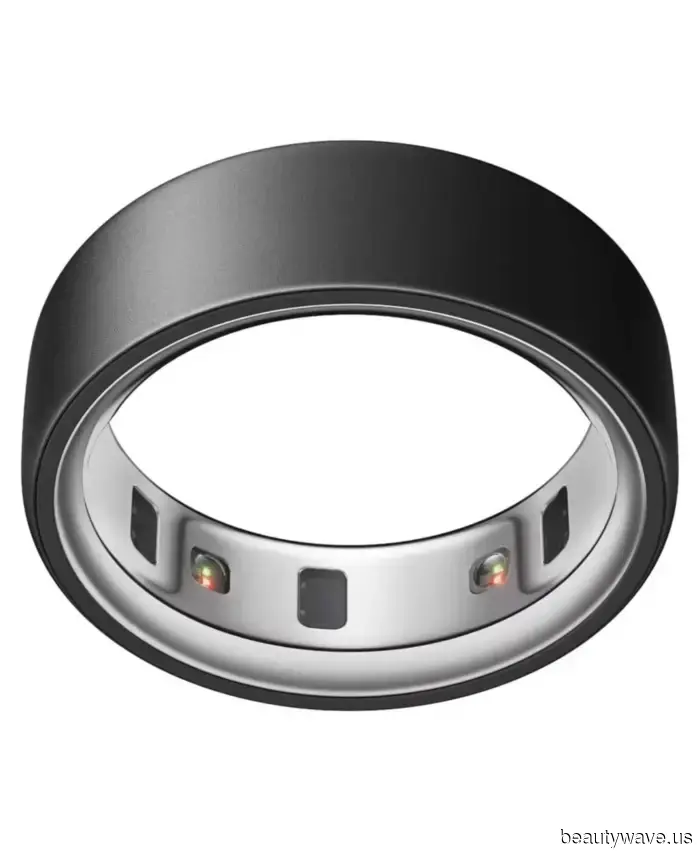
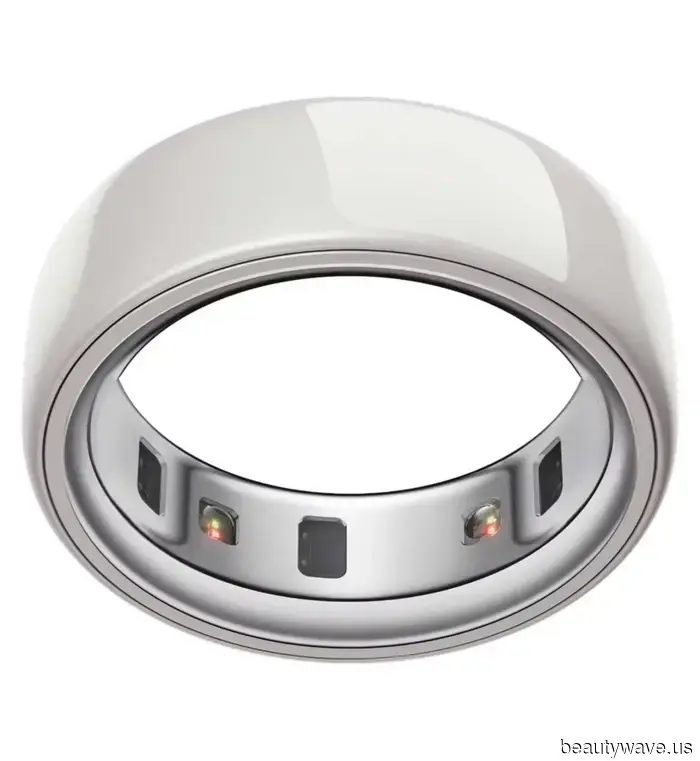
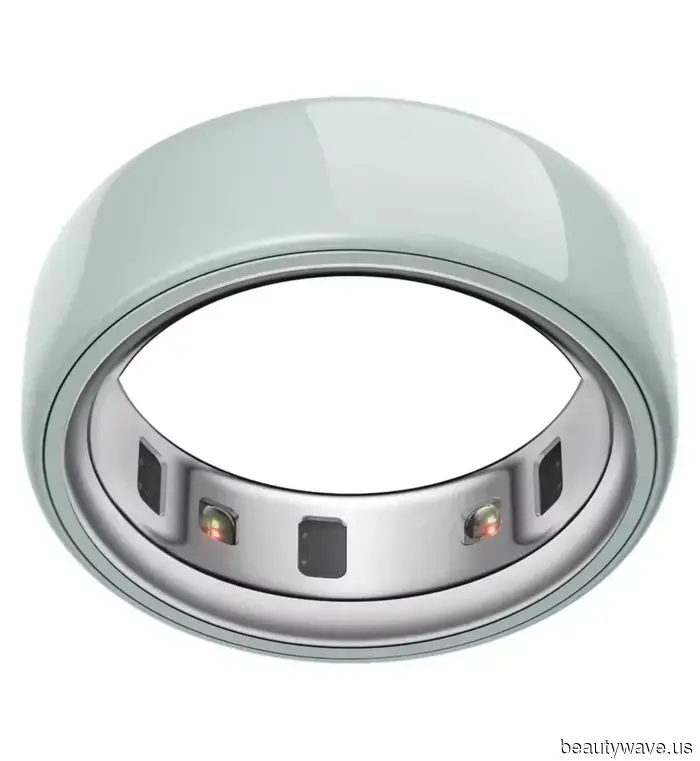
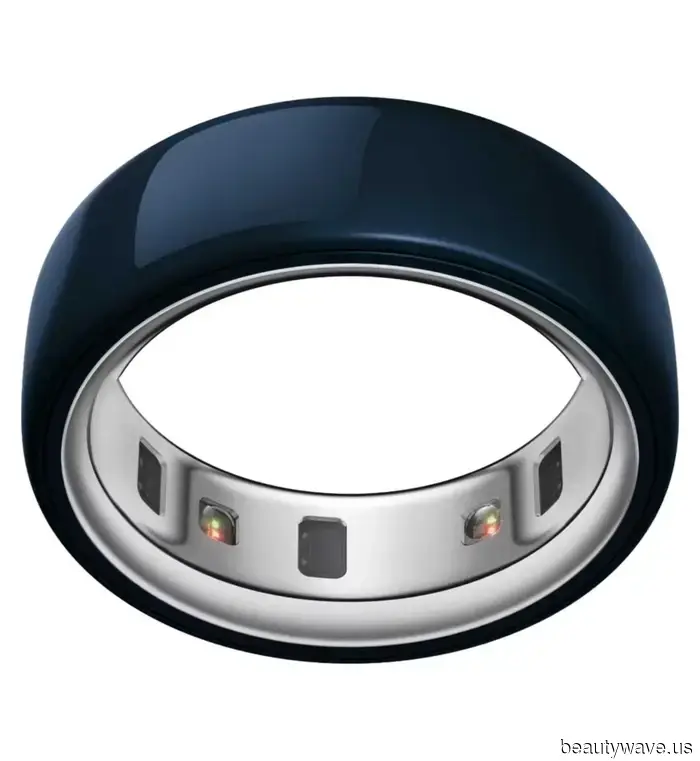
- Features a discreet, comfortable, and stylish design with color and finish options.
- Syncs with the Oura app for detailed insights and an overview of health.
- Provides practical health improvement advice.
**Cons:**
- It requires a financial investment, with some color options costing more.
- A £6 monthly subscription is needed to access all features of the Oura app.
- Sizing can be difficult if you fall between sizes, as there are no half sizes.
**Included in the Package:**
- Oura Ring 4
- Charging dock
- USB-C cable
**What is the Oura Ring and How Does It Function?**
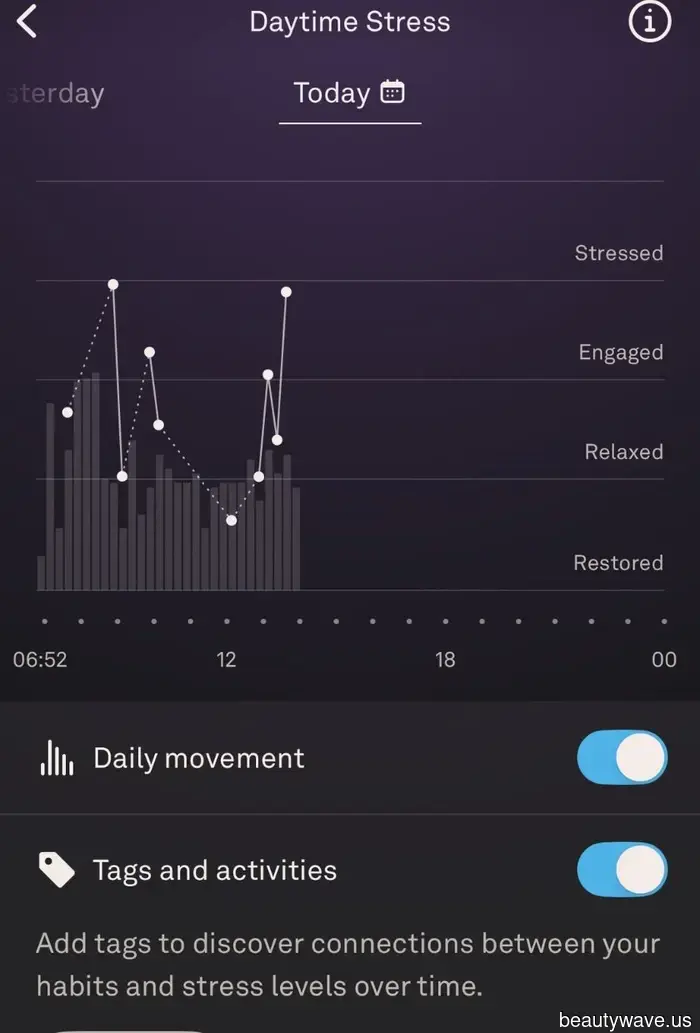
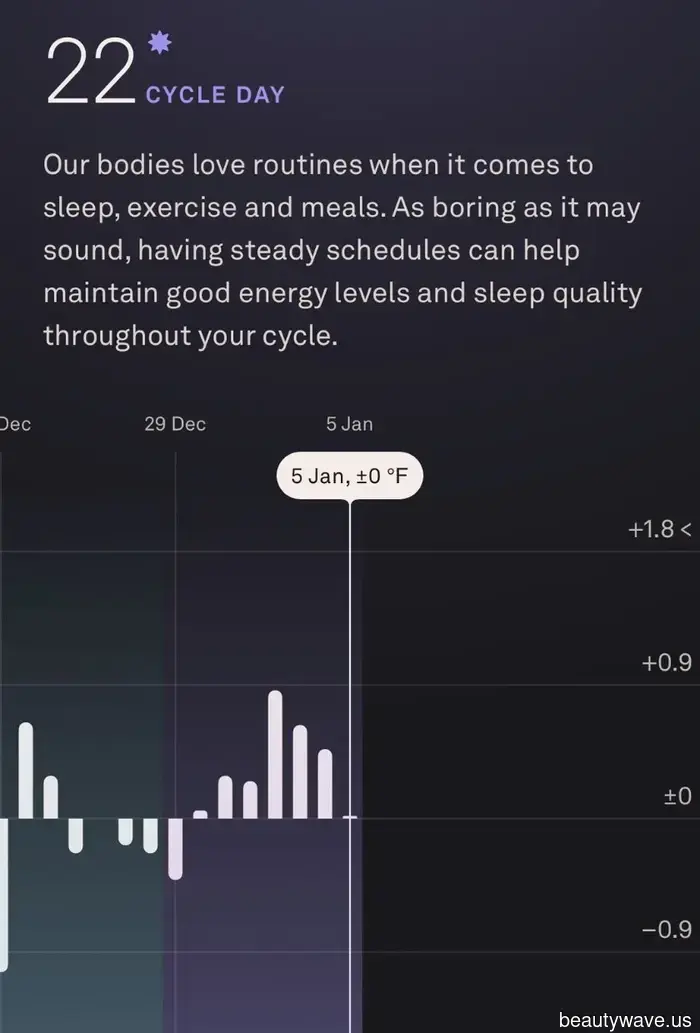
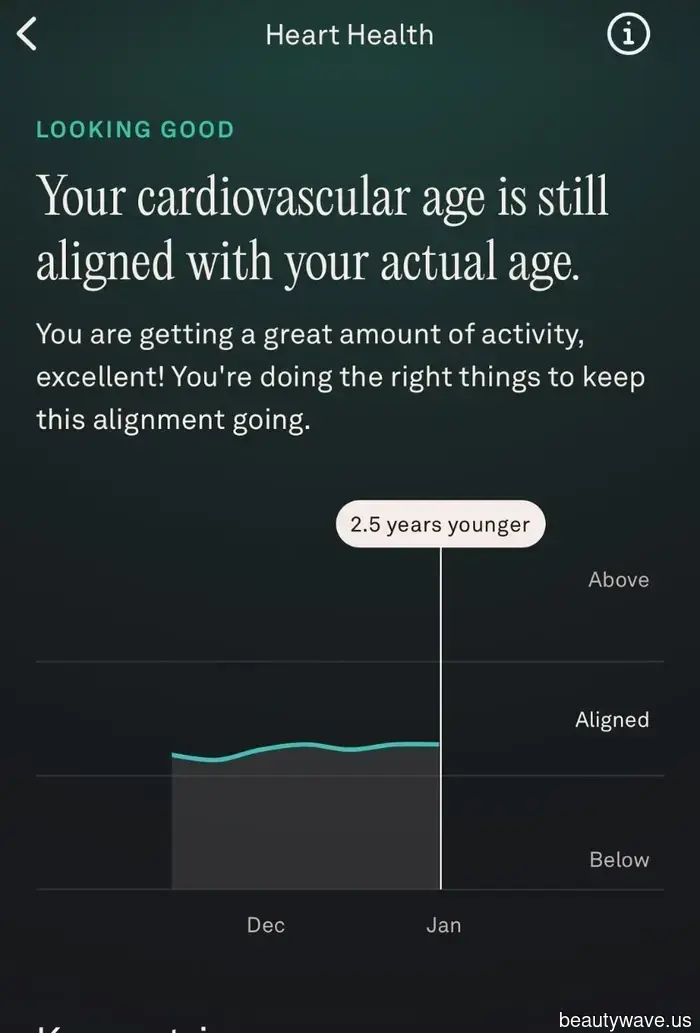
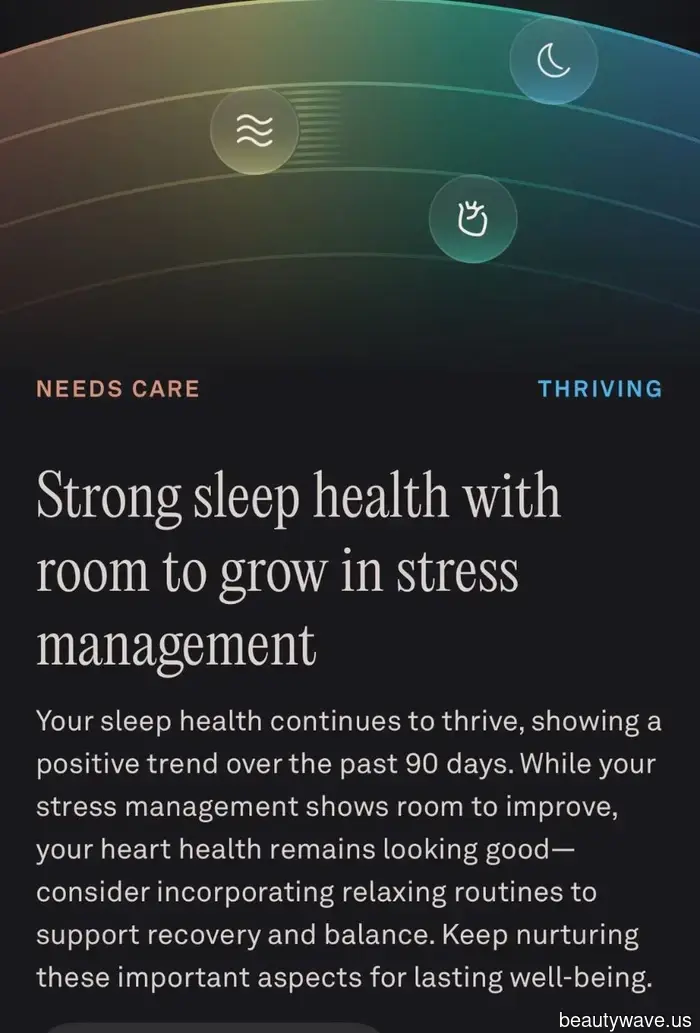
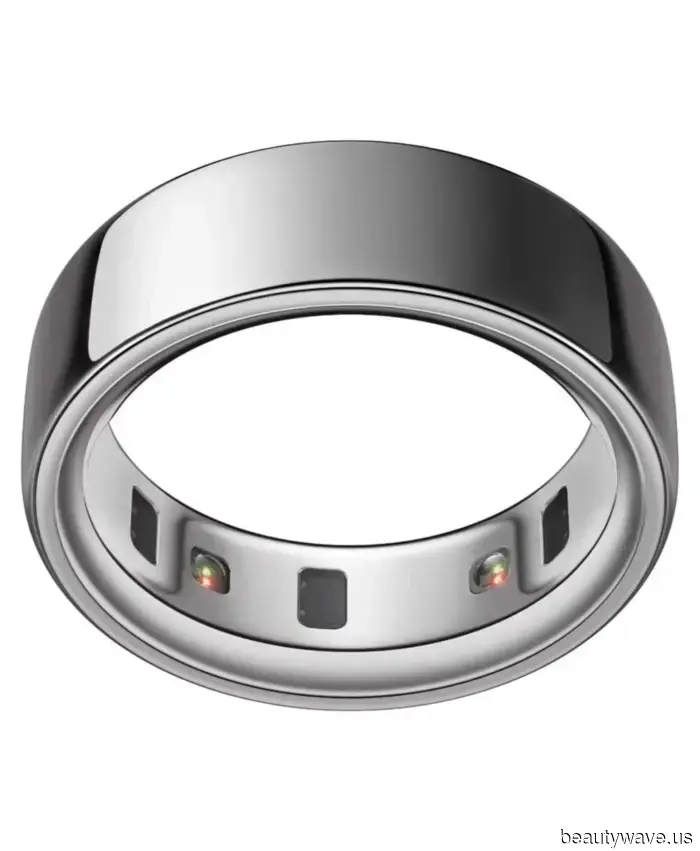
The Oura Ring is a wearable health tracker that monitors an array of health markers including sleep, activity, heart health, stress levels, and menstrual cycles. Utilizing various sensors, it measures vitals like heart rate, blood oxygen, and body temperature. It pairs with the Oura app, offering a broad view of your health alongside the option to dive deep into specific metrics.
**My Experience with the Oura Ring 4**
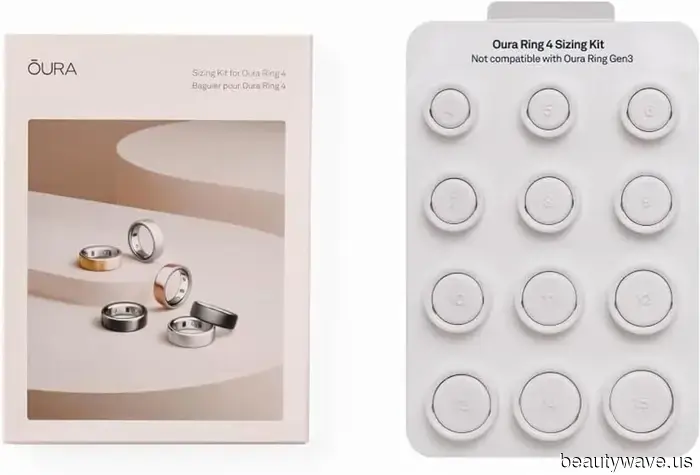
Over the past three months of wearing the Oura Ring 4, I’ve thoroughly tested its capabilities. If you’re considering purchasing one, I highly recommend obtaining the sizing kit (available for free with your order on the Oura site, or redeemable at other retailers such as Boots), which lets you try on different sizes before making your choice. For accuracy, it’s suggested to wear the ring on your index, middle, or ring finger.
I fell between sizes 7 and 8, and Oura suggests choosing the smaller size if that’s the case, as a tighter fit ensures accurate vital measurements and prevents the ring from slipping off. I went with a size 7, which fits comfortably on both my middle and index fingers.
**Readiness**
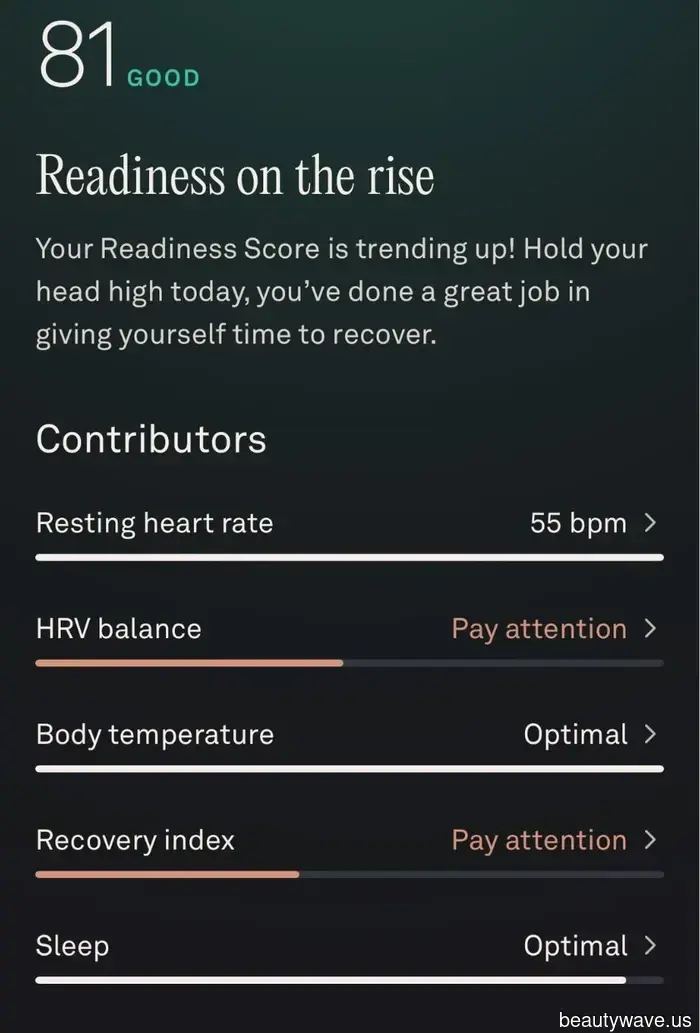
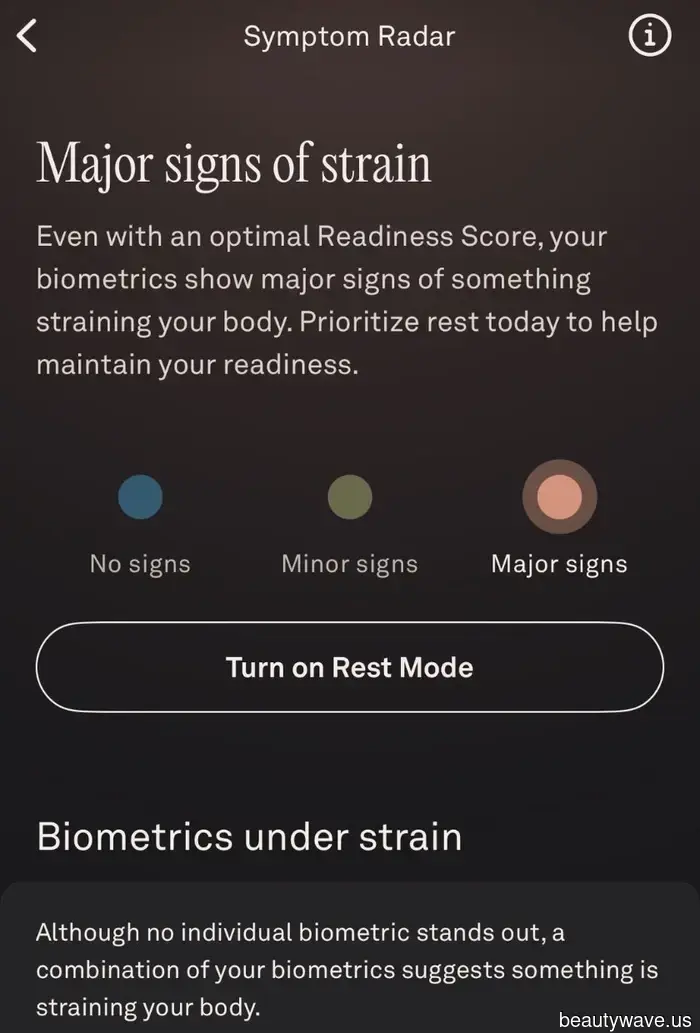
When you wake up and check the Oura app, it provides a “Readiness” score based on sleep quality, activity from the previous day, and biometric data like heart rate, body temperature, and heart rate variability. The score, out of 100, indicates your body's readiness for the day, helping you determine how hard you can push yourself. A high score suggests an energetic day ahead, while a lower score recommends prioritizing rest. The app offers both a summary and detailed metrics, highlighting areas requiring attention. For instance, my heart rate variability, a recovery marker, warranted attention due to previous illness.
**Sleep Tracking**
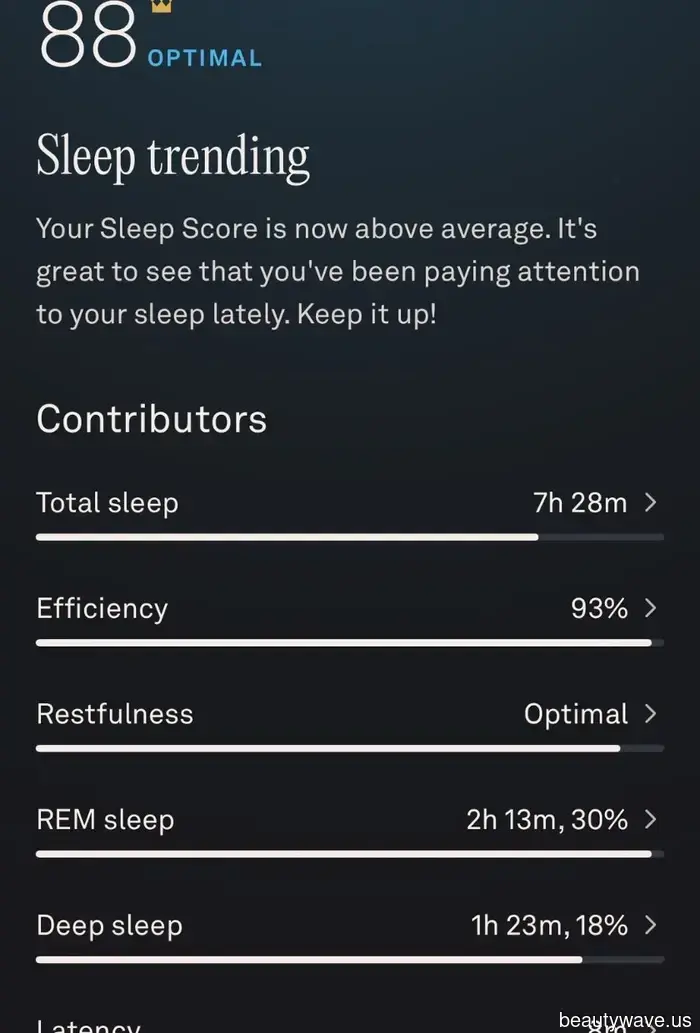
Sleep quality is crucial for determining your daily “Readiness” score, and the Oura Ring tracks extensive sleep data. It measures not just total sleep duration but also how much time you spend in various stages such as REM, deep sleep, and light sleep. It can also recognize daytime naps and identify any nighttime movements or breathing issues. Additionally, it highlights “sleep debt,” keeping you accountable for adequate rest. After 90 days, it also calculates your sleep chronotype to identify if you're a night owl or a morning person.
I appreciate the ability to tag each night to identify patterns or triggers affecting my sleep, whether it’s late meals, caffeine consumption, or illness. Conversely, you can log behaviors that promote better sleep, such as yoga or warm baths. My emphasis on prioritizing sleep has been reflected in my averaging scores around 80/100, which motivates me to continue my dedication to sleep hygiene, although I’ve also noted illness and stress impacting sleep quality on lower-scoring nights.
**Activity Tracking**
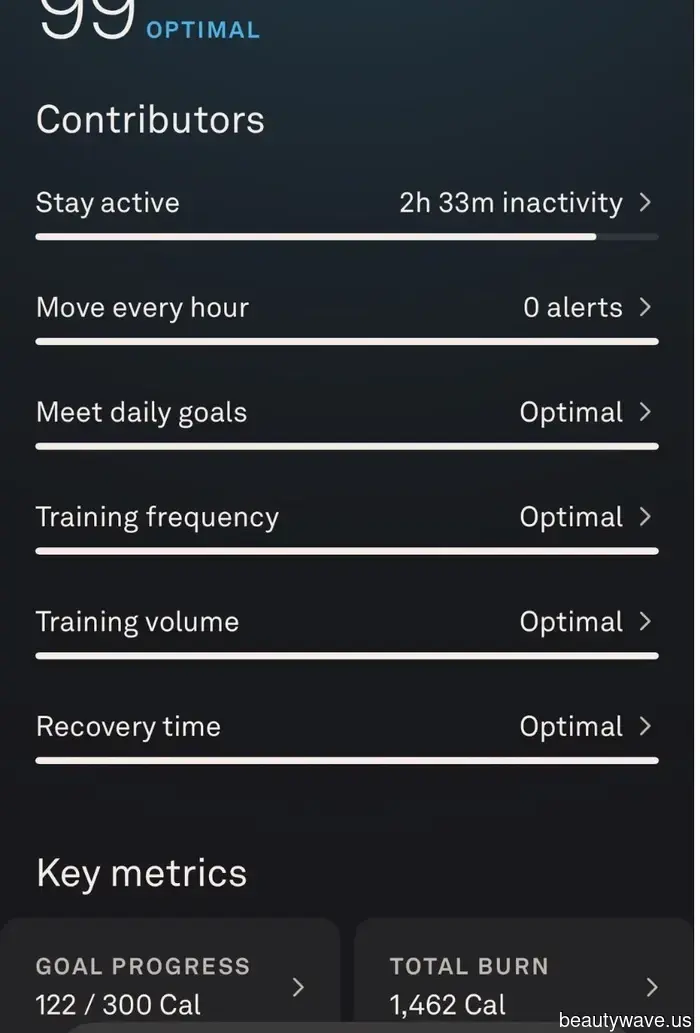
The Oura Ring tracks your activity levels, allowing you to benefit regardless of whether you regularly visit the gym. It registers daily tasks, like household chores (even vacuuming counts) and walking. It also detects various exercises such as running, dancing, or skiing, and is waterproof for swimming. The app measures calories burned, step counts, and heart rate zones ranging from Zone 0 (lowest) to Zone 5 (highest exertion
Other articles
 The Contemporary Momtrepreneur: How a New Wave of Women Is Redefining Motherhood and Achievement
Women who are creating businesses and raising families according to their own standards—not flawlessly, but with strength.
The Contemporary Momtrepreneur: How a New Wave of Women Is Redefining Motherhood and Achievement
Women who are creating businesses and raising families according to their own standards—not flawlessly, but with strength.
 The dresses I receive the most compliments on are from this brand, which now offers the finest wedding guest attire.
My fascination with this brand is limitless.
The dresses I receive the most compliments on are from this brand, which now offers the finest wedding guest attire.
My fascination with this brand is limitless.
 Pinterest has just forecasted the major trends for 2026—here are 5 that I believe will endure.
Pinterest has forecasted the top fashion trends for 2026, and I am confident that these five will endure. Explore them here.
Pinterest has just forecasted the major trends for 2026—here are 5 that I believe will endure.
Pinterest has forecasted the top fashion trends for 2026, and I am confident that these five will endure. Explore them here.
 If you plan to wear a watch in 2026, ensure that it’s one of these options.
Keep an eye on this area.
If you plan to wear a watch in 2026, ensure that it’s one of these options.
Keep an eye on this area.
 The Contemporary Momtrepreneur: How a New Wave of Women Is Redefining Motherhood and Achievement
Women who are creating businesses and nurturing families according to their own standards—not flawlessly but dynamically.
The Contemporary Momtrepreneur: How a New Wave of Women Is Redefining Motherhood and Achievement
Women who are creating businesses and nurturing families according to their own standards—not flawlessly but dynamically.
 French women believe that dark jeans pair best with this neutral shade that isn't black.
Extremely stylish and distinctly Parisian, discover why pairing your dark jeans with this elegant hue is a smart choice.
French women believe that dark jeans pair best with this neutral shade that isn't black.
Extremely stylish and distinctly Parisian, discover why pairing your dark jeans with this elegant hue is a smart choice.
I've been using the Oura Ring for three months—here's what you need to consider before purchasing one.
An editor's candid reflections.