
6 Methods I’m Developing My Personal Brand This Autumn
best version of myself in progress
Every September, I feel the urge to reinvent myself. Previously, this has led to dubious haircuts or hobbies I dropped within a fortnight. This year, I opted for a more strategic approach, concentrating on my professional presence. In other words: personal branding. Not in the influencer way (no ring lights around), but in the sense of “what do people think when they hear my name?”
Essentially, your personal brand is your reputation—how others perceive your skills, values, and personality both online and offline. Even if you're not currently looking for a job, refining it can boost your confidence, open new opportunities, and aid others in quickly grasping what you offer.
To avoid feeling overwhelmed, I divided the process into a few straightforward steps and utilized tools to simplify it (like MOO, for the details that create significant first impressions). Here’s how I began:
1. Clarify what you want to be recognized for
Before taking any further steps, I had to determine what I wanted my personal brand to represent. It came down to being a creative, a writer, and someone with a fun—but not entirely chaotic—online persona. I aimed to appear thoughtful and approachable, yet still not overly serious.
To identify that, I spent some time journaling about questions like: If a friend introduced me to a new person, what three things do I hope they’d say about me? Or if my name was mentioned in a meeting, what do I want my colleagues to associate with me? This reflection helped me hone in on the traits I genuinely wanted to emphasize and gave me a guide for everything else I shared publicly. For instance, once I understood that I wanted to be seen as approachable, I made an effort to rewrite my LinkedIn bio in a warmer, more conversational tone and replaced my headshot with a more relaxed image.
Even simple prompts like these can help you identify your “niche” and ensure your online presence, emails, and introductions truly reflect who you are. I also came across a Substack essay with additional creative exercises for uncovering your personal brand—a pleasant reminder that the process doesn't have to feel serious or daunting.
2. Don’t overlook a tangible first impression
When discussing personal branding, we often focus on LinkedIn profiles or Instagram bios. However, first impressions frequently occur offline—at a café, a networking event, or even a spontaneous meeting. This is where physical materials become essential. You don’t need a personal logo or elaborate website, but having something polished to give someone can make a significant difference.
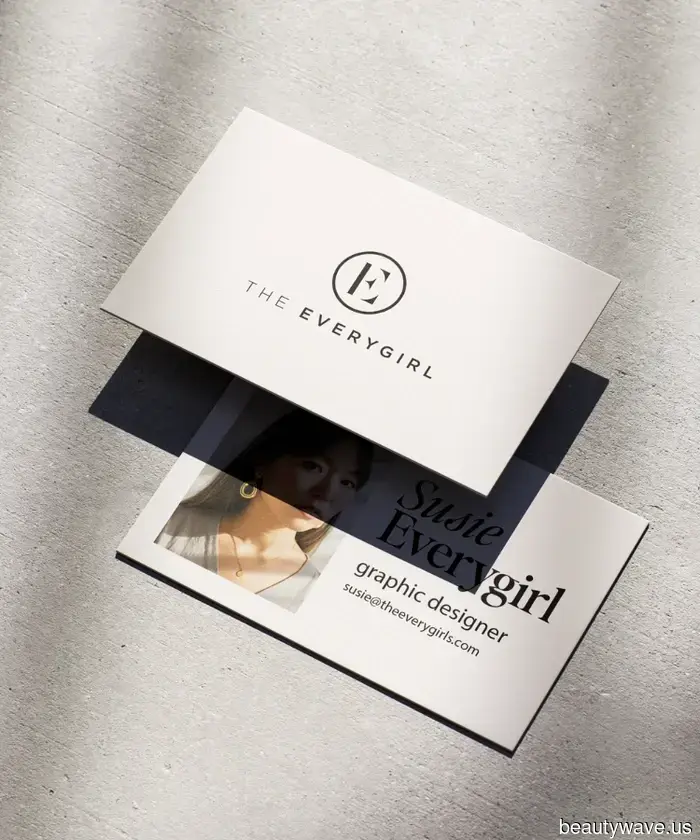
For me, that meant business cards. I’m not a designer, so I wanted something simple yet refined—one of our actual graphic designers introduced me to MOO. They’re known for producing high-quality, customizable products that create impactful first impressions. Designing my cards was straightforward, and the final product felt professional while still representing “me.”
Since I work remotely, I don’t have coworkers to share my information with, so carrying cards has been transformative. I handed one to someone at a local writing workshop, and a week later, they contacted me with a freelance opportunity. It proves that the little details can indeed open doors.
3. Update your online presence
Refreshing my online profiles was long overdue, so I updated my Instagram bio to better reflect my voice and current role, added new writing samples to my LinkedIn and portfolio, and archived several old posts that no longer felt like “me.” Even minor adjustments—changing an outdated headshot, rewriting my bio in a more natural tone, and incorporating a few industry-relevant keywords—gave everything a more polished and intentional feel. I didn’t completely overhaul my profiles; I just fine-tuned them to narrate the story I genuinely want to convey.
If you’ve been postponing this, here’s your prompt: spend an hour reviewing your digital presence with a fresh perspective. Ask yourself: If someone Googled me today, would what they find align with who I am right now? If the answer is no, it’s time for a quick refresh.
4. Concentrate your efforts on the relevant platforms
The internet creates the impression that you need to be everywhere—Instagram, TikTok, LinkedIn, YouTube, newsletters…the list is endless. However, trying to keep up with all of them can lead to burnout. Therefore, I allowed myself the freedom to focus on the platforms that aligned with my objectives and enabled me to highlight my expertise: Substack and Instagram. Currently, my routine consists of one Substack post each week (usually an essay or personal reflection) and a few Instagram stories throughout the week. That’s all—nothing complicated, nothing overwhelming—just a rhythm that feels manageable.
Consistency is key here. I don’t post daily, but I show up frequently enough that people know what to expect. This consistency fosters trust more effectively than attempting to be perfect everywhere all the time.
5. Don’t overthink
Other articles
 The Footwear Taking the Place of Our Black Leather Booties This Fall
Hello, my dear!
The Footwear Taking the Place of Our Black Leather Booties This Fall
Hello, my dear!
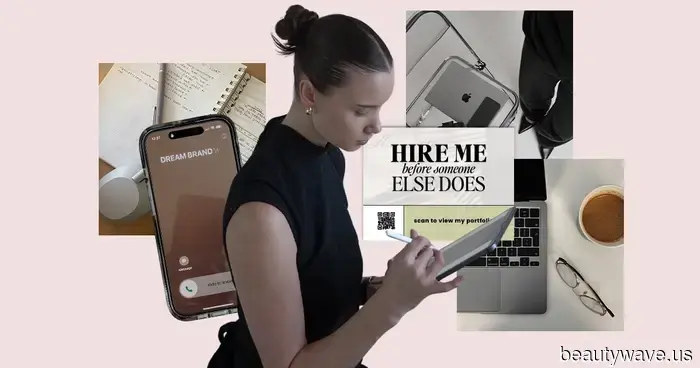 6 Strategies I'm Using to Develop My Personal Brand This Fall
the best version of myself is in progress
6 Strategies I'm Using to Develop My Personal Brand This Fall
the best version of myself is in progress
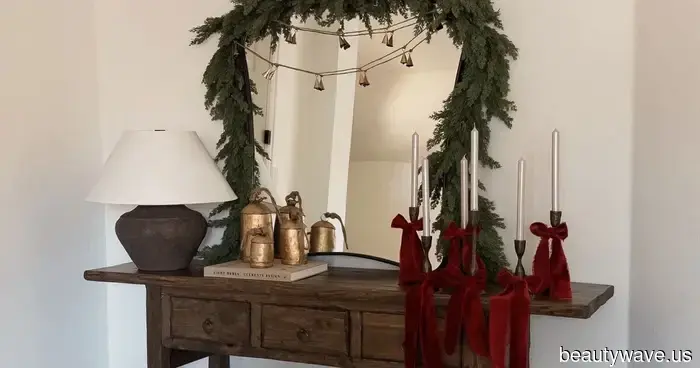 20 Simple Holiday Decoration Styles and How to Replicate Them
time to adorn those halls
20 Simple Holiday Decoration Styles and How to Replicate Them
time to adorn those halls
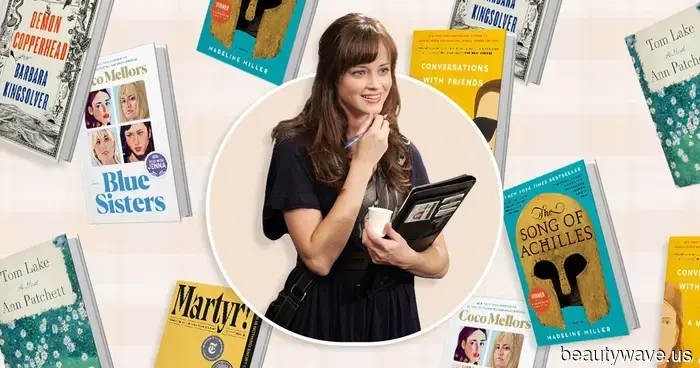 14 Books That Surely Belong on Rory Gilmore’s Shelf in 2025
Have you ever thought about what books Rory Gilmore would include on her TBR list today? We’ve compiled a list of 14 titles that she would definitely pick up.
14 Books That Surely Belong on Rory Gilmore’s Shelf in 2025
Have you ever thought about what books Rory Gilmore would include on her TBR list today? We’ve compiled a list of 14 titles that she would definitely pick up.
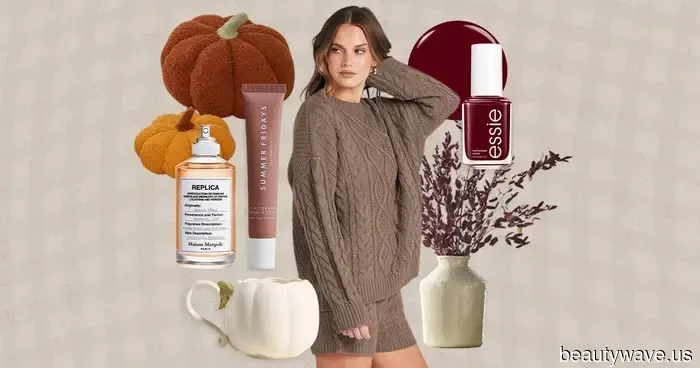 Every Fall Essential You Require to Ensure This Season Becomes the Best One Yet
We've been anticipating this all year long.
Every Fall Essential You Require to Ensure This Season Becomes the Best One Yet
We've been anticipating this all year long.
 Your Autumn Anthem for Sad Girls, According to Your Zodiac Sign
The key to navigating sad girl autumn is undoubtedly music. Here's the melancholy song tailored for you, depending on your zodiac sign.
Your Autumn Anthem for Sad Girls, According to Your Zodiac Sign
The key to navigating sad girl autumn is undoubtedly music. Here's the melancholy song tailored for you, depending on your zodiac sign.
6 Methods I’m Developing My Personal Brand This Autumn
the best version of myself is in progress