
The Bride-to-Bob Pipeline Requires Exploration—Here’s Why Many Cut Short After Exchanging Vows
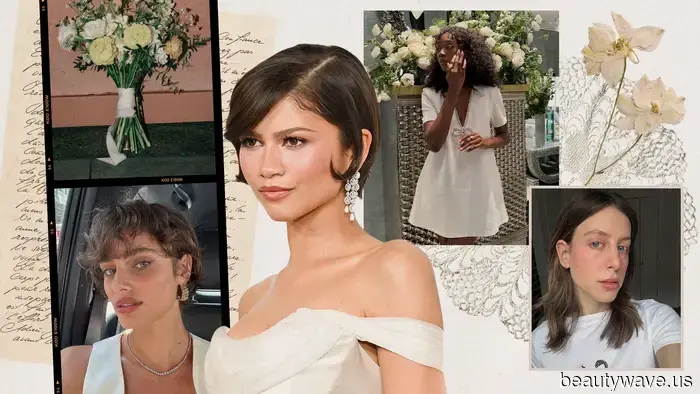
Once the vows are exchanged, the cake is served, and all that meticulous planning has finally paid off, the newlywed bride deserves some quality self-care—a sort of reset, if you will. Some couples choose to dive right into their honeymoon, while others might tackle thank-you notes or browse through early wedding photos, but most find a way to pause and enjoy the happiness that follows the ceremony. Gabi, an e-commerce coordinator who is getting married on April 26, is heading straight to the salon. "I have an appointment to cut my hair into a bob on April 29, three days after the wedding," she shares. It's definitely a way to press the reset button, and Gabi isn’t the only one. While not every bride deliberately plans a post-wedding haircut, a large number (including myself!) opt for a significant chop soon after saying "I do," with some even doing it right after the ceremony for a bold reception statement—be it a bob, lob, pixie, or something in between (ever heard of a bixie?). So, what’s the reason behind this trend?
Let’s start with a practical explanation: many brides (including me) intentionally grow their hair out for their wedding day. "There’s an expectation that bridal hair looks soft, effortless, and romantic, and longer lengths help achieve that," says hairstylist Paul Perez, co-owner of Flore Los Angeles. However, shorter styles can also radiate romance. A stylish bob or pixie is just as timeless, and ultimately, the best bridal hairstyle is one that makes you feel your most beautiful on your special day. For brides-to-be who may not be sure about which style to choose, longer hair generally offers more flexibility to experiment with different trends—twists, updos, and so on. "In fact, you almost always add more hair with extensions," notes celebrity hairstylist Temur Hamilton (who styled my lob about a month ago!).
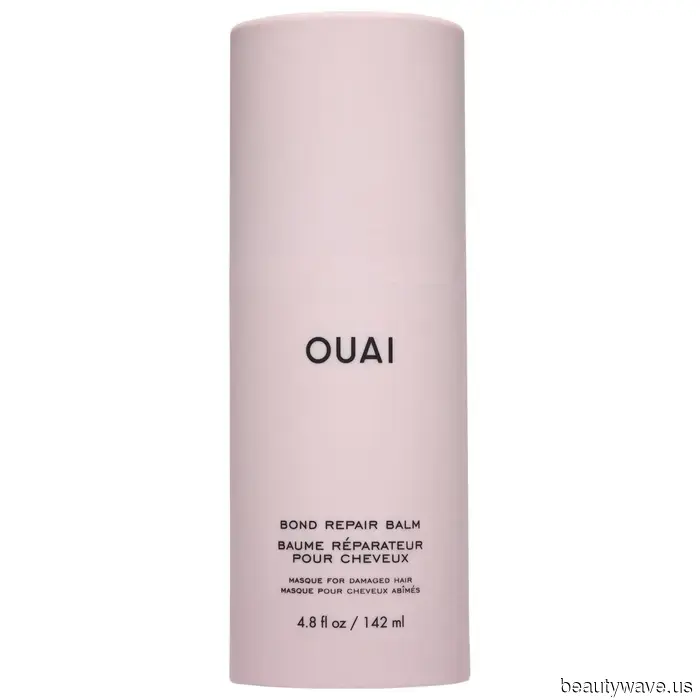
Of course, maintaining longer hair is often time-consuming, so once the wedding is over, it’s understandable that these brides might be ready to ditch that upkeep. Mine felt particularly dry and damaged post-wedding (thanks to highlights, extensions, and a last-minute chemical treatment), so cutting off the damaged ends seemed like the right choice.
This three-minute hair mask has become my go-to for damage repair.
However, neuropsychologist Sanam Hafeez, PsyD, points out that there’s more to the phenomenon of brides opting for shorter hairstyles than meets the eye. "In my practice, clients often mention it casually, like they don't realize it's significant. 'I just felt like cutting it after the wedding,'" she explains. "When we take a moment to reflect, there’s usually something deeper. A subtle release. A reclaiming of self after months of essentially being a walking event."
Unless you’re a celebrity who often attends red-carpet events, there are likely very few occasions in your life when you spend hours in the salon chair for an event that’s heavily photographed. Even celebrities known for their red carpet appearances have participated in this trend. Take model Taylor Hill, who married private equity investor Daniel Fryer in June 2023; by that September, she was rocking a textured pixie. And while we can't confirm if Zendaya and Tom Holland *actually* got married, it’s worth noting she showcased a noticeably shorter bixie just days after stylist Law Roach claimed they were married at the 2026 Actor Awards. Coincidence? Maybe, but I'm adding her haircut to my list of reasons that theory seems plausible. (She was also spotted at the Louis Vuitton fall/winter 2026 show wearing a gold wedding band on her left hand. I digress!)
For brides, the pressure is high and even amidst love and joy, the event can understandably lead to some overwhelm. "One of my very best friends chopped her hair off six weeks after her wedding," Hafeez shares. "When I asked why, she laughed and said, 'I felt like myself again.' She struggled to articulate it, but I understood."
Sometimes, it's possible to experience the happiest life changes and still feel as though you're at a threshold, eager to mark that transition. Hair is closely connected to identity, and when it shifts, it’s common to feel the urge for a haircut to signify that internal change. This is akin to the "breakup bangs" stereotype, where a drastic haircut signifies shedding the past, but a major chop doesn’t always have to reflect trauma. As Hafeez puts it, "it signifies a transition." While breakup bangs signal a detachment—literally cutting off a piece of your previous self—"bridal bobbing is more nuanced, less about escaping and more about arriving," she explains. "But the core idea is similar: I’m a new version of myself, and I need my external appearance to align with my

Other articles
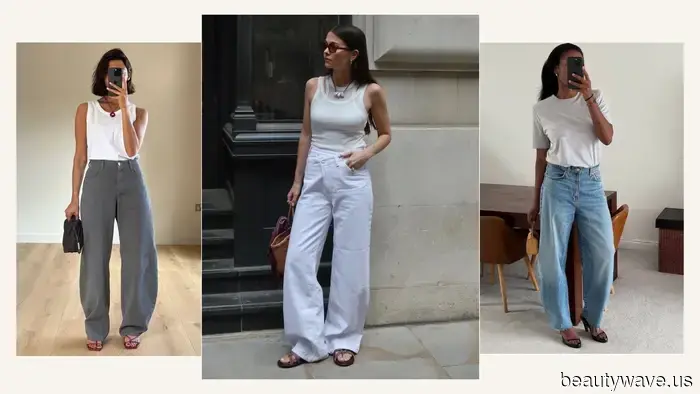 I’ve conducted the research—here are the most stylish sandals to pair with barrel-leg jeans.
Here are the top sandals to pair with barrel-leg jeans, ranging from stylish flip-flops to sleek toe-strap sandals.
I’ve conducted the research—here are the most stylish sandals to pair with barrel-leg jeans.
Here are the top sandals to pair with barrel-leg jeans, ranging from stylish flip-flops to sleek toe-strap sandals.
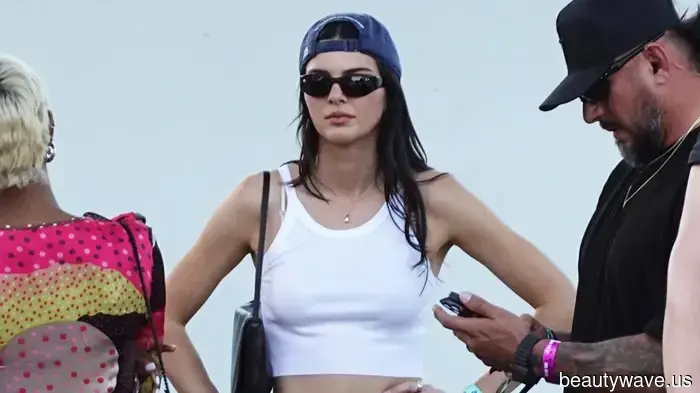 Seen on Kendall at Coachella: The Denim Shorts Trend Making a Comeback and No Longer Outdated
Whenever she wears something, it becomes fashionable again.
Seen on Kendall at Coachella: The Denim Shorts Trend Making a Comeback and No Longer Outdated
Whenever she wears something, it becomes fashionable again.
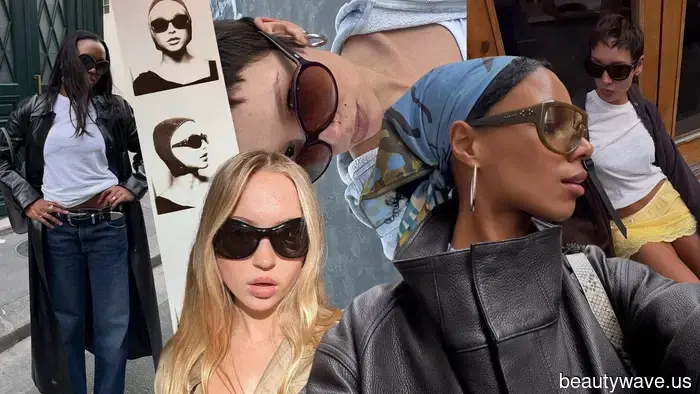 Rather than Aviators or Ovals, this 2000s sunglasses trend gives an outfit a 2026 peak appearance.
Move over, micro oval sunglasses. The newest craze among Gen Z is the oversized, insect-like frames, marking the most significant accessories trend for spring 2026.
Rather than Aviators or Ovals, this 2000s sunglasses trend gives an outfit a 2026 peak appearance.
Move over, micro oval sunglasses. The newest craze among Gen Z is the oversized, insect-like frames, marking the most significant accessories trend for spring 2026.
 I Tested the Viral Vibration Plate—Here’s What It Truly Did to My Body.
Here’s what the specialists are saying. Additionally, our assistant editor tried one out herself and shared her candid opinion.
I Tested the Viral Vibration Plate—Here’s What It Truly Did to My Body.
Here’s what the specialists are saying. Additionally, our assistant editor tried one out herself and shared her candid opinion.
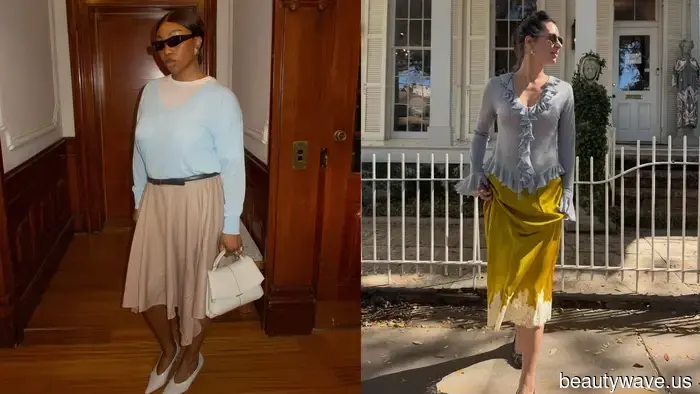 Here are the surprising color combinations that everyone stylish is already sporting this spring.
From icy blues and neutral tones to reds and purples, these are the trendiest color combinations shaping spring fashion. Explore the vibrant and stylish pairings within.
Here are the surprising color combinations that everyone stylish is already sporting this spring.
From icy blues and neutral tones to reds and purples, these are the trendiest color combinations shaping spring fashion. Explore the vibrant and stylish pairings within.
 How Renee Montgomery is Influencing the Future of the WNBA
The Second Life Podcast features an interview with Renee Montgomery, a former WNBA player who is also the co-owner and vice president of the Atlanta Dream.
How Renee Montgomery is Influencing the Future of the WNBA
The Second Life Podcast features an interview with Renee Montgomery, a former WNBA player who is also the co-owner and vice president of the Atlanta Dream.
The Bride-to-Bob Pipeline Requires Exploration—Here’s Why Many Cut Short After Exchanging Vows
The post-wedding haircut is a reality.