
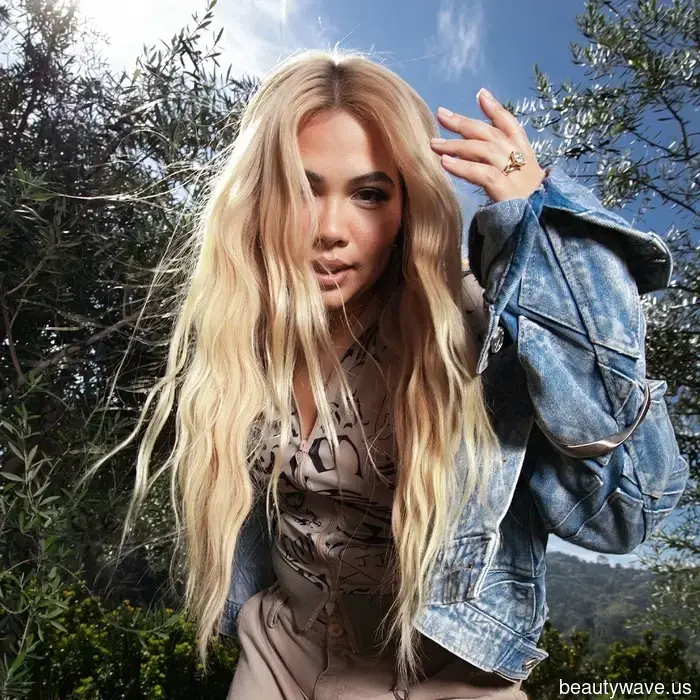
"Girls Like Girls" is Hayley Kiyoko's heartfelt tribute to her younger self.
In 2015, Hayley Kiyoko launched her single "Girls Like Girls" along with a viral music video featuring Stefanie Scott as Coley, a 17-year-old trying to navigate her feelings for her female friend Sonya (Kelsey Chow). This empowering anthem for queer women marked a significant breakthrough for Kiyoko. Since its debut on YouTube, the video has garnered 163 million views and more than 171 thousand comments, with many fans urging Kiyoko to expand the universe she created. In 2023, the artist published "Girls Like Girls," a New York Times best-selling novel celebrated for its depiction of sapphic youth, yet Kiyoko's ultimate ambition was to develop a feature-length film. After eight years of efforts, "Girls Like Girls" will finally be released in theaters this month. Despite the obstacles encountered during the film's development, Kiyoko believes it to be the truest representation of the story about Oregon teens Coley and Sonya. Similar to the music video, the film features Kiyoko in a leading role, along with fresh talents Maya da Costa and Myra Molloy, who deliver memorable performances filled with vulnerability. The film beautifully captures the universal emotional turmoil of pursuing a crush, complemented by a nostalgic atmosphere and a summer-inspired soundtrack. Ultimately, Kiyoko's "Girls Like Girls" shines in its final execution.
(Image credit: Grace Scuitto) Can you take me back to when you wrote your viral hit "Girls Like Girls" in 2015? What did it symbolize for you at that time? It was a rainy day in Los Angeles in 2015, and I recall one of my cowriters, [Lily-May Young], asking, "What is the thing you're most afraid to share with the world?" I cried and admitted, "I'm gay." It was the first time I had openly come out to any coworkers, and we crafted a song about my desire to feel confident approaching women and "stealing kisses from your missus." It was my expression of wanting to embrace self-love and self-worth. It's incredible to see how it started, from the music video to the book, and now the most genuine version of this story, the feature film. What prompted you to transform the music video into a novel? Why that format? The numerous comments like, "We need this as a feature film" and "I want to learn more" made me realize there was a significant gap in media representation for sapphic women that I wanted to address. Expanding the narrative of Coley and Sonya and incorporating my own story of falling for a girl in high school through their lens was very exciting for me. It was crucial for me to provide that representation, especially as a half-Japanese, half-white individual growing up in Los Angeles. In the book, I made Coley half-Japanese and half-white to explore her internal struggles in greater depth. Growing up queer while hiding it can be a silent journey as you share it with few people. Thus, the book became a way for me to depict my experiences as a queer teenager navigating early love and how significant it felt. When you love someone, you think, "I'm going to marry this person." So, when I finally directed the film, I approached it from a mature perspective. Even though our protagonists are young women, at 16 or 17, you often feel like you're 35, believing you know everything. This approach was vital to me. I understand it took around eight or nine years to get the film greenlit. What hurdles did you encounter during that time? Many people don't grasp the filmmaking process and how lengthy and challenging it can be. It involves asking: How do you create a compelling story? How do you finance it? Who will fund it? How do you convince others to believe in you as an inexperienced filmmaker and to take a chance on a story that may resonate with a community? For eight years, I faced numerous rejections, uncertainties, and instances like, "We nearly shot it, but lost our funding" or "We can’t film there anymore." It felt complete when I finally received the green light, and we began shooting the film.
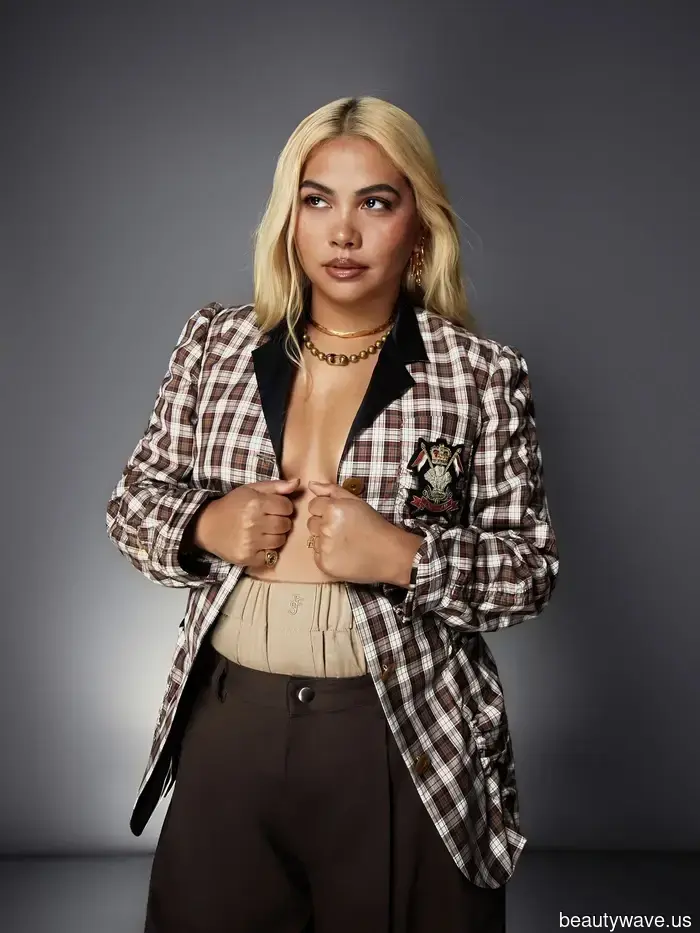
(Image credit: Grace Scuitto)Your first directorial credit was for the "Girls Like Girls" music video, and now your first feature film as a director is "Girls Like Girls." How have you evolved as a director and artist in that time? I think I began directing out of necessity. I co-directed "Girls Like Girls" with Austin Winchell in 2015, and I realized, "Oh my gosh, I love directing." I've always been doing it without recognizing it. Since then, I've directed 11 of my music videos and developed a passion for storytelling and world-building. However, as a woman of color, I faced the question of how to actually direct a feature film and build trust with
Other articles
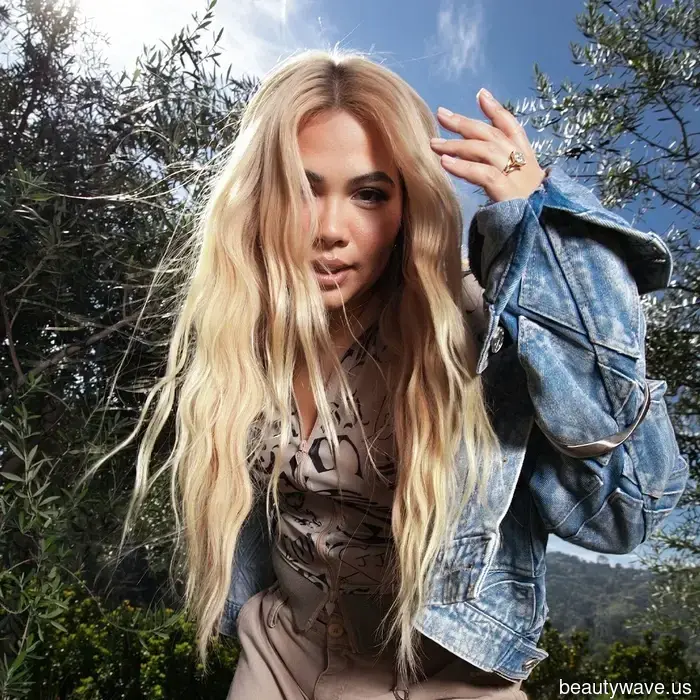 "Girls Like Girls" is Hayley Kiyoko's heartfelt message to her younger self.
Who What Wear interviews Hayley Kiyoko regarding her journey of transforming her 2015 hit single "Girls Like Girls" from a viral music video into a bestselling novel and then into a feature film.
"Girls Like Girls" is Hayley Kiyoko's heartfelt message to her younger self.
Who What Wear interviews Hayley Kiyoko regarding her journey of transforming her 2015 hit single "Girls Like Girls" from a viral music video into a bestselling novel and then into a feature film.
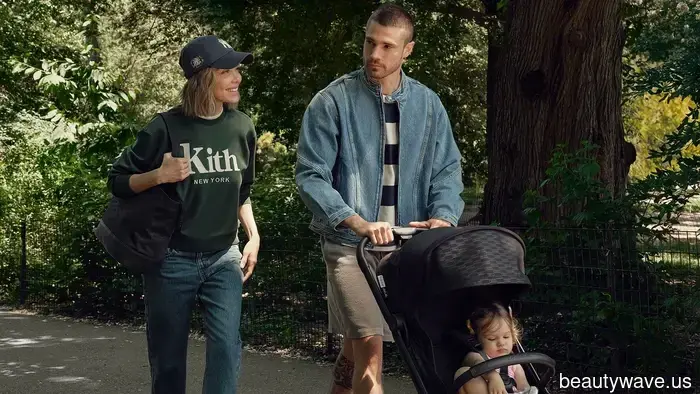 As a parent working in the fashion industry, I find this collaboration on designer strollers to be absolutely fantastic.
Alright, Bugaboo and Kith.
As a parent working in the fashion industry, I find this collaboration on designer strollers to be absolutely fantastic.
Alright, Bugaboo and Kith.
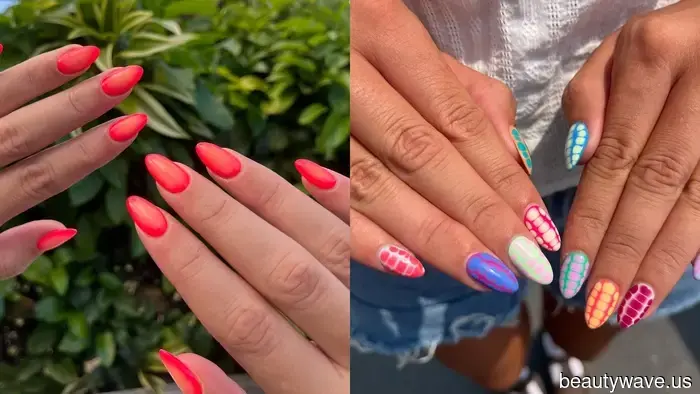 I’ve been saving ideas for vibrant summer nails—12 designs I’m adding to my manicure wish list.
Lively, striking, and attention-grabbing! Check out 12 suggestions for vivid summer nails to inspire your upcoming manicure.
I’ve been saving ideas for vibrant summer nails—12 designs I’m adding to my manicure wish list.
Lively, striking, and attention-grabbing! Check out 12 suggestions for vivid summer nails to inspire your upcoming manicure.
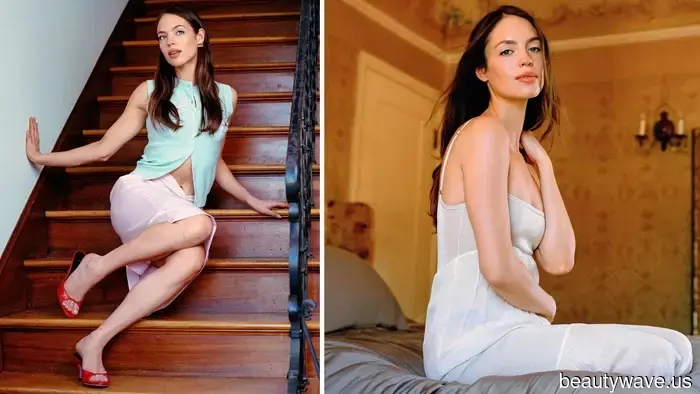 Whatever Claudia Sulewski is promoting, we're all in for it.
The founder of Cyklar, who is also an actress and director, is an exceptional storyteller.
Whatever Claudia Sulewski is promoting, we're all in for it.
The founder of Cyklar, who is also an actress and director, is an exceptional storyteller.
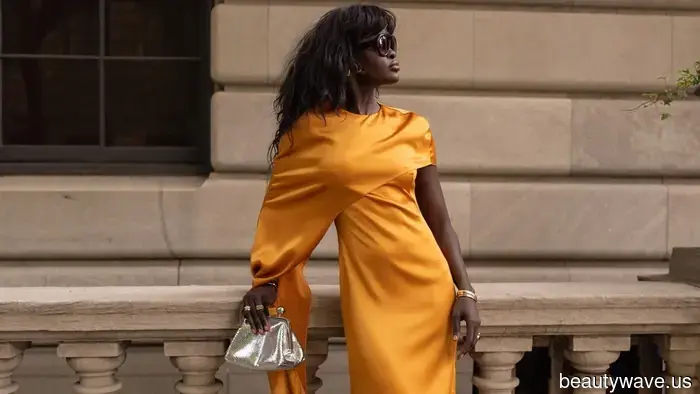 I Recommend Hurrying to Zara—These Wedding Guest Dresses Are Set to Be Sold Out by July 1
Zara's latest collection of wedding guest dresses is nearly unbeatable. Explore the satin, halter, and eye-catching styles that fashion enthusiasts will don throughout the season.
I Recommend Hurrying to Zara—These Wedding Guest Dresses Are Set to Be Sold Out by July 1
Zara's latest collection of wedding guest dresses is nearly unbeatable. Explore the satin, halter, and eye-catching styles that fashion enthusiasts will don throughout the season.
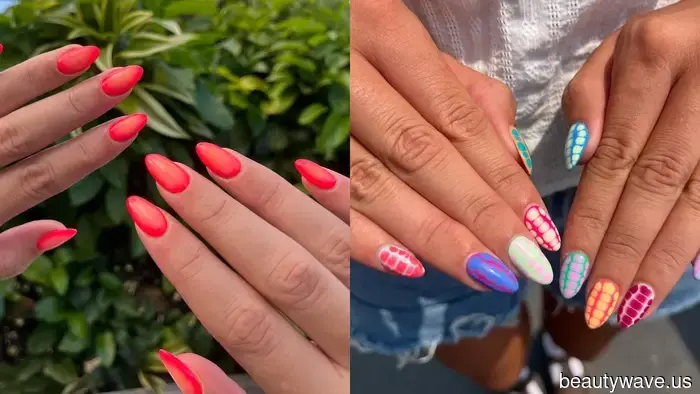 I've been saving ideas for vibrant summer nails—12 designs I'm including on my manicure wish list.
Radiant, striking, and attention-grabbing! Check out 12 ideas for colorful summer nails to inspire your upcoming manicure.
I've been saving ideas for vibrant summer nails—12 designs I'm including on my manicure wish list.
Radiant, striking, and attention-grabbing! Check out 12 ideas for colorful summer nails to inspire your upcoming manicure.
"Girls Like Girls" is Hayley Kiyoko's heartfelt tribute to her younger self.
Who What Wear interviews Hayley Kiyoko about the journey of her 2015 hit single "Girls Like Girls," evolving from a viral music video to a best-selling novel and now to a feature film.