
Inside Herbert Levine's Second Act and the Visionary Making it Happen
Luxury fashion often showcases remarkable comeback stories, with each season bringing back another dormant brand, featuring a well-curated archive, an inspiring mood board, and the promise of relevance for a new audience. However, the revival of shoe brand Herbert Levine feels distinctly different. Rather than merely being rediscovered, this 20th-century label has staged a true resurrection.
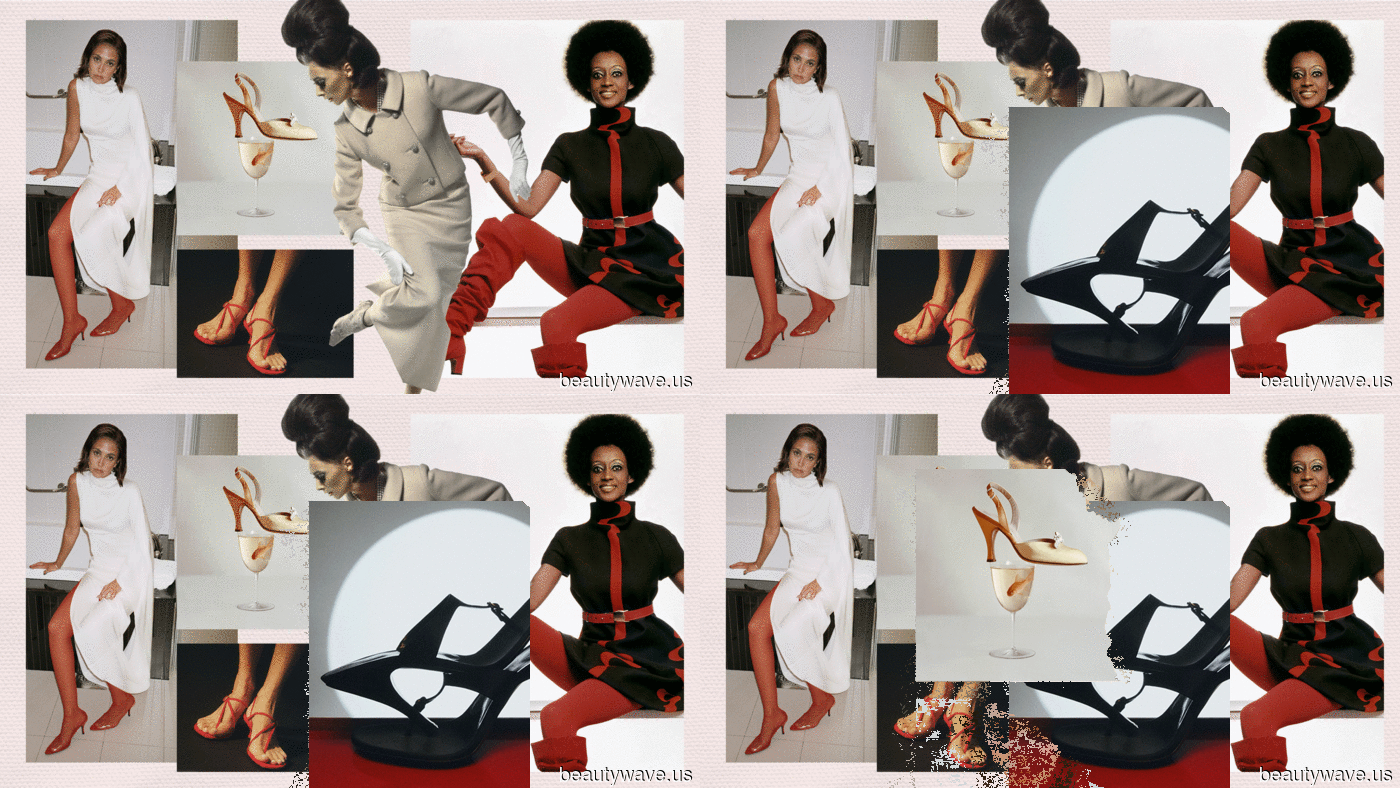
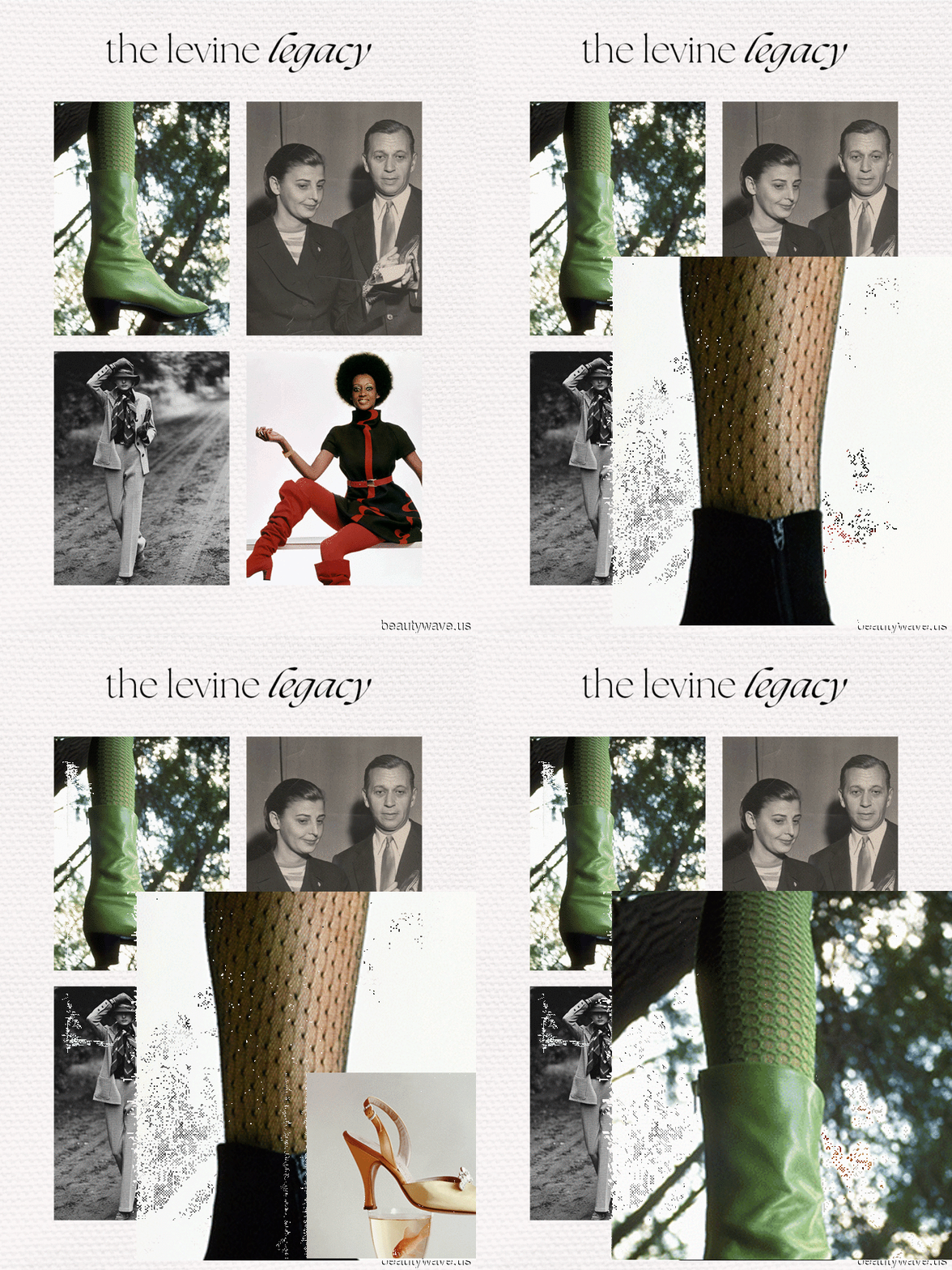
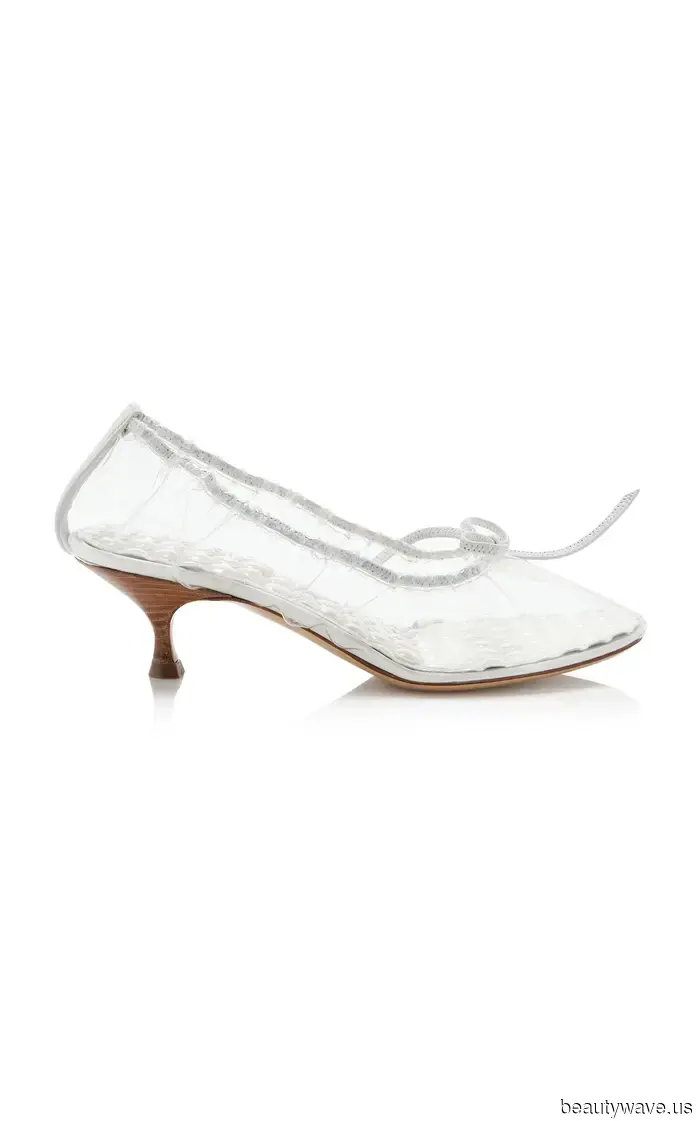
For nearly fifty years, Herbert Levine existed more as a piece of fashion folklore than an active entity. Established in New York in 1948 by Herbert and Beth Levine, the brand became a hallmark of innovative American footwear. Beth Levine, the creative mind behind the label, approached shoe design with both industrial curiosity and artistic vision, introducing transparent shoes, sculptural heels, and fashion boots long before they adorned the likes of Cher, Liza Minelli, or Jacqueline Kennedy Onassis. Manolo Blahnik famously referred to her as "the most influential American shoe designer of the 20th century."
The label quietly closed in 1975, largely due to demands to compromise on manufacturing quality and costs to remain competitive within the broader accessories industry, as noted by Anna Thomson-Wilson, daughter of the founders. Thus, when investors opted to breathe new life into the brand fifty years later, they recognized that simply replicating Beth's classic silhouettes wouldn’t suffice. They required someone who truly understood the brand's foundational significance.
Enter Trevor Houston. The 36-year-old boasts a résumé that mirrors a tour of the most influential shoe departments in modern fashion—having worked with Marc Jacobs, Coach, Tory Burch, The Row, and Khaite, all of whom have benefitted from his keen design vision (those popular lattice jelly flats from last year? Credit goes to Houston). His appointment to revive the brand feels almost preordained; long before stepping into the role of creative director for Herbert Levine, he was a passionate collector with a New York apartment filled with vintage pairs and an almost academic appreciation for Beth Levine's creations.
"Probably 65 percent of the shoes that I collect are Herbert Levine," Houston shared with Vogue shortly after his appointment. His lifelong fascination wasn’t just a personal pastime—it ultimately led Luvanis, the investment group driving the revival, to recruit him.
While it may seem like a bold assertion, this notion becomes increasingly persuasive upon exploring Beth's archive. Her designs exuded whimsy without crossing into novelty, showcased technical sophistication while maintaining wearability, and embodied a uniquely American sense of optimism—balancing art with everyday luxury.
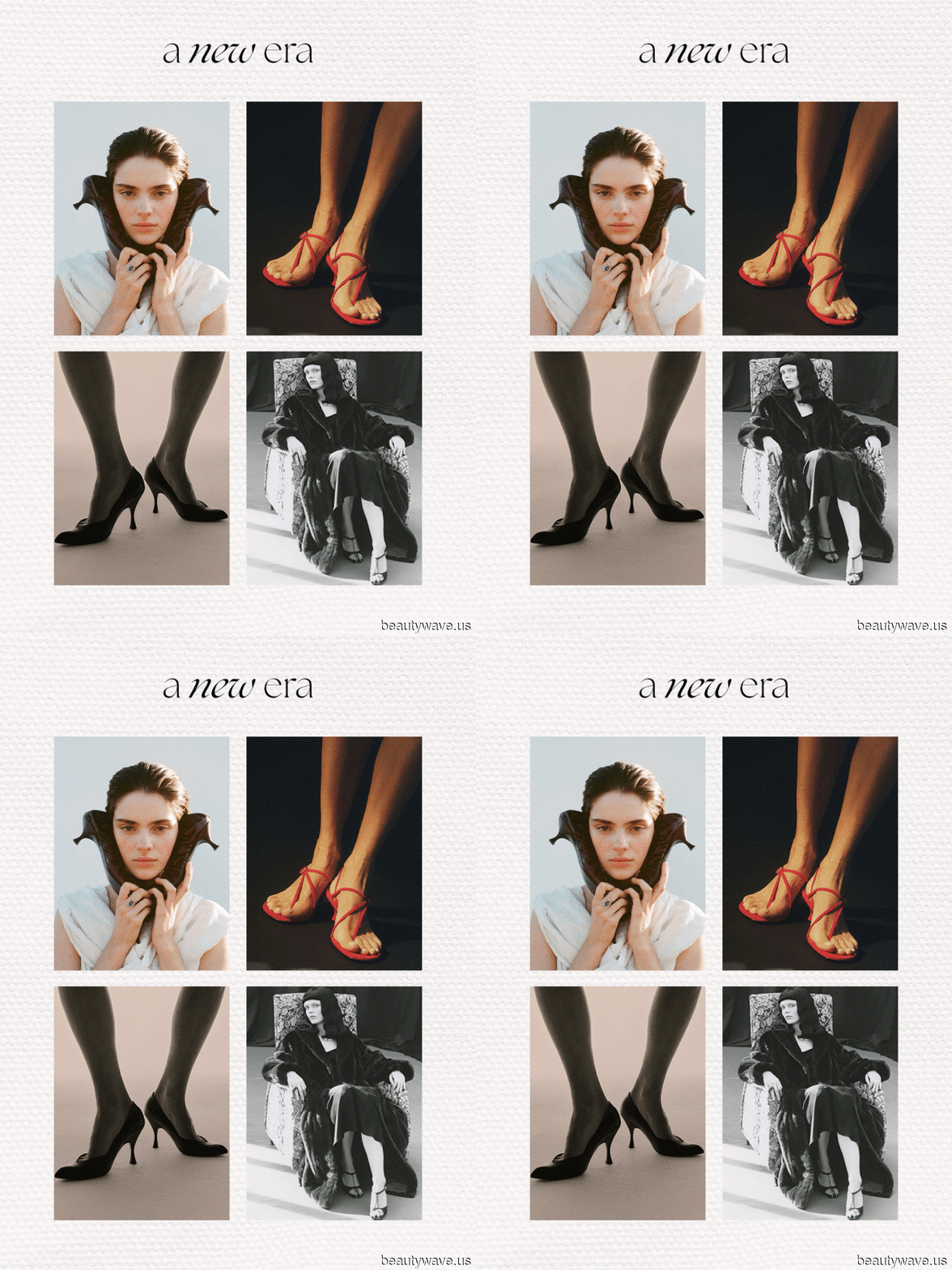
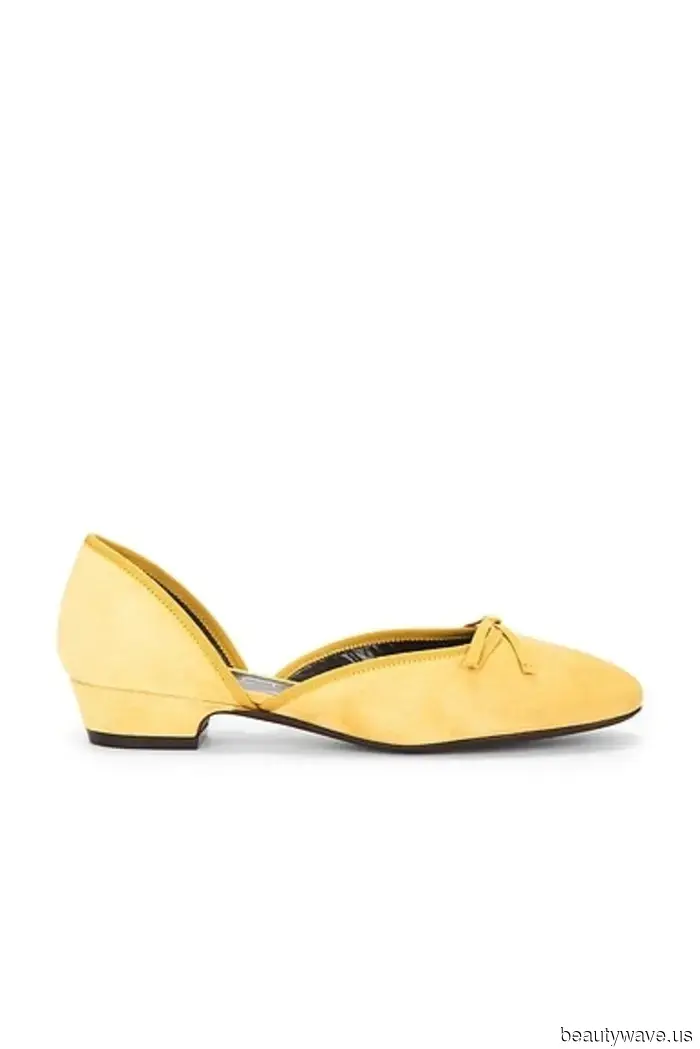
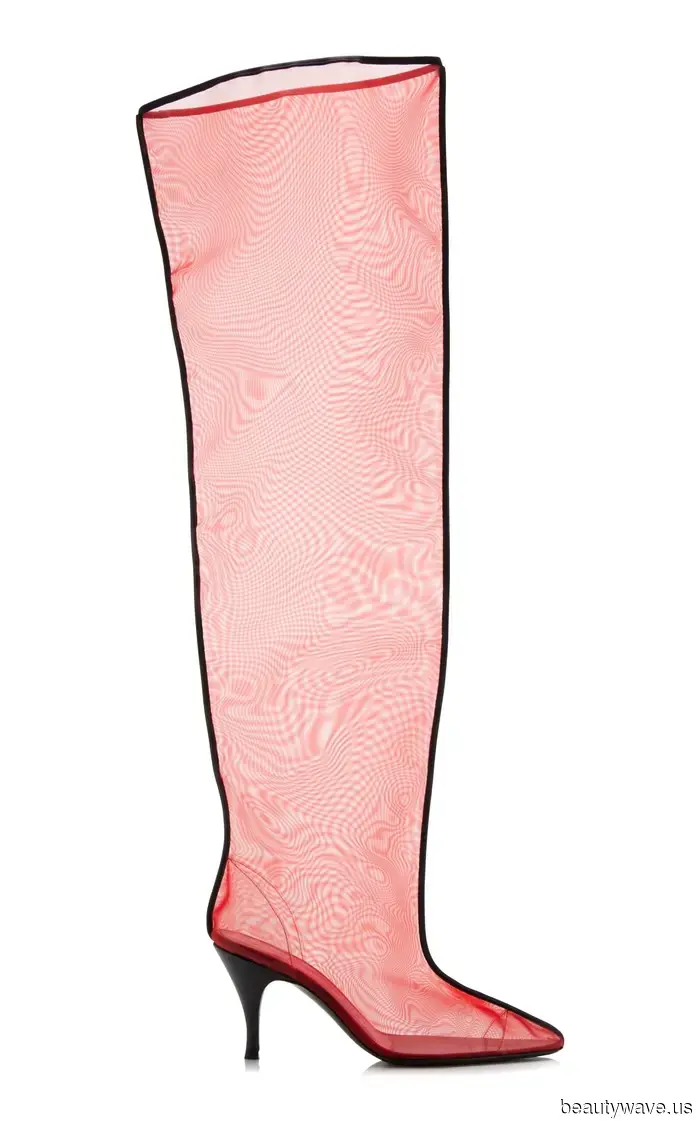
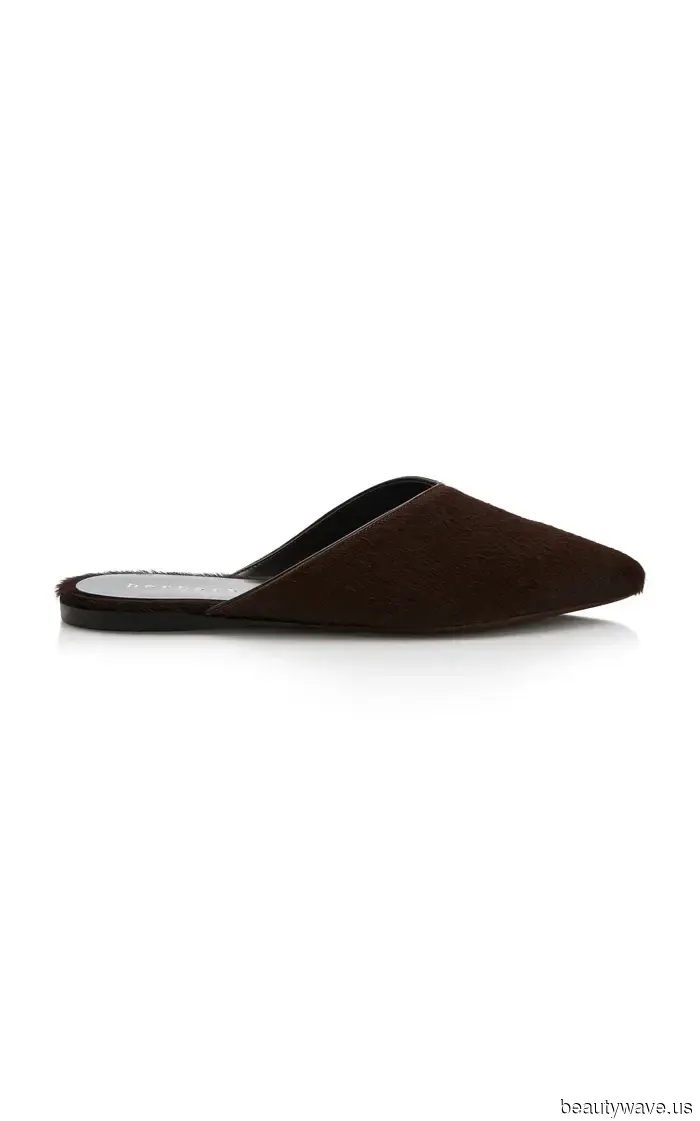
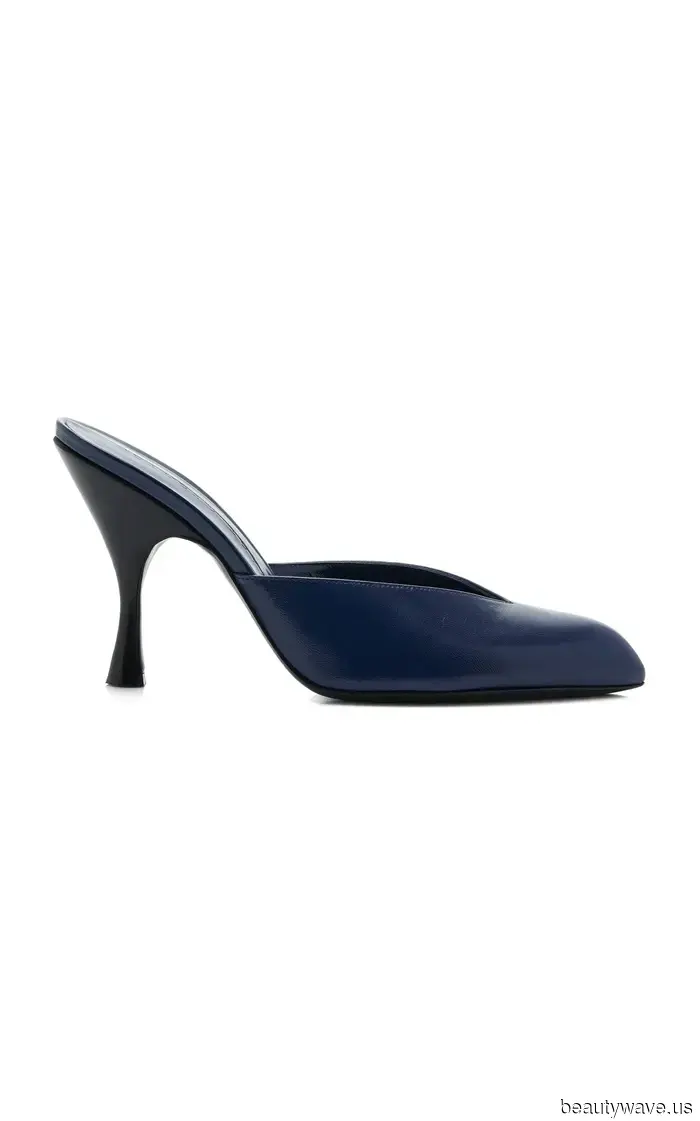
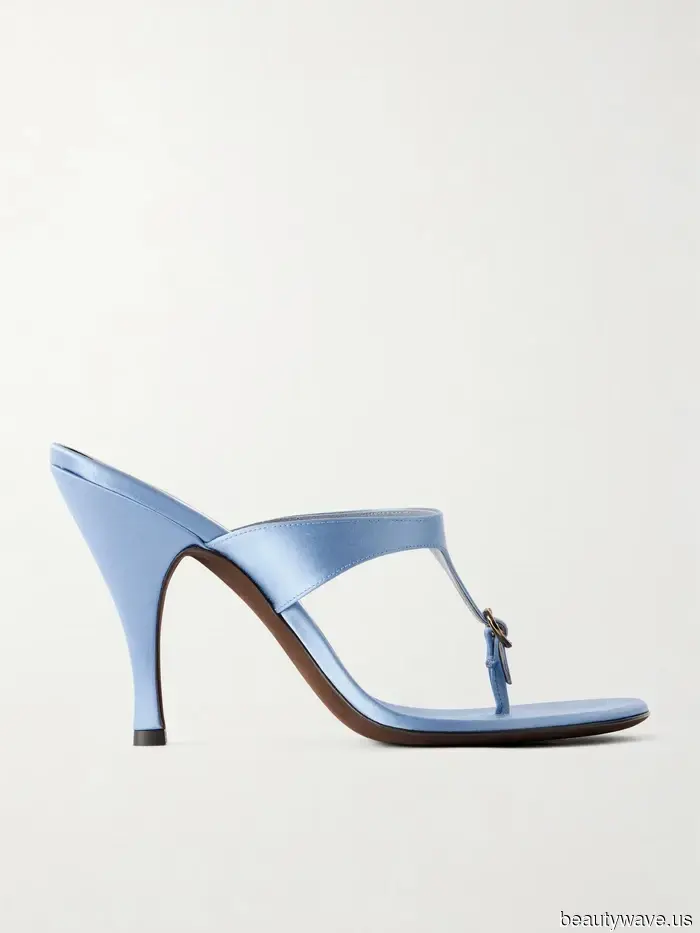
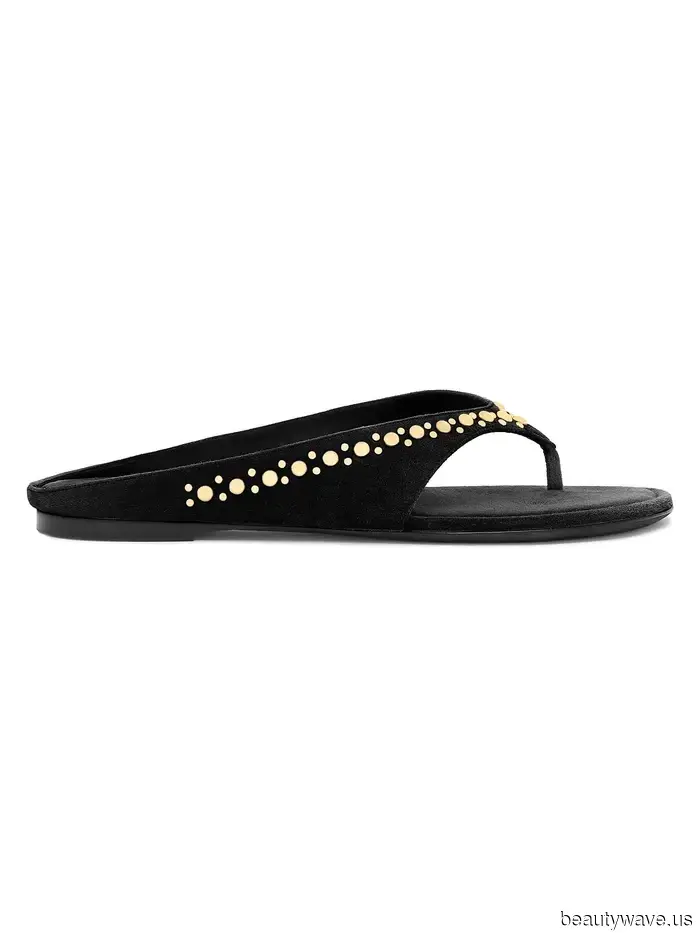
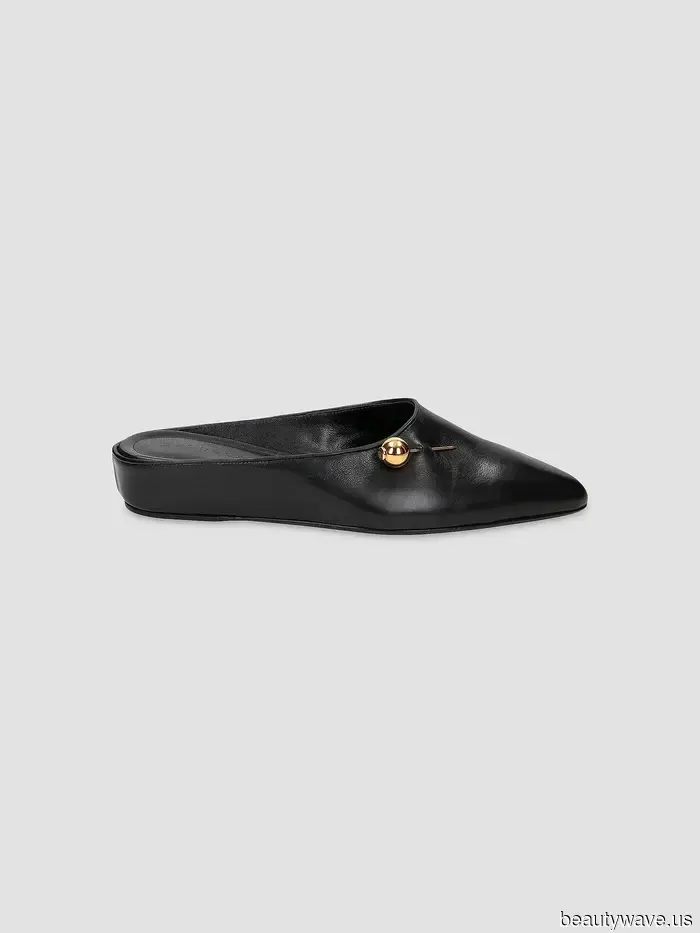
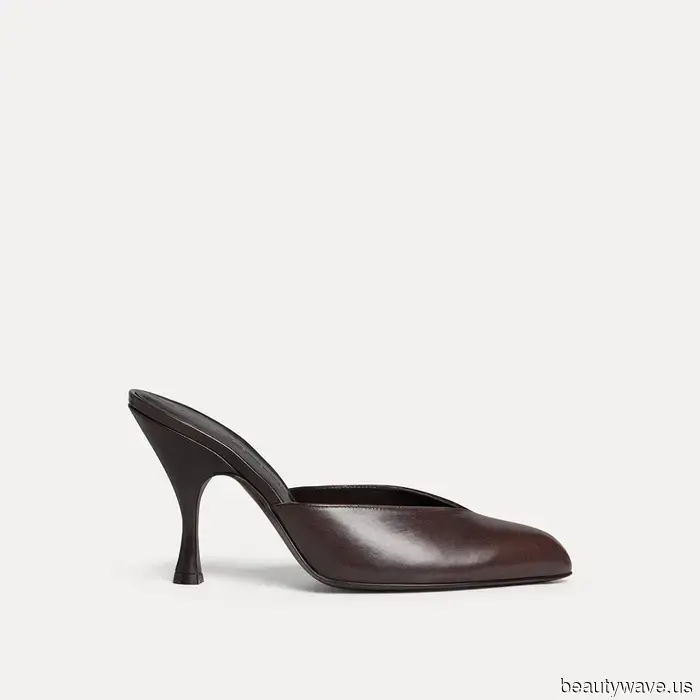
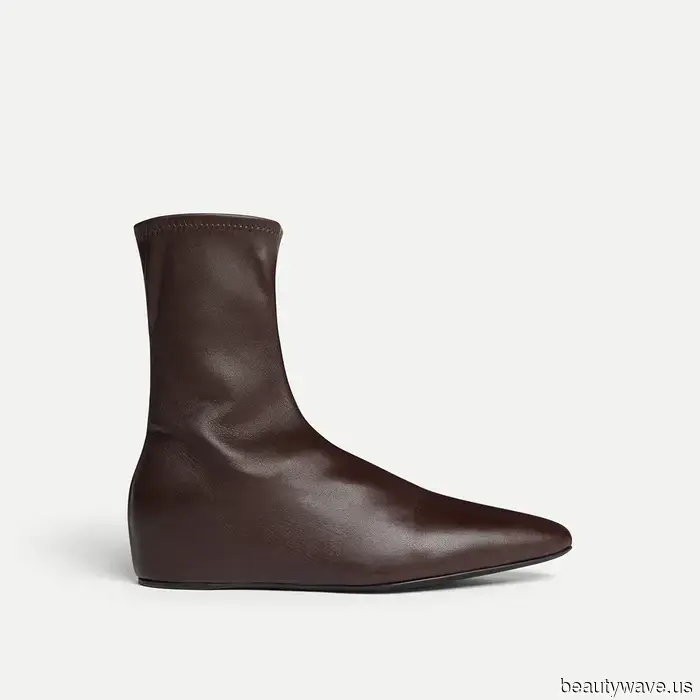
Houston's task wasn’t about recreating those designs exactly but rather about reviving their spirit. The result is a collection that feels familiar in its philosophy. Pumps feature dramatically deep V-shaped vamps, sheer knee-high boots reference Beth's love of transparency without veering too retro, and sculptural flip-flops, softly ruched heels, and unexpected proportions pay homage to the original brand’s playful DNA while resonating with today’s fashion audience.
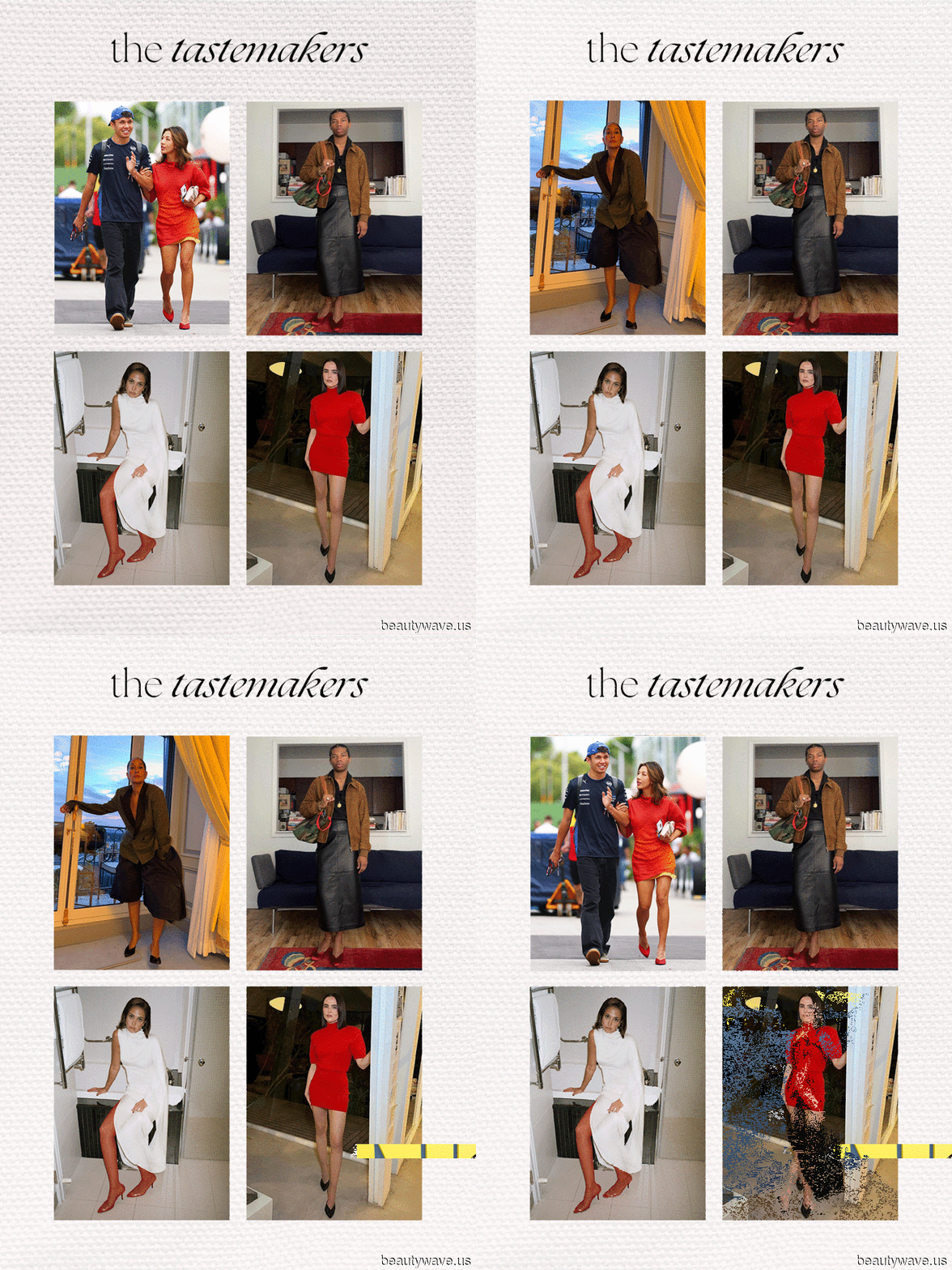
This approach feels particularly relevant as fashion has entered a phase where the most sought-after accessories aren't always the loudest—they are often those that reveal their allure gradually. The modern "cool girl" prioritizes intelligent design over conspicuous logos, seeking pieces that capture the attention of fellow fashion enthusiasts from across the room.
The original brand may have closed in 1975, but its concepts never vanished. Beth Levine’s innovations have been preserved in museum collections, fashion textbooks, and the designs of numerous successors. Today’s revival doesn’t seek to convince consumers that the archive merits another look; instead, it argues that the archive was always anticipating the future.
In many respects, Houston’s key contribution has been to resist the urge to overly articulate that legacy. Instead, he has transformed it into an instinctive experience: shoes that are a touch smarter, a bit more unconventional, and infinitely more memorable than the plethora of minimalist pumps currently populating the luxury market.
This approach is grounded in confidence rather than nostalgia—the belief that originality never truly fades. While Herbert Levine may be embarking on its second act, under Trevor Houston’s leadership, it doesn't merely feel like a revival; it feels like a narrative that was patiently awaiting fashion's evolution.
Other articles
 5 Chic Summer Accessories That Everyone Aiming for a Stylish Look Should Have
Browse the incredibly versatile items that are definitely worth the initial investment.
5 Chic Summer Accessories That Everyone Aiming for a Stylish Look Should Have
Browse the incredibly versatile items that are definitely worth the initial investment.
 I Reassembled 6 Summer Outfits Inspired by It-Girls Using Items I Discovered Online.
Believe me—these styles are simpler to replicate than you might imagine.
I Reassembled 6 Summer Outfits Inspired by It-Girls Using Items I Discovered Online.
Believe me—these styles are simpler to replicate than you might imagine.
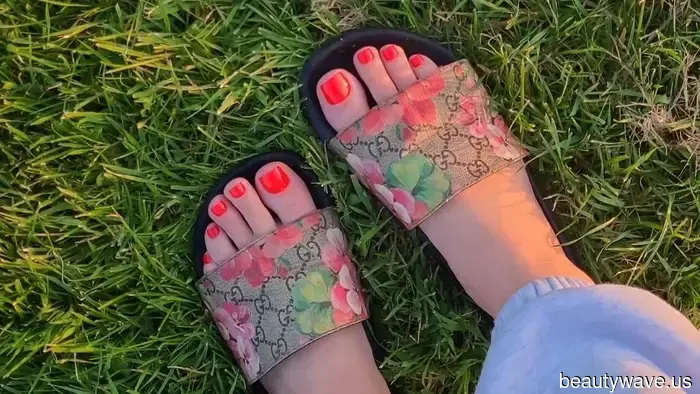 Hold the Red—It Girls Are Combining Black Sandals With This More Stylish, Bold Pedicure Color.
Don't shoot the messenger!
Hold the Red—It Girls Are Combining Black Sandals With This More Stylish, Bold Pedicure Color.
Don't shoot the messenger!
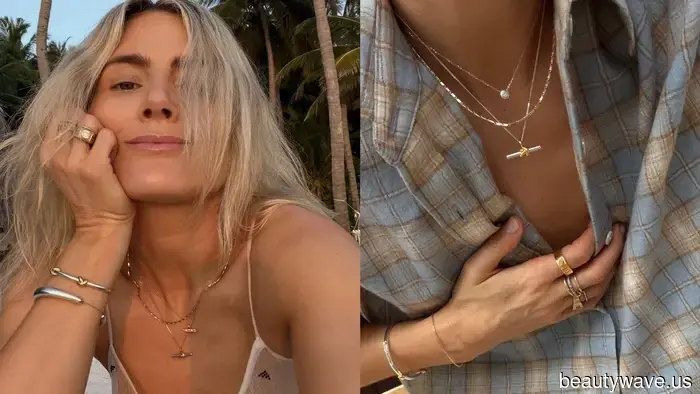 All of my favorite fashion icons depend on this specific jewelry trend to enhance the cool factor of their classic outfits.
It functions perfectly every time.
All of my favorite fashion icons depend on this specific jewelry trend to enhance the cool factor of their classic outfits.
It functions perfectly every time.
-Never-Have-to-Rebuy.jpg) "Purchase Quality or Repurchase Poorly": 8 Fundamental Investments That You’re (Probably) Never Going to Need to Buy Again
Eternal, stylish, and resistant to trends.
"Purchase Quality or Repurchase Poorly": 8 Fundamental Investments That You’re (Probably) Never Going to Need to Buy Again
Eternal, stylish, and resistant to trends.
Inside Herbert Levine's Second Act and the Visionary Making it Happen
Learn about the resurgence of the luxury shoe brand Herbert Levine.