

Looking to diminish dark spots? Here are 13 products that truly deserve your attention.
I don’t typically scrutinize my skin in the mirror every day, but it’s hard to ignore the gradual appearance of dark spots on my skin over the past few years. I've had pigmentation issues since my teenage years from post-acne scars, but after experiencing two rounds of pregnancy melasma and some additional discoloration post-summer, I’m beginning to feel a bit self-conscious about it. Since sun exposure often makes pigmentation more pronounced—whether it be existing spots darkening or new discolorations appearing—I believe I'm not the only one feeling this way.
Hyperpigmentation refers to areas of skin that become darker than the surrounding skin due to increased melanin production. It’s a broad term that isn’t a diagnosis on its own but indicates various underlying conditions, and treatment depends on the specific cause," says consultant dermatologist Dr. Faraz Imran from The Skin Investment Clinic. "Thus, while remedies for acne marks might not be suitable for melasma or sun spots, the treatment will vary based on the cause."
What triggers hyperpigmentation? While various factors can contribute, experts generally agree that excessive sun exposure is the principal cause, which is why daily SPF is crucial. "UV exposure increases melanin production, a primary trigger for hyperpigmentation," states skin health expert Holly Mason. "Inflammation from acne, cuts, or eczema can also result in dark marks, while hormonal fluctuations—especially during pregnancy or with hormonal contraceptives—can induce melasma. Moreover, certain medications and irritating skincare products can exacerbate the issue."
According to experts, the most vital treatment for preventing and treating hyperpigmentation is a broad-spectrum SPF used daily. "Without sun protection, pigmentation often returns despite using active ingredients," explains Dr. Imran. As for active ingredients, the most potent treatment is hydroquinone, which Dr. Imran notes is prescription-only in the UK due to its strength and should thus be used under medical guidance. Thankfully, there are several effective over-the-counter alternatives for treating discoloration. "Vitamin C, niacinamide, and azelaic acid are excellent for brightening and soothing pigmentation, and tranexamic acid has gained popularity specifically for melasma," Mason adds. "Retinoids and gentle chemical exfoliants like glycolic or lactic acid also aid in promoting cell turnover, but I recommend gradually incorporating these into your routine rather than applying them all at once."
How long will it take to see results? If you're seeking a swift solution for hyperpigmentation, you may be disappointed—managing it is more of a long-term endeavor. "Skin cell turnover takes about a month, so most people won’t observe visible changes for six to 12 weeks," says Mason, who emphasizes the significance of maintaining a skincare routine. "Consistency is far more crucial than any individual ‘miracle’ product, and sporadic use won’t effectively diminish stubborn pigmentation," she notes. Dr. Imran concurs: "Most evidence-based treatments require patience. Early improvements may be noticeable after six to eight weeks, but substantial progress usually takes around three to six months of consistent treatment and diligent sun protection. Melasma, in particular, is a chronic condition that often recurs, necessitating ongoing treatment," Dr. Imran explains.
The Best Products for Hyperpigmentation:
- Best SPF for Pigmentation: Eucerin Sun Pigment Control SPF50+ (£24)
- Best Brightening Hyperpigmentation Product: SkinCeuticals C E Ferulic (£169)
- Best Overnight Treatment: The Inkey List Tranexamic Acid Night Treatment (£17)
- Best for Stubborn Dark Spots: Murad Rapid Dark Spot Correcting Serum (£83)
- Best for Uneven Tone: Alpha-H Liquid Gold + Vitamin C (£51)
1. **La Roche-Posay Mela B3 Facial Gel Cleanser**
- Best cleanser for pigmentation
- This cleanser may not be your first thought for hyperpigmentation treatment, but it effectively incorporates brightening ingredients into the initial step of your routine. It includes La Roche-Posay’s patented Melasyl molecule, niacinamide, and a gentle PHA to cleanse, lightly exfoliate, and improve the appearance of uneven tone. It’s a great starting point if you want to begin addressing pigmentation without immediately using a strong treatment.
- Pros: Gentle gel texture; potent ingredients
- Cons: Wash-off formula limits skin contact time
2. **Eucerin Sun Pigment Control SPF50+**
- Best for protecting against pigmentation
- Prevention is just as crucial as treatment concerning hyperpigmentation, making a high-protection SPF essential. Eucerin’s Pigment Control fluid combines SPF50+ with thiamidol, designed to target melanin production and reduce dark spots. It’s particularly beneficial for anyone whose pigmentation worsens with sun exposure, and regular protection helps prevent UV exposure from negating the


Other articles
 I’m Already Feeling the Autumn Vibes—5 Chic Outfits to Transition into the New Season
Knitwear paired with sporty shorts and trench coats combined with satin tops—these are the effortlessly chic combinations I'm imitating to transition from summer to autumn.
I’m Already Feeling the Autumn Vibes—5 Chic Outfits to Transition into the New Season
Knitwear paired with sporty shorts and trench coats combined with satin tops—these are the effortlessly chic combinations I'm imitating to transition from summer to autumn.
 The Row's sold-out flats are now back in stock—and they're set to be a trend this autumn.
The Stella ballet flats have been loved by celebrities and fashion enthusiasts since their launch. They are now available again.
The Row's sold-out flats are now back in stock—and they're set to be a trend this autumn.
The Stella ballet flats have been loved by celebrities and fashion enthusiasts since their launch. They are now available again.
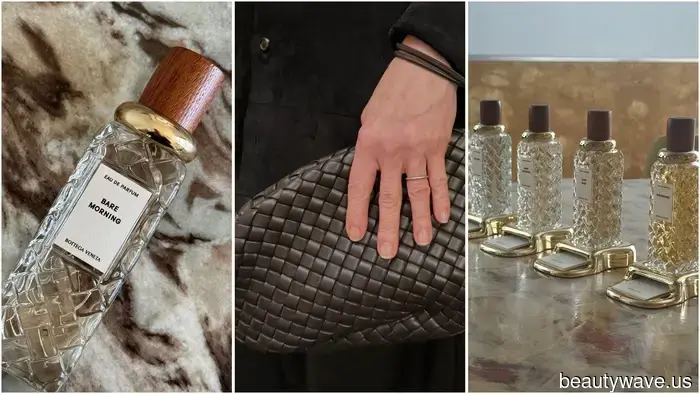 I may not own a Bottega bag, but this fragrance gives me the sensation of having one.
Now I have a luxurious scent.
I may not own a Bottega bag, but this fragrance gives me the sensation of having one.
Now I have a luxurious scent.
 5 Outfits I'm Putting Together From Zara Using the Most Luxurious-Looking New Arrivals
Zara's new arrivals section is now brimming with a variety of simple yet stylish essentials that can be combined to produce countless outfit options.
5 Outfits I'm Putting Together From Zara Using the Most Luxurious-Looking New Arrivals
Zara's new arrivals section is now brimming with a variety of simple yet stylish essentials that can be combined to produce countless outfit options.
Looking to diminish dark spots? Here are 13 products that truly deserve your attention.
The products you should be aware of.