
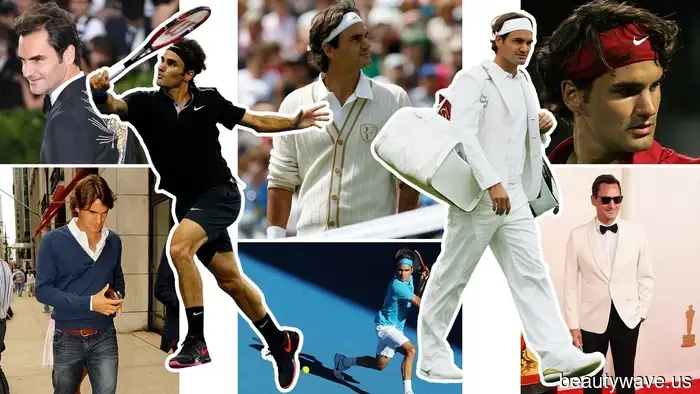
Exploring the Fashion Legacy of Roger Federer
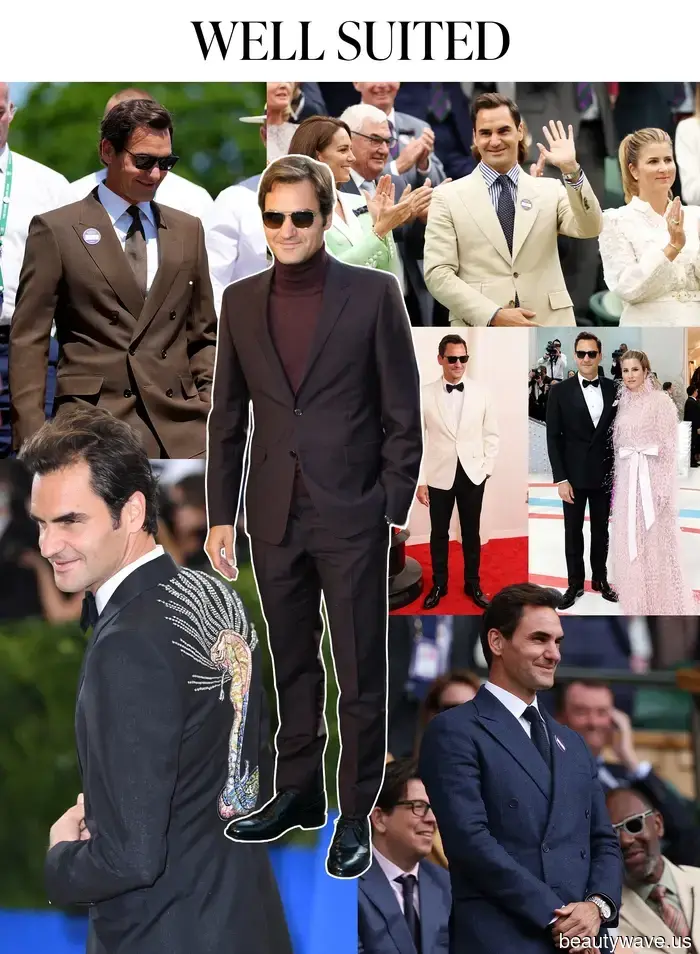
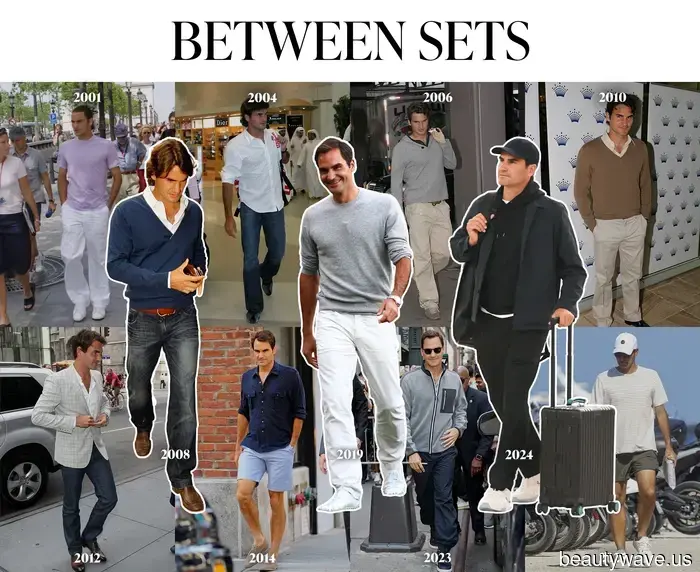
I have been extolling Roger Federer's style since my teenage years. When I was 15, I wrote to Vogue's Letters From Readers to express my admiration for Federer's photo shoot by Mario Testino in the December 2006 issue. To my surprise, my letter was published, featuring my name in Vogue before I even finished high school. Now, decades later, as a full-time fashion editor with thousands of bylines, few experiences have been as thrilling as that moment. This brings me to say that I'm particularly qualified to explore Federer's fashion legacy, although I sought additional insights by interviewing several well-dressed ATP players about his influence, including Stefanos Tsitsipas, Jack Draper, Tomás Martín Etcheverry, and Zhizhen Zhang. I also gathered expert opinions from various executives and journalists: Nicolas Cessot, Uniqlo's marketing head; Caitlin Thompson, Racquet magazine’s founder; and Jessica Schiffer, founder of Hard Court.
Now, four years after his retirement, this week felt like an ideal moment for a fashion retrospective on the 20-time Grand Slam champion. On August 25, Federer participated in an exciting one-night exhibition at Arthur Ashe Stadium just before the US Open, which has become a major fashion event in recent years. Yesterday, on August 29, Federer was inducted into the International Tennis Hall of Fame during a stylish ceremony in Newport, Rhode Island, where some of his iconic tournament outfits are now showcased. Federer still holds the record for the most consecutive weeks at No. 1 (237 weeks, to be precise), but to me, he remains the best-dressed tennis player of all time.
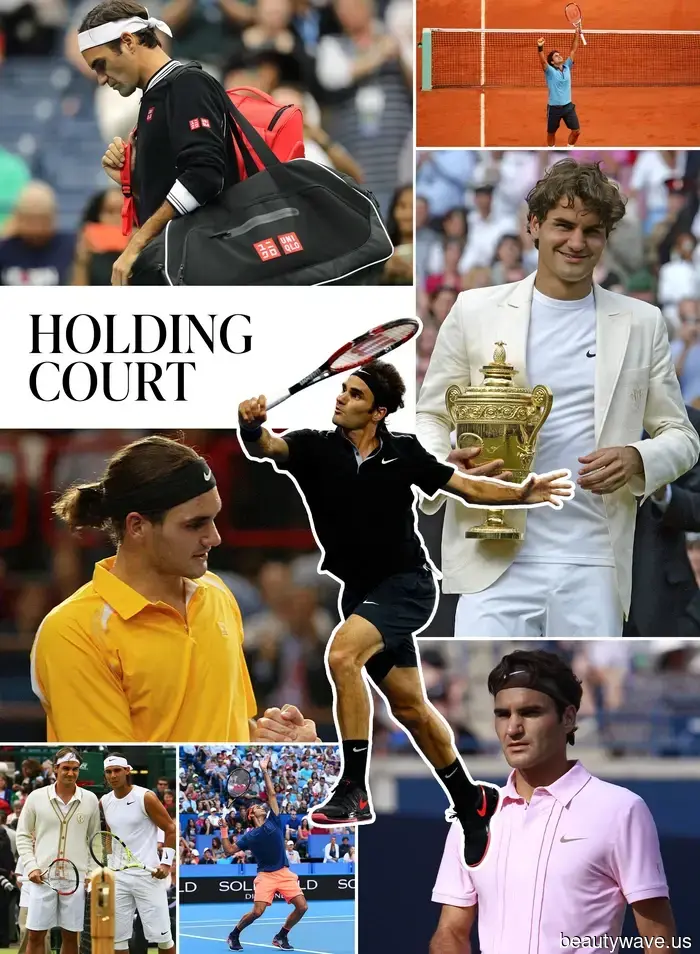
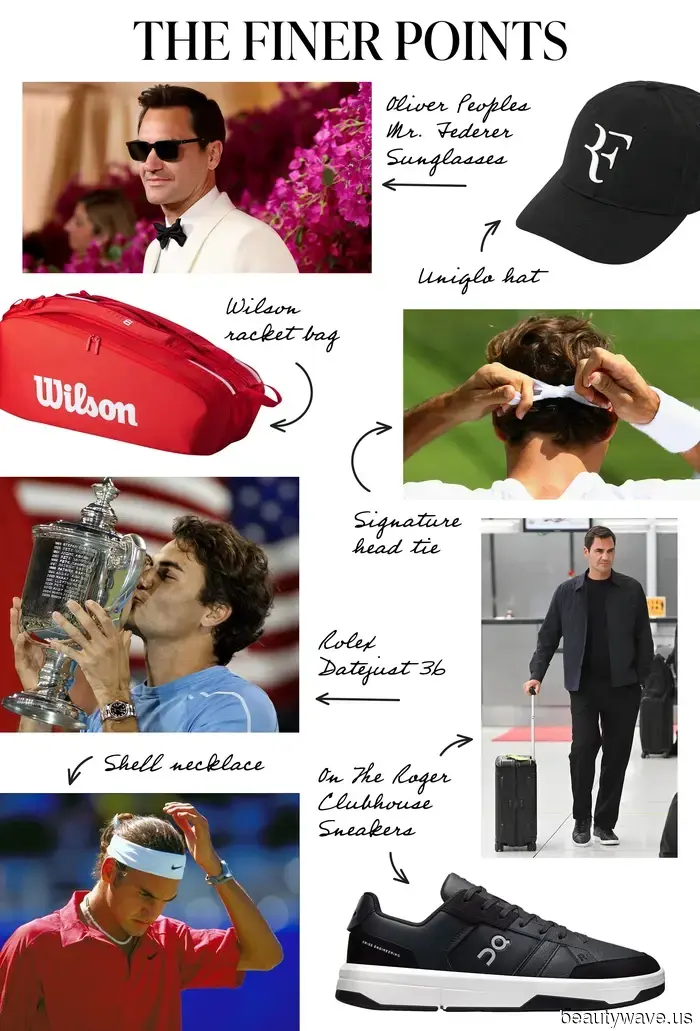
When discussing Federer's style evolution on the court, nothing was more significant than his decision in 2018 to switch from Nike to Uniqlo. Before this, major tennis stars like Rafael Nadal, Serena Williams, Andy Murray, and Maria Sharapova were affiliated with Nike and Adidas. Rather than opting for a brand with strong tennis roots like Lacoste or K-Swiss, Federer chose Uniqlo, a brand that had only recently entered the tennis world.
"Roger Federer represents much more than just athletic success," Nicolas Cessot from Uniqlo shared with Who What Wear. "He embodies longevity, elegance, discipline, and global appeal—qualities that align closely with Uniqlo's LifeWear philosophy of designing timeless, high-quality clothing for everyone." After hearing Cessot's description of Federer's style as "refined, effortless, and timeless," the choice to collaborate with him becomes clear.
Federer's significant move to Uniqlo opened doors for other brands not typically associated with tennis to enter the market. Currently, Free People's FP Movement sponsors Emma Navarro, Sloane Stephens, and Sofia Kenin; Vuori has partnered with Jack Draper; Lululemon has signed Frances Tiafoe; and Boss dresses Taylor Fritz and Matteo Berrettini. A notable shift occurred when Lululemon, known for its yoga wear, became the official outfitter of the BNP Paribas Open in Indian Wells, California, in 2026, replacing Fila, a staple in tennis since the 1970s due to Björn Borg.
Another pivotal fashion moment was Federer’s choice to wear an off-white blazer at Wimbledon in 2006. "It was odd to see him in a sports coat over a Nike tennis shirt and shorts," a fan remarked on Tennis Warehouse's forum. "It just looked so out of place. Why not a track jacket like other players?" This selection was indeed groundbreaking. "The looks he showcased at Wimbledon were unparalleled at the time in the tennis world," noted Stefanos Tsitsipas. "He set a standard and laid a strong foundation for men's fashion on the tennis court."
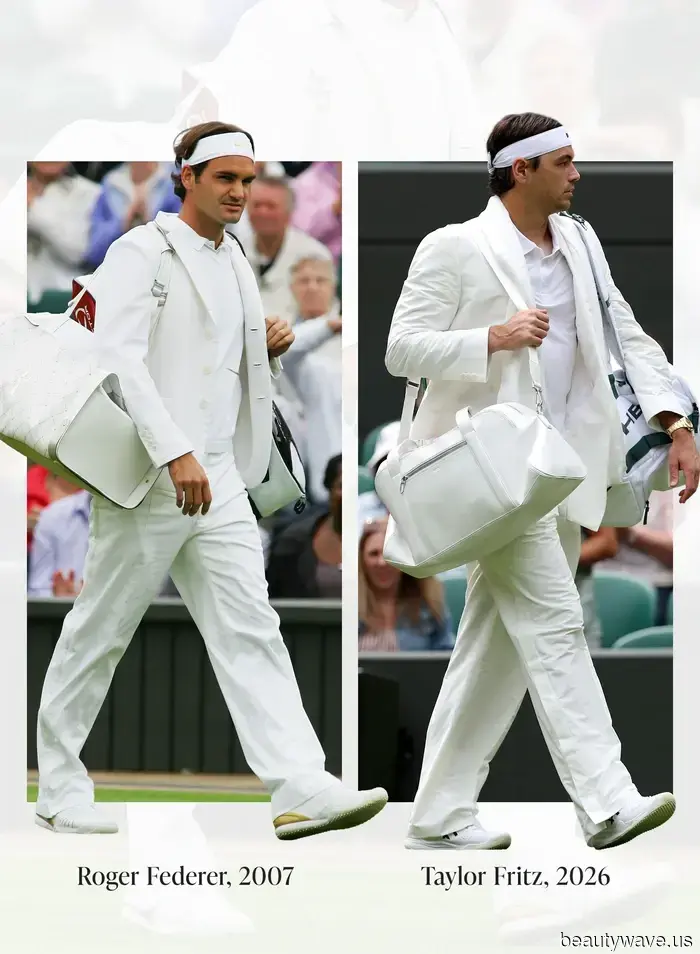
The following year at Wimbledon, Federer further refined his approach with a cohesive head-to-toe ensemble, meticulously color-coordinated.
Federer's enduring fashion legacy was evident at Wimbledon in June 2026, when sixth-seed Taylor Fritz donned a recreation of Federer’s 2007 outfit from the tournament. Federer's outfit was crafted by Nike, while Fritz's was designed by Boss. "Boss came to me with this concept, and I thought it looked great," Fritz explained to the Tennis Channel. "If you wear an outfit like this, you just need to avoid an early exit; otherwise, you might look foolish. … Ultimately, no one pulls it off quite like Federer."
Jack Draper echoed Fritz's sentiments. "For me, it was the most iconic Federer outfit. It perfectly matched his style—always clean and classic. That moment really stands out; it highlights his greatness and the unique way he wore certain pieces, which created a remarkable aura around him." Zhang agreed, stating that Federer's '07 Wimbledon look is "an excellent example of how he has significantly influenced the tennis court as a platform for personal style, establishing a precedent
Other articles
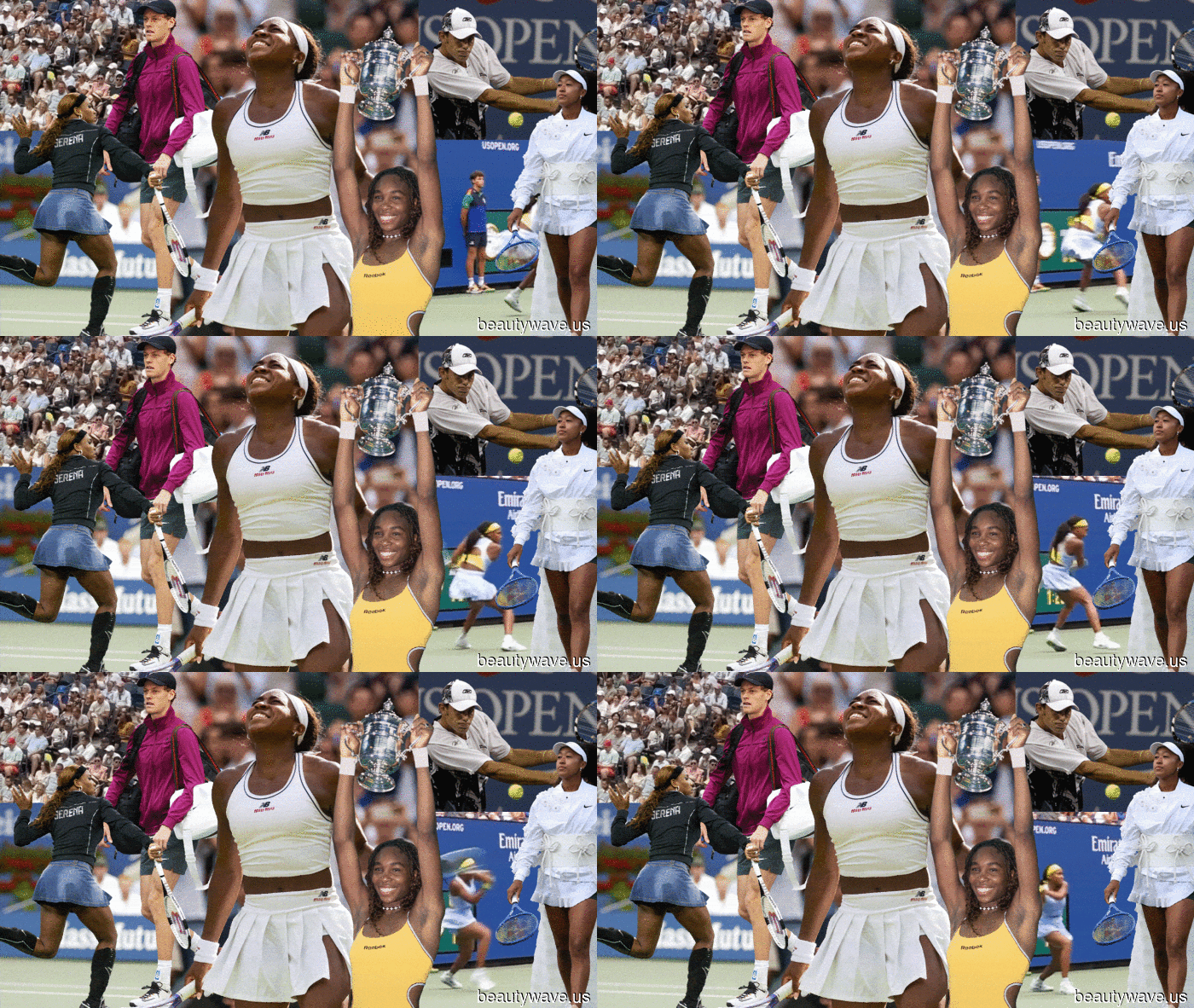 All You Need to Know About the 2026 US Open
From fashion partnerships to essential matches to view.
All You Need to Know About the 2026 US Open
From fashion partnerships to essential matches to view.
 It's Back: To Achieve a Chic Bohemian Fashion Look This Autumn, Incorporate These 8 Items
Long live the bohemian style.
It's Back: To Achieve a Chic Bohemian Fashion Look This Autumn, Incorporate These 8 Items
Long live the bohemian style.
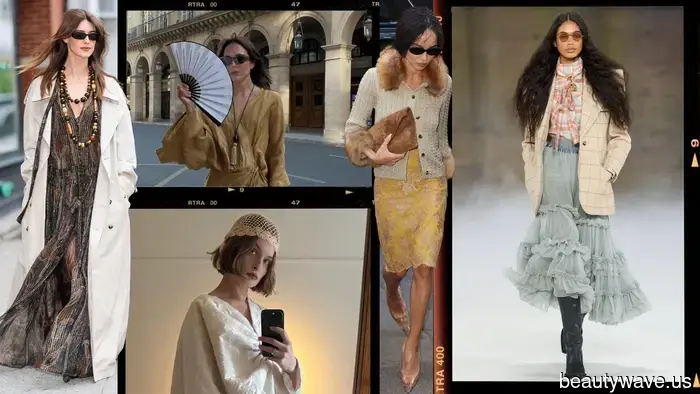 It's Return: To Achieve a Chic Bohemian Fashion Look This Autumn, Incorporate These 8 Items
Long live bohemian style.
It's Return: To Achieve a Chic Bohemian Fashion Look This Autumn, Incorporate These 8 Items
Long live bohemian style.
.jpg) I'm implementing 5 strategic beauty swaps for fall—here’s each one of them (some are even discounted).
I'm fortunate.
I'm implementing 5 strategic beauty swaps for fall—here’s each one of them (some are even discounted).
I'm fortunate.
 I Dislike Making Returns, So Here's My Foolproof Shopping List for Fall 2026
You're welcome to duplicate this carefully selected list.
I Dislike Making Returns, So Here's My Foolproof Shopping List for Fall 2026
You're welcome to duplicate this carefully selected list.
Exploring the Fashion Legacy of Roger Federer
Coinciding with his induction into the International Tennis Hall of Fame, I spoke with players, retail executives, and sports journalists to gather their perspectives.