

“I Feel Anxious Every Time I Use My Card”: Women Discuss How They Are Handling Their Finances Right Now
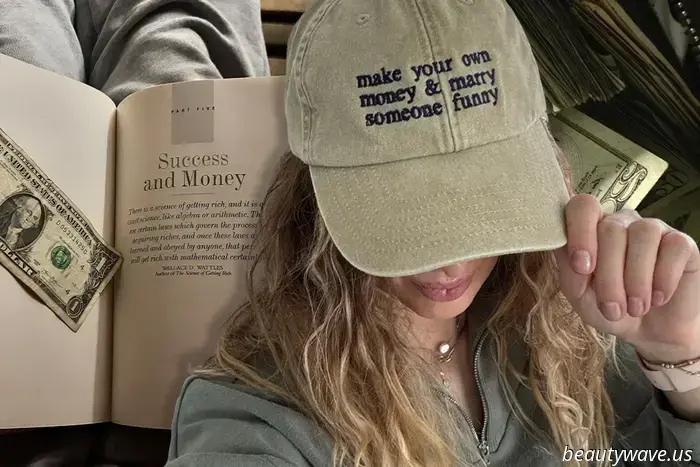
For many years, the notion that discussing money is a significant social blunder has been deeply embedded in our culture. It's generally frowned upon to inquire about others' salaries or spending habits, as such questions are seen as impolite. However, engaging in candid conversations about finances is essential for understanding how to improve your financial situation. In today's climate of economic uncertainty, this kind of dialogue is more crucial than ever.
I find myself looking around, wondering if I'm the only one struggling with my finances and how to manage day-to-day expenses. I want to learn about others' earnings, their budgeting techniques, their savings, any debts they have, and how they're tackling repayment. These are questions I continuously ponder, and I know many other individuals are curious as well. To gather insights, we reached out to our readers for genuine feedback on how they're navigating their finances currently.
Current Financial Landscape Among Readers
Managing finances can lead to feelings of isolation. For so long, discussing aspects such as salaries or budgeting with anyone outside immediate family has been considered a taboo. However, it doesn't have to remain this way. If you’re uncertain about how your financial circumstances compare to others, here’s how over 150 readers answered several fundamental finance-related questions. You'll discover a wide array of financial situations represented, so even if your account balance isn’t ideal, remember that you’re definitely not alone.
How Readers Are Managing Their Finances Right Now
Many are so overwhelmed that they prefer to ignore their situations.
A recurring theme in the responses we received was the immense stress surrounding finances. Terms like anxious, worried, confused, and nervous frequently emerged when we asked how readers feel about their financial situations. Despite knowing that avoidance isn’t productive, heightened anxiety can lead us to that reaction.
Sophie, 35, who lives with her partner, earns between $40,000 and $60,000 annually, has less than $1,000 saved, and carries less than $5,000 in debt. "Things have become tight. I panic every time I use my card," she explained. She admits to "winging it" when it comes to budgeting. Similarly, Brianna, 29, expressed feeling "stressed beyond belief" about her finances. After separating from her husband, she now pays rent and navigates adult responsibilities for the first time post-COVID-19 on an income under $40,000, with savings below $1,000 and debt under $5,000. "My strategy is to pay the bills and avoid looking," she explained. When it comes to settling her debt, "hopes and prayers" is all she can rely on.
Some are refining their budgets.
Others, while equally anxious, are channeling that stress into creating more effective budgets. A favored method among our readers is the 50/30/20 rule, where 50% of income is allocated to essential needs, 30% to wants, and 20% to savings.
Laura, 30, applies this framework to manage her earnings, boost her savings, and eliminate her debt. While she worries about her finances, this technique and scaling back on “fun” expenditures have given her a greater sense of control. "Don't panic," Laura advised. "Build an emergency fund, aim for three months' expenses, and then tackle high-interest debt."
"I experience anxiety attacks before and after making any purchase, whether it's a small coffee, a new purse, or a course for my career."
Another popular strategy is zero-based budgeting, where every dollar is assigned to a distinguishable expense—such as bills, savings, or investments—resulting in a zero balance. Valerie strives to adhere to this approach with her income, yet despite having no debt and over $100,000 in savings, she feels overwhelmed. "I'm conscious of everything I do. I use every last bit of toothpaste and scrape out every jar," she noted. "While I was mindful before, I'm now increasingly stressed about wasting anything. I'm so concerned about our retirement that every action relates to its financial implications."
Emily, 30, utilizes a more "ADHD-friendly" approach to zero-based budgeting by monitoring her budget weekly. While this helps her track spending, she still faces significant anxiety. "I experience anxiety attacks before and after any purchase," she shared. "From a small coffee to a new purse, or even a course for my career."
Some readers adopt a straightforward method: paying themselves first. This involves earmarking funds for savings or investments before allocating money for anything else—benefiting your future self. Maddie stands firmly by this principle. "It's tough at times, but I believe it's the only approach that genuinely compels me to save and invest."
"I continually revise my budget, yet it seems I can never maintain it."
Numerous individuals aren't following a defined budgeting strategy but are still reducing their expenses. Many readers are adhering to stringent grocery budgets, forgoing workout classes, and postponing trips

Other articles
 PSA: A ‘Love Island’ spinoff is officially set to premiere this summer—here’s what we know so far.
"Love Island: Beyond the Villa" is set to premiere on Peacock in the summer of 2025. Here’s what we currently know about the sixth season of the 'Love Island' spin-off:
PSA: A ‘Love Island’ spinoff is officially set to premiere this summer—here’s what we know so far.
"Love Island: Beyond the Villa" is set to premiere on Peacock in the summer of 2025. Here’s what we currently know about the sixth season of the 'Love Island' spin-off:
 I noticed J.Lo and Sienna Miller sporting this specific color with flares—it's set to be a major trend this summer.
It's a fact that light blue jackets paired with flared trousers create a perfect styling combination. Explore the trend that both Lopez and Miller adore.
I noticed J.Lo and Sienna Miller sporting this specific color with flares—it's set to be a major trend this summer.
It's a fact that light blue jackets paired with flared trousers create a perfect styling combination. Explore the trend that both Lopez and Miller adore.
 Seen on Hailey Bieber: The Trendiest Shoe Style to Pair with Pedal Pushers This Summer.
Full stop.
Seen on Hailey Bieber: The Trendiest Shoe Style to Pair with Pedal Pushers This Summer.
Full stop.
 20 Meal Prep Recipes That Will Remain Fresh in Your Fridge for the Entire Week
Featuring ingredients that remain fresh for several days and instructions suitable for freezing, these 20 meal prep recipes are designed to last throughout the week.
20 Meal Prep Recipes That Will Remain Fresh in Your Fridge for the Entire Week
Featuring ingredients that remain fresh for several days and instructions suitable for freezing, these 20 meal prep recipes are designed to last throughout the week.
 Top Mother's Day Presents Priced Under $25
I love you, Mom!
Top Mother's Day Presents Priced Under $25
I love you, Mom!
 This Mid-Century Residence Demonstrates the Impact of "Gentle" Renovations.
With "gentle" renovations, Carrie Waller turned a vintage space into the nostalgic ranch she envisioned. View the complete home tour here:
This Mid-Century Residence Demonstrates the Impact of "Gentle" Renovations.
With "gentle" renovations, Carrie Waller turned a vintage space into the nostalgic ranch she envisioned. View the complete home tour here:
“I Feel Anxious Every Time I Use My Card”: Women Discuss How They Are Handling Their Finances Right Now
"I feel anxious every time I use my card."