

Don’t overlook glycerin—experts recommend it as the best hydrating ingredient for dry skin.
Skincare ingredients frequently become trendy, regardless of whether they are new or established; what matters is their timing and manner of resurfacing in the social media arena. Take niacinamide as an example: although it has been utilized for around 50 years in skincare, it went viral online in 2020 as a so-called "miracle" ingredient. Miracle? Not really. A science-supported multi-tasker? Absolutely. Another ingredient to consider is hyaluronic acid (HA). It has been a skincare staple for decades and is naturally produced in the human body. However, it has recently been marketed as the ultimate hydrating ingredient. Experts, however, argue differently. While HA does boost skin hydration, there is another ingredient that may be equally effective, if not more so, for certain skin types. The often overlooked but valuable ingredient is glycerin. It may not be the most glamorous skincare component, but it provides intense hydration, soothes, and strengthens the skin. Continue reading to discover everything you need to know about glycerin, followed by product recommendations from the experts.
### What Is Glycerin?
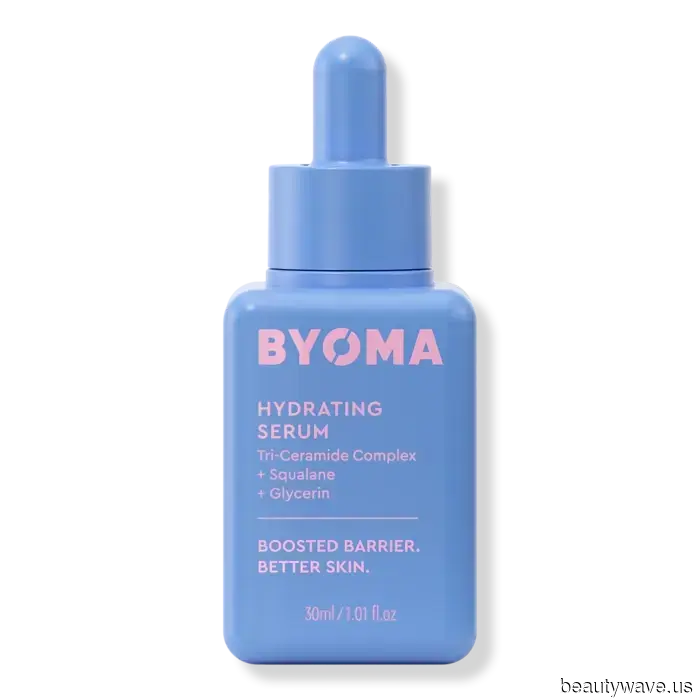
Glycerin is a clear, odorless fluid sourced from plants, animals, or synthetic compounds. According to board-certified dermatologist Sandra Oska, MD, FAAD, "glycerin enhances the hydration of the stratum corneum, which is the skin's outer layer." It is a potent humectant, meaning it draws water into the skin (HA is another such ingredient). "It is an essential part of the skin's natural moisturizing system," says Oska. "This makes it vital for restoring the skin's barrier, especially for those with eczema. In dermatological research on skincare, we often measure transepidermal water loss (TEWL), which indicates how much water is escaping from the skin. High TEWL suggests dysfunctional barriers, while low TEWL occurs when the skin barrier is healthy and retaining moisture effectively." Glycerin supports the skin barrier and helps prevent TEWL.
Paula Brezavscek, PA-C, the founder of Azala Skin Clinic, agrees, describing glycerin as a "classic" ingredient that keeps the skin "hydrated, smooth, and more resilient." In fact, she regards it as one of her favorite skincare ingredients due to its effectiveness for almost all skin types.
### Glycerin vs. Hyaluronic Acid
What fascinates me most about glycerin is that it is often a superior hydrating ingredient compared to HA (yes, truly). Board-certified dermatologist Dara Spearman, MD, FAAD, mentions that glycerin has a smaller molecular size, allowing it to penetrate deeper into the skin for effective hydration. "Both hyaluronic acid and glycerin are humectants and help hydrate the skin by locking in moisture," she explains. "While combining both in your skincare routine is possible, one may be more suitable for certain skin types. Glycerin is especially beneficial for sensitive and/or dry skin types due to its ability to work deeper in the skin and gently address barrier issues." Surprised? I was too.
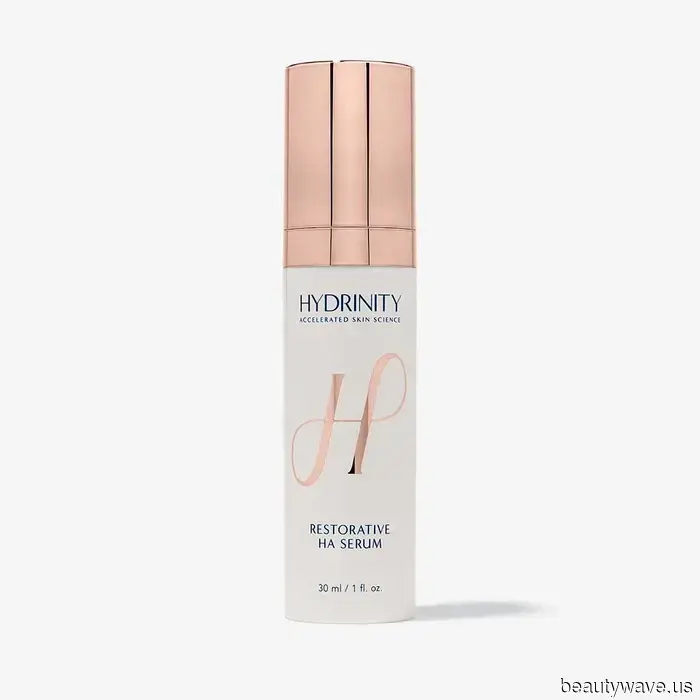
However, before you replace your beloved HA serum with a glycerin-based alternative, Oska provides some additional context. "Glycerin has a lower molecular weight and smaller size compared to hyaluronic acid, which partly accounts for its deeper penetration and significant effect on barrier function. It's crucial to note that not all hyaluronic acid is identical; there is high and low molecular weight HA, and both are still larger than glycerin. While hyaluronic acid provides a more immediate plumping effect, glycerin offers a longer-lasting boost to hydration and barrier support. In contrast to the more glamorous, quick-fix nature of hyaluronic acid, glycerin is a more understated yet clinically potent ingredient." There you have it!
Thus, glycerin is often the optimal hydrating ingredient for dry, sensitive, and acne-prone skin types due to its ability to penetrate better, attract water, and support the skin barrier. Nevertheless, HA can also be advantageous, particularly for mature skin types or those seeking a plumping effect. Ultimately, it depends on personal preference and product formulation. Plus, your favorite skincare products may incorporate both ingredients.
Brezavscek sums it up well: "In comparing glycerin to hyaluronic acid, I believe glycerin is often underrated [...] Hyaluronic acid has significant benefits, but glycerin tends to be more consistent and less influenced by trends, especially for dry, sensitive, or compromised skin. That said, I don't view it as an either-or scenario. The best formulations usually contain both."
### How to Best Use Glycerin
All three experts concur that glycerin, like HA, is most effective when applied to damp skin, allowing it to draw hydration into the skin. Additionally, it should be followed by occlusive ingredients—substances that create a physical barrier on the skin's surface to retain moisture and minimize TEWL (consider shea




Other articles
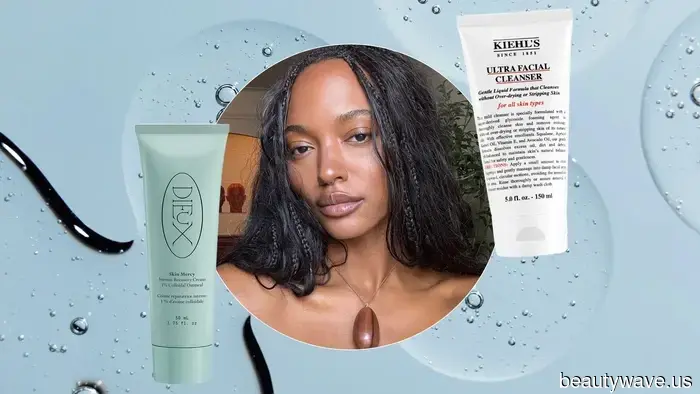 Don't Overlook Glycerin—Experts Claim It's the Best Hydrating Ingredient for Dry Skin.
Dermatologists indicate that glycerin is an underappreciated and often ignored hydrating component that can be more effective than hyaluronic acid. Here’s the reason.
Don't Overlook Glycerin—Experts Claim It's the Best Hydrating Ingredient for Dry Skin.
Dermatologists indicate that glycerin is an underappreciated and often ignored hydrating component that can be more effective than hyaluronic acid. Here’s the reason.
 If I received a pound for every compliment I got about this £250 perfume, I could purchase another bottle.
I'm giving endless compliments.
If I received a pound for every compliment I got about this £250 perfume, I could purchase another bottle.
I'm giving endless compliments.
 Here are the sneaker styles trendy moms in NYC wear for school drop-off, Butterfield Market, and Tracy Anderson.
From the adored Salomon brands to timeless Adidas footwear.
Here are the sneaker styles trendy moms in NYC wear for school drop-off, Butterfield Market, and Tracy Anderson.
From the adored Salomon brands to timeless Adidas footwear.
 5 Simple and Chic Ways French Women Are Styling Trousers This Spring
Presenting the spring trouser ensembles that all your beloved French fashion influencers are showcasing this month.
5 Simple and Chic Ways French Women Are Styling Trousers This Spring
Presenting the spring trouser ensembles that all your beloved French fashion influencers are showcasing this month.
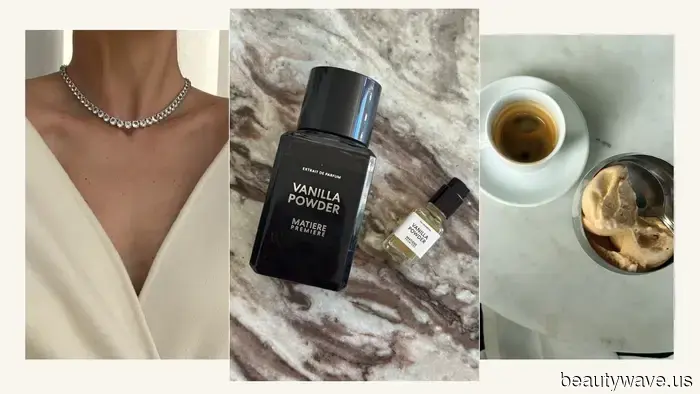 If I received a pound for each compliment that this £250 perfume has garnered for me, I could purchase another bottle.
I'm giving continuous compliments.
If I received a pound for each compliment that this £250 perfume has garnered for me, I could purchase another bottle.
I'm giving continuous compliments.
 6 Ideal Spring Ensembles to Pair With the Most Stylish Denim Trend of the Season
Believe me, these outfits are extremely simple to style.
6 Ideal Spring Ensembles to Pair With the Most Stylish Denim Trend of the Season
Believe me, these outfits are extremely simple to style.
Don’t overlook glycerin—experts recommend it as the best hydrating ingredient for dry skin.
Dermatologists claim that glycerin is an often overlooked and underrated hydrating component that can be more effective than hyaluronic acid. Here’s the reason why.