
From PFW to the Field: The Stylist Influencing Football Fashion Trends for 2026
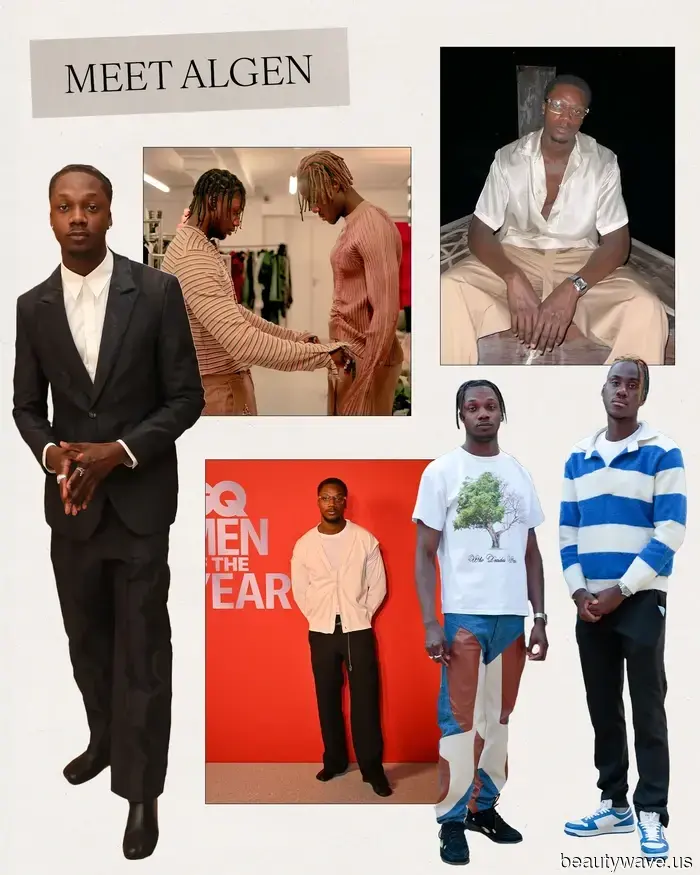
Many individuals must search for a career that resonates with them—one that presents challenges and ignites their enthusiasm to get out of bed and go to work, even during tough times. However, this wasn't the case for Algen Hamilton, as he found his niche in styling some of the brightest young talents in football. Raised in London, Hamilton engaged in various sports, including hockey, diving, and horseback riding, but football was always his top priority. In primary school, he met Reiss Nelson, a Premier League winger now playing for Brentford, and became friends with Joe Willock, a midfielder for Newcastle United. Their bond centered around football, unaware that fashion would further strengthen their connection. "I grew up with them, so I was styling their looks," the stylist shared with me via Zoom shortly before the World Cup. As his own sports career ended, Hamilton focused on styling his friends. "Back then, football was still a space that hadn't adapted into fashion," he mentioned. "Players primarily posted sports-related content and rarely showcased their off-pitch personalities." Willock and Nelson wanted to change this narrative and began sharing their outfits on Instagram, aiming to express themselves beyond the sport. "They were very genuine about it," Hamilton noted. Their sincere passion, along with Hamilton's understanding of both football and rising interest in sports fashion, catalyzed a shift towards football embracing self-expression off the field.
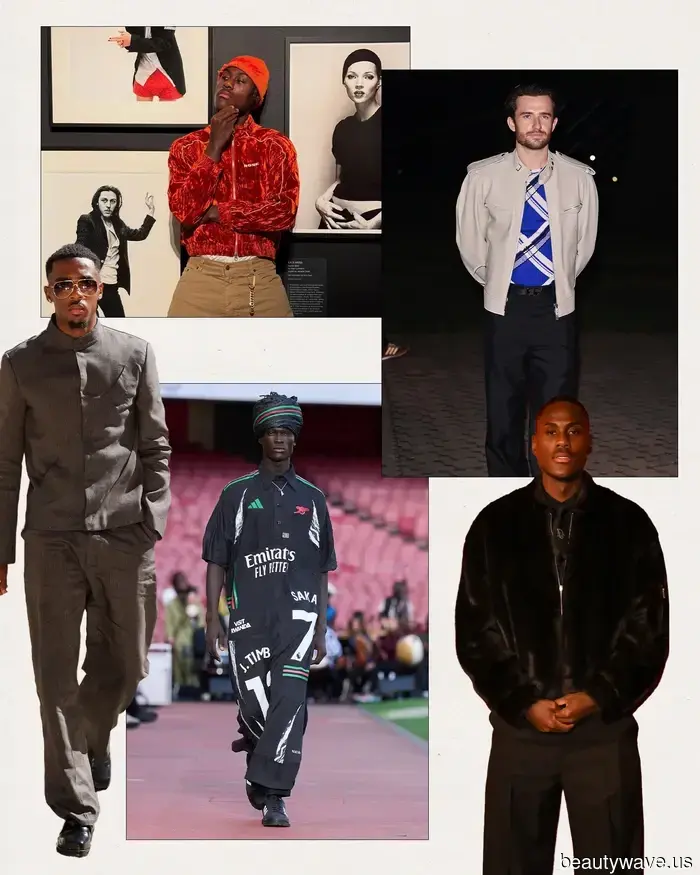
According to Hamilton, football operates within a bubble, especially in London. It wasn't long before other players at Arsenal—where Willock and Nelson played at the time—noticed and started inquiring about the stylist behind the looks. "Once you collaborate with one player, others will comment, 'I really like your outfit,' and they would introduce me to them," he explained. Word-of-mouth within the league propelled his work from styling a few friends to working with a variety of footballers. He eventually began contributing to editorials and collaborating with brands and clubs, including Arsenal, on commercial campaigns. "It just continued to grow year after year," Hamilton reflects. His career, which skillfully combined his lifelong passions, naturally unfolded.
However, it wasn’t as straightforward as it seems. When Hamilton began his journey at the crossover of fashion and football, players weren’t just refraining from posting their outfits on social media, the sport was also perceived as very serious. "Fans often didn't react positively to players sharing their outfits or attending non-football events," he explained. Some team managers advised against such actions. "I would work with players, and after styling a shoot, it would be time to share, but then the agent or club would say, 'Don’t do this,'" he recounted, describing how much restraint existed. While the decision ultimately belonged to the player, they were surrounded by influential figures discouraging such expression.
This situation is not exclusive to football; despite fashion's strong cultural presence and historical ties in sports—as well as its significant role in the global economy—style often faces initial resistance. Yet, later acceptance occurs when the benefits outweigh the drawbacks, or when athletes demonstrate that their personal interests do not detract from their performance, but rather enhance it. A notable example is the NBA, which saw resistance following the contentious 2005–2006 dress code. Players who dressed against the guidelines ultimately paved the way for the now-popular tunnel fashion phenomenon. Similarly, in Formula One, Lewis Hamilton faced criticism for his passion for fashion, but he transformed the sport into one of the most style-focused events, attracting major partnerships for drivers, teams, and the series itself. (Did you know that LVMH secured a decade-long partnership with F1 in 2025, and Gucci became a title partner of Alpine starting in 2027?) This narrative is prevalent, but in the Premier League, it is being revised thanks to stylists like Hamilton and his footballer friends, who bravely pursued their ambitions despite mixed reactions.
Hamilton observes that today's football-fashion landscape significantly differs from the one he entered at the start of his styling career. "As more players began to express their authentic selves and voice their opinions, I think the sport began to positively evolve," he says. "The atmosphere and morale in the locker room became much more enjoyable, leading to more engaging conversations." A friend of his noted that prior to this openness on social media—where players began posting personal aspects of their lives and their outfits—the locker room was relatively quiet. With newfound connections forming around shared interests like fashion brands or dining spots they noticed online, players found common ground that had previously eluded them. "That's incredibly beneficial for a team sport," says Hamilton. "It's precisely what they need."
Once clubs like Arsenal and Chelsea recognized the positive effects, they sought to innovate with sponsorships and campaigns, initiating tunnel 'fits for training sessions. A key distinction between the Premier League and many American sports leagues lies in the absence of outfits worn during actual games, an aspect that still
Other articles
 Zara's Sister Brand Has Just Released Its Most Stylish Collection Yet—9 Summer Items That Are Sure to Sell Out Quickly.
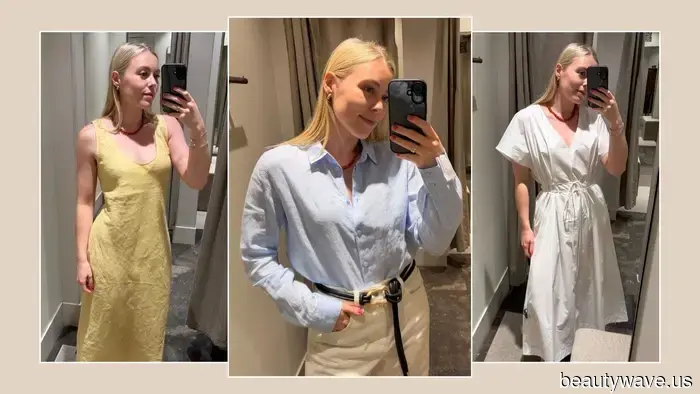
I recently tried on the summer collection from Massimo Dutti. Here are the high-end summer pieces that I decided to bring home with me.
Zara's Sister Brand Has Just Released Its Most Stylish Collection Yet—9 Summer Items That Are Sure to Sell Out Quickly.
I recently tried on the summer collection from Massimo Dutti. Here are the high-end summer pieces that I decided to bring home with me.
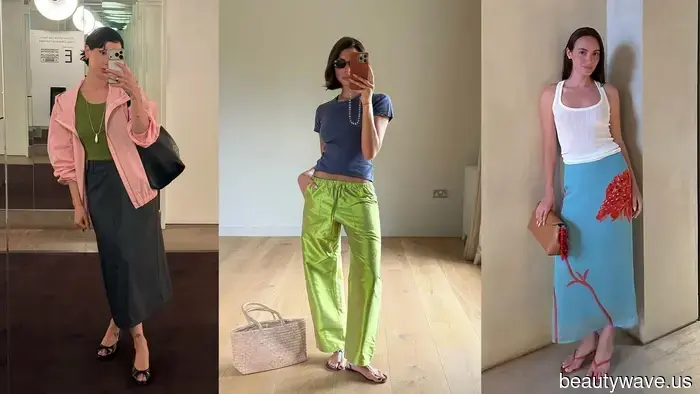 If you're sporting any of these 2026 sandal micro-trends, it's evident that you have a flair for fashion.
Believe me—these trends are going to be popular among everyone this season.
If you're sporting any of these 2026 sandal micro-trends, it's evident that you have a flair for fashion.
Believe me—these trends are going to be popular among everyone this season.
 Thinking about a Bob Haircut? This subtle style is predicted to be the most fashionable haircut for summer.
Compact and stylish.
Thinking about a Bob Haircut? This subtle style is predicted to be the most fashionable haircut for summer.
Compact and stylish.
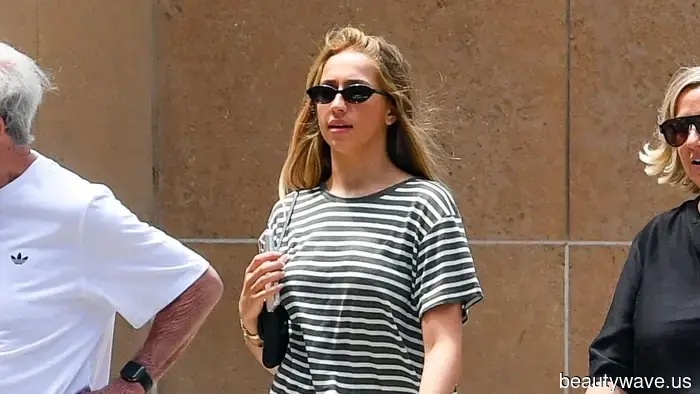 Wearing this Denim Trend, T-Shirt Trend, and Sandal Trend Together Will Create the Look of 2026.
Similar to Tate McRae.
Wearing this Denim Trend, T-Shirt Trend, and Sandal Trend Together Will Create the Look of 2026.
Similar to Tate McRae.
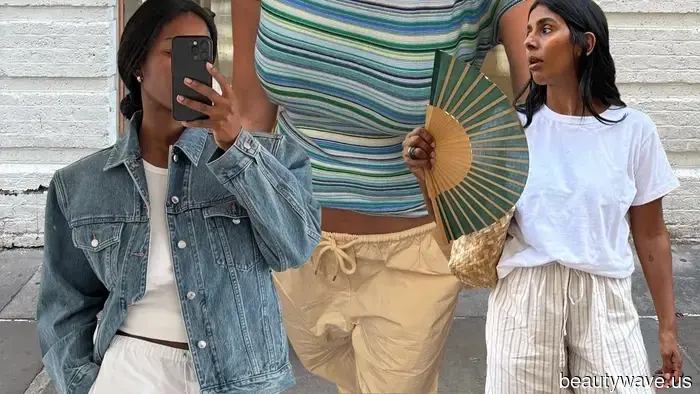 Not Capris: Fashionable Dressers Are Pairing This Pant Trend with This Basic, and You Probably Already Have It in Your Closet…
There's a strong possibility that you already have both.
Not Capris: Fashionable Dressers Are Pairing This Pant Trend with This Basic, and You Probably Already Have It in Your Closet…
There's a strong possibility that you already have both.
 If you plan to wear brown this summer, avoid pairing it with navy; instead, opt for this color.
An obvious choice if you're aiming to appear stylish and sophisticated this summer.
If you plan to wear brown this summer, avoid pairing it with navy; instead, opt for this color.
An obvious choice if you're aiming to appear stylish and sophisticated this summer.
From PFW to the Field: The Stylist Influencing Football Fashion Trends for 2026
For the Go Sports World Cup edition of Who What Wear, we interviewed London-based soccer stylist Algen Hamilton regarding his career and the clients he works with.