
From PFW to the Field: The Stylist Influencing the Future of Football Fashion in 2026
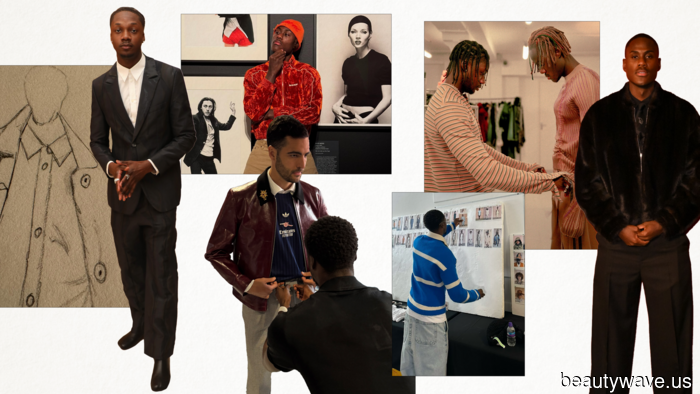
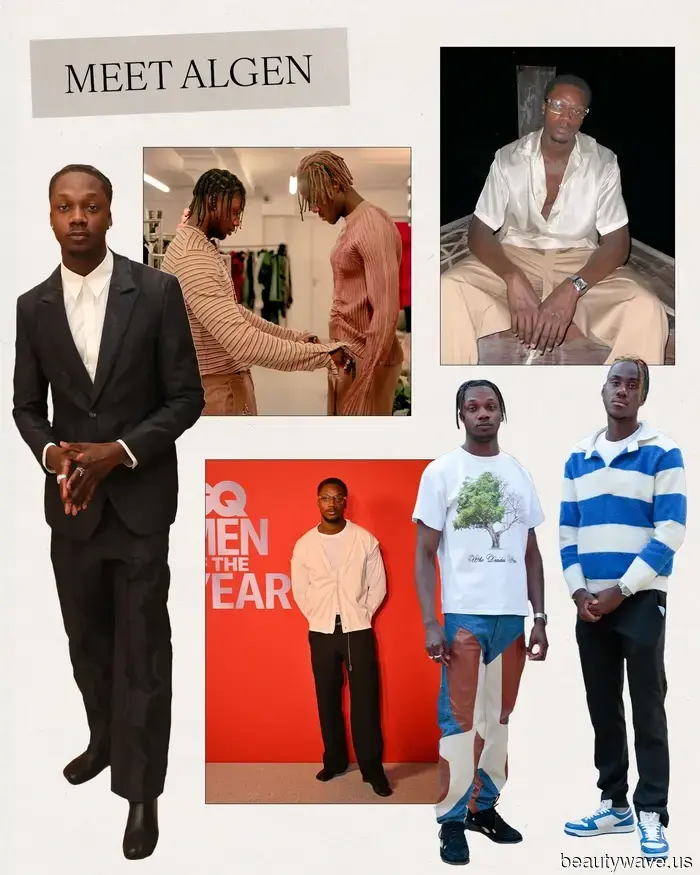
Many individuals find themselves on a quest to discover a career path that resonates with them—one that provides enough challenge and excitement to motivate them to go to work each day, even during tough times. Algen Hamilton, however, had a different experience. He stumbled into styling some of football's most promising young players. Growing up in London, Hamilton engaged in various sports, including hockey, diving, and horseback riding, but football was always his main passion. In primary school, he met Reiss Nelson, now a winger in the Premier League with Brentford, and he formed a friendship with Joe Willock, a midfielder for Newcastle United. Their bond was rooted in football, yet fashion also became a shared interest. "I grew up with them, so I was doing their looks," Hamilton shared with me via Zoom shortly before the World Cup. After his own sports career concluded, he began focusing on styling his friends. "At that time, the intersection of football and fashion hadn’t evolved," he recalls. "Players primarily showcased sports-related content, and their posts revolved around football. Their personalities off the pitch didn’t come through." Willock and Nelson aimed to change this by sharing their outfits on Instagram, eager to reveal their identities outside of football. "They were very genuine about it," Hamilton explains. Their authentic enthusiasm, paired with Hamilton’s insights into both football and the rising trend of sports fashion, ignited a shift in football culture, fostering an environment that embraced self-expression rather than stifling it.
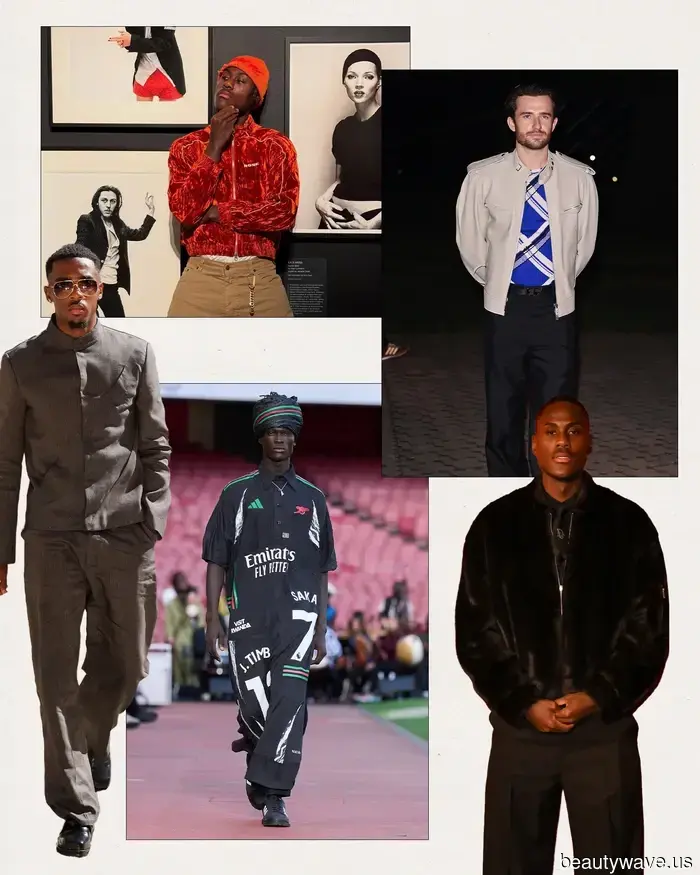
Hamilton notes that football has a tight-knit community, particularly in London, so it didn't take long for other players at Arsenal—the club where Willock and Nelson played—to take notice and start inquiring about the stylist behind their looks. "Once you style one player, others start complimenting their outfits and request introductions," he elaborates. Word-of-mouth quickly transformed his role from simply aiding a few friends with their wardrobes to collaborating with numerous players. Before long, he expanded into editorials and partnerships with brands and clubs, including Arsenal, on commercial campaigns. "It just grew year after year," Hamilton reflects, as a career that merged his deep-seated passions naturally unfolded.
However, it wasn't as straightforward as it appears in retrospect. When Hamilton began to bridge the gap between fashion and football, the atmosphere was quite serious; players hardly shared their outfits on social media. "There was a lot of resistance," he states. Fans didn't always react positively to players showcasing their outfits or attending events unrelated to football. Some executives advised against it. "I would shoot with players, and when it came time to post, their agent or club might say, 'Don’t do this,'" he recounts. The decision rested with the player, but they were surrounded by influential voices discouraging such expressions.
This resistance to fashion isn't new in sports, despite its significant cultural impact and its role as a vital industry in the global economy. Style often faces pushback until the advantages outweigh the negatives, or athletes demonstrate that their outside interests do not harm their performance but can enhance it. A prime example is the NBA. The controversial dress code introduced for the 2005–2006 season prompted many players to defy the rules, ultimately leading to the widely embraced tunnel-fashion trend. Similarly, Lewis Hamilton has faced criticism for his fashion interests but has successfully positioned Formula One as a fashion-forward sport, attracting major partnerships for teams, drivers, and the league itself. (For instance, LVMH is set to establish a decade-long partnership with F1 in 2025, and Gucci has recently become a title partner for Alpine beginning in 2027.) This narrative has been evolving within the Premier League, thanks to stylists like Hamilton and his footballer friends, who dared to pursue their passion even amidst disagreement.
Hamilton emphasizes that the current football-fashion landscape is markedly different from the one he encountered at the outset of his styling journey. "As players became more vocal and began revealing their authentic selves, I believe the sport positively changed," he reflects. "The atmosphere in the changing room turned much more enjoyable, and the conversations became more engaging." He recalls a friend mentioning that prior to players becoming more open and expressive on social media—posting outfits and sharing snapshots of their lives off the pitch—the locker room was quiet. Suddenly, players discovered shared interests, whether it was a fashion brand they both liked or a restaurant featured on their feeds. "This is invaluable for a team sport," Hamilton points out. "It fosters exactly what they need."
Once clubs like Arsenal and Chelsea recognized the positive impact of this shift, they eagerly embraced it, experimenting with new sponsorships and campaigns, including organizing tunnel 'fits for training sessions. A crucial distinction between the Premier League and many American sports leagues lies in the fact that players don't wear outfits to games, which is still met with some resistance. "The next step is for the Premier League to take the initiative and advance this movement," Hamilton urges
Other articles
 If you plan to wear brown this summer, avoid pairing it with navy; instead, opt for this color.
An obvious choice if you're aiming to appear stylish and sophisticated this summer.
If you plan to wear brown this summer, avoid pairing it with navy; instead, opt for this color.
An obvious choice if you're aiming to appear stylish and sophisticated this summer.
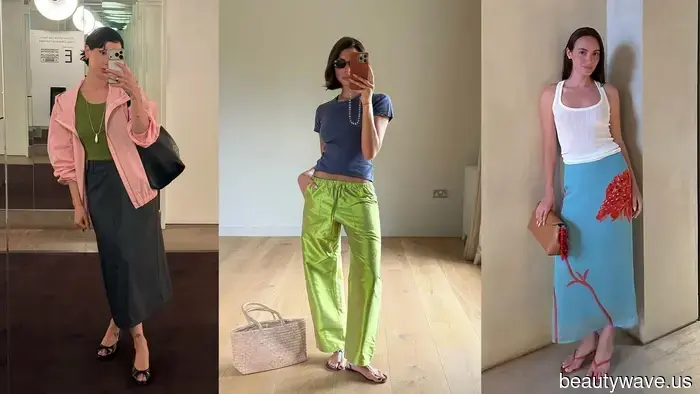 If you're sporting any of these 2026 sandal micro-trends, it's evident that you have a flair for fashion.
Believe me—these trends are going to be popular among everyone this season.
If you're sporting any of these 2026 sandal micro-trends, it's evident that you have a flair for fashion.
Believe me—these trends are going to be popular among everyone this season.
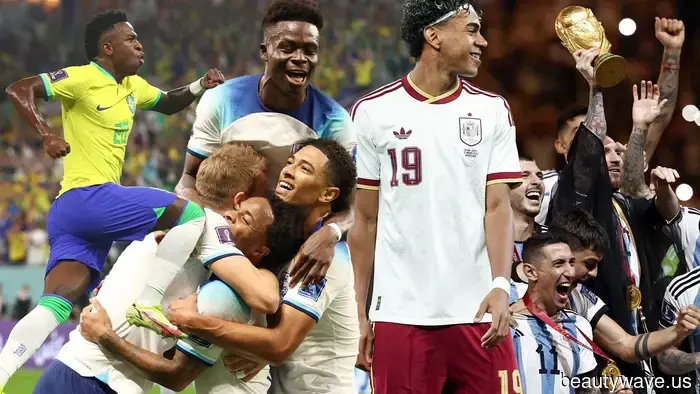 All You Need to Know About the 2026 World Cup
Attention to all fashionable sports enthusiasts—this is your exclusive guide to the 2026 World Cup.
All You Need to Know About the 2026 World Cup
Attention to all fashionable sports enthusiasts—this is your exclusive guide to the 2026 World Cup.
 Thinking about a Bob Haircut? This subtle style is predicted to be the most fashionable haircut for summer.
Compact and stylish.
Thinking about a Bob Haircut? This subtle style is predicted to be the most fashionable haircut for summer.
Compact and stylish.
 Thinking about a bob haircut? This subtle style is predicted to be the most stylish cut for this summer.
Stylish and concise.
Thinking about a bob haircut? This subtle style is predicted to be the most stylish cut for this summer.
Stylish and concise.
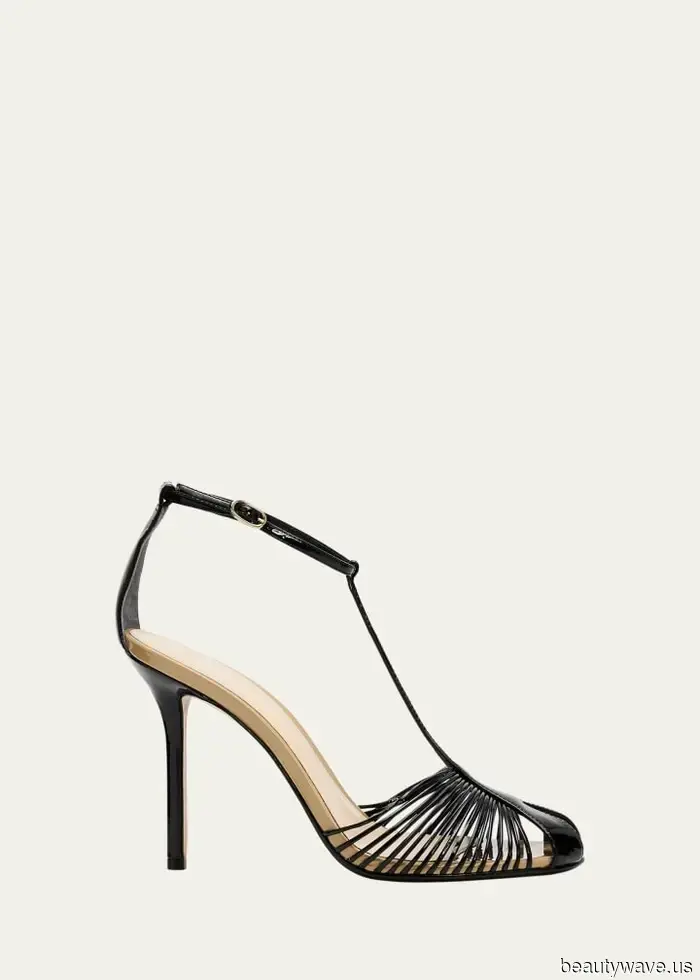 If you're sporting one of these sandal micro-trends from 2026, it's evident that you have a keen sense of fashion.
Believe me—these trends will be sported by everyone this season.
If you're sporting one of these sandal micro-trends from 2026, it's evident that you have a keen sense of fashion.
Believe me—these trends will be sported by everyone this season.
From PFW to the Field: The Stylist Influencing the Future of Football Fashion in 2026
In the Go Sports World Cup issue of Who What Wear, we interviewed London-based soccer stylist Algen Hamilton regarding his career and the clients he works with.