
Milia Are More Common Than You Realize—Here's the Right Way to Treat Them
If you've ever come across a tiny white bump that stubbornly appears under the skin—most often around the eyes, cheeks, or forehead—you may have encountered milia. Unlike acne, blackheads, or other forms of congestion, these little bumps usually don't respond to typical blemish treatments and can't be easily squeezed out. In fact, trying to do so often causes more harm than good. While milia are harmless, they are one of the most frequent skincare issues I get asked about as an esthetician. Their persistence can be frustrating, especially when they seem to stick around for months or even years. Furthermore, many people confuse them with whiteheads or blocked pores, resulting in the use of ineffective products. The silver lining is that milia are quite common and can often be prevented or treated with the right skincare regimen. Understanding their formation is crucial. Factors like skin cell turnover, choice of products, and individual skin characteristics can all influence the likelihood of developing milia. To learn more about what milia are, why some individuals experience them more frequently than others, and the best methods for treating and preventing them, we consulted dermatologist Sonia Khorana. Below is what you need to know about these persistent bumps, along with the ingredients and treatments that can help manage them.
What Are Milia?
"Milia are small, white or yellowish bumps that occur when keratin is trapped beneath the skin," Khorana clarifies. "They are harmless and are commonly found around the eyes and cheeks." Often mistaken for whiteheads, milia are actually tiny cysts containing keratin, a protein that is naturally present in skin, hair, and nails. Unlike acne, they do not arise from excess oil or bacteria, which is why traditional spot treatments typically do not work. Milia can appear at any age and are particularly noticeable in the more delicate areas of the face where the skin is thinner. While they do not pose health risks, many feel compelled to address them for cosmetic reasons.
What Causes Milia?
According to Khorana, "Milia form when dead skin cells and keratin become trapped under the skin's surface. They can develop naturally or as a result of skin damage, heavy occlusive skincare products, or decreased skin cell turnover." Essentially, when the skin fails to efficiently shed dead cells, they can get trapped beneath the surface, hardening into the small cysts we identify as milia. Genetics might also factor in; "Some individuals appear to be naturally more susceptible to milia due to differences in their skin's shedding process," she notes. "They are also more likely to develop if they use richer products or have skin that renews itself more slowly." This explains why certain people can use heavy eye creams for years without issue, while others develop milia seemingly overnight.
How to Get Rid of Milia
The most effective long-term strategy is to promote healthy skin cell turnover. "Ingredients that facilitate skin cell turnover can help lessen the appearance of milia over time—retinoids and gentle exfoliating acids, such as lactic acid or PHAs, can aid in encouraging the skin to shed dead cells more efficiently," Khorana advises. Prevention is equally vital. She recommends steering clear of "heavy or occlusive skincare products, especially around the eyes," and cautions against picking or squeezing milia, as this may irritate the skin and increase the likelihood of scarring. For persistent milia that won't budge, professional extraction is often the quickest remedy. "Milia can be removed by a dermatologist or trained therapist, usually by using a sterile needle or small blade to make a tiny incision in the skin to extract the trapped keratin," she explains. "The procedure is relatively quick and causes minimal discomfort."
Best Products for Milia
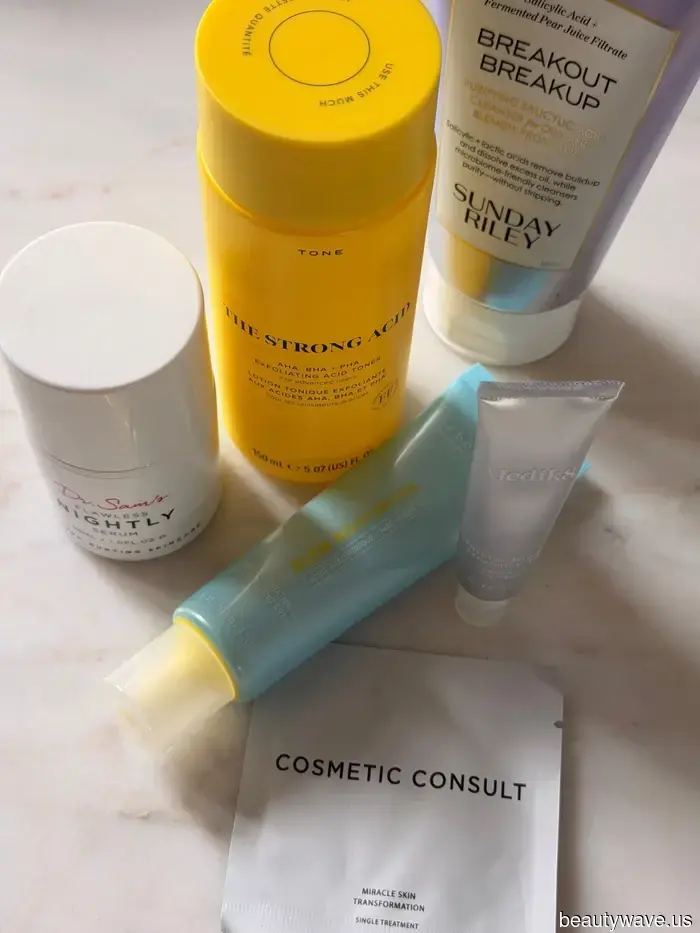
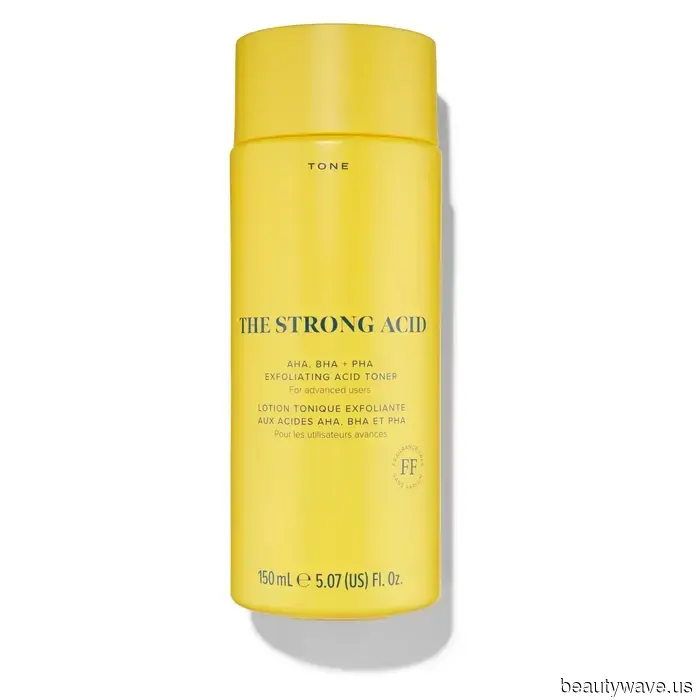
1. **Best Overall**: Skin Rocks The Strong Acid
- This powerful toner combines exfoliating acids, including glycolic, lactic, and salicylic acid, to help dissolve the accumulation of dead skin cells that may lead to trapped keratin beneath the skin's surface. It promotes smoother skin turnover, making it especially effective for those susceptible to recurring milia while also refining texture and enhancing overall radiance. However, it is quite strong and should be used judiciously, particularly around the sensitive eye area.
- Pros: Effective for stubborn milia; utilizes multiple active ingredients.
- Cons: High price; may not be suitable for sensitive skin.
2. **Best Toner**: Alpha-H Liquid Gold
- Renowned for its efficacy, this toner harnesses glycolic acid to accelerate skin cell turnover, encouraging the shedding of dead cells before they can contribute to milia. With consistent use, skin appears smoother, brighter, and more even, making it a great choice for addressing existing milia and preventing future occurrences. Exercise caution using this around the delicate eye area.
- Pros: Powerful and fast-acting.
- Cons:

Other articles
 Wearing this Denim Trend, T-Shirt Trend, and Sandal Trend Together Will Create the Look of 2026.
Similar to Tate McRae.
Wearing this Denim Trend, T-Shirt Trend, and Sandal Trend Together Will Create the Look of 2026.
Similar to Tate McRae.
 The Proper Method for Styling a Soccer Jersey
Want to stand out from the crowd of football superfans this summer during the World Cup? Here are four stylish ways to wear soccer jerseys.
The Proper Method for Styling a Soccer Jersey
Want to stand out from the crowd of football superfans this summer during the World Cup? Here are four stylish ways to wear soccer jerseys.
 Zara's sister brand has just launched its most stylish collection yet—9 summer items that are likely to sell out quickly.
I just tried on the summer collection from Massimo Dutti. Here are the luxury summer pieces that I brought home with me.
Zara's sister brand has just launched its most stylish collection yet—9 summer items that are likely to sell out quickly.
I just tried on the summer collection from Massimo Dutti. Here are the luxury summer pieces that I brought home with me.
 Not Capris: Fashionable Dressers Are Pairing This Pant Trend with This Basic, and You Probably Already Have It in Your Closet…
There's a strong possibility that you already have both.
Not Capris: Fashionable Dressers Are Pairing This Pant Trend with This Basic, and You Probably Already Have It in Your Closet…
There's a strong possibility that you already have both.
 The Proper Method for Styling a Soccer Jersey
Want to stand out from the typical football superfan this summer for the World Cup? Here are four stylish ways to wear soccer jerseys.
The Proper Method for Styling a Soccer Jersey
Want to stand out from the typical football superfan this summer for the World Cup? Here are four stylish ways to wear soccer jerseys.
 If you're sporting any of these 2026 sandal micro-trends, it's evident that you have a flair for fashion.
Believe me—these trends are going to be popular among everyone this season.
If you're sporting any of these 2026 sandal micro-trends, it's evident that you have a flair for fashion.
Believe me—these trends are going to be popular among everyone this season.
Milia Are More Common Than You Realize—Here's the Right Way to Treat Them
Milia 101.