
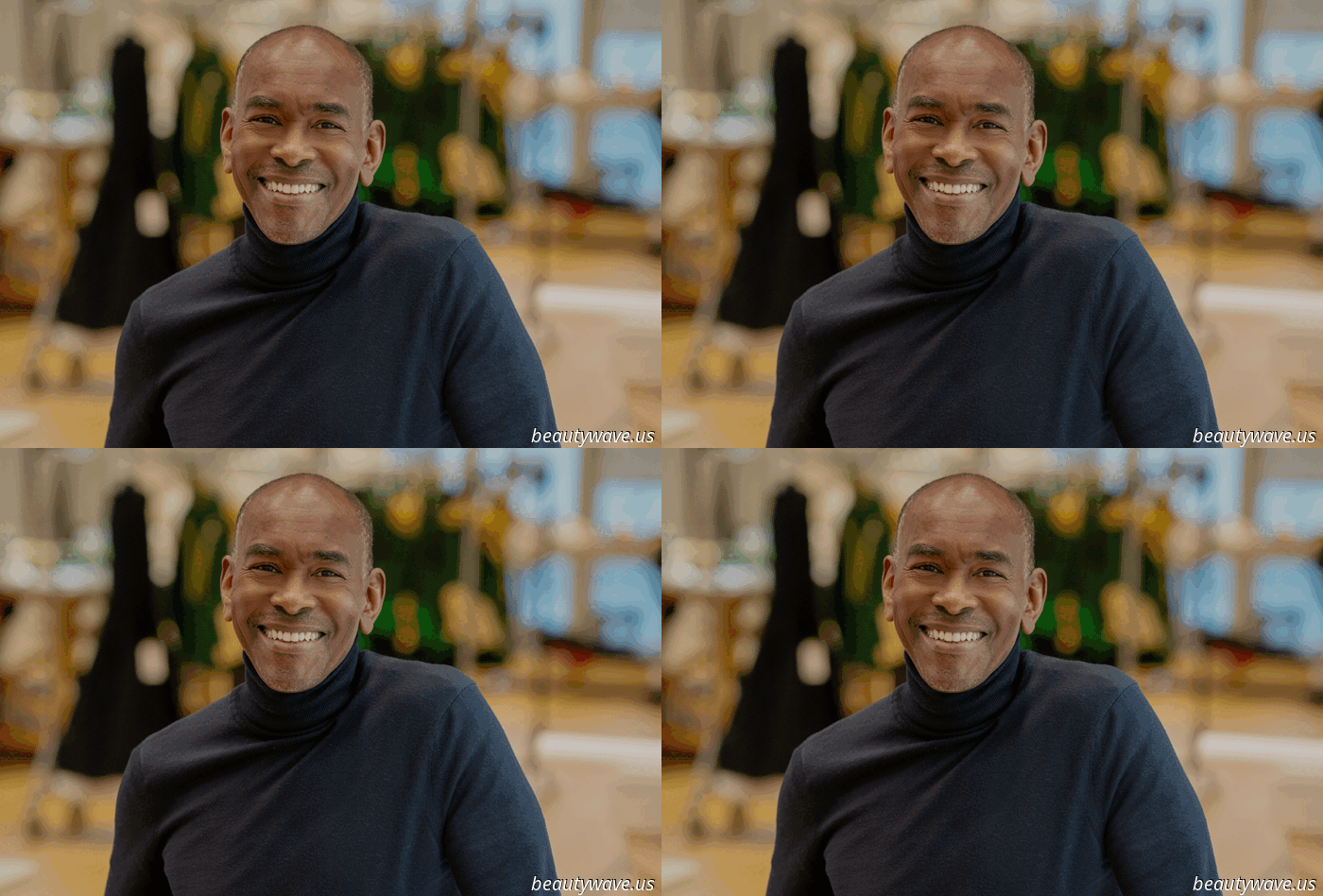
The costume designer for The Wicked: For Good shares insights on how the enchanting outfits of the film's stars were crafted.
Welcome to The Who What Wear Podcast, your direct link to the designers, stylists, beauty professionals, editors, and influencers who are shaping the fashion and beauty industry. Don’t forget to subscribe to The Who What Wear Podcast on Apple Podcasts and Spotify.
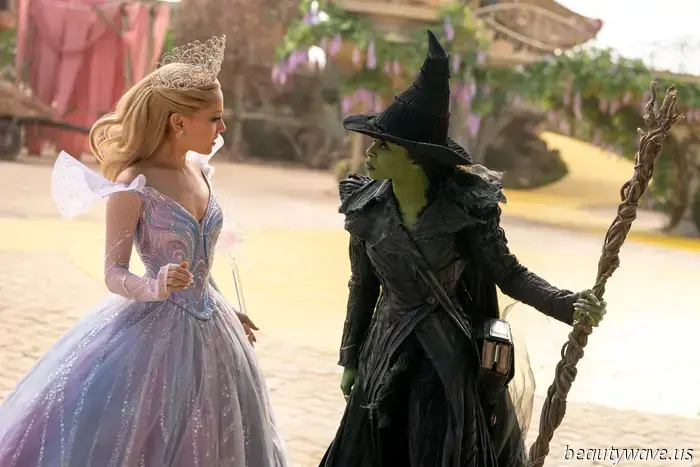
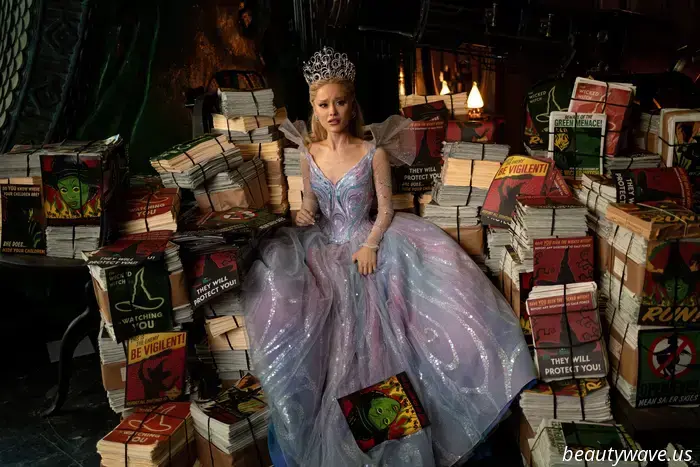
Paul Tazewell, an Oscar, Emmy, and two-time Tony Award-winning designer, expanded upon the characters he costumed in Wicked to reveal their development in the sequel, Wicked: For Good. "For Glinda, she has transformed into a kind of bird in a cage," Tazewell explained. "She has become a propagandist symbol of good, dressed impeccably in a sophisticated kind of Hollywood glamour."
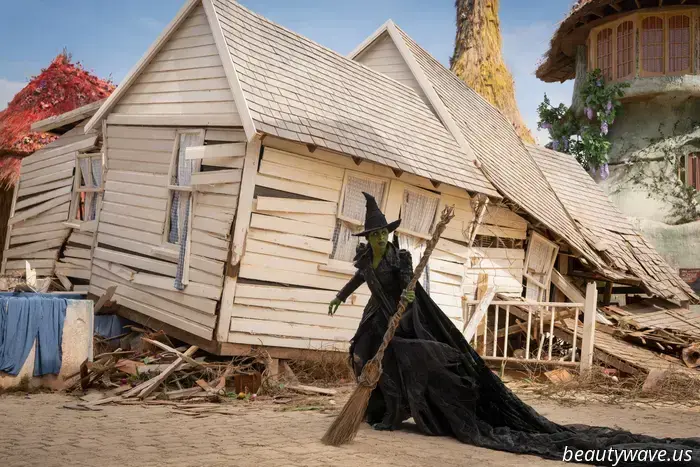
For Cynthia Erivo's character, Elphaba, Tazewell drew inspiration from the original 1939 depiction of the Wicked Witch of the West, but with a twist. "I used that as a foundation, as a silhouette, and transformed it into a more empowering figure," he said.
In the latest episode of The Who What Wear Podcast, Tazewell discusses his costume design process for the sequel, where he drew his inspirations from, and more. For insights from their conversation, scroll below.
In Wicked: For Good, you were building on characters within a universe you had previously designed for in Wicked. A lot has changed, and both Elphaba and Glinda have undergone significant growth. How did you begin to conceptualize that evolution and how it would be reflected in their costumes?
When we revisit the story in Wicked: For Good, we find ourselves about a year after the events where Elphaba leaps through the window on her broom with a cape and hat, singing "Defying Gravity." At the opening of Wicked: For Good, we see her transformed into this heroic figure, represented by a sweeping coat and trousers that align with her silhouette established in Wicked Part 1, in Shiz.
For Glinda, she has become reminiscent of a bird trapped in a cage. She serves as a propagandist figure of goodness, yet she is impeccably dressed in a style of Hollywood elegance. This creates a high contrast between the two characters from the first film and how they have come into their own. Their choices and how they live with the consequences of those choices shape their journeys.
Elphaba is viewed as evil, despite her desire to assist the people of Oz. She is often seen in all black and her traditional witch attire. You indicated her sweeping coat and trousers were designed to be empowering. I’d love to hear more about your design process in striking a balance between her true nature and how others perceive her.
The most prominent aspect of Elphaba's design in Wicked: For Good reflects the silhouette of the original Wicked Witch of the West from the 1939 film. That archetype is what many of us consider as the defining image of a witch. I took that concept and redesigned it to embody more power.
Her coat has texture and feels organic, connecting her with nature and the animals she advocates for. This look presents a more powerful version of her character, moving away from a simple turn-of-the-century black dress. I'm instilling a sense of empowerment in her appearance.
The coat is also slightly reflective, made from a waxed linen, much like a raincoat. This ties into the thematic idea of water, which is supposed to melt her, embedding references and themes back to the original narrative of her story.
As you mentioned, Glinda embodies the image of a bird in a cage. There’s a carefully crafted perfection in her presentation and how she presents herself. I would love to know more about how you incorporated details to give her outfits that almost flawless sheen.
For many of Glinda's looks, I drew inspiration from the Hollywood glamour seen in films featuring Audrey Hepburn or Grace Kelly, emphasizing the delicate nature of femininity during that era. I focused on the aesthetic qualities of her silhouette, with flowing skirts, pinks, lavenders, blues, and hints of sparkle.
These elements exude a magical sense of beauty, romanticism, and femininity. That is Glinda's superpower—her ability to present an enticing persona to the Ozians. I intentionally employed these silhouettes to craft that alluring image for Ariana Grande as Glinda.
This interview has been edited and condensed for clarity.
The costume designer for The Wicked: For Good shares insights on how the enchanting outfits of the film's stars were crafted.
Additionally, the evolution of the costuming since the original film.