

Dermatologists Adore This "Unappealing" Ingredient That Clears Pores, Calms Inflammation, and Lessens Redness.
Thanks to the internet, skincare has become incredibly trendy. There are widely recognized products (like Korean hydrogel masks and milky toners), ingredients (such as PDRN, ectoin, and exosomes), and even methods (skin-flooding is a recent example). This trend can be seen as both positive and negative, depending on one’s perspective. On the positive side, people are taking better and more consistent care of their skin than ever before. Additionally, platforms like Instagram and TikTok facilitate the spread of innovative skincare technologies and inform individuals (including myself) about potentially beneficial products and practices. However, skincare is not a universal solution. Often, pricier or trendy products and ingredients do not yield the best results. In fact, the most effective solutions can sometimes be the most basic and "unexciting."
Consider sulfur, for instance. Yes, sulfur, the chemical element familiar from high school chemistry classes. (To refresh your memory, it appears on the periodic table as S with the atomic number 16.) Standard? Definitely. Unexciting? Undoubtedly. Yet, it remains one of the most potent skincare ingredients in 2026, particularly effective for treating acne, redness, or irritation.
**Sulfur for Acne**
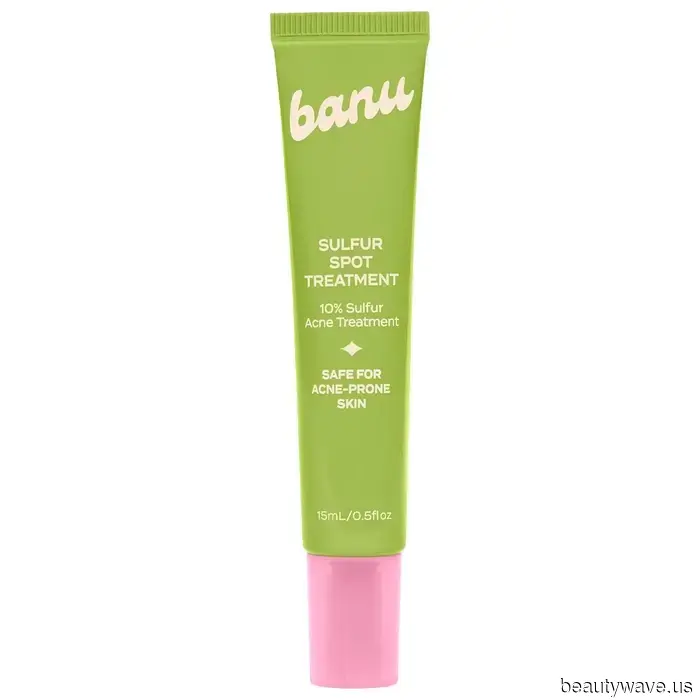
Let’s begin with sulfur's most recognized application in skincare—its use as an acne treatment. Experts assert that sulfur can significantly improve and contribute to clearer, calmer skin. Paula Brezavscek, PA-C, a board-certified physician associate in cosmetic dermatology, states, “Sulfur is incredibly effective for acne because it works in various ways simultaneously. It absorbs excess oil, gently exfoliates dead skin, and possesses antibacterial properties that diminish acne-causing bacteria. I appreciate sulfur because it clears pores without being as harsh as benzoyl peroxide, allowing you to address breakouts while preserving a healthy skin barrier.”
Natia Rufolo FNP-C, a board-certified nurse practitioner and aesthetic injector, concurs, emphasizing its multifaceted approach to addressing breakouts: 1) oil absorption, 2) exfoliation, 3) antibacterial action, and 4) unclogging pores. She adds an additional benefit: soothing. “Sulfur helps calm inflamed breakouts and reduces swelling.” This soothing quality makes it advantageous for sensitive or irritated skin (more on this shortly).
**Sulfur for Redness/Rosacea**
Brendan Camp, MD, a board-certified dermatologist at MDCS Dermatology, explains that sulfur is also used in managing redness and rosacea for the same reason it's effective for acne—its natural antibacterial and anti-inflammatory effects. “The redness seen in rosacea is due to the dilation of superficial blood vessels in the skin,” he notes. “This vessel dilation may be attributed to inflammation; by soothing the skin, sulfur-infused products can help diminish rosacea-related redness.”
Rufolo supports this view, noting that the right sulfur skincare products can yield significant outcomes. “Sulfur can certainly be beneficial for those with redness and rosacea-prone skin when used correctly,” she says. “Its mild anti-inflammatory and antimicrobial properties help calm irritation and reduce the overgrowth of microorganisms that can trigger flare-ups. In appropriate, well-formulated concentrations, it can help manage redness without excessively stripping the skin.”
Brezavscek has witnessed the transformative impact of sulfur on redness in her practice. “Sulfur can definitely assist with redness and rosacea,” she asserts. “It has anti-inflammatory properties that can decrease both baseline redness and inflammatory lesions. In practice, I commonly observe it used in combination treatments, such as sulfacetamide plus sulfur, which are highly effective for soothing rosacea-prone skin.”
**Sulfur for Inflammation**
Both acne and rosacea are inflammatory skin conditions, so it makes sense that sulfur can also help treat and prevent inflammation. “Sulfur is noteworthy because it addresses inflammation while remaining relatively gentle,” Brezavscek explains. “It helps soothe irritated skin and reduce swelling without the irritation that stronger active ingredients might cause.”
However, she cautions that sulfur can still be drying if used in high concentrations or alone, which Rufolo corroborates. “If it’s too potent or overused, it can disrupt the skin barrier and lead to dryness or irritation, particularly in already sensitive skin types,” she adds. “It ultimately comes down to concentration and how it’s incorporated into a regimen.” (Pro tip: pairing it with barrier-supporting ingredients like glycerin, ceramides, squalane, and niacinamide can help).
**What Skin Types Are Best for Sulfur?**
“Sulfur is most suitable for oily, acne-prone, or combination skin,” Brezavscek points out. “It’s especially beneficial for those who easily break out but can’t handle harsher treatments. It’s also an excellent choice for individuals facing both acne and redness, a common combination.”
Rufolo also highlights
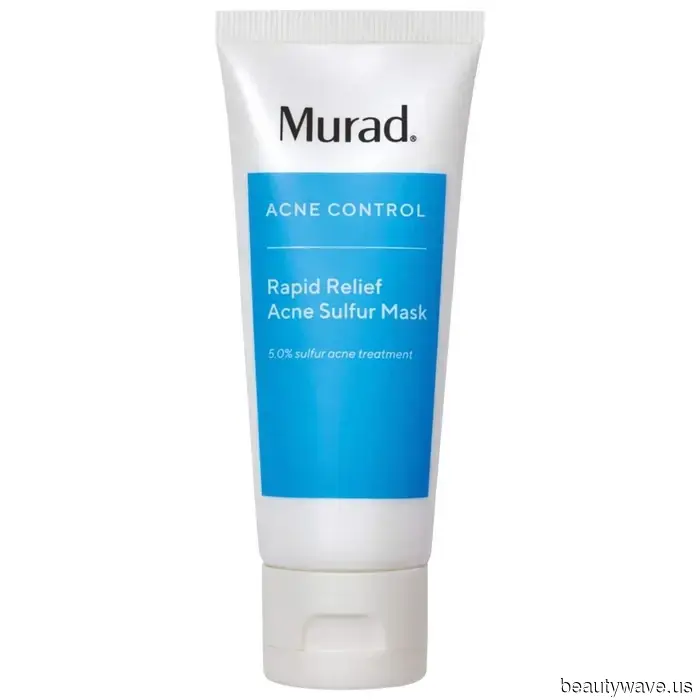
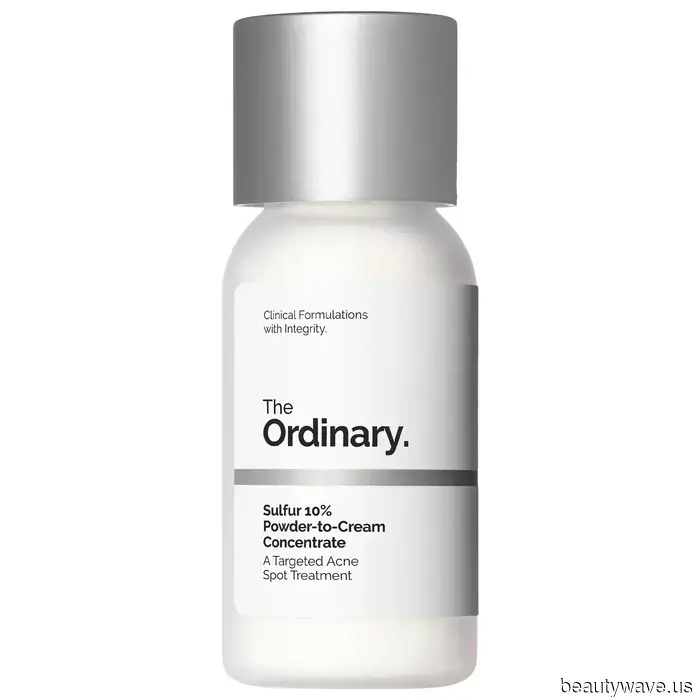
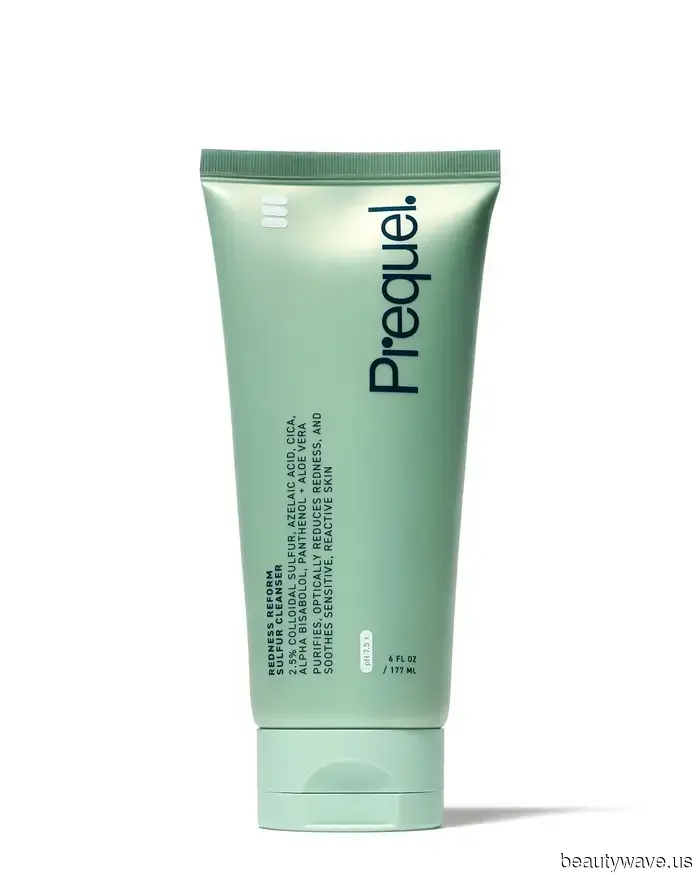
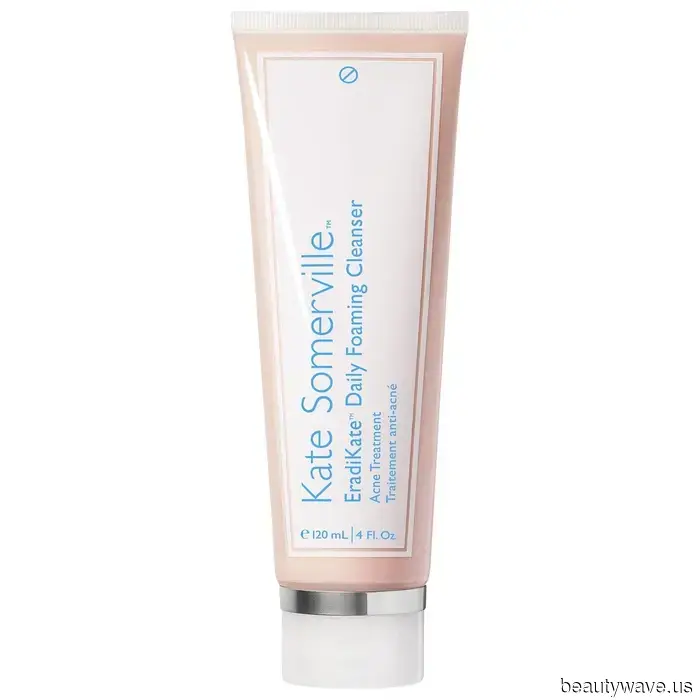
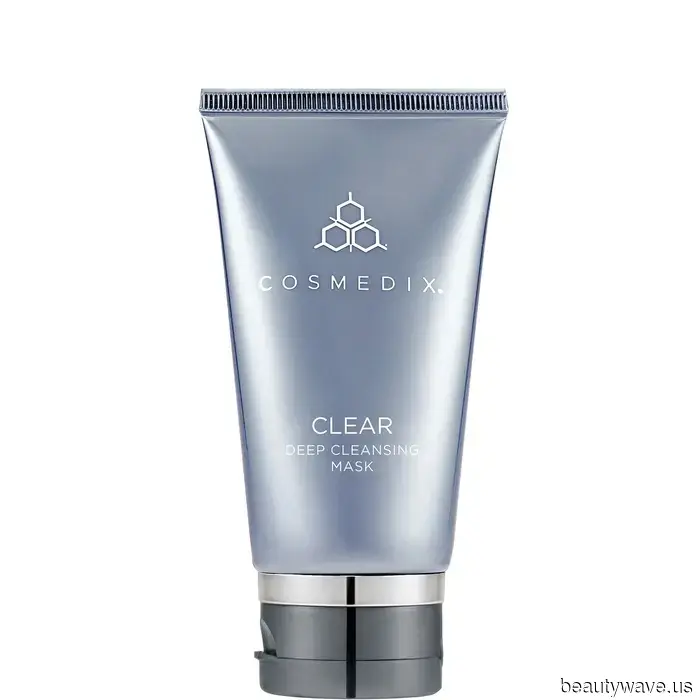
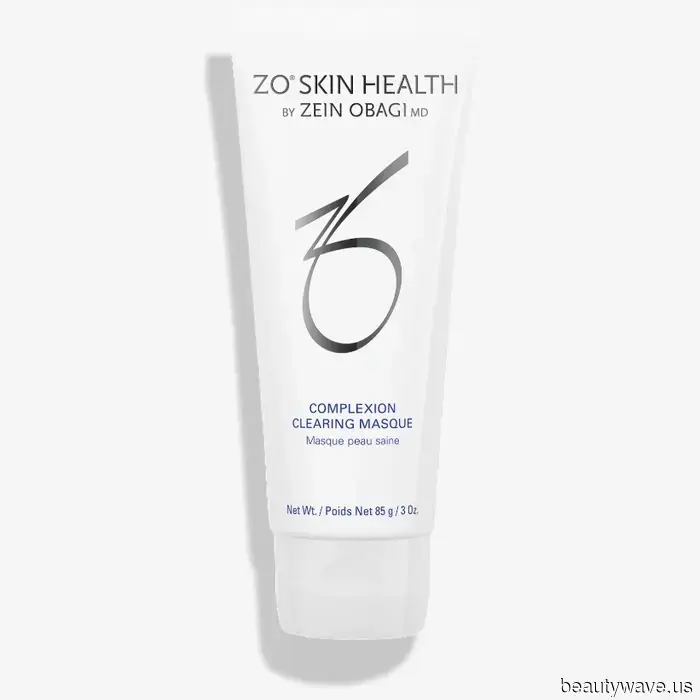
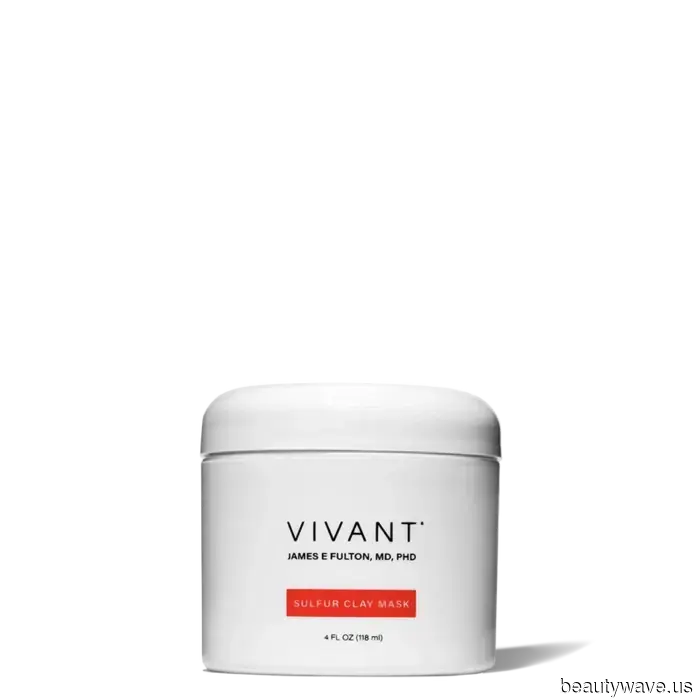
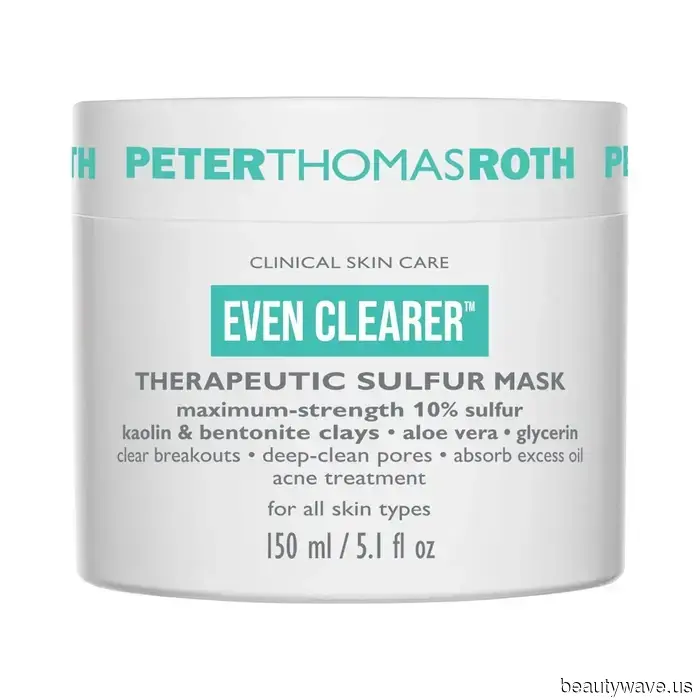

Dermatologists Adore This "Unappealing" Ingredient That Clears Pores, Calms Inflammation, and Lessens Redness.
Sulfur may not be the most glamorous skincare ingredient, but it is undeniably powerful. Click here to discover how it can eliminate acne, rosacea, and inflammation.