
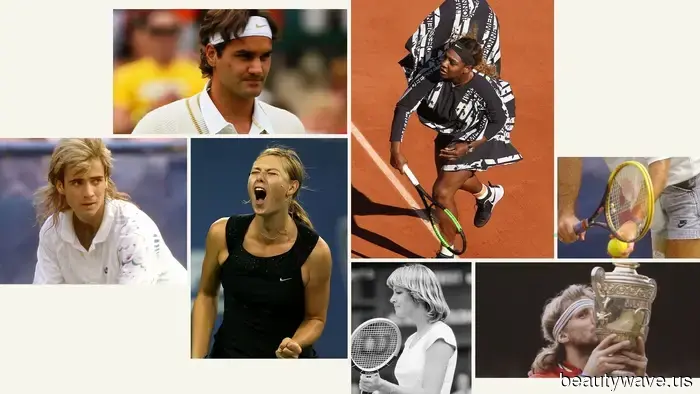
Then and Now: Arriving in Tennis
When longtime stylist, creative director, and author Sunita Kumar Nair published CBK: Carolyn Bessette Kennedy: A Life in Fashion, she effectively set the stage for the subsequent television series, Love Story: John F. Kennedy Jr. and Carolyn Bessette, bringing the late couple back into public consciousness 26 years after their untimely deaths. Bessette, in particular, regained her prominent status, with her effortless fashion sense making her one of the most, if not the most, influential figures of 2026. While it wouldn't be accurate to say that Nair's book singlehandedly revived Bessette's legacy, its significance cannot be overlooked. The impact of her second project is equally notable. "When you succeed at something, people become curious about your next idea, and I didn't want my follow-up to be another icon. I truly wanted it to be something entirely different," Nair shares with me via Zoom from a couch in her vacation rental (it is August, after all). Although her book, Ace: The Times & Style of Tennis, which explores the connection between fashion and tennis, was released in June, a best-selling author's promotional tour is never truly over—press tours be damned. Naturally, a genuine passion for the topic helps. "When you write a book about anything, you must genuinely enjoy it," she states. Fashion may have been Nair's first passion, but it was not her only one. "[Tennis] was always a side interest for me," she confides. That's how Ace came into existence.
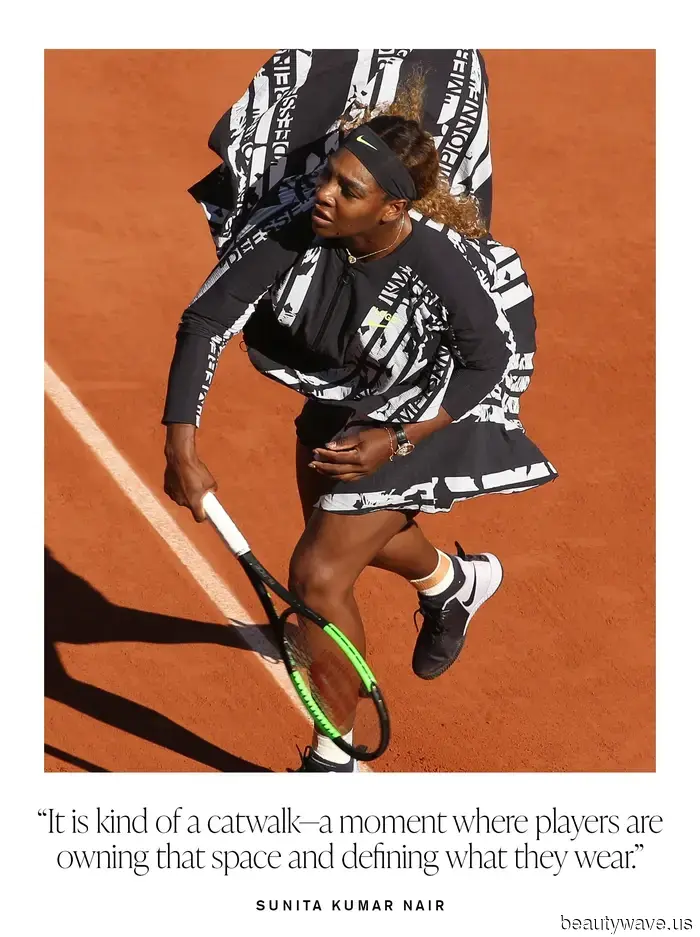
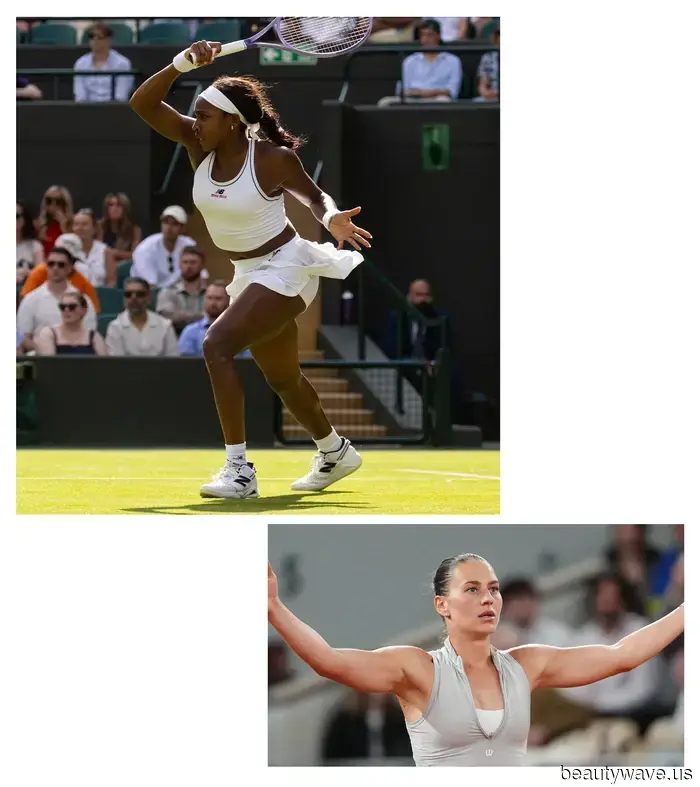
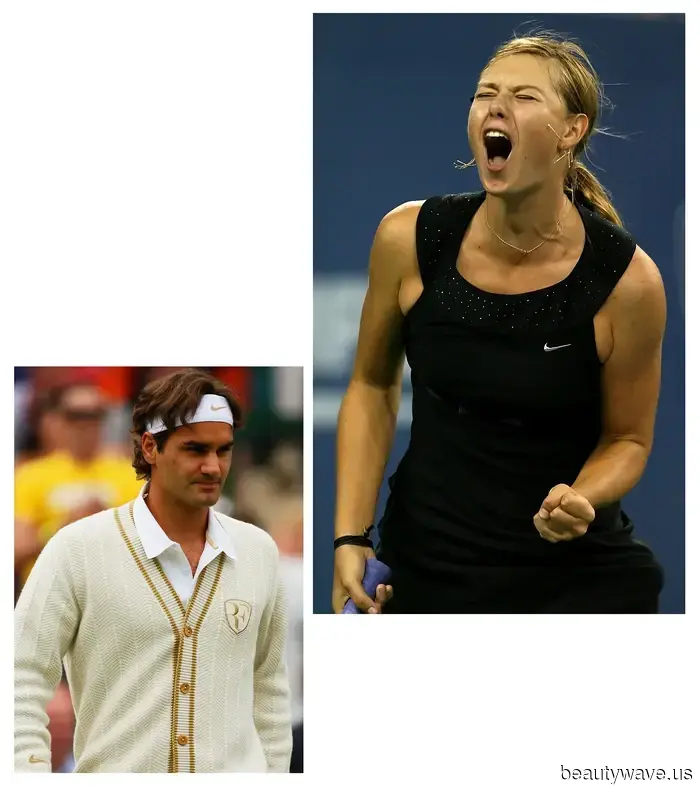
To create the US Open–themed coffee table book, Nair drew on her extensive experience from various areas of the fashion industry, including styling, market research, writing, and editing. This background allowed her to recount the numerous style narratives that have influenced professional tennis over the years, incorporating insights from the athletes she chose to highlight—such as Coco Gauff and Maria Sharapova—to place their outfits in a context that had not previously been explored, either from a fashion or a sporting perspective. The outcome? An answer to the question many of us at the intersection of sports and fashion have pondered endlessly: What distinguishes one athlete's outfit as a lasting piece of lore alongside any close match or missed rally, while another's fades into obscurity? This, along with countless other inquiries about the times and styles of tennis, is covered in my conversation with Nair below.
Tell me about your background.
"My foundation was rooted in fashion. I progressed from being a styling assistant to working in styling and market analysis. I was lucky to collaborate with some incredible people. Little did I know that during my early work experience, Isabella Blow was leading the Sunday Times Style team. She was certainly eccentric, but witnessing her fearless thinking and exploration across various realms left a lasting impact on me. I worked with numerous magazines, from Dazed & Confused to Wallpaper and then the Sunday Times Style. That gritty experience in the fashion world prepared me for working in New York with prominent stylists. Eventually, I spent a significant amount of time on set honing my creative vision.
However, I always had a love for writing—a passion I didn't openly acknowledge. With a background in classics, I enjoyed both writing and reading. When I moved back to London, I found that styling no longer excited me, which is when CBK came along."
And what about tennis?
"When tackling a book, it's crucial to have a genuine affection for the subject, and tennis was always a side passion. There was nothing on the market that truly captured [tennis style], which was thrilling for me; I thought, okay, what can I contribute and how can I do so authentically, appealing even to those who aren’t tennis enthusiasts?"
Given your familiarity with both fields, how did your perspective change regarding the influence an outfit can have on an athlete, a fan, or a brand as you wrote and researched this book?
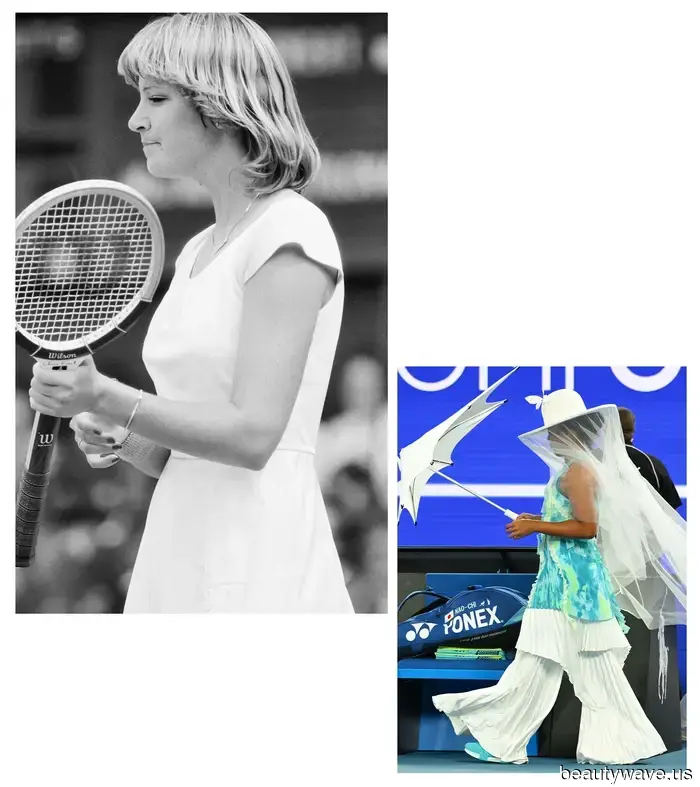
"It struck me that fashion's influence on tennis has developed in stages, which makes sense as everything reflects its time. At the turn of the century, it was about women striving for freedom—wanting to chase a ball without being confined to corsets and long dresses. Curiously, the limitations felt by women, and likely some men too, at the beginning of the century resonate with today's struggles. So, the question arises: Have we progressed?
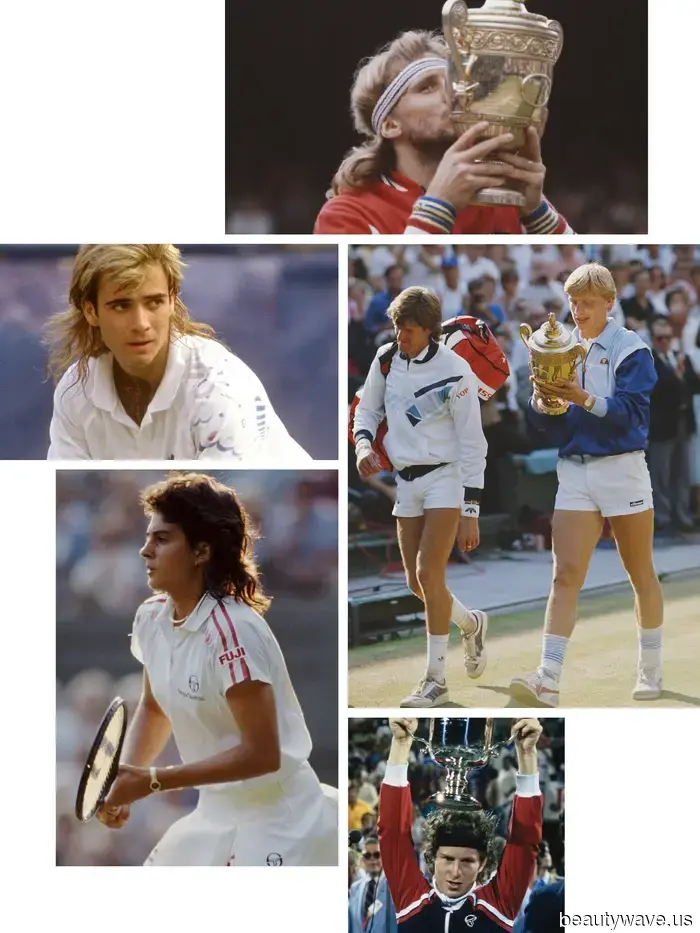
Initially, it was purely about functionality. Then came performance, as the sport gained momentum in the 1940s through the 1960s. Fashion emerged in the 1980s with figures like [Andre] Agassi, [Boris] Becker, and [Gabriela] Sabatini, while [John] McEnroe and Björn Borg introduced a rock and roll vibe to tennis. Fashion profoundly supported these players and their images, which had its roots in the sport. [Jean] Patou may not have
Other articles
 H&M has just released a $40 version of the flat shoe trend that all the celebrities are already sporting this fall.
Gracie! Charlize! Lily!
H&M has just released a $40 version of the flat shoe trend that all the celebrities are already sporting this fall.
Gracie! Charlize! Lily!
 Fashion editors are aware that these three retailers offer the finest sweaters.
J.Crew, COS, and Nordstrom.
Fashion editors are aware that these three retailers offer the finest sweaters.
J.Crew, COS, and Nordstrom.
 Dislike Heels? These Closed-Toe Flats, Sneakers, and Sandals from Nordstrom Appear Just as Stylish.
Nordstrom's Labor Day sale features a variety of stylish shoes for those who choose to forgo heels. These options provide comfort while maintaining a sophisticated look.
Dislike Heels? These Closed-Toe Flats, Sneakers, and Sandals from Nordstrom Appear Just as Stylish.
Nordstrom's Labor Day sale features a variety of stylish shoes for those who choose to forgo heels. These options provide comfort while maintaining a sophisticated look.
 I have already identified the seven trends that will characterize every stylish early-fall ensemble.
The early fall fashion is upon us, and these seven trends are at the forefront. With vibrant colors and new styling techniques, these fashion trends are definitely ones to pay attention to right now.
I have already identified the seven trends that will characterize every stylish early-fall ensemble.
The early fall fashion is upon us, and these seven trends are at the forefront. With vibrant colors and new styling techniques, these fashion trends are definitely ones to pay attention to right now.
Then and Now: Arriving in Tennis
We had a conversation with Sunita Kumar Nair, the writer of Ace: The Times & Style of Tennis, regarding the most memorable walkout outfits in the history of the sport.